
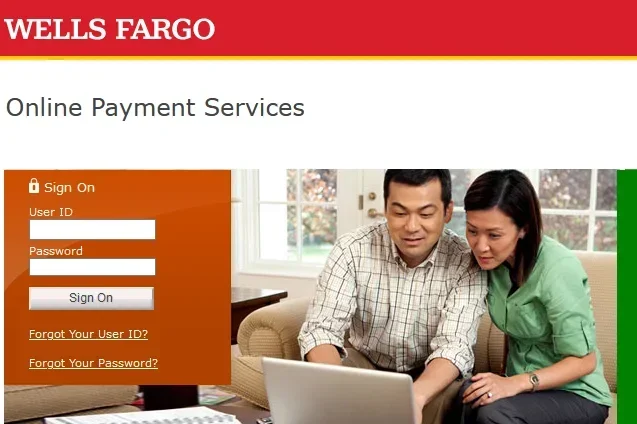
Setting up a Wells Fargo automatic mortgage payment is one of the smartest ways to manage your monthly home loan. It keeps your payments on time and removes the stress of remembering due dates. You can choose from several easy methods that fit your schedule and budget. This guide shows you exactly how to get started and stay on track.
Managing a home loan can feel heavy when you juggle many monthly bills. A Wells Fargo automatic mortgage payment takes that weight off your shoulders. You set it once, and the system handles the rest. It is a simple way to protect your credit and keep your finances steady.
Many homeowners love this option because it saves time and reduces stress. You do not need to log in each month or worry about forgetting a due date. The payment moves on its own, and you get a clear record of every transaction. That kind of routine can make your budget feel much more predictable.
If you are ready to simplify your monthly routine, this guide will walk you through the process step by step. You will learn how to choose the right setup, avoid common pitfalls, and use helpful tools that make the whole experience smoother. Let us dive in.
Key Takeaways
- Simple setup process: You can schedule recurring payments through online banking, the mobile app, or a phone call.
- Avoid late fees: Automatic payments ensure your mortgage is paid on time every month without manual effort.
- Flexible options: Choose your payment amount, frequency, and source account to match your cash flow.
- Extra peace of mind: Set up alerts and confirmations so you always know when a payment clears.
- Easy changes anytime: You can modify, pause, or cancel your automatic payment plan whenever your needs change.
- Helpful tools available: Use payment calculators, budgeting features, and customer support to stay in control.
📑 Table of Contents
- Why a Wells Fargo Automatic Mortgage Payment Makes Life Easier
- How to Set Up Your Wells Fargo Automatic Mortgage Payment
- Choosing the Right Payment Schedule for Your Wallet
- Tips to Keep Your Automatic Payment Running Smoothly
- Common Mistakes to Avoid With Auto Pay
- Expert Insights for Stress-Free Mortgage Management
- Final Thoughts on Setting Up Automatic Mortgage Payments
Why a Wells Fargo Automatic Mortgage Payment Makes Life Easier
Paying a mortgage on time matters more than many people realize. A missed or late payment can create fees, stress, and even credit concerns. An automatic payment plan removes most of that risk. You choose the schedule, and the bank follows it.
This setup also helps you build a stronger financial habit. When the payment happens automatically, you stop thinking about it as a weekly task. Instead, it becomes part of your normal cash flow. That shift can make budgeting feel simpler and more reliable.
Less Stress, More Consistency
One of the biggest benefits is peace of mind. You know the payment will go out on the date you pick. You do not need to watch the calendar every week. That consistency can be especially helpful if you travel often or have a busy work schedule.
Another advantage is better organization. Each payment appears in your account history, so you can track what went out and when. This record is useful during tax season, financial reviews, or simple budget checkups. You can see your progress without digging through paper statements.
Better Budget Control
Automatic payments can also support smarter money management. When you know the exact date and amount, you can plan the rest of your month around it. That helps you avoid surprises and keeps your cash flow steady. It is a small change that can improve your overall financial rhythm.
If your income comes on a regular schedule, matching your mortgage payment to that timing can make life even smoother. You can choose a date that fits your paycheck cycle. That way, the money is available when the payment runs, and you avoid awkward shortages.
How to Set Up Your Wells Fargo Automatic Mortgage Payment
The setup process is straightforward. You can choose the method that feels most comfortable for you. Most people prefer online banking because it is fast and available any time of day. Others like the mobile app for quick access from their phone. You can also call customer support if you want personal help.
Before you begin, gather a few basic details. You will need your mortgage account number, your bank account information, and the payment amount you want to send each month. Having these ready makes the process much faster.
Using Online Banking
Online banking is the most common way to schedule recurring mortgage payments. Log in to your account and go to the bill pay or mortgage section. Look for the option to create a recurring payment. From there, you can select the account source, the amount, and the frequency.
Once you enter the details, review everything carefully. Make sure the payment date matches your budget and that the amount is correct. Then confirm the setup. You should receive a confirmation message or email that shows the plan is active.
Using the Mobile App
The mobile app offers a similar path with a more compact layout. Open the app, sign in, and find your mortgage account. Tap the payment or auto pay option. Enter the amount and choose the schedule that works for you. The app will guide you through the final steps.
This method is great if you like handling tasks from your phone. It is quick, easy to revisit, and useful when you are away from your computer. You can also check your payment status later without needing a desktop.
Calling Customer Support
If you prefer speaking with a person, you can call the mortgage support line. A representative can help you set up the automatic payment over the phone. This is a good choice if you have questions about your account or want to confirm a detail before finishing the setup.
When you call, keep your account information nearby. The representative may ask for verification details to protect your account. Once the setup is complete, ask for a confirmation number or email so you have a record of the change.
Choosing the Right Payment Schedule for Your Wallet
Not every schedule works for every household. The best option depends on your income, your other bills, and how you like to manage money. A Wells Fargo automatic mortgage payment can usually be set to fit your preferred rhythm. The key is to choose a plan that feels comfortable and realistic.
Some people like to pay on the first of the month. Others choose a date that aligns with their payday. Either way, the goal is to avoid cash flow problems and keep the payment running smoothly.
Monthly vs. Biweekly Options
Most borrowers choose a monthly schedule because it matches the typical mortgage cycle. This is simple and easy to track. You make one payment each month, and the amount stays predictable. For many homes, this is the most practical choice.
A biweekly plan can also work well for some borrowers. Instead of one larger payment each month, you send smaller amounts more often. This can help some people align payments with their paychecks. It may also create a sense of faster progress, though the total yearly amount stays similar.
Matching Your Pay Schedule
If you get paid every two weeks, a biweekly or mid-month payment date might feel more natural. If you receive a monthly paycheck, a single payment early in the month could be easier. The best schedule is the one that reduces friction and fits your routine.
Think about your other expenses too. If rent, utilities, and loan payments cluster around the same time, you may want to shift your mortgage date slightly. A small adjustment can make your month feel much more balanced.
Tips to Keep Your Automatic Payment Running Smoothly
Once your plan is active, a few simple habits can help everything stay on track. The goal is to prevent interruptions and avoid surprises. A little attention now and then can save you a lot of trouble later.
Start by checking your account balance before the payment date. Make sure there is enough money to cover the mortgage amount. If your balance is low, move funds early or adjust the payment date if needed.
Watch Your Account Balance
Even with automation, your bank account still needs attention. If the money is not there when the payment runs, the transaction may fail or create complications. A quick balance check a few days before the due date can prevent that problem.
If your income varies, build a small cushion when possible. That extra buffer can help you avoid stress during slower months. It is a simple habit that supports long-term stability.
Keep Your Info Updated
Life changes, and your payment setup should keep up. If you open a new checking account, change your login details, or update your contact information, make sure those changes are reflected in your mortgage profile. Outdated information can cause delays or failed payments.
Also, pay attention to any notices from your lender. If there is a change in your loan terms, escrow details, or payment amount, you may need to adjust your automatic plan. Staying alert helps you avoid gaps between what you expect and what actually happens.
Use Alerts and Reminders
Alerts can be a helpful safety net. You can set up notifications for low balances, payment confirmations, or upcoming due dates. These small reminders give you a chance to act before a problem grows.
You do not need to watch your account every day. A few well-placed alerts are usually enough. Think of them as a backup system that supports your automatic payment plan.
Common Mistakes to Avoid With Auto Pay
Automatic payments are convenient, but they still need thoughtful setup. A few common mistakes can create frustration later. Knowing what to watch for helps you avoid them from the start.
One frequent issue is choosing a payment date without checking your cash flow. Another is forgetting to update the plan after a change in income or account details. These small oversights can lead to failed transactions or unnecessary stress.
Setting It and Forgetting It Completely
Automation does not mean you should ignore your account. It is still important to review your statements and payment history from time to time. That way, you can catch errors early and make sure the amount still matches your loan needs.
A quick monthly review is usually enough. Look at the payment date, the amount, and the account it pulls from. If anything seems off, fix it right away.
Ignoring Account Changes
If you switch banks, change account numbers, or move money to a new source account, your automatic payment may need an update. Missing this step can interrupt your schedule. Always revisit your payment settings after major account changes.
It is also smart to confirm that your contact information is current. If the lender needs to send a notice, you want to make sure it reaches you.
Expert Insights for Stress-Free Mortgage Management
Financial experts often suggest treating your mortgage like a priority bill, not an afterthought. That means giving it a clear place in your budget and making sure your payment method supports that priority. A Wells Fargo automatic mortgage payment can be a strong part of that plan when used carefully.
Experts also recommend keeping an emergency fund. Even with automation, unexpected expenses can happen. A small reserve can help you cover your mortgage if your income dips or an urgent cost comes up.
Build a Simple Backup Plan
A backup plan can be as simple as a secondary account or a savings cushion. If your main account runs low, you have another option ready. This kind of preparation can protect you from missed payments during rough patches.
You can also keep a record of your mortgage due date, payment amount, and customer service contact details in one place. When you have everything in one spot, it is easier to respond quickly if something changes.
Review Your Loan Details Occasionally
Your mortgage is not always static. Escrow amounts, insurance costs, and interest details can shift over time. It helps to review your statement now and then so you understand what you are paying and why.
If the payment amount changes, update your automatic setup right away. That small step keeps your plan aligned with your actual loan responsibilities.
Final Thoughts on Setting Up Automatic Mortgage Payments
A Wells Fargo automatic mortgage payment can make your financial life feel calmer and more organized. You spend less time chasing due dates and more time focusing on the rest of your budget. With a good setup and a few smart habits, the process can run smoothly for a long time.
The best approach is simple: choose a schedule that fits your income, keep an eye on your balance, and update your plan when life changes. If you do that, your mortgage payment becomes one less thing to worry about each month. Take a few minutes to set it up well, and you can enjoy the benefits every single month.
Frequently Asked Questions
How do I start a Wells Fargo automatic mortgage payment?
You can set it up through online banking, the mobile app, or by calling mortgage customer support. Choose your source account, payment amount, and schedule, then confirm the setup. Keep your confirmation for your records.
Can I change the payment amount later?
Yes, you can usually adjust the amount when your loan details change or when you want to modify your plan. Log in to your account or contact support to update the setting. Always review the new amount before confirming.
What happens if there is not enough money in my account?
If your balance is too low, the payment may fail or create fees, depending on your account terms. Check your balance before the payment date and move money early if needed. A small cash cushion can help prevent this issue.
Can I pause or cancel the automatic payment?
In many cases, you can stop or change the recurring payment if your situation changes. Use the payment settings in your account or speak with customer support. Make sure you understand any timing rules before you cancel.
Is it better to use the app or online banking?
Both work well, so the best choice depends on your habits. The app is convenient for quick access from your phone, while online banking may feel easier for detailed setup. Pick the option you will use most comfortably.
How do I know my payment went through?
You can usually check your account history or payment confirmation message after the transaction runs. Many people also use alerts to confirm when a payment is completed. Reviewing your statement regularly helps you stay confident that everything is on track.
