
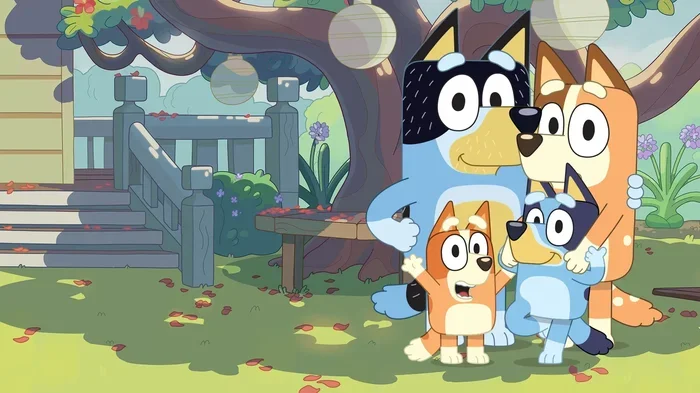
Are Luckys Parents Divorced Bluey is a common question among fans who notice subtle family themes in the show. The truth is simpler than many expect, and the series focuses on healthy communication, patience, and everyday parenting moments. Understanding these details helps viewers appreciate why the show resonates so deeply with families everywhere.
This is a comprehensive guide about Are Luckys Parents Divorced Bluey.
Key Takeaways
- Clear answer: The show does not depict Lucky’s parents as divorced, and the family structure remains stable throughout the series.
- Family themes matter: Viewers often connect with parenting moments, which can spark questions about relationships and household changes.
- Bluey reflects real life: The show highlights how families handle emotions, routines, and small conflicts in healthy ways.
- Misunderstandings happen: Fan discussions sometimes create confusion, especially when viewers interpret playful storytelling as serious drama.
- Parenting lessons are central: The series offers gentle examples of patience, listening, and supporting children through everyday experiences.
- Relationships are shown with care: The show emphasizes cooperation, respect, and warmth between family members.
- Why the question matters: People ask this because they care about how families are represented, and that curiosity says a lot about the show’s impact.
[FEATURED_IMAGE_PLACEHOLDER]
Are Luckys Parents Divorced Bluey? Understanding the Big Question
Many people ask, are Luckys Parents Divorced Bluey because they notice how much family life matters in the show. The series feels so realistic that viewers sometimes look for deeper meaning in small details. That is a good sign. It means the storytelling feels honest and relatable.
The short answer is no. Lucky is part of a family structure that stays intact, and the show does not present his parents as separated or divorced. Still, the question keeps coming up, and it is worth exploring why. Sometimes fans notice relationship tension in any family-centered story and wonder whether the writers are hinting at something bigger. In this case, the show is not building a divorce storyline. It is building a picture of everyday family life.
That distinction matters. If you are a parent, a child, or just someone who enjoys thoughtful animation, you may care about how families are shown on screen. You may want to know whether the show reflects healthy relationships or complicated ones. The good news is that the series keeps things warm, grounded, and focused on connection.
Why Fans Ask This Question in the First Place
People do not usually ask are Luckys Parents Divorced Bluey unless the show leaves a strong impression. That impression often comes from how realistically the series handles family dynamics. Children argue. Parents get tired. Plans change. Emotions rise and fall. When a show captures those moments so well, viewers may start reading more into them.
Another reason is that modern audiences are very aware of family change. Many people grow up in households that have experienced separation, remarriage, or shifting routines. So when they watch a family-centered show, they may naturally look for signs of stability or disruption. That does not mean the show is suggesting divorce. It means viewers are paying close attention.
There is also a simple fact at play: popular shows get analyzed closely. Fans discuss tiny details, compare episodes, and guess at hidden meanings. Sometimes those discussions create stories that were never intended. That is part of why this question keeps appearing.
What the Show Actually Presents About Family Life
The series is known for showing family life in a way that feels both playful and respectful. It does not rely on dramatic twists to keep people watching. Instead, it focuses on ordinary moments that anyone can recognize. A child wants one more game. A parent tries to balance patience with practicality. A sibling relationship brings both laughter and friction.
That approach is part of the show’s charm. It makes the world feel lived-in. It also makes the characters feel real. When families see themselves reflected on screen, they often appreciate the honesty. That may be one reason the question are Luckys Parents Divorced Bluey comes up. People are looking for meaning because the show feels meaningful.
Healthy Family Communication Is a Big Theme
One of the strongest themes in the series is communication. Parents listen. Children express themselves. Misunderstandings get worked through. That does not mean everything is perfect, because perfection would feel fake. It means the people in the story try to understand each other.
This matters because many viewers are interested in how families can stay connected during busy or stressful times. They may be looking for examples of patience, humor, and empathy. The show offers those examples without turning them into lectures. It simply shows people trying their best.
Everyday Stability Matters More Than Drama
Some shows build their identity around conflict and upheaval. This one tends to build its identity around routine, imagination, and small emotional lessons. That can be surprising if you are used to media that leans heavily on dramatic family change.
In this case, the stability is the point. The show suggests that ordinary family life is worth paying attention to. A game of make-believe can teach resilience. A missed turn in conversation can become a chance to reconnect. Those ideas may seem simple, but they are often the most helpful ones for real families.
Why the Question Reflects the Show’s Impact
When people search are Luckys Parents Divorced Bluey, they are not just asking for a fact. They are showing that the show made them think. That is a sign of strong storytelling. If a series can prompt people to examine family structure, relationships, and emotional truth, then it is doing something right.
It also shows that audiences care about how children experience family life. Parents may wonder whether the show reflects the kind of environment they want for their kids. Children may sense the emotional tone and respond to it. Even casual viewers can feel whether a story is warm or strained. In this case, the tone stays gentle.
Fan Theories Can Be Fun, But They Can Also Mislead
Fan theories are part of enjoying any popular series. People love to compare notes and guess what might be happening beneath the surface. That can be fun. It can also lead to confusion when a theory becomes more popular than the actual content.
It is helpful to separate imagination from intention. A show can include conflict without implying divorce. It can show tired parents without suggesting a broken marriage. It can present complicated emotions without making permanent family changes the central story. Once you keep that in mind, the show becomes easier to understand.
What Viewers Can Learn From the Confusion
The confusion around are Luckys Parents Divorced Bluey can actually teach us something useful. It reminds us that family representation matters. It also reminds us that people bring their own experiences to what they watch. A viewer who has lived through family change may notice different things than a viewer who has not.
That does not make either perspective wrong. It just means that media is interpreted through real life. The best response is curiosity. Ask what the show is actually saying. Ask what details support that. Then enjoy the story for what it offers instead of what you fear it might hint at.
How the Show Handles Parenting and Relationships
Parenting is one of the most important parts of the series. The adult characters are not perfect, but they are present. They try to guide children with patience. They make mistakes. They adjust. That kind of portrayal can be very reassuring because it reflects real life.
Relationships in the show are also built around cooperation. There is humor. There is compromise. There is affection. Those elements matter because they show what a healthy family can look like in practice. They do not need dramatic announcements to prove their strength. They show strength through daily behavior.
Small Moments Say a Lot
A lot of the show’s emotional power comes from small moments. A parent kneeling to a child’s level. A silly game that turns into a lesson. A brief pause before someone responds. These details help create a sense of care.
When viewers ask are Luckys Parents Divorced Bluey, they may be looking for one large answer. But sometimes the real answer is in the little things. The show communicates stability through consistency, not through speeches. That is a subtle but important difference.
Emotional Honesty Without Heavy Conflict
The series does not avoid hard feelings. Children can be frustrated. Parents can be overwhelmed. Siblings can clash. But the show usually handles those feelings with care. It does not let them spiral into unnecessary damage. It treats them as part of learning.
This is one reason the show feels trustworthy. It acknowledges that family life includes friction, but it also shows that friction does not have to mean breakdown. That message is simple, and it is powerful.
What This Means for Parents and Kids Watching Together
For families watching together, the show can be a useful conversation starter. It can help children name feelings. It can help parents reflect on how they respond under pressure. It can also remind everyone that play, laughter, and patience are part of healthy relationships.
If a child asks whether a family on screen is changing or struggling, that can be a chance to talk honestly. You can explain that families look different in real life, and that some families stay together while others change. You can also point out that what matters most is how people treat one another. That is a lesson the show often reinforces.
Using the Show as a Conversation Starter
You do not need a dramatic plot to talk about meaningful topics. A simple episode can lead to questions like:
- How do people in this family show care?
- What happens when someone feels frustrated?
- How do the characters solve problems together?
- What makes this family feel safe or fun?
Those questions can lead to honest family conversations. They can also help children build emotional awareness. That is one of the show’s quiet strengths.
Building Trust Through Everyday Representation
Families often trust stories that feel steady. They do not need every episode to be exciting. They need the story to feel respectful. When a show treats children and parents with dignity, it creates a safe viewing experience. That is part of why this series has connected with so many people.
It also helps that the show avoids turning family life into a competition or a crisis. Instead, it treats daily life as something worth exploring. That perspective can be calming for viewers who are tired of constant drama.
The Bigger Picture: Why Family Representation Matters
Family representation is more than a trend. It shapes how people understand relationships, responsibility, and care. When a show presents a family that is stable, thoughtful, and emotionally open, it gives viewers a helpful reference point. When it presents conflict, it can still do so in a way that teaches resilience.
The question are Luckys Parents Divorced Bluey may seem small on the surface, but it points to a bigger interest in how families are portrayed. People want stories that reflect reality without making life feel heavier than it needs to be. They want honesty, but not unnecessary pain. The series tends to deliver exactly that balance.
What Makes a Family Story Feel Real
A family story feels real when it includes both joy and inconvenience. It feels real when characters do not always agree. It feels real when love is shown through action, not just words. The show understands this well.
It also helps when the story avoids extremes. Not every disagreement needs to become a crisis. Not every challenge needs a dramatic solution. Sometimes the most realistic choice is to keep going, keep listening, and keep trying.
Why Stability Can Be Just as Interesting as Change
Some people assume that stable families are less interesting than changing ones. That is not true. Stability can be full of humor, growth, and discovery. A family can stay together and still face meaningful challenges. It can stay intact and still learn new ways to connect.
In fact, stability often makes the small moments matter more. When the basics are secure, children can focus on play, learning, and imagination. Parents can focus on guidance and support. That is a rich setting for storytelling, and the show uses it well.
Final Thoughts on the Question
So, are Luckys Parents Divorced Bluey? The show does not present that as part of the story. What it does present is a family world built on care, imagination, and everyday learning. That may be why people keep asking. The series feels close enough to real life that viewers want to understand every detail.
The best way to enjoy the show is to appreciate what it does offer. It shows patience. It shows play. It shows families working through ordinary moments with warmth. Those things matter. They may not be dramatic, but they are meaningful. And for many viewers, that meaning is exactly why the series stands out.
If you are watching with children, let the show open the door to simple conversations about feelings and relationships. If you are watching for yourself, enjoy the honesty and the gentle humor. Either way, the show’s strength is not in hidden family trouble. It is in the steady, thoughtful way it portrays family life.
FAQs
Are Luckys Parents Divorced Bluey in the show?
No, the series does not show Lucky’s parents as divorced. The family structure stays intact, and the story focuses on everyday family life rather than separation.
Why do people keep asking if Lucky’s parents are divorced?
People ask because the show feels very realistic, and viewers often look for deeper meaning in family-centered stories. Strong storytelling can make people pay close attention to relationship details.
Does the show ever deal with family conflict?
Yes, it does, but it usually handles conflict in a gentle and manageable way. The focus is on communication, patience, and learning rather than dramatic family breakdown.
What makes this show feel so relatable to families?
It shows ordinary moments that families recognize, like play, frustration, patience, and problem-solving. Those details make the characters feel authentic and the relationships feel warm.
Can the show help parents talk to kids about relationships?
Absolutely. It can be a useful way to start conversations about feelings, listening, and how families support one another during everyday challenges.
Is the show more about stability or dramatic change?
It is more about stability and the small lessons that come from daily life. That focus is part of why it feels comforting and why viewers care so much about the family dynamics.
Frequently Asked Questions
What is Are Luckys Parents Divorced Bluey?
Are Luckys Parents Divorced Bluey is an important topic with many practical applications.