
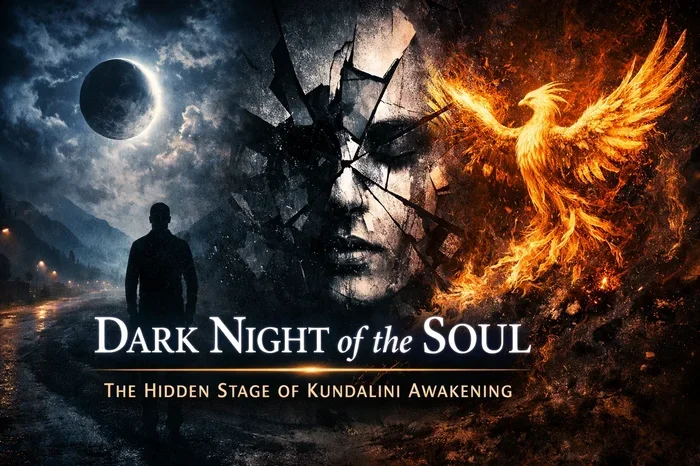
Feeling lost, empty, or spiritually adrift? You might be facing what Carl Jung called the dark night of the soul. This deep inner crisis often feels like depression, but it is actually a powerful transformation. In this guide, we will explore the signs youre experiencing what Jung termed the dark night of the soul and show you how to move through it with clarity and hope.
Key Takeaways
- Dark night of the soul is a profound spiritual crisis, not just everyday sadness.
- Loss of meaning in work, relationships, or hobbies is a core warning sign.
- Emotional numbness and isolation often accompany this deep inner shift.
- Jung saw this phase as a necessary step toward individuation and wholeness.
- Patience, self-reflection, and gentle support help you navigate the darkness safely.
- Professional help is wise if symptoms cross into clinical depression or self-harm.
- Emerging from the dark night often brings deeper purpose and authentic living.
📑 Table of Contents
Understanding the Dark Night of the Soul
Have you ever felt like life suddenly lost its color? Like the things that once mattered to you now feel flat, distant, or even meaningless? If so, you may be touching a deeper current of human experience. Carl Jung, the Swiss psychiatrist and pioneer of depth psychology, described this profound inner crisis as the dark night of the soul. It is not a clinical diagnosis. It is a symbolic, psychological, and often spiritual passage.
Jung believed that every person carries a shadow side. This shadow holds our fears, repressed desires, and unhealed wounds. When life forces us to confront these hidden parts, we can feel overwhelmed. The ego feels threatened. Old beliefs crack. The familiar self-image falls apart. That collapse is painful, but it is also necessary. It clears space for a more authentic, integrated self to emerge. Understanding this process helps you stop fighting the pain and start working with it.
Many people mistake this phase for simple burnout or depression. While the feelings can overlap, the dark night of the soul carries a different texture. It feels like an existential unraveling. It asks fundamental questions about who you are and what truly matters. If you have been searching for answers online, you may have stumbled across related topics like signs of a toxic boyfriend or signs hes falling out of love. Those relationship shifts can sometimes trigger or mirror this inner crisis. But the dark night goes deeper than any single relationship. It reaches into your core identity.
What Jung Actually Meant
Jung did not use the exact phrase dark night of the soul in every writing. The term has roots in Christian mysticism, especially the writings of St. John of the Cross. Jung adapted the idea into psychological language. He saw it as a necessary confrontation with the unconscious. The psyche demands balance. When we live too much on the surface, ignoring our deeper needs, the unconscious pushes back. Dreams become intense. Old patterns fail. We feel unmoored.
This process is part of what Jung called individuation. Individuation is the journey toward wholeness. It means integrating the conscious and unconscious parts of yourself. The dark night is one of the hardest chapters in that journey. It strips away illusions. It forces honesty. It asks you to face what you have avoided for years. The pain is real. But the purpose is renewal.
Why This Phase Matters Today
Modern life moves fast. We are constantly connected, constantly performing, and constantly optimizing. Many people live on autopilot. They chase goals that were never truly their own. When the body and mind finally rebel, the result can feel like sudden collapse. You may wake up one day and realize nothing feels right. That moment is often the doorway to the dark night.
Recognizing this phase matters because it changes how you respond. If you treat it only as a problem to fix, you may miss its deeper message. If you treat it as a spiritual and psychological transition, you can move through it with more grace. You can learn to sit with the discomfort. You can listen to what it is trying to teach you. That shift in perspective is powerful.
Core Signs You Are in the Dark Night
How do you know if you are simply going through a rough patch or entering something deeper? The signs youre experiencing what Jung termed the dark night of the soul tend to share a specific pattern. They are not just about being tired or stressed. They touch your sense of meaning, identity, and connection to life itself. Below are the most common markers.
Loss of Meaning and Purpose
One of the clearest signs is a sudden loss of meaning. Projects that once excited you now feel empty. Goals that used to drive you suddenly seem pointless. You may look at your career, your daily routine, or even your favorite hobbies and feel nothing. This is not laziness. It is a deep questioning of value. The psyche is asking: Is this really what I want? Is this really who I am?
When meaning fades, motivation often fades with it. You might stop caring about outcomes. You may feel like you are going through the motions. This can be frightening. It can also be liberating if you stop fighting it. The darkness is clearing out false purposes so you can find a more honest one.
Emotional Numbness and Inner Emptiness
Another hallmark is emotional numbness. You may feel hollow, flat, or disconnected from your own feelings. Joy feels distant. Sadness feels muted. Even anger or grief may feel out of reach. This emptiness is not the same as calm. It is a kind of inner silence that feels heavy. Jung saw this as the psyche withdrawing energy from the surface self. The unconscious is pulling back so deeper material can surface.
During this phase, you might feel like you are watching your life from behind glass. You go through the motions, but you do not feel fully present. That sense of detachment is common. It is also a sign that your old way of being is no longer sustainable.
Intense Inner Turmoil and Existential Questions
While numbness is common, the opposite can also happen. Some people experience waves of intense inner turmoil. Questions loop endlessly in the mind: Why am I here? What is the point of all this? Who am I really? These are not casual thoughts. They feel urgent and unavoidable. You may find yourself staring at the ceiling at night, unable to escape the questions.
This turmoil can feel chaotic. It can also feel like a necessary dismantling. The old framework is breaking down. The new one has not formed yet. That in-between space is uncomfortable. It is also where real growth begins.
Feeling Disconnected From Yourself and Others
Isolation often accompanies the dark night. You may feel misunderstood, even by people who care about you. Conversations can feel shallow. You might pull away because you cannot explain what is happening inside. Friends may offer advice that misses the mark. That can deepen the sense of loneliness.
This disconnection is not a sign that you are broken. It is a sign that you are moving into unfamiliar territory. Your inner world is changing faster than your outer relationships can adjust. That mismatch is painful, but it is temporary. As you clarify your own path, you will naturally attract people who resonate with your new frequency.
Sudden Shifts in Values and Identity
You may notice sudden changes in what you value. Things that once impressed you no longer matter. Status, approval, or external success may lose their shine. You might start questioning long-held beliefs about love, work, faith, or identity. This can feel destabilizing. It can also feel like a breath of fresh air.
Jung believed that these shifts are part of the psyche correcting itself. When you live out of alignment with your deeper nature, the system eventually pushes back. The dark night forces a realignment. You may drop relationships, habits, or goals that no longer fit. That loss is real. But it makes room for a more authentic life.
How the Dark Night Differs From Depression
It is important to distinguish this psychological passage from clinical depression. The two can look similar on the surface. Both can involve low energy, loss of interest, and emotional pain. But they are not the same. Understanding the difference helps you choose the right support.
Overlap and Key Differences
Depression often involves persistent low mood, changes in sleep and appetite, and a loss of pleasure in most activities. It can stem from biology, trauma, stress, or a combination of factors. The dark night of the soul is more focused on meaning, identity, and spiritual or existential crisis. It often carries a sense of inner unfolding rather than pure illness.
That said, the lines can blur. A person can experience both at once. If you are unsure, it is always wise to speak with a mental health professional. You do not have to choose between honoring the spiritual dimension and getting proper care. Both can be true at the same time.
When to Seek Professional Support
Reach out for help if you experience thoughts of self-harm, hopelessness that does not lift, or an inability to function in daily life. Also seek support if the pain feels unmanageable or if you are using harmful coping strategies. Therapy can provide a safe container for this work. A good therapist will not dismiss the existential dimension. They will help you navigate it with care.
If you want to explore how emotional patterns show up in relationships, you might find our piece on signs of a desperate woman helpful. It shows how unmet emotional needs can drive behavior. That insight can be useful when you are trying to understand your own inner shifts.
Why Jung Saw This Phase as Necessary
Jung did not view the dark night as punishment. He saw it as a corrective and creative force. The psyche wants balance. When we ignore our deeper layers, those layers eventually demand attention. The darkness is not the enemy. It is a messenger.
The Role of the Shadow
The shadow contains everything we push away: fear, shame, anger, unmet needs, and hidden gifts. We often project the shadow onto others. That projection creates conflict. It also keeps us from knowing ourselves. The dark night forces the shadow into the light. This can feel uncomfortable. It can also feel like relief. You are finally seeing what was hidden.
Working with the shadow is not about becoming perfect. It is about becoming whole. When you acknowledge your darker parts, you stop expending energy to hide them. That energy becomes available for living more authentically.
The Path Toward Individuation
Individuation is the process of becoming your true self. It is not a straight line. It includes crisis, insight, and integration. The dark night is one of the most intense stages. It breaks down the false self so the real self can breathe. Jung believed that people who move through this phase often emerge with greater depth, creativity, and compassion.
If you are in this phase, remember that dismantling is not the same as destroying. You are not falling apart. You are making space. The pieces will reassemble in a more honest configuration.
Practical Ways to Navigate the Darkness
You cannot force the dark night to end. But you can support yourself through it. The goal is not to escape the pain. The goal is to move through it with awareness and care. Here are practical steps that help many people.
Create Space for Reflection
Set aside quiet time each day. Even ten minutes can help. Sit with a journal. Write without editing. Let your thoughts flow. Ask open questions: What am I avoiding? What feels true right now? What do I need to release? Writing slows the mind and brings clarity. It also helps you track patterns over time.
You do not need to find answers quickly. The process is gradual. Trust that small moments of honesty add up. Over time, they create a clearer map of your inner world.
Practice Gentle Self-Compassion
Be kind to yourself during this phase. You are not failing. You are transforming. Speak to yourself the way you would speak to a good friend. Notice when you judge yourself for being lost or slow. Replace that judgment with curiosity. Ask: What is this discomfort trying to show me?
Self-compassion does not mean giving up on growth. It means growing in a way that does not crush you. Healing is faster when the inner environment is safe.
Seek Supportive Community and Guidance
You do not have to do this alone. Find people who can hold space for your process. That might be a therapist, a trusted friend, a support group, or a spiritual mentor. Look for people who listen without rushing to fix you. Good support feels steady, not dramatic.
If relationship confusion is part of your struggle, you may also want to read signs your man is not sexually attracted to you. Sometimes relationship uncertainty amplifies the inner crisis. Clarifying what is happening outside can help you focus on what is happening inside.
Allow the Process to Unfold
Resist the urge to rush. The dark night has its own timing. Trying to force clarity too soon can backfire. Instead, focus on small, steady practices. Walk in nature. Rest when you need to. Eat regularly. Keep your routine simple. These basics matter more than they seem during intense inner shifts.
Allow your interests to change. Allow your boundaries to shift. Allow your answers to be incomplete for a while. The unfolding is part of the healing.
What Emerges After the Dark Night
The dark night does not last forever. When it softens, something new is usually present. People often describe a quieter confidence, a clearer sense of purpose, and a deeper connection to themselves. The change is not always dramatic. Sometimes it is subtle. But it is real.
Renewed Clarity and Authentic Living
After the darkness, choices often feel simpler. You know better what fits and what does not. You may say no more easily. You may pursue work, relationships, or creative projects that align with your deeper values. This is not about becoming perfect. It is about becoming honest.
That honesty changes everything. You stop performing for approval. You start living from inner truth. That shift brings a kind of peace that external success cannot provide.
Deeper Self-Awareness and Resilience
Moving through the dark night builds resilience. You learn that you can survive intense inner change. You learn that discomfort is not danger. You learn to trust your capacity to adapt. That knowledge stays with you. Future challenges feel less threatening because you have already walked through fire.
Self-awareness also deepens. You notice your patterns more quickly. You catch projections sooner. You relate to your shadow with more skill. That growth improves relationships, decision-making, and emotional balance.
A Stronger Sense of Purpose
Purpose often returns in a new form. It may not look like the old dream. It may be quieter, more personal, and more aligned. You may feel drawn to service, creativity, healing, or simply living with more presence. The key is that it feels true. Purpose is not always a grand mission. Sometimes it is a steady commitment to living authentically.
If you are still searching for direction, you might find our article on how to figure out what to do with your life useful. It offers practical steps for finding clarity when the path feels unclear.
Common Mistakes to Avoid
When you are in the dark night, it is easy to make well-meaning mistakes. Being aware of them can save you time and pain.
- Trying to fix everything at once. This phase asks for patience, not speed.
- Numbing the pain with distractions. Excessive scrolling, shopping, or busyness can delay the work.
- Isolating completely. Support matters. Total withdrawal can deepen the suffering.
- Judging yourself for being lost. Self-criticism adds weight to an already heavy process.
- Confusing the dark night with untreated depression. Get professional help when needed.
- Chasing quick spiritual bypassing. Fast fixes rarely address the deeper issue.
Avoiding these traps does not mean the process will be easy. It means you will move through it with more steadiness. That steadiness makes a real difference.
Key Takeaways
The signs youre experiencing what Jung termed the dark night of the soul point to a deep inner transition, not a simple slump. Meaning fades. Emotions flatten or intensify. Old identities crack. Isolation grows. Yet this phase is not a dead end. It is a doorway. Jung saw it as a necessary confrontation with the shadow and a step toward wholeness. If you honor the process, practice self-compassion, and seek support when needed, you can move through it with greater clarity. The other side often brings a more authentic life, deeper self-awareness, and a steadier sense of purpose.
Frequently Asked Questions
What exactly is the dark night of the soul according to Jung?
Jung viewed it as a profound inner crisis where the psyche confronts hidden parts of the self, often leading to a breakdown of old beliefs and a push toward deeper authenticity. It is less a medical condition and more a psychological and existential transition.
How long does the dark night of the soul usually last?
There is no fixed timeline. For some people it lasts weeks, for others it unfolds over months or longer. The duration depends on your life circumstances, your willingness to reflect, and the support you receive.
Can the dark night of the soul happen alongside depression?
Yes, the two can overlap. Depression may involve biological and clinical factors, while the dark night centers on meaning and identity. If symptoms are severe or include self-harm, professional help is essential.
What are the most common signs youre experiencing what Jung termed the dark night of the soul?
Common signs include loss of meaning, emotional numbness, intense existential questioning, feeling disconnected from yourself and others, and sudden shifts in values or identity. These signs tend to feel deeper than ordinary stress.
How can I support myself during this phase?
Create quiet time for reflection, practice gentle self-compassion, keep basic routines simple, and seek supportive people or therapy. Avoid rushing the process or using heavy distractions to numb the discomfort.
Does the dark night of the soul always lead to personal growth?
It often does, but growth is not automatic. Moving through it with awareness, honesty, and support increases the chance of integration and renewal. Ignoring the deeper message can prolong the pain.
