
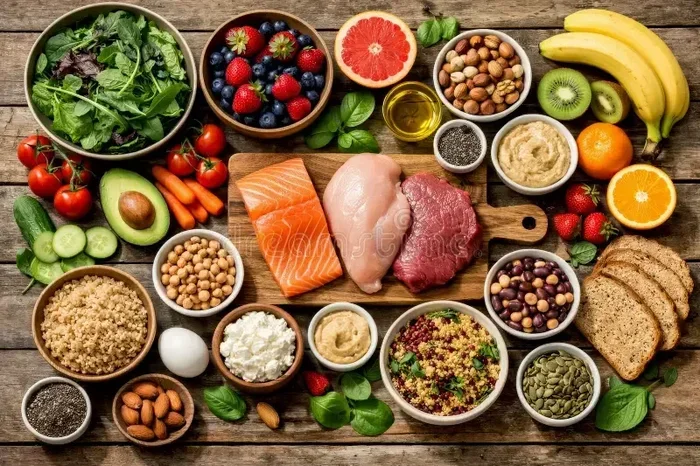
People who succeed in eating healthily often exhibit these 7 behaviors that create lasting change without extreme diets. You will discover practical habits like mindful planning, balanced nutrition, and positive self-talk. These strategies focus on consistency over perfection. Start applying these simple steps to transform your relationship with food.
Eating well does not require strict rules or endless willpower. It starts with small daily choices that build over time. Many people struggle because they focus on what they cannot have. The truth is simpler. People who succeed in eating healthily often exhibit these 7 behaviors that make wellness feel natural and sustainable. You do not need a perfect diet. You just need a clear path.
This guide breaks down those habits into simple steps. You will learn how to plan meals without stress. You will discover how to read your body signals. You will see why mindset matters just as much as food choices. Each behavior works together to create a lifestyle that sticks. Let us dive into the habits that truly make a difference.
Key Takeaways
- Plan Ahead: Successful eaters prepare meals and snacks in advance to avoid impulsive choices.
- Listen to Hunger Cues: They eat when hungry and stop when full, trusting their body signals.
- Focus on Addition: Instead of restricting foods, they add more vegetables, fruits, and whole grains.
- Stay Hydrated: Drinking water regularly supports metabolism and reduces false hunger signals.
- Practice Mindful Eating: They slow down, savor flavors, and avoid distractions during meals.
- Embrace Flexibility: They allow occasional treats without guilt, maintaining a balanced mindset.
- Build Support Systems: They surround themselves with encouraging people and healthy environments.
📑 Table of Contents
- 1. They Plan Meals Without Overcomplicating It
- 2. They Listen to Their Body Signals
- 3. They Focus on Adding Good Foods First
- 4. They Stay Hydrated Throughout the Day
- 5. They Practice Mindful Eating Daily
- 6. They Allow Flexibility Without Guilt
- 7. They Build Supportive Environments and Routines
- Putting It All Together
1. They Plan Meals Without Overcomplicating It
Successful eaters know that spontaneity often leads to poor choices. They do not spend hours in the kitchen every day. Instead, they keep a simple routine. They pick a few favorite recipes. They shop with a short list. They prep basic ingredients on weekends. This approach removes decision fatigue and keeps healthy options within reach.
Keep a Flexible Meal Framework
You do not need a rigid schedule. Think in terms of templates. Breakfast can be oatmeal with fruit or eggs with toast. Lunch might be a grain bowl or a simple sandwich. Dinner could be protein, vegetables, and a starch. When you have a framework, you spend less time wondering what to eat. You just fill in the blanks with what you enjoy.
Prep Smart, Not Perfect
Batch cooking sounds great until it becomes a chore. Start small. Wash and chop vegetables for the week. Cook a pot of grains. Portion out snacks into containers. These tiny steps save time later. You will grab an apple and nuts instead of reaching for chips when hunger hits. People who succeed in eating healthily often exhibit these 7 behaviors because they make the right choice the easy choice.
Quick Tip
Pick three go-to meals you can make in under twenty minutes. Keep the ingredients stocked. Rotate them when life gets busy.
2. They Listen to Their Body Signals
Hunger and fullness are natural guides. Many people ignore them because of busy schedules or emotional habits. Successful eaters pause and check in. They ask themselves if they are truly hungry or just bored, stressed, or tired. They eat when their body needs fuel. They stop when they feel satisfied, not stuffed.
Recognize True Hunger
Real hunger builds gradually. It comes with physical signs like a growling stomach or low energy. Emotional cravings often hit suddenly. They target specific foods and feel urgent. When you slow down, you can tell the difference. Drink a glass of water first. Wait ten minutes. If the feeling stays, it is likely hunger. If it fades, it was probably a passing urge.
Stop at Comfortable Fullness
You do not need to finish every plate. Your body does not keep score. Eat slowly. Put your fork down between bites. Notice how your stomach feels. When you reach a comfortable level, save the rest for later. This habit prevents overeating and keeps your energy steady throughout the day.
Common Mistake
Skipping meals to save calories often backfires. It leads to intense hunger later and makes mindful choices much harder.
3. They Focus on Adding Good Foods First
Restriction creates resistance. When you tell yourself you cannot have something, you want it more. Successful eaters flip the script. They think about what they can add. More vegetables. More fiber. More protein. More color. This mindset keeps meals satisfying and nourishing without feeling deprived.
Build Balanced Plates
A simple formula works well. Fill half your plate with vegetables or fruit. Add a quarter of lean protein. Add a quarter of whole grains or starchy vegetables. Include a small amount of healthy fat. This balance gives you energy, keeps you full, and supports long-term health. You can adjust portions based on your activity level and goals.
Upgrade Your Favorites
You do not have to give up the foods you love. Make small swaps. Add spinach to pasta. Mix beans into tacos. Top pizza with extra vegetables. Use Greek yogurt instead of sour cream. These tweaks boost nutrition without changing the flavor you enjoy. Over time, your taste buds adapt and start craving lighter, fresher options.
4. They Stay Hydrated Throughout the Day
Water plays a huge role in how you feel and eat. Mild dehydration often mimics hunger. It can cause fatigue, headaches, and cravings. People who succeed in eating healthily often exhibit these 7 behaviors because they keep hydration simple and consistent. They do not wait until they are thirsty to drink.
Make Water Easy to Reach
Keep a bottle on your desk. Carry a reusable cup in your bag. Set a gentle reminder if you forget. Flavor water with lemon, cucumber, or mint if plain water feels boring. Herbal tea and sparkling water also count. The goal is steady intake, not chugging gallons at once.
Pair Fluids with Meals
Drinking water with meals aids digestion and helps you pace yourself. It also adds volume to your eating experience, which can increase satisfaction. Just avoid heavy sugary drinks that spike energy and crash it later. Simple hydration supports every other healthy habit you are building.
Expert Insight
Consistent hydration improves focus and reduces false hunger signals. Small sips throughout the day work better than large amounts at once.
5. They Practice Mindful Eating Daily
Eating quickly while scrolling or working disconnects you from your meal. Successful eaters slow down. They sit at a table. They turn off screens. They notice colors, aromas, and textures. This simple shift changes how much you eat and how satisfied you feel afterward.
Engage Your Senses
Before you take a bite, look at your food. Smell it. Take a small bite and chew thoroughly. Notice the flavors as they change. This process signals your brain that you are eating, which improves digestion and satisfaction. You will naturally eat less when you truly taste your food.
Create a Calm Eating Environment
You do not need a perfect quiet room. Even a few minutes of focus helps. Put your phone away. Step away from your desk. If you eat with others, keep the conversation light and enjoyable. Mindful eating is not about perfection. It is about presence. People who succeed in eating healthily often exhibit these 7 behaviors because they treat meals as a moment to reset, not just a task to finish.
6. They Allow Flexibility Without Guilt
Strict rules break under pressure. Life brings birthdays, travel, stress, and unexpected changes. Successful eaters expect these moments. They plan for them. They enjoy a treat when it matters. They return to their routine afterward without shame. This flexibility keeps their habits intact for the long run.
Use the 80/20 Mindset
You do not need every meal to be perfect. Aim for nourishing choices most of the time. Leave room for foods you love. This balance prevents burnout and bingeing. When you allow yourself freedom, you stop fighting your diet and start living your life.
Reset Gently After Off Days
One heavy meal does not ruin your progress. Your body handles variation well. The next meal is a fresh start. Drink water. Eat a vegetable. Move your body. Keep going. Guilt only adds stress, and stress often leads to more emotional eating. Kindness works better every time.
Quick Tip
If you overeat at one meal, simply return to your normal pattern at the next. No punishment needed.
7. They Build Supportive Environments and Routines
Willpower fades. Environment stays. Successful eaters shape their surroundings to make healthy choices automatic. They keep fruit on the counter. They store snacks in opaque containers. They follow a regular sleep schedule. They manage stress with walks, breathing, or hobbies. These habits reduce the need for constant self-control.
Design Your Space for Success
Make healthy food visible and easy to grab. Put less nutritious options out of immediate sight. Keep a bowl of washed fruit on the table. Pre-cut vegetables at eye level in the fridge. When you are tired, you will reach for what you see first. Small changes in your kitchen create big changes in your habits.
Protect Sleep and Manage Stress
Poor sleep disrupts hunger hormones. It increases cravings for sugar and refined carbs. Stress does the same. People who succeed in eating healthily often exhibit these 7 behaviors because they care for their whole life, not just their plate. Aim for consistent bedtimes. Take short breaks during the day. Move your body in ways you enjoy. These foundations make healthy eating feel much easier.
Common Mistake
Relying only on motivation instead of building routines. Motivation fluctuates, but systems keep you moving forward.
Putting It All Together
You do not need to master every habit at once. Pick one behavior that feels realistic. Practice it for a week. Notice how it affects your energy and mood. Then add another. Small wins build confidence. Confidence builds consistency. Over time, these behaviors become your new normal.
Remember that progress is not linear. Some days will feel effortless. Other days will feel messy. That is normal. What matters is your overall pattern. People who succeed in eating healthily often exhibit these 7 behaviors because they focus on steady habits, not short-term perfection. You can do the same. Start simple. Stay kind to yourself. Keep showing up.
Your relationship with food can feel peaceful and empowering. It starts with the next choice you make. Choose one small step today. Your future self will thank you.
Frequently Asked Questions
How long does it take to build healthy eating habits?
Most people notice small changes within two to four weeks of consistent practice. Deeper habits usually solidify over two to three months as they become automatic.
Can I still eat my favorite foods and be healthy?
Yes. Balance matters more than elimination. Enjoy your favorite treats in reasonable portions while keeping most meals nourishing and satisfying.
What if I keep falling back into old patterns?
Expect setbacks and plan for them. Identify your triggers, adjust your environment, and return to your routine at the next meal without guilt.
Do I need to count calories to eat healthily?
No. Many people do better by focusing on food quality, portion awareness, and hunger cues. Counting can help some people temporarily, but it is not required for everyone.
How do I handle cravings without derailing my progress?
Pause and check if you are hungry, stressed, or bored. Drink water, eat a balanced snack, or distract yourself for ten minutes. If you still want the food, enjoy a small portion mindfully.
What is the easiest first step for a beginner?
Start by adding one vegetable or fruit to each meal. This simple shift improves nutrition and naturally crowds out less nourishing options over time.
