
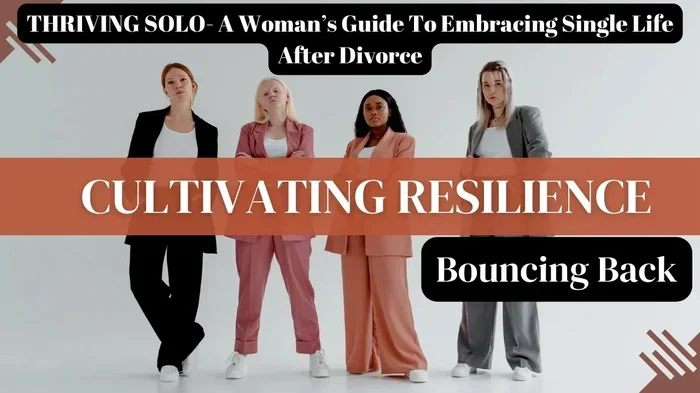
People who embrace life after divorce often share specific personality traits that help them heal and grow. These individuals tend to be resilient, self-aware, and open to change. If you are navigating separation, understanding these traits can inspire your own journey. You can build a fulfilling life by focusing on emotional strength and personal growth.
This is a comprehensive guide about People Who Embrace Life After Divorce Tend To Have These Personality Traits.
Key Takeaways
- Resilience matters: Bouncing back from emotional pain is a key trait of those who thrive after divorce.
- Self-awareness drives healing: Understanding your emotions and triggers helps you move forward with clarity.
- Optimism fuels growth: A positive outlook allows you to see new opportunities instead of just loss.
- Boundaries protect peace: Setting healthy limits with ex-partners and others supports your emotional well-being.
- Adaptability eases transition: Being flexible helps you adjust to new routines, finances, and living situations.
- Support systems sustain you: Leaning on friends, family, or therapy strengthens your path to recovery.
- Personal growth is possible: Divorce can become a catalyst for rediscovering your identity and passions.
[FEATURED_IMAGE_PLACEHOLDER]
Understanding the Personality Traits of People Who Embrace Life After Divorce
Divorce changes everything. It shakes your daily routine. It alters your future plans. It even affects how you see yourself. Yet some people do not just survive this shift. They truly embrace life after divorce. They find joy again. They build new goals. They feel lighter and more free.
What makes this possible? It is not just luck. It is often a set of personality traits that guide their healing. These traits help them process pain without getting stuck. They help them stay open to new experiences. They help them treat themselves with kindness. If you are going through a separation, you can learn from these patterns. You do not need to be perfect. You just need to grow step by step.
This article explores the common personality traits seen in people who embrace life after divorce. You will see how resilience, self-awareness, and optimism play a role. You will also find simple ways to build these qualities in your own life. Let us walk through this together.
Resilience and the Power to Bounce Back
Resilience is one of the strongest personality traits in people who embrace life after divorce. Resilience does not mean you never feel sad. It means you feel the pain and keep moving. You do not let one hard chapter define your whole story. You treat setbacks as temporary. You believe you can recover.
How Resilience Shows Up Daily
Resilient people take small steps. They do not try to fix everything at once. They focus on what they can control today. For example, they might cook a simple meal instead of worrying about next month. They might take a short walk to clear their mind. These small actions build momentum. Over time, momentum creates confidence.
Building Your Resilience Muscle
You can grow resilience with practice. Start by naming your feelings. Say, “I feel hurt today.” Then add, “And I will still take one good step.” This simple habit keeps you honest and active. You can also look at past challenges you survived. Remind yourself that you have gotten through hard times before. That memory can steady you now.
If you want more guidance on staying steady during personal challenges, you may find helpful ideas in our piece on how to stay healthy and positive in personal challenges. It shares practical ways to keep your energy up when life feels heavy.
Self-Awareness and Emotional Clarity
Self-awareness is another key trait. People who embrace life after divorce usually know their emotions well. They can tell the difference between anger, grief, and fear. This clarity helps them respond instead of react. They do not dump all their feelings on others. They process pain in healthy ways.
Why Emotional Clarity Matters
When you understand your emotions, you make better choices. You know when you need rest. You know when you need to talk to a friend. You know when a thought is just a thought, not a fact. This skill protects your mental health. It also helps you avoid repeating old patterns in future relationships.
Simple Ways to Grow Self-Awareness
Try journaling for five minutes each day. Write what you feel and why. Ask yourself what you need right now. You can also notice your body. Tight shoulders may signal stress. A calm breath may signal relief. These small checks build a stronger connection with yourself.
If you want to understand how your inner energy affects your mood, our article on what does energy have to do with mental health offers a clear look at this connection.
Optimism and a Growth Mindset
Optimism is not about pretending everything is fine. It is about believing good things can still happen. People who embrace life after divorce often hold a growth mindset. They see divorce as a painful event, but also as a chance to learn. They ask, “What can I do differently now?” instead of “Why did this happen to me?”
Reframing the Story
A growth mindset helps you rewrite your inner story. You can shift from “My marriage failed” to “I am learning what I need.” You can move from “I am alone” to “I am building a new chapter.” These small language changes matter. They shape how you feel each day.
Practicing Realistic Hope
Realistic hope balances honesty and positivity. You acknowledge the pain. You also notice the possibilities. Maybe you now have more time for a hobby. Maybe you can set your own schedule. Maybe you can build a home that feels calm. Look for these small openings. They add up.
If you are trying to figure out your next steps, you might enjoy our guide on how to figure out what to do with your life. It can help you find direction after a major change.
Healthy Boundaries and Self-Respect
People who thrive after divorce usually protect their peace. They set healthy boundaries with their ex, their family, and even their friends. Boundaries are not punishments. They are clear rules that keep your energy safe. They help you avoid drama and constant stress.
What Boundaries Can Look Like
A boundary might be simple. You may decide to text only about logistics. You may choose not to answer calls late at night. You may limit conversations about the past. These choices reduce friction. They also teach others how to treat you. Over time, boundaries create a calmer space for healing.
Speaking Up for Yourself
Setting boundaries can feel hard at first. Many people struggle to speak up for themselves. If that sounds familiar, you are not alone. Our article on why is it so hard to speak up for myself explains common reasons and offers gentle ways to build confidence.
Remember, boundaries are a form of self-respect. They show that your needs matter. They also make it easier to focus on your own life instead of old conflicts.
Adaptability and Openness to Change
Divorce brings many changes. You may move to a new place. You may adjust your budget. You may change your daily routine. People who embrace life after divorce tend to be adaptable. They do not fight every shift. They learn to flow with it. This does not mean they like every change. It means they keep going anyway.
Why Flexibility Helps Healing
Flexibility lowers stress. When you expect some uncertainty, you feel less shocked by it. You can plan, but you also leave room for adjustments. This balance helps you stay steady. It also makes it easier to try new things, like a different commute, a new hobby, or a fresh social circle.
Making Change Feel Manageable
Break big changes into small tasks. If you are moving, pack one box at a time. If you are budgeting, track one week of spending first. Small wins build trust in yourself. They also make the process less overwhelming. You do not need to master everything in one day.
Support Systems and Connection
No one heals in total isolation. People who embrace life after divorce usually build a strong support system. This may include friends, family, a therapist, or a support group. These connections provide comfort, honesty, and perspective. They remind you that you are not alone.
Choosing the Right Support
Not every person is the best support at every moment. Some friends lift you up. Some may drain you. Pay attention to how you feel after you talk to someone. Do you feel heard? Do you feel calmer? Choose people who respect your journey. It is also okay to limit time with those who add stress.
When to Seek Extra Help
Sometimes the pain feels too heavy to carry alone. If you notice long-lasting sadness, sleep problems, or trouble functioning, professional help can make a real difference. If a loved one is struggling and refuses help, you may want to read how to get someone mental help when they refuse for practical approaches. Getting support is a sign of strength, not weakness.
Letting Go of the Past and Honoring Your Path
People who embrace life after divorce learn to release what cannot be changed. They do not erase the past. They simply stop letting it run their present. They focus on what they can build now. This shift brings a sense of freedom. It also creates room for new joy.
Finding Peace With Yourself
Letting go often starts with self-compassion. You forgive yourself for mistakes. You accept that the marriage ended. You allow yourself to grieve without guilt. Over time, this kindness brings inner calm. If you want to understand what that calm feels like, our article on how it feels to finally have peace with yourself describes this journey in a relatable way.
Living With Purpose After Separation
Many people find new purpose after divorce. They reconnect with old interests. They set health goals. They spend more time with supportive people. Some even choose to honor the dead by living your best life as a way to remember loved ones while moving forward. Your path does not have to look like anyone else’s. It just has to feel true to you.
Common Mistakes to Avoid
Even strong people can slip into unhelpful habits during divorce. Here are a few common mistakes and how to avoid them.
- Rushing into a new relationship: Healing takes time. A new partner cannot fix old pain right away.
- Ignoring your feelings: Bottling up grief often makes it louder later. Name your emotions and process them.
- Isolating yourself: Withdrawal can deepen loneliness. Stay connected to safe, supportive people.
- Blaming yourself entirely: Relationships involve two people. Avoid carrying all the guilt alone.
- Comparing your journey to others: Everyone heals at a different pace. Your timeline is valid.
Expert Insights on Post-Divorce Growth
Experts often note that people who thrive after divorce share a few habits. They practice self-care. They stay consistent with small routines. They seek help when needed. They also allow themselves to feel both sadness and hope at the same time. This balanced approach supports long-term healing.
Many therapists also highlight the value of reflection. Ask yourself what you learned from the marriage. Ask what you want to keep and what you want to release. These questions help you grow without getting stuck in regret. Growth is not about being flawless. It is about becoming more honest with yourself.
Quick Tips for Embracing Life After Divorce
- Start your day with one small win, like making your bed or stretching for five minutes.
- Write down three things you are grateful for, even if they are tiny.
- Limit contact with people who drain your energy.
- Keep a simple routine for sleep, meals, and movement.
- Celebrate progress, not perfection.
- Talk to a trusted friend or counselor when the weight feels heavy.
Conclusion
Divorce is a major life change, but it does not have to mark the end of your happiness. The personality traits of people who embrace life after divorce show us that healing is possible. Resilience helps you bounce back. Self-awareness helps you understand your emotions. Optimism helps you see new possibilities. Boundaries protect your peace. Adaptability helps you adjust. Support systems keep you grounded. Together, these traits create a strong foundation for a new chapter.
You do not need to develop every trait overnight. Pick one small habit and start there. Be patient with yourself. Healing is a process, not a race. Over time, you can build a life that feels honest, calm, and full of promise. Your story is still being written, and the next page can be a good one.
What personality traits help people embrace life after divorce?
People who embrace life after divorce often show resilience, self-awareness, optimism, and adaptability. They also tend to set healthy boundaries and build strong support systems. These traits help them process pain and stay open to new opportunities.
Can someone develop these personality traits after divorce?
Yes, these traits can grow with practice. You can build resilience by taking small daily steps. You can improve self-awareness through journaling or reflection. You can also learn to set boundaries and ask for support when needed.
How long does it take to feel better after divorce?
Healing time varies from person to person. Some people feel better in months, while others need longer. The timeline depends on your support, your coping habits, and the complexity of the separation. Be patient with your own pace.
Is it normal to still feel sad even when life is improving?
Yes, it is completely normal. Healing is not a straight line. You can have good days and hard days at the same time. Feeling sadness does not mean you are failing. It means you are human and processing a major loss.
What are common mistakes people make after divorce?
Common mistakes include rushing into a new relationship, isolating yourself, and ignoring your emotions. Some people also blame themselves too much or compare their progress to others. Avoiding these traps can make healing smoother.
How can I build a fresh start after a difficult separation?
Start by creating small, stable routines. Focus on basic self-care like sleep, food, and movement. Lean on trusted friends or a therapist. You can also use a restart your life after a terrible breakdown approach to reset your habits and mindset step by step.
Frequently Asked Questions
What is People Who Embrace Life After Divorce Tend To Have These Personality Traits?
People Who Embrace Life After Divorce Tend To Have These Personality Traits is an important topic with many practical applications.
