
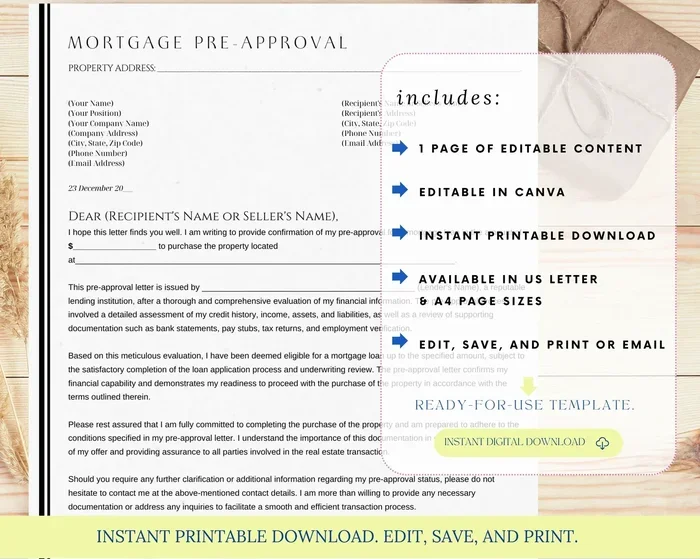
Getting a pre approval letter is a great first step, but it does not guarantee final funding. The odds of getting a mortgage depend on your financial stability during the underwriting process. Keep your credit score high and avoid new debt to improve your chances of closing successfully.
Buying a home is one of the biggest financial steps you will ever take in your life. It feels exciting to get that pre approval letter in your hand. You might think the hard work is done at this point. However, many buyers wonder about the odds of getting a mortgage after this stage. It is a valid concern because the process has several steps left to go.
A pre approval shows sellers you are serious about buying. It tells them a lender has checked your basic financial health. But the final loan approval depends on many other factors. You must maintain your financial status until the very end. This article explains what happens next and how to protect your loan application.
Key Takeaways
- Pre approval is not final: It is an initial assessment, not a guaranteed loan commitment from the lender.
- Financial changes matter: Avoid making large purchases or changing jobs before closing day arrives.
- Credit score impact: Your credit score must remain stable throughout the entire application process.
- Underwriting is key: The final decision rests with the underwriting team who verify all your documents carefully.
- Debt to income ratio: Keep your debt to income ratio low to show you can handle monthly payments easily.
- Appraisal requirements: The home must meet property value standards for the loan to proceed without issues.
- Communication helps: Stay in touch with your loan officer to answer questions quickly and keep things moving.
📑 Table of Contents
Understanding the Pre Approval Process
Many people confuse pre qualification with pre approval. These terms sound similar but mean different things in the lending world. Pre qualification is a rough estimate based on what you tell the lender. Pre approval is more serious because the lender checks your documents. They look at your income and your credit history closely.
This step gives you a price range for house hunting. It helps you focus on homes you can actually afford. But it is not a final commitment to lend money. The lender still needs to verify everything again later. They do this during the full underwriting process. Understanding this distinction helps manage your expectations about mortgage approval.
What Lenders Check Initially
During pre approval, the lender looks at your credit report. They check your employment status and income sources. They calculate your debt to income ratio to see if you qualify. This ratio compares your monthly debt payments to your gross income. A lower ratio is better for your chances of success.
They also verify your assets for the down payment. You need to show bank statements for this step. All these checks help them decide if you are a good candidate. But they still need to verify the property itself. The home must meet certain standards for the loan to go through.
Factors That Influence Final Approval
Several things can change your odds of getting a mortgage after pre approval. The most common issue is a change in your financial situation. Lenders want to see stability from the start to the finish. Any big changes can raise red flags for the underwriter. You must be careful about what you do during this time.
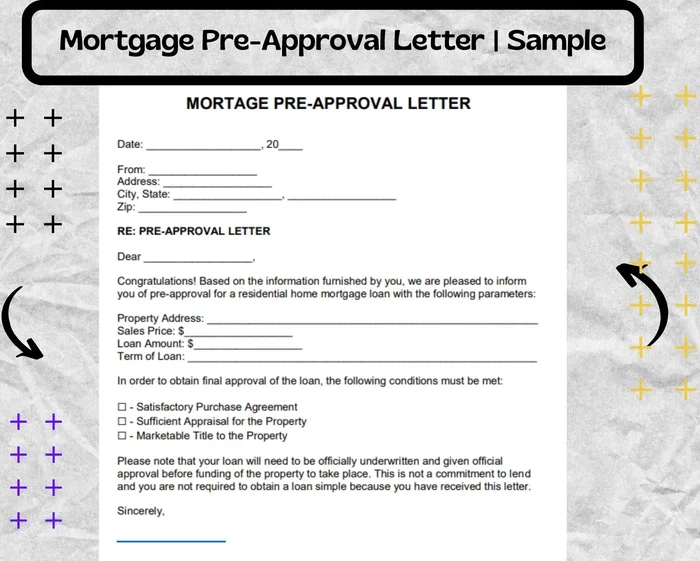
Visual guide about mortgage pre approval paperwork
Image source: i.etsystatic.com
Your credit score is another major factor to watch. If your score drops significantly, it can hurt your application. The lender will check your credit again before closing. They want to make sure you did not take on new debt. Keeping your credit utilization low is very important here.
Employment Stability
Lenders love to see steady employment history. If you change jobs during the process, it can cause delays. Sometimes it can even stop the loan from happening. Try to stay in the same role until after you close. If you must change jobs, talk to your loan officer first.
Self employed borrowers face different scrutiny here. They need to show consistent income over time. Tax returns are reviewed very carefully by the underwriter. Any drop in income can be a problem for approval. Keep your business finances stable during this period.
Debt to Income Ratio Changes
Your debt to income ratio must stay within limits. If you buy a car or get new credit cards, this ratio goes up. This might push you over the limit for the loan. Lenders usually want this ratio below forty three percent. Some programs allow higher ratios but it is risky.
Paying off debt can help your ratio improve. But do not move large sums of money around. Lenders need to trace where all your money comes from. Large deposits without a clear source can be a red flag. Keep your finances simple and transparent for the lender.
Common Reasons for Denial After Pre Approval
Even with a pre approval letter, denials can happen. It is important to know the common pitfalls to avoid. One major reason is a drop in property value. The appraisal might come in lower than the purchase price. This can affect the loan amount the bank is willing to give.
Another reason is issues found during the home inspection. The lender wants the home to be a good investment. Major structural problems can stop the loan process. You might need to fix these issues before closing. This can be stressful if you are not prepared for it.
Credit Score Drops
Your credit score can drop for many reasons. Missing a payment on any bill is a big mistake. Even small bills like utilities can affect your score. High credit card balances can also lower your score quickly. You must pay all bills on time during this process.
Do not open new credit accounts for anything. This includes furniture or appliances for the new home. Wait until after the loan closes to make these purchases. A new hard inquiry can also lower your score slightly. Multiple inquiries look bad to the underwriting team.
Appraisal Issues
The property value must support the loan amount. If the house appraises for less than you offered, there is a gap. You might need to cover the difference with cash. Sometimes the deal falls through if you cannot cover the gap. This is why market conditions matter for your mortgage approval.
The home must also meet safety standards. Peeling paint or broken windows can be issues. The appraiser looks for these things during their visit. Fixing these problems might be a condition for the loan. Work with your seller to address these items quickly.
How to Improve Your Odds
You can take steps to protect your loan application. The first step is to maintain your current lifestyle. Do not make any major financial changes if you can help it. Save your money for the closing costs and down payment. Keep your bank accounts steady and predictable.
Communication with your lender is also very key. Answer their requests for documents as fast as you can. Delays in paperwork can slow down the whole process. Sometimes delays cause rates to change or offers to fail. Being responsive shows you are a serious buyer.
Avoid New Debt
Avoid taking on any new debt before closing. This means no new car loans or credit card lines. Even co signing a loan for someone else is risky. It affects your debt to income ratio and your credit score. Wait until you have the keys in your hand.
Pay down existing credit card balances if you can. This lowers your credit utilization and helps your score. It also improves your debt to income calculation. Small improvements here can make a big difference. Your loan officer can tell you what helps most.
Keep Financial Documents Ready
Gather all your financial documents early in the process. You will need tax returns and pay stubs again. Bank statements for the last few months are also required. Having these ready speeds up the underwriting process. It shows you are organized and reliable.
Explain any unusual items in your bank statements. Large deposits need a paper trail to be verified. Gift letters are needed if family helps with the down payment. Being honest about your finances builds trust with the lender. This trust is crucial for final mortgage approval.
The Underwriting Final Check
The underwriting team does the final review of your file. They look at every detail of your financial life. They verify your income and assets one more time. They also check the property details and the appraisal. This is the last hurdle before you get clear to close.
They might ask for more explanations or documents. This is called a conditional approval sometimes. You must meet these conditions to get the final loan. Do not ignore these requests from the underwriter. Fulfilling them quickly keeps the process moving forward.
Conditional Approval
A conditional approval means you are close to the finish line. But there are still a few things to fix. It might be a letter of explanation for a deposit. Or it might be proof of homeowners insurance. These conditions are usually easy to meet if you are prepared.
Read the conditions carefully and act on them fast. Delays here can cost you the home you want. The market moves quickly and other buyers are waiting. Your credit history and financial stability are under final review. Pass this check and you are almost done.
What Happens at Closing
Closing is the final step in the home buying journey. You will sign many documents to finalize the loan. The funds are transferred to the seller at this time. You get the keys to your new home after this. It is a day of celebration for most buyers.
Do a final walk through before you sign. Make sure the home is in the agreed condition. Check that all repairs were made if promised. This protects you before you take ownership. Once you sign, the odds of getting a mortgage are fully realized.
Final Verification
The lender does one last check before funding. They verify your employment status one more time. They might check your credit score again too. This is to ensure nothing changed since the last check. It is a standard part of the mortgage process.
Be ready to answer the phone if they call. They might need verbal verification of your job. Keep your phone on and check your email often. This final verification is the last gate to pass. Once cleared, the loan funds and you close the deal.
Expert Insights on Mortgage Approval
Experts suggest treating the pre approval as a snapshot in time. Your financial picture must look the same at closing. Any deviation can cause problems for your loan application. Patience is key during the waiting periods. Do not make assumptions about what is safe to do.
Ask your loan officer for a list of do nots. Every lender has specific rules for their borrowers. Following their advice increases your odds of getting a mortgage. They want you to succeed just as much as you do. Work as a team to get across the finish line.
Common Mistakes to Avoid
One common mistake is buying furniture too early. People get excited and spend money before closing. This can change your cash reserves and debt levels. Wait until after the loan funds to spend big. It is not worth the risk of losing the home.
Another mistake is ignoring emails from the lender. Missing a deadline for documents can delay closing. Sometimes delays cause the rate lock to expire. This costs you money in the long run. Stay on top of all communications from your team.
Key Takeaways for Success
To sum it up, pre approval is just the beginning. You must maintain your financial health until closing. Avoid new debt and keep your job stable. Monitor your credit score regularly during this time. Work closely with your loan officer for guidance.
The odds of getting a mortgage are good if you stay careful. Most denials happen due to preventable errors by buyers. Do not make big changes without asking first. Keep your documents organized and ready to go. Follow these steps and you will likely close successfully.
Homeownership is a rewarding goal for many people. The process can be stressful but it is manageable. Knowing what to expect helps reduce the anxiety. You now know how to protect your mortgage approval. Go forward with confidence and buy your dream home.
Frequently Asked Questions
Does pre approval guarantee a mortgage loan?
No, pre approval is not a final guarantee of funding. It is an initial assessment based on your current financial data. Final approval depends on underwriting and property appraisal results.
Can my credit score drop after pre approval?
Yes, your credit score can drop if you miss payments or open new accounts. Lenders check your credit again before closing the loan. Keep your credit habits stable to avoid issues.
What happens if the home appraisal is low?
If the property value is lower than the price, you may need more cash. The lender will only lend based on the appraised value. You can negotiate with the seller or walk away.
Should I change jobs during the mortgage process?
It is best to avoid changing jobs until after closing. Lenders prefer stable employment history for mortgage approval. If you must change, tell your loan officer immediately.
How long does final approval take after pre approval?
Final approval typically takes a few weeks depending on the market. Underwriting and appraisal schedules affect the timeline. Stay responsive to keep the process moving quickly.
What debts should I avoid before closing?
Avoid car loans, credit cards, and large purchases before closing. These change your debt to income ratio and cash reserves. Wait until you have the keys to spend big money.