
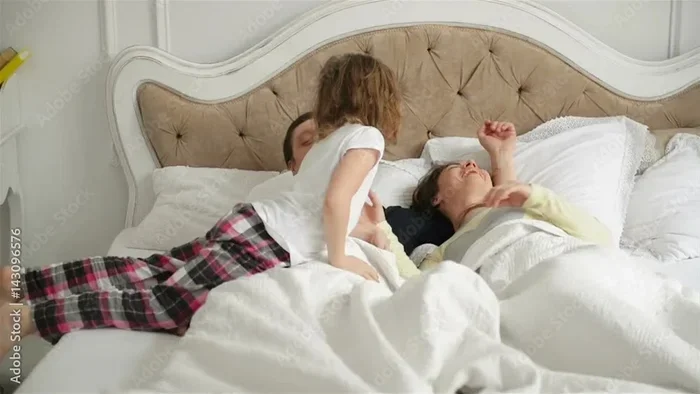
Discovering your toddler in the middle of a private moment can feel shocking, but it is completely normal and manageable. When my 3 year old walked in when we were making out, the best response is a calm explanation, a quick redirect, and a return to connection once privacy is restored. You can turn this surprise into a gentle teaching opportunity about boundaries, body safety, and healthy affection without shame or panic.
Key Takeaways
- Stay calm first: Your reaction sets the tone, so take a breath and keep your voice gentle.
- Keep it simple: Explain in age-appropriate words that grown-ups sometimes show love in private.
- Reassure your child: Make sure they know they did nothing wrong and you are not upset with them.
- Set gentle boundaries: Teach that some activities happen behind closed doors, and that is okay.
- Redirect with care: Offer a quiet activity or a hug to shift attention without making it a big event.
- Normalize healthy affection: Use the moment to model respect, consent, and kindness in relationships.
- Protect your connection: Return to intimacy later, when you have privacy, to keep your relationship strong.
📑 Table of Contents
- My 3 Year Old Walked In When We Were Making Out What To Do Now
- Why This Happens And Why It Feels So Awkward
- What To Say In The Moment When My 3 Year Old Walked In When We Were Making Out
- How To Set Gentle Boundaries Without Shame
- Reassuring Your Child After The Surprise
- Turning An Awkward Moment Into A Healthy Lesson
- Getting Back To Connection And Privacy Later
- Quick Tips For Handling Surprise Doorway Moments
- Common Mistakes To Avoid
- Expert Insights For Parents
- Key Takeaways For This Moment
- When To Seek Extra Support
- Bringing It All Together
My 3 Year Old Walked In When We Were Making Out What To Do Now
Finding your toddler standing in the doorway during a private moment can stop you both in your tracks. It feels sudden, awkward, and a little embarrassing. Still, this is a common parenting moment, and it does not mean you did anything wrong. The good news is that a calm, simple response can turn a surprise into a healthy lesson.
First, take a breath. Your child is not thinking about romance or intimacy the way adults do. They are curious, tired, seeking comfort, or simply following a routine. A toddler who walks in on a private moment is usually just looking for you. That is why a gentle reply matters more than a perfect one.
This article will walk you through what to say, how to react, and how to protect both your child’s emotional safety and your relationship. You will learn how to set boundaries without shame, how to reassure your little one, and how to return to connection when the door is closed again.
Why This Happens And Why It Feels So Awkward
Toddlers are naturally curious. They follow sounds, footsteps, and familiar routines. If they hear laughter, movement, or a change in the house, they may wander in to check on you. At three years old, children are also still learning about privacy, personal space, and the difference between public and private moments.
The awkward feeling is normal. Many adults grow up with the idea that intimacy should be hidden, so a child walking in can trigger embarrassment or guilt. But children do not interpret these moments the way adults do. They usually do not understand what they saw. They simply notice that something different was happening.
It helps to remember that this is not a crisis. It is a teachable moment. You can respond with calm clarity instead of panic. That approach protects your child from confusion and helps you feel more confident as a parent.
Curiosity Is Normal At This Age
Three-year-olds ask lots of questions and explore everything. They want to know where people are and what is happening. A closed door may feel like an invitation rather than a boundary. That is why it helps to keep your response simple and steady.
Your Reaction Shapes The Moment
Children watch how adults handle surprise. If you stay calm, they learn that unexpected moments are manageable. If you react with shock or anger, they may feel guilty or anxious. A soft voice and a quick redirect usually work best.
Privacy Is A Learned Concept
Young children do not automatically understand that some activities are private. They learn this over time through gentle repetition. You can use this moment to begin teaching that some things happen behind closed doors, and that is healthy and normal.
What To Say In The Moment When My 3 Year Old Walked In When We Were Making Out
The best first response is short, calm, and kind. You do not need a long explanation right away. You just need to lower the tension and guide your child toward a safe next step.
Try a simple line such as, “We were having a quiet grown-up moment. Let’s close the door and find your book.” This acknowledges the situation without oversharing. It also gives your child a clear action to follow.
If your child asks a question, answer honestly but briefly. For example, you can say, “Grown-ups sometimes show love in private. Now we are done, and I am here.” Then move on. Long explanations can confuse a toddler and make the moment feel heavier than it is.
Keep Your Voice Soft And Calm
A gentle tone helps your child feel safe. It also keeps the situation from becoming dramatic. You are modeling how to handle surprise with grace.
Answer Only What They Ask
Toddlers often ask one simple question and then move on. Give them a clear, short answer. You do not need to explain more than they are ready to understand.
Avoid Shame Or Scolding
This is not a behavior problem. Your child did not mean to cause trouble. Scolding can create unnecessary worry. Reassurance works better than correction here.
How To Set Gentle Boundaries Without Shame
Boundaries are part of healthy family life. You can teach privacy without making your child feel bad. The goal is to show that some spaces and some moments are meant for adults only, while love and safety are always present.
You might say, “Doors are for privacy. When the door is closed, please knock or wait.” This is a simple rule that a three-year-old can begin to learn. Repeat it calmly over time, not just in this one moment.
It also helps to create predictable routines. If your child knows when they can expect your attention, they may feel less need to wander in. Regular check-ins, story time, and cuddles can reduce those surprise appearances.
Use Clear, Simple Rules
Short rules are easier for toddlers to remember. “Knock before entering” and “Closed door means wait” are good examples. Keep the language consistent.
Repeat The Lesson Over Time
One conversation will not teach privacy forever. That is okay. Children learn through repetition. Gentle reminders during everyday moments work well.
Make Privacy Normal, Not Secretive
You do not need to treat intimacy like a forbidden topic. You can frame it as a private grown-up activity. That balance helps your child respect boundaries without feeling that love is shameful.
Reassuring Your Child After The Surprise
After the initial moment passes, reassurance matters. Your child may wonder if they did something wrong or if you are upset. Clear reassurance helps them settle back into the day.
You can say, “You did nothing wrong. I am not mad. Sometimes grown-ups need private time, and now we are okay.” This removes blame and reduces anxiety. It also keeps your connection strong.
If your child seems clingy or worried, offer a small comfort. A hug, a drink of water, or a few minutes of quiet play can help them shift gears. Then return to your usual routine.
Watch For Confusion Or Worry
Some children may ask the same question more than once. That is normal. Keep your answers consistent and calm. Repetition usually means they are trying to make sense of the moment.
Keep The Connection Strong
A quick hug or a kind word can restore comfort. Your child needs to know that love is still steady. That sense of safety matters more than the awkwardness of the moment.
Let Them Move On
Once the situation is explained and the boundary is set, allow your child to return to play. Do not dwell on it. Moving on helps everyone reset.
Turning An Awkward Moment Into A Healthy Lesson
This surprise can become a useful lesson about respect, boundaries, and healthy affection. You do not need to turn it into a big talk. A few simple ideas can plant good seeds for the future.
You can explain that grown-ups show care in different ways, and some ways are private. You can also mention that kindness and respect matter in relationships. These ideas are easy for a three-year-old to start understanding in small pieces.
If you want, you can also use this moment to talk briefly about body safety and personal space. Simple language works best. For example, “Your body belongs to you, and other people’s bodies belong to them. We respect private spaces.”
Teach Respect For Spaces And People
Privacy is about spaces, but it also connects to respect for people. You can show that knocking, waiting, and asking permission are part of caring behavior.
Model Healthy Affection
Children learn from what they see. When they notice warm, respectful affection between adults, they absorb a healthy picture of relationships. You can keep that picture positive by responding calmly and kindly.
Keep The Conversation Age-Appropriate
Use small, clear ideas. Avoid detailed explanations that are not needed at this age. Simple truths are enough.
Getting Back To Connection And Privacy Later
After the door is closed again, it is okay to return to your relationship when the time is right. Parenting is full of interruptions, and that is part of life. You do not need to feel guilty about wanting private time.
Plan for privacy when possible. A closed door, a trusted routine, and a little timing can help. If you have a partner, you can also talk about creating small windows of connection during the day or after bedtime.
It is also helpful to keep perspective. One interrupted moment does not define your family life. You are still building a loving home, and that includes both parenting and partnership.
Choose Better Timing When You Can
If you know your child usually naps or plays independently at a certain time, that may be a better window for privacy. Planning reduces surprises.
Communicate With Your Partner
A quick check-in with your partner can help you both feel ready. You can agree on signals, timing, and how to handle interruptions together.
Give Yourself Grace
Parenting and intimacy can coexist, even when they overlap in messy ways. Grace helps you move forward without shame.
Quick Tips For Handling Surprise Doorway Moments
Quick Tips:
- Stay calm and keep your voice gentle.
- Use short, simple words to explain privacy.
- Reassure your child that they did nothing wrong.
- Redirect to a quiet activity or routine.
- Repeat boundary rules consistently over time.
- Plan private time when your child is occupied or asleep.
- Return to connection later without guilt.
Common Mistakes To Avoid
Common Mistakes:
- Overreacting with shock, anger, or embarrassment.
- Giving a long, confusing explanation to a toddler.
- Making your child feel guilty for being curious.
- Turning a simple moment into a big dramatic event.
- Ignoring the chance to teach gentle boundaries.
- Letting shame replace clarity in your response.
Expert Insights For Parents
Expert Insights:
- Children this age learn best through calm repetition, not one big conversation.
- Simple rules like knocking and waiting are easier to remember than abstract ideas.
- Reassurance reduces anxiety and helps children move on quickly.
- Healthy affection shown respectfully supports positive relationship models.
- Privacy is a normal part of family life, not a secret to hide.
Key Takeaways For This Moment
Key Takeaways:
- A calm response protects your child’s sense of safety.
- Short, simple explanations work better than long talks.
- Gentle boundaries teach privacy without shame.
- Reassurance helps your child feel secure after the surprise.
- Healthy affection and respectful boundaries can coexist.
- Planning for privacy makes future moments easier.
When To Seek Extra Support
Most of the time, this is just a surprising but ordinary parenting moment. Still, there are times when extra support can help. If your child becomes unusually anxious, starts having sleep trouble, or repeats the worry often, a calm follow-up conversation may help. If the worry continues, a pediatrician or child counselor can offer guidance.
It can also help to talk with your partner if these interruptions are causing stress in your relationship. A little teamwork goes a long way. You can agree on routines, signals, and timing so privacy feels more manageable.
Signs Your Child May Need Reassurance
Look for repeated questions, clinginess, or changes in behavior. These may simply mean your child needs more comfort and clarity. Often, a few calm conversations are enough.
When Relationship Stress Needs Attention
If interruptions are creating frustration or distance, talk openly with your partner. You can find practical ways to protect both your child’s needs and your connection.
Where To Get Help
A trusted pediatrician, family counselor, or parenting coach can offer personalized support. There is no shame in asking for help when you need it.
Bringing It All Together
When my 3 year old walked in when we were making out, the goal was not to create a perfect response. The goal was to stay calm, reassure my child, and protect both privacy and connection. That same approach can help you too.
A toddler’s curiosity is normal. A private moment interrupted is awkward, but not harmful. With a soft voice, a simple boundary, and a little reassurance, you can move through the surprise and return to your routine. Over time, these small moments teach your child about respect, safety, and healthy love.
You do not need to feel embarrassed. You are learning alongside your child, and that is part of parenting. With patience and consistency, you can handle this moment with confidence and care.
Frequently Asked Questions
What should I do first if my 3 year old walks in on us?
Stay calm, close the door gently, and use a soft voice. A short, simple reply works best, such as saying you were having a private grown-up moment and now you are done.
Should I explain what was happening in detail?
No, keep it brief and age-appropriate. A three-year-old usually only needs a simple explanation about privacy, not a detailed description.
Will this confuse or upset my child?
It may cause a little surprise, but calm reassurance usually helps them move on quickly. Let them know they did nothing wrong and that you are not upset.
How do I teach privacy without making it feel shameful?
Use simple rules like knocking and waiting, and frame privacy as a normal part of family life. Avoid scolding, and repeat the boundary gently over time.
What if my child keeps asking about it later?
Answer the same simple way each time and keep the tone relaxed. Repetition is normal, and consistent answers help children feel secure.
How can we protect our private time as parents?
Plan for privacy during naps, independent play, or after bedtime when possible. A closed door and a clear routine can reduce interruptions.
