
How long does mortgage approval take after pre approval? Most buyers wait 30 to 45 days for final loan approval. The exact time depends on your credit, paperwork, and lender speed. Keep your documents ready and avoid big financial changes. This guide breaks down every step so you know what to expect.
This is a comprehensive guide about How Long Does Mortgage Approval Take After Pre Approval.

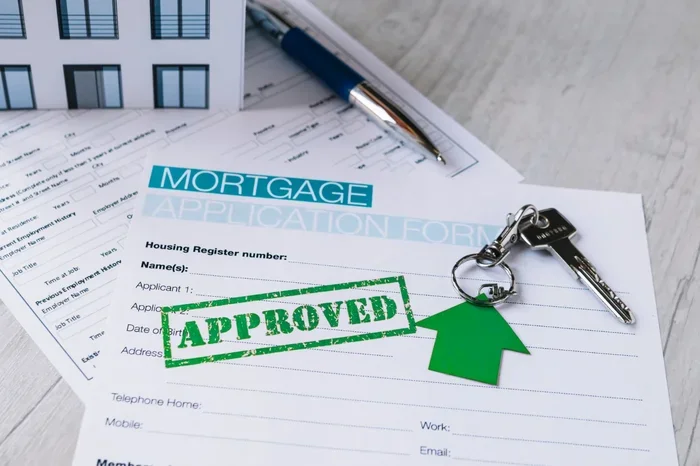
Visual guide about home buyer mortgage approval paperwork
Image source: brown-team.com
Visual guide about home buyer mortgage approval paperwork
Image source: i.pinimg.com
Key Takeaways
- Typical Timeline: Full mortgage approval usually takes 30 to 45 days after pre approval.
- Pre Approval Is Not Final: Pre approval only means you qualify for a loan amount. Final approval requires full underwriting.
- Documentation Speed Matters: Submit tax returns, pay stubs, and bank statements quickly to avoid delays.
- Avoid Big Purchases: Do not open new credit cards or buy a car before closing. Lenders recheck your finances.
- Appraisal Can Slow Things Down: A low appraisal or scheduling delays can push your timeline past 45 days.
- Lender Workload Varies: Busy seasons and complex loans take longer. Simple loans move faster.
- Stay In Touch: Reply to lender requests within 24 hours. Quick responses keep your file moving.
[FEATURED_IMAGE_PLACEHOLDER]
Understanding Pre Approval Versus Final Approval
Many home buyers think pre approval means the loan is done. It does not. Pre approval is a strong first step. It shows sellers you are serious. It also gives you a rough budget. But final approval requires a full review. The lender must verify every detail. They check your income, assets, debts, and credit. They also order an appraisal. This deeper review is called underwriting. Underwriting is where most of the time goes. You might hear the term commitment letter. That letter means the lender is ready to fund the loan. You still need to meet closing conditions. So the process has two parts. First comes pre approval. Second comes final approval. Knowing the difference helps you set realistic expectations.
The timeline starts the day your lender issues pre approval. From that point, you submit an offer. Once the seller accepts, the clock really starts. Your lender opens a full file. They request documents. They order a title search. They schedule an appraisal. Each step takes time. Some steps happen at the same time. Other steps wait on third parties. That is why the total time varies. A smooth file can close in under a month. A messy file can take two months or more. The key is to keep things simple. Do not add new debt. Do not change jobs. Send documents fast. These habits keep your approval on track.
How Long Does Mortgage Approval Take After Pre Approval
This is the main question most buyers ask. The short answer is 30 to 45 days for most loans. Some files move faster. Some move slower. The range depends on your loan type and your paperwork. A conventional loan often moves quickly. An FHA or VA loan may take a bit longer. Jumbo loans can take more time too. The lender must verify more details. They also need extra appraisal checks. So the loan type matters a lot. Your personal file matters just as much. Clean records move fast. Complex records move slow. If you are self employed, expect more questions. If you have recent credit changes, expect more review. The lender wants to reduce risk. That review takes time.
You can think of the timeline in simple stages. First, the lender reviews your file after you submit an offer. Second, they order an appraisal and title work. Third, they run underwriting. Fourth, they issue a clear to close. Fifth, you sign closing papers. Each stage can take a few days. Some stages overlap. For example, the appraisal might run while underwriting waits for documents. That overlap saves time. But if the appraiser is busy, the whole file waits. If the title company finds a lien, the file pauses. These small delays add up. That is why a 30 day timeline is common. A 45 day timeline is also common. If you hear longer estimates, ask why. Usually there is a clear reason.
Key Factors That Affect Your Timeline
Many things can speed up or slow down your approval. The most common factor is documentation. Lenders need proof of income and assets. They want recent pay stubs. They want tax returns. They want bank statements. If you send these fast, the file moves fast. If you wait, the file stalls. Another big factor is your credit profile. A clean credit history is easy to review. A history with recent late payments takes more time. The underwriter may ask for letters of explanation. Those letters take time to write and review. Your debt to income ratio also matters. A high ratio needs more scrutiny. The lender must confirm you can afford the payment. That extra check adds days.
The property itself can also affect timing. Some homes appraise quickly. Others need extra reports. A condo may need HOA documents. A rural property may need a survey. A home with a unique layout may need a more detailed appraisal. These items depend on outside parties. You cannot control their speed. You can only prepare for delays. The lender workload matters too. Some weeks are very busy. Rate drops can bring a flood of applications. During those times, files move slower. During quiet weeks, files move faster. Your loan officer can give you a rough estimate. But estimates are not guarantees. The best plan is to stay ready. Keep your documents organized. Reply to requests the same day. These habits help a lot.
Documentation Speed
Fast paperwork is the biggest lever you control. Start gathering files before you even shop. Save digital copies of your pay stubs. Save your last two tax returns. Save recent bank statements. If you have bonus income or overtime, keep records of that too. If you receive child support or alimony, gather proof. The more complete your file, the fewer back and forth emails. Fewer emails means fewer delays. A complete file can shave several days off the process. It also makes underwriting smoother. Underwriters like clear files. They can approve faster when everything is in order.
Credit and Financial Changes
Avoid big financial moves after pre approval. Do not open new credit cards. Do not finance a car. Do not make large deposits without a paper trail. Lenders recheck your credit before closing. They also verify your bank activity. A new debt can change your debt to income ratio. That can stop your approval. A large cash deposit can raise questions. The lender may ask for a source letter. That takes time to review. So keep your finances steady. Pay your bills on time. Keep your accounts stable. This simple habit protects your timeline.
Appraisal and Title Delays
The appraisal is a common bottleneck. Appraisers have busy schedules. They may take a week or more to visit the property. After the visit, they write a report. That report goes to the lender. If the value comes in low, the file pauses. The buyer and seller must renegotiate or cover the gap. That negotiation adds time. Title work can also slow things down. The title company searches public records. They look for liens or ownership issues. If they find a problem, it must be fixed. Most title issues are minor. They get solved quickly. But they still take a few extra days. You can help by ordering early. Ask your lender to schedule the appraisal right away. Ask the title company to start immediately. Early starts reduce delays.
Step By Step Timeline From Pre Approval To Closing
It helps to see the process in order. Here is a simple path from pre approval to closing. Each step has a typical time range. Your dates may vary. That is normal. The goal is to understand the flow. When you know the flow, you can plan better.
Step 1: Offer And Purchase Agreement
After pre approval, you find a home. You submit an offer. The seller accepts. You sign a purchase agreement. This starts the formal loan process. Your lender now has a file with a property address and a price. They can begin full underwriting. This step is usually quick. It often takes a few days. The clock really starts here.
Step 2: Document Collection And Verification
The lender requests your full document set. You send pay stubs, tax returns, and bank statements. They verify your employment. They check your credit again. They confirm your down payment source. This stage can take a few days to a week. It moves faster when you respond quickly. Keep your email open. Answer calls from your loan officer. Quick replies keep the file active.
Step 3: Appraisal And Title Work
The lender orders an appraisal. The appraiser schedules a visit. They inspect the home and compare sales. They write a value report. At the same time, the title company searches records. They prepare a title commitment. This stage often takes one to two weeks. The exact time depends on local scheduling. Rural areas may take longer. Busy cities may also take longer. Start early if you can.
Step 4: Underwriting Review
Underwriters review the full package. They check income, assets, credit, and property value. They may issue conditions. A condition is a request for more info. You might need a explanation letter. You might need a updated bank statement. You might need a gift letter. Once you meet the conditions, the underwriter gives approval. This stage can take a few days to a week. Simple files move fast. Complex files take longer.
Step 5: Clear To Close And Final Approval
When all conditions are met, the lender issues a clear to close. This means the loan is ready. The closing team prepares your final numbers. They send the closing disclosure. By law, you must receive this form three business days before closing. This rule protects you. It gives you time to review the costs. After that waiting period, you can schedule the signing. This final stage usually takes a few days.
Step 6: Closing Day
You sign the final papers. You review the loan terms. You confirm the cash to close. You sign the deed and mortgage documents. The lender funds the loan. The title company records the deed. The home is officially yours. This day is the finish line. It feels great after all the waiting.
How To Speed Up Your Mortgage Approval
You cannot control everything. But you can control many parts of the process. Here are practical ways to move faster. Use these tips from day one. They help a lot.
- Prepare documents early. Gather pay stubs, tax returns, and bank statements before you apply.
- Respond quickly. Reply to lender requests within 24 hours. Fast replies keep the file moving.
- Keep finances steady. Do not open new credit or make big purchases. Stay stable.
- Choose the right loan type. Pick a loan that fits your situation. Simple loans move faster.
- Order appraisal early. Ask your lender to schedule the appraisal as soon as the offer is accepted.
- Use a responsive lender. Work with a team that communicates well. Good communication saves time.
- Double check your application. Make sure names, dates, and numbers are correct. Errors cause delays.
Another helpful tip is to avoid last minute changes. Do not switch jobs during the process. Do not move large sums of money without a clear paper trail. Lenders want stability. They want a clear story. When your file tells a clear story, underwriting is faster. Also, be honest about everything. If you have a credit issue, explain it early. If you have a gap in employment, explain it early. Hiding details causes delays later. Transparency builds trust. Trust speeds up approval.
Common Mistakes That Cause Delays
Many delays come from simple mistakes. You can avoid them with a little care. Here are the most common problems. Learn them so you can skip them.
- Late document submission. Waiting days to send a bank statement can pause the file.
- New debt after pre approval. A new car loan can change your approval status.
- Large unexplained deposits. Cash deposits without a source letter raise questions.
- Incomplete tax returns. Missing schedules or pages slow down verification.
- Wrong information on the application. Typos and errors create confusion.
- Ignoring lender calls. Missed calls lead to slow follow ups.
- Changing the deal late. Altering the price or down payment near closing can reset parts of the file.
Another common mistake is assuming pre approval is final. It is not. The lender still needs to verify the property and your finances. Do not make plans based on the idea that the loan is done. Keep your focus until you sign closing papers. Also, do not pressure the lender to skip steps. Skipping steps creates risk. Risk creates delays. A careful process is a faster process in the long run. Patience pays off.
Expert Insights And Practical Tips
Loan officers see the same patterns over and over. They say the smoothest files share a few traits. The buyers are organized. They answer quickly. They keep their finances stable. They ask questions early. That combination works well. Here is a simple comparison to help you understand speed factors.
| Factor | Fast Track | Slow Track |
|---|---|---|
| Documents | Sent within 24 hours | Sent after several days |
| Credit profile | Clean and stable | Recent late payments or new debt |
| Employment | Steady job, easy verification | Self employed, complex income |
| Property type | Standard home, easy appraisal | Condo, rural land, or unique home |
| Lender workload | Quiet period, focused team | Rate drop rush, heavy volume |
This table shows why some files move faster. You can influence several rows. You cannot control the market or the appraiser schedule. But you can control your documents and your behavior. That is a big advantage. Another expert tip is to ask for a checklist. A checklist tells you exactly what the lender needs. It removes guesswork. It also helps you prepare in advance. When you know the list, you can gather files before they ask. That proactive approach saves time. It also shows the lender you are serious. Serious buyers often get faster attention.
A final tip is to keep a simple paper trail for any large money movement. If you transfer money between accounts, keep the records. If a family member gives you a gift, get a signed gift letter. If you sell something, keep the bill of sale. These small records prevent big questions. They also reduce back and forth emails. Less email traffic means a faster file. Small details matter a lot in mortgage approval.
Conclusion
So, how long does mortgage approval take after pre approval? For most buyers, the answer is 30 to 45 days. Some files finish sooner. Some take longer. The timeline depends on your documents, your credit, the property, and the lender workload. You can speed things up by preparing early and staying stable. Send files fast. Avoid new debt. Reply quickly. Keep your story clear. These habits help the underwriter say yes faster. Pre approval is a great start. Final approval is the real finish line. Stay organized and patient. Then you will be ready to close with confidence.
Frequently Asked Questions
How long does mortgage approval take after pre approval on a typical loan?
Most loans take 30 to 45 days from pre approval to final approval. Simple files can close faster. Complex files may take longer.
Can mortgage approval happen faster than 30 days?
Yes, some files close in under 30 days. This usually happens when documents are ready, the appraisal is quick, and underwriting has few conditions.
What slows down mortgage approval the most?
Missing documents, new debt, and appraisal delays are the biggest slowdowns. Slow replies to lender requests also add time.
Do I need to recheck my credit after pre approval?
Yes, lenders usually check your credit again before closing. Keep your credit steady and avoid new accounts during the process.
Does a low appraisal stop final approval?
It can pause the file. The buyer and seller may need to renegotiate the price or cover the gap. That negotiation adds time.
What should I avoid doing after pre approval?
Avoid opening new credit, buying a car, changing jobs, or making large unexplained deposits. Keep your finances stable until closing.