

When a mortgage lender wants direct access to bank accounts, it can feel invasive, but it is often a standard verification step. Lenders use this access to confirm your income, check your spending habits, and ensure you have enough funds for closing costs. Understanding why this request happens helps you decide what information to share and what to protect. You can often provide the same proof through statements or secure portals instead of giving full account access.
A mortgage lender wants direct access to bank accounts for many of the same reasons a careful person checks the details before lending a large sum of money. Mortgages involve a lot of money, and lenders want to reduce risk. They need to know that the money in your account is truly yours, that your income is steady, and that you are not hiding debt or unusual spending patterns.
If you are applying for a home loan, this request can feel uncomfortable. You may worry about privacy, security, and whether a lender really needs that much access. The good news is that many times, direct access is only one option among several. In other cases, the request may be more about convenience than necessity. Either way, it helps to know what is normal, what is optional, and what deserves a closer look.
In this guide, we will walk through why lenders ask for account access, what they are usually trying to verify, and how you can respond without giving away more than necessary. We will also cover warning signs, safer alternatives, and practical steps you can take before you apply. By the end, you should feel more confident about handling this part of the mortgage process.
Key Takeaways
- Direct access is not always required: Many lenders accept bank statements, pay stubs, and tax returns instead of full account access.
- The main goal is verification: Lenders check income, large deposits, and account stability to reduce lending risk.
- Privacy matters: If a lender asks for login credentials, ask for secure alternatives or a protected document upload.
- Watch for red flags: Requests for passwords, PINs, or full control of your account are warning signs that deserve caution.
- Prepare your paperwork: Organized records can speed up approval and reduce the need for extra access.
- Ask questions early: Clarify exactly what the lender needs, why they need it, and how it will be stored.
- Protect sensitive data: Use secure portals, encrypted files, or your bank’s official verification services when possible.
📑 Table of Contents
- Why a Mortgage Lender Wants Direct Access to Bank Accounts
- Is Direct Access Really Necessary for Mortgage Approval?
- What Lenders Can and Cannot Do With Your Bank Information
- How to Protect Your Privacy During the Mortgage Process
- Red Flags to Watch Out For
- How to Prepare Your Bank Records Before Applying
- Conclusion
Why a Mortgage Lender Wants Direct Access to Bank Accounts
The most common reason a mortgage lender wants direct access to bank accounts is verification. A lender needs to confirm that your financial picture matches what you reported on your application. This is especially important when the loan amount is large and the lender’s risk is high.
Direct access can help the lender see:
- Your average account balance
- Regular income deposits
- Recurring bills and withdrawals
- Large or unusual transactions
- Whether your account has been open for a stable period
This does not mean the lender wants to manage your money. In most cases, they want a clearer view of your financial behavior. Some lenders use third-party verification tools that connect to your bank securely. These tools may let the lender view certain account details without giving them full control.
Still, the exact reason can vary. A lender may request access because:
- Your income is hard to verify through standard documents
- You are self-employed or have variable income
- There are large deposits that need explanation
- The lender wants faster verification than manual document review
- The loan program has strict asset documentation rules
If you are unsure why access is being requested, ask for a clear explanation. A legitimate lender should be able to tell you what they are checking and why a simpler document may not be enough.
Verification of Income and Cash Flow
Income verification is one of the biggest parts of mortgage underwriting. Pay stubs and tax returns help, but bank records can show how money actually moves through your account. That can matter if your paycheck is deposited irregularly, if you receive multiple income sources, or if you have side income that is not fully reflected elsewhere.
A lender may look for patterns such as:
- Consistent direct deposits from an employer
- Regular transfers from a known source
- Deposits that match the income you reported
- Withdrawals that suggest financial stress
This is where the phrase mortgage lender wants direct access to bank accounts often comes up. The lender may want to confirm that your cash flow is stable enough to support monthly payments.
Checking for Large or Unusual Deposits
Another reason for account review is large deposits. If a sudden chunk of money appears in your account, a lender may ask where it came from. That matters because borrowers sometimes receive gift funds, loan proceeds, or other temporary deposits that do not reflect true savings.
Common examples include:
- Gift money from family
- Money from the sale of a car or item
- A tax refund
- A transfer between your own accounts
- A short-term loan deposit
If the deposit is legitimate, you can usually document it. If the source is unclear, the lender may pause the review until it is explained. In some cases, account access makes it easier for the lender to trace the origin of the funds.
Is Direct Access Really Necessary for Mortgage Approval?
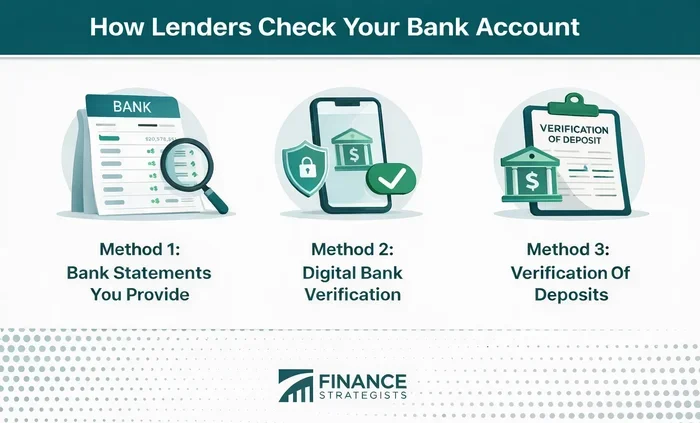
Not always. In many situations, a lender can verify your finances with documents instead of direct account access. Bank statements, for example, can show balances, deposits, and withdrawals without giving anyone your login information.
Visual guide about mortgage lender bank account access
Image source: release.financestrategists.com
Common alternatives include:
- Official bank statements downloaded from your bank’s website
- Signed paper statements from your bank
- A verification of deposit form completed by your bank
- Secure document upload through the lender’s portal
- Third-party financial verification services that you authorize
That said, some loan programs or lenders prefer digital verification because it can be faster and more detailed. They may argue that statements can be altered or that manual review takes too long. Even so, you should still ask whether direct access is mandatory or just convenient.
When Statements May Be Enough
If your finances are straightforward, statements may be enough. This is often true when:
- Your income comes from a regular job with direct deposit
- Your account history is clear and consistent
- You do not have large unexplained deposits
- Your assets are easy to trace
If a lender insists on direct access in a simple case, it is reasonable to ask why. Sometimes the answer is process-related. Sometimes the lender may be using a standard policy that is broader than your situation requires.
When Lenders May Require More Detailed Access
There are situations where more detailed verification may make sense. For example:
- You are self-employed and your income varies
- You have multiple accounts or recent account changes
- Your deposits come from several sources
- The loan program has strict asset and reserve requirements
- The lender needs to confirm that funds are seasoned and available
Even then, “direct access” can mean different things. It may mean read-only access through a secure service. It may mean permission to view certain account data. It should not mean giving out your password or letting the lender control your money.
What Lenders Can and Cannot Do With Your Bank Information
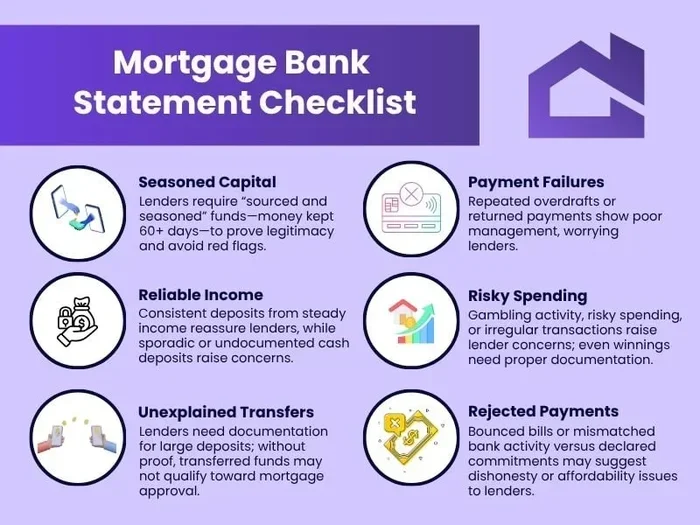
It helps to understand the difference between viewing account information and controlling an account. In general, a lender should not be able to move your money, make payments, or change your settings unless you have a separate agreement that clearly allows that.
Visual guide about mortgage lender bank account access
Image source: districtlending.com
What lenders usually can do:
- View balances and transaction history
- Verify account ownership
- Check deposit patterns
- Confirm that funds are available
What lenders usually should not do:
- Ask for your online banking password
- Request full control of your account
- Use your account for their own transactions
- Store your credentials in an insecure way
If a lender asks for something that feels beyond normal verification, slow down and ask questions. You can also ask how the data will be stored, who can see it, and whether the access can be revoked after review.
Read-Only Access vs. Full Account Control
Read-only access is very different from full control. With read-only access, the lender can usually see information but not make changes. With full control, the lender could potentially transfer funds or access features you did not intend to share.
Before granting access, ask:
- Is this read-only or can the lender initiate transactions?
- Which accounts are included?
- How long will access remain active?
- Can I revoke access after verification?
- Is a secure third-party service being used?
These questions are practical and reasonable. A trustworthy lender should be able to answer them clearly.
How to Protect Your Privacy During the Mortgage Process
If a mortgage lender wants direct access to bank accounts, you do not have to guess how to respond. You can take a few simple steps to protect your privacy while still moving the application forward.
Visual guide about mortgage lender bank account access
Image source: themortgageoffice.com
Start by asking what specific information the lender needs. Sometimes the request is broader than necessary. If the lender only needs to confirm balances or recent deposits, there may be a narrower way to provide that proof.
Next, ask whether the lender uses a secure verification service. Many financial verification tools are designed to share only the data needed for underwriting. That can be safer than sending screenshots or sharing login details by email.
You can also:
- Use your bank’s official document export feature
- Send statements through a secure portal instead of email
- Redact information that is not relevant, if the lender allows it
- Ask for a written explanation of any unusual requirement
- Keep copies of everything you submit
Safer Alternatives to Giving Login Credentials
If someone asks for your login credentials, pause. That is not a standard request in most mortgage processes. safer alternatives usually exist.
Consider these options:
- Official bank statements: These are commonly accepted and do not require sharing passwords.
- Verification of deposit: Your bank can confirm account details directly.
- Secure lender portal: Many lenders provide encrypted upload systems.
- Authorized verification services: Some services connect to your bank with limited permissions.
If the lender says these alternatives will not work, ask why. The answer may reveal that the request is about speed, policy, or a specific loan requirement.
Questions to Ask Before You Share Anything
Before sharing bank information, ask practical questions:
- What exactly are you trying to verify?
- Is direct access required, or is it just one option?
- How will my data be protected?
- Who will have access to my information?
- Can I use statements or a verification form instead?
- What happens after the review is complete?
These questions help you understand the process and avoid giving away more than needed.
Red Flags to Watch Out For
Not every request is reasonable. Some warning signs suggest you should slow down and verify the lender’s credibility.
Watch for:
- Requests for your password or PIN
- Pressure to share access immediately
- Vague explanations of why access is needed
- Requests to send sensitive details by unsecured email or text
- A lender who cannot explain what data will be viewed
- Access that seems broader than the loan requirements
A legitimate lender should be transparent. If the process feels rushed, unclear, or overly invasive, trust that instinct and ask for clarification.
When to Pause and Verify the Lender
If you are unsure, take a step back. Verify that the lender is licensed or registered in your state if that applies where you live. Check reviews, ask for a written explanation, and compare the request with what other lenders have asked for.
You can also ask:
- Can you explain the legal or policy reason for this request?
- Is this part of a standard underwriting process?
- Is there a less invasive way to provide the same proof?
If the lender cannot answer clearly, that is a sign to be cautious.
How to Prepare Your Bank Records Before Applying
One of the best ways to reduce friction is to prepare your records before the lender asks for them. A little organization can make the process smoother and may reduce the need for extra access.
Helpful steps include:
- Gathering recent bank statements from all relevant accounts
- Making sure your name and account details are visible on statements
- Noting any large deposits and their sources
- Keeping records of gifts, transfers, or savings movements
- Checking that your account balances match what you plan to report
If you know your paperwork is organized, you may be able to answer questions faster. That can make the lender’s job easier without requiring direct access.
Common Documentation That May Replace Direct Access
In many cases, the following documents can help verify your finances:
- Recent bank statements
- Pay stubs
- W-2 forms or tax returns
- Employment verification
- Gift letters for transferred funds
- Verification of deposit from your bank
These documents are familiar to underwriters and often provide enough detail for standard loans. If your situation is more complex, the lender may still need more information, but you can usually work through it step by step.
Conclusion
When a mortgage lender wants direct access to bank accounts, it is easy to feel uneasy. In many cases, the request is about verification, not control. Lenders want to confirm income, check for unusual deposits, and make sure your financial picture supports the loan. Still, direct access is not always required, and safer alternatives often exist.
The best approach is to ask clear questions, understand exactly what the lender needs, and protect your sensitive information. If a request feels excessive, ask whether statements, verification forms, or secure tools can serve the same purpose. With the right preparation, you can move your mortgage application forward while keeping your privacy and peace of mind intact.
Frequently Asked Questions
Why does a mortgage lender want direct access to bank accounts?
A lender usually wants to verify income, account balances, and spending patterns. Direct access can help them confirm that your finances match what you reported on your application. In many cases, they are looking for stability and clear documentation of funds.
Do I have to give a lender access to my bank account?
Not always. Many lenders accept bank statements, pay stubs, tax returns, or verification forms instead of direct access. If access is requested, ask whether it is required or simply one option for verification.
Is it safe to share my online banking login with a lender?
Sharing login credentials is generally risky and is not a standard request in most mortgage processes. If someone asks for your password, ask for a secure alternative such as official statements or a protected verification service.
What red flags should I watch for when a lender asks for bank access?
Be cautious if the lender asks for passwords, pressures you to share access quickly, or cannot explain why the access is needed. Also watch for requests to send sensitive details through unsecured email or text messages.
Can I use bank statements instead of direct account access?
Yes, bank statements are commonly used to verify balances, deposits, and account history. If your finances are straightforward, statements may be enough. If the lender still insists on access, ask for a clear reason.
What should I do if I am uncomfortable with the lender’s request?
Ask the lender to explain exactly what they need and why. You can also request safer alternatives, use a secure portal, or work with a verification service. If the request still feels unreasonable, it may be worth seeking a second opinion from another lender.
