
Is it hard to get approved with DHI Mortgage? It depends on your financial situation and credit score. Many buyers find the process straightforward when they meet the basic requirements. This guide will help you understand the loan process and what lenders look for.
Buying a home is one of the biggest steps you can take in life. It brings excitement and hope for the future. But it also brings questions about money and loans. Many people ask is it hard to get approved with DHI Mortgage when they start looking at houses. The answer is not the same for everyone. Your personal finances play a huge role in the decision.
DHI Mortgage is a lender that works closely with home builders. They understand the needs of people buying new construction homes. This connection can make things easier for some buyers. However, you still need to meet standard lending rules. Knowing what those rules are helps you prepare better. You can avoid surprises when you apply for your loan.
In this article, we will look at the approval process in detail. We will talk about credit scores and income requirements. You will learn about different loan types available to you. We will also share tips to improve your chances of success. By the end, you will feel more confident about your home buying journey. Let us dive into what you need to know.
Key Takeaways
- Credit Score Matters: A higher credit score increases your chances of approval.
- Debt-to-Income Ratio: Lenders check how much debt you have compared to your income.
- First-Time Programs: DHI Mortgage offers special programs for first-time homebuyers.
- Documentation: Having your paperwork ready speeds up the approval process.
- Down Payment: You may not need a huge down payment to get started.
- Pre-Approval: Getting pre-approved helps you know your budget before shopping.
- Professional Help: Working with a lender can clarify your specific options.
📑 Table of Contents
Understanding the DHI Mortgage Approval Process
The loan process starts when you submit an application. You provide details about your income and debts. The lender reviews this information to assess risk. They want to know if you can pay back the loan. This step is crucial for everyone seeking financing.
DHI Mortgage works like other traditional lenders in many ways. They follow guidelines set by government agencies. These guidelines ensure loans are safe for borrowers. You will need to show proof of steady income. Bank statements and tax returns are usually required too.
What Lenders Look For
Lenders focus on a few key areas during review. Your credit history shows how you handle money. Your income shows if you can afford the payment. Your debts show if you have too many obligations. These factors combine to create your risk profile.
A stable job history is also very important. Lenders prefer borrowers who have stayed at one job. It shows reliability and consistent income. If you changed jobs recently, be ready to explain why. Clear communication helps the lender understand your situation better.
Steps to Apply
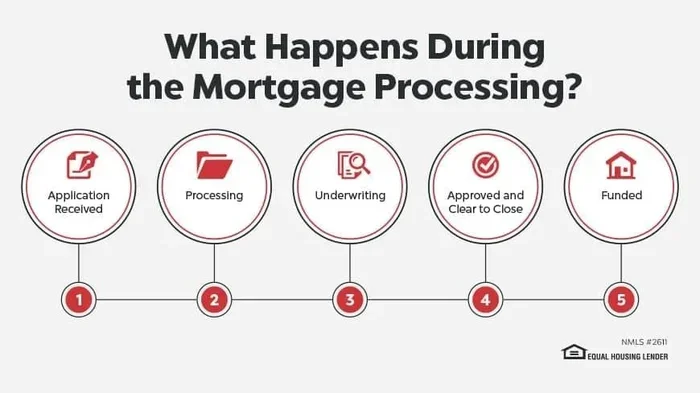
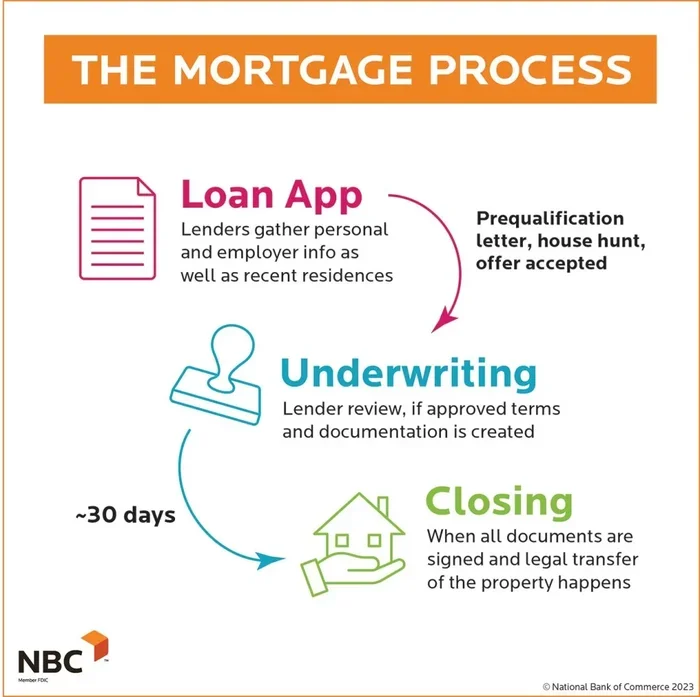
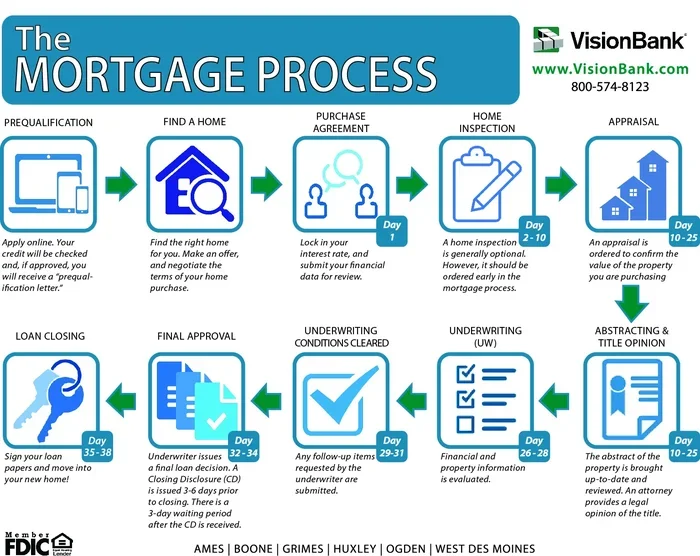
First, you should gather all your financial documents. This includes pay stubs and bank statements. Next, you fill out the loan application form. The lender will pull your credit report at this time. Then, an underwriter reviews your file carefully.
Finally, you receive a decision on your loan. If approved, you move to closing. If denied, you get a reason why. You can then work to fix those issues. This process takes time but is manageable with preparation.
Credit Score Requirements for Approval
Your credit score is a number that represents your risk. A higher number means lower risk for the lender. Many people wonder is it hard to get approved with DHI Mortgage based on this score. Generally, a good score makes approval easier. A low score can make things more difficult.
Visual guide about mortgage approval process
Image source: nbcbanking.com
Most lenders look for a score of 620 or higher. Some loan programs allow lower scores though. Government-backed loans often have more flexible rules. Your score also affects your interest rate. A better rate saves you money over time.
Improving Your Credit Before Applying
You can take steps to boost your score before applying. Pay all your bills on time every month. Reduce the balances on your credit cards. Do not open new credit lines right before applying. These actions show responsible financial behavior.
Check your credit report for errors often. Mistakes happen and they can hurt your score. Dispute any errors you find with the credit bureau. Fixing these issues can raise your score quickly. This effort is worth it for a better loan deal.
Why Credit History Matters
Lenders look at more than just the score number. They look at the history behind the score. They want to see a pattern of on-time payments. Late payments or collections can be red flags. A clean history builds trust with the lender.
Length of credit history also plays a role. Older accounts show long-term stability. New accounts might look like risk to some lenders. Try to keep old accounts open even if you do not use them. This helps your overall credit profile look stronger.
Income and Employment Verification
Stable income is key for loan approval. Lenders need to know you can make monthly payments. They usually look at your income over the last two years. Consistent employment makes you a safer bet. This is a common question when asking is it hard to get approved with DHI Mortgage.
Visual guide about mortgage approval process
Image source: visionbank.com
Self-employed borrowers face different rules sometimes. You may need more documentation to prove income. Tax returns become very important for you. W-2 employees usually have a simpler process. Keep your records organized to help the process.
Debt-to-Income Ratio Explained
Your debt-to-income ratio is another big factor. This ratio compares your debt payments to your income. Lenders want this number to be low. A high ratio means you might struggle with payments. Most lenders prefer a ratio under 43 percent.
You can lower this ratio by paying off debt. Paying down credit cards helps a lot. Avoiding new loans before applying is also smart. This improves your profile in the lender’s eyes. It shows you have room in your budget for a mortgage.
Documentation You Need
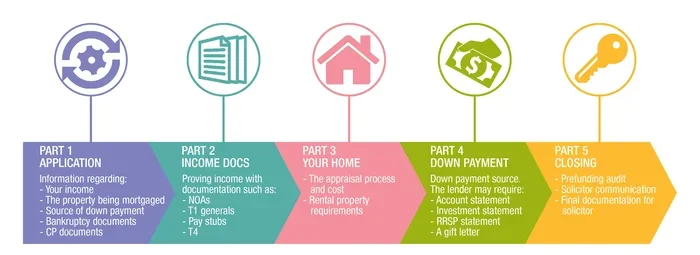
Be ready to show your pay stubs from work. W-2 forms from the last two years are needed. Tax returns help verify your income fully. Bank statements show your assets and savings. Having these ready speeds up the review.
If you have bonus income, document it too. Lenders need to see it is regular. Keep explanations ready for any gaps in employment. Honesty is always the best policy here. Hiding information can lead to denial later.
Loan Options Available Through DHI Mortgage
DHI Mortgage offers various loan programs for buyers. Some are for first-time homebuyers specifically. Others are for veterans or those with lower income. Knowing your options helps you pick the best one. This variety can answer is it hard to get approved with DHI Mortgage for different people.
Visual guide about mortgage approval process
Image source: bwbbrokerinfo.ca
Conventional loans are common for many buyers. They often require higher credit scores. Government loans like FHA are more flexible. VA loans are great for military members. USDA loans help people in rural areas buy homes.
First-Time Homebuyer Programs
First-time buyers often get special help. There may be down payment assistance available. Some programs offer lower interest rates too. These benefits make buying a home more accessible. Check if you qualify for these specific programs.
Education courses are sometimes required for these programs. They teach you about budgeting and home care. Taking these courses shows you are serious. It also prepares you for homeownership responsibilities. This knowledge helps you succeed in the long run.
Comparing Loan Types
Each loan type has pros and cons to consider. FHA loans allow lower credit scores generally. But they require mortgage insurance premiums. Conventional loans might have no insurance with big down payments. VA loans offer great terms for eligible veterans.
Think about your long-term financial goals too. Some loans are better for short-term stays. Others are better for staying in the home longer. Talk to a loan officer about your specific needs. They can guide you to the right choice.
Tips to Improve Your Approval Chances
You can take action to help your application. Start by saving money for your down payment. Even a small amount shows you are ready. Avoid making big purchases before closing too. New debt can change your approval status quickly.
Communication with your lender is very important. Answer their calls and emails quickly. Provide documents as soon as they ask. Delays can slow down the whole process. Being responsive shows you are organized and serious.
Avoiding Common Mistakes
Many buyers make mistakes during the process. Buying a car while applying for a mortgage is one. Changing jobs during the process is another risk. These changes can hurt your financial profile. Wait until after closing to make big moves.
Do not hide any financial issues from your lender. They will find out eventually during verification. Honesty allows them to help you find solutions. Hiding things can lead to a hard denial. Trust builds a better working relationship with them.
Working With a Real Estate Agent
A good agent can help you navigate the market. They know about builders who work with DHI Mortgage. They can help you find homes in your budget. Their experience is valuable during negotiations. They also help coordinate with the lender smoothly.
Ask your agent about local market conditions. This helps you understand pricing and timing. They can suggest strategies for your offer. A strong offer looks better to sellers. This teamwork increases your chances of success.
What Happens After Approval
Getting approved is a big milestone for you. But the process is not fully done yet. You will move to the closing stage next. This involves signing many important papers. You will also do a final walkthrough of the home.
At closing, you pay your closing costs. These fees cover processing and paperwork. You will also pay your down payment here. Once signed, the home is officially yours. You get the keys to start your new life.
Understanding Closing Costs
Closing costs can be surprising for some buyers. They usually range from two to five percent. This is extra money on top of your down payment. Ask your lender for a estimate early on. This helps you budget correctly for the purchase.
Some costs are negotiable with the seller. You can ask them to pay some fees. This is common in many real estate deals. Your agent can help you negotiate this. Knowing these details prevents financial stress later.
Moving Into Your New Home
Congratulations on reaching this big goal. Now you can focus on moving in. Plan your move carefully to reduce stress. Update your address with important services. Set up utilities in your new name.
Enjoy the process of making it yours. Paint walls or change fixtures if allowed. Create a space that feels like home. You worked hard to get here. Take a moment to celebrate your achievement.
Conclusion
So, is it hard to get approved with DHI Mortgage? It can be easy if you are prepared. Your credit and income are the main factors. Understanding the requirements helps you succeed. Take time to fix your credit before applying.
Gather your documents and stay organized. Work with professionals who know the process. Ask questions when you are unsure about something. Homeownership is a journey worth taking. With the right steps, you can get approved.
Remember that every buyer’s situation is unique. What works for one person might not work for another. Stay patient and keep your goals in mind. You can find the right loan for your needs. Start your journey today with confidence.
Frequently Asked Questions
What credit score do I need for DHI Mortgage?
Most lenders look for a score of 620 or higher. Some programs allow lower scores for qualified buyers. A higher score usually gets you a better interest rate.
Can I get approved if I am self-employed?
Yes, self-employed borrowers can get approved. You will need to provide extra tax documents. Lenders want to see stable income over time.
How long does the approval process take?
The process usually takes a few weeks to complete. It depends on how fast you provide documents. Being responsive helps speed up the timeline.
Do I need a large down payment?
Not always, as some programs allow low down payments. First-time buyer programs often have lower requirements. Check with your lender for specific options.
What if I have debt from student loans?
Student loans count toward your debt-to-income ratio. Paying them down can help your approval chances. Lenders look at the monthly payment amount mostly.
Is pre-approval necessary before looking at homes?
Pre-approval is highly recommended before you shop. It shows sellers you are a serious buyer. It also helps you know your budget clearly.