
A 3.25% mortgage rate for a 30-year loan is generally considered very favorable in today’s market. This rate can save you thousands compared to higher percentages, but your actual approval depends on credit score and debt-to-income ratio. Always compare offers from multiple lenders to ensure you get the best possible deal for your financial situation.
Buying a home is one of the biggest financial steps you will ever take. The interest rate on your loan matters just as much as the home price. Even a small difference in percentage can change your monthly payment by hundreds of dollars. That is why many buyers ask if a specific number is truly a good deal.
When you see a rate like 3.25%, it is easy to feel hopeful. But you need to look at the full picture. This rate might be excellent for one person and average for another. Your financial health, the loan type, and the current economy all play a role. Let us break down what this number means for your wallet.
Key Takeaways
- Current Market Context: A 3.25% rate is often below current averages, making it a competitive offer.
- Long-Term Savings: Securing this rate on a 30-year term significantly reduces total interest paid over time.
- Credit Impact: Your credit score plays a major role in qualifying for rates this low.
- Loan Type Matters: Conventional, FHA, and VA loans may offer different rate structures.
- Locking In: Rate locks protect you from market fluctuations during the closing process.
- Comparison Shopping: Always get quotes from at least three different lenders.
- Hidden Costs: Watch out for points and fees that might offset a low interest rate.
📑 Table of Contents
Is 325 a Good Mortgage Rate for 30 Year Loans?
The short answer is yes, a 3.25% mortgage rate for a 30-year term is generally a strong offer. In many recent market conditions, rates have fluctuated significantly. When rates rise, a fixed number like this becomes very attractive. It offers stability and predictability for your budget.
However, you must compare it to current averages. If the market average is higher, this rate is a win. If the market drops lower, you might wonder if you could have done better. The key is to focus on what you can control. Your credit score and down payment size often dictate the rate you receive.
Understanding Market Fluctuations
Mortgage rates change based on economic factors. Inflation, bond yields, and federal policies all influence lender pricing. Sometimes rates dip, and sometimes they climb quickly. A rate that looks great today might look average next month. This is why timing matters when you apply for a loan.
You should also consider the type of loan. A 30-year fixed rate provides security. Your payment stays the same for decades. This is different from adjustable-rate mortgages that can change after a few years. Stability is often worth a slightly higher rate compared to risky options.
How Credit Score Affects Your Rate
Lenders use your credit score to measure risk. A higher score usually means a lower rate. If you have excellent credit, you are more likely to qualify for the best advertised rates. If your score is lower, you might be offered a higher percentage. This is why checking your credit report before applying is so important.
Small improvements in your score can lead to big savings. Paying down debt and correcting errors on your report can help. Even a twenty-point increase might move you into a better pricing tier. Do not rush into a application if your credit needs some work.
Calculating the Real Cost of 3.25 Percent
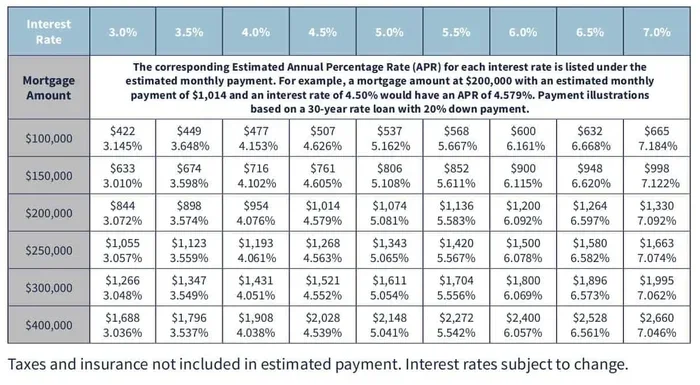
Numbers can be misleading without context. A 3.25% rate sounds low, but you need to see the monthly payment. Let us look at a hypothetical example. Suppose you borrow $300,000 for your home purchase. The math will show you the true impact.
Visual guide about mortgage rate chart calculator
Image source: themadronagroup.com
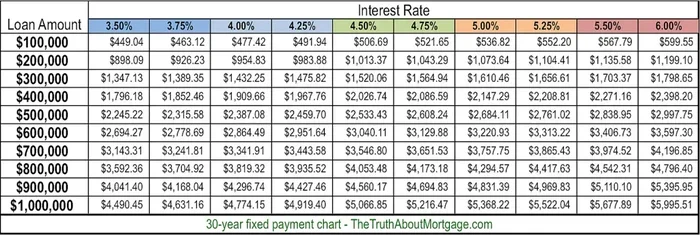
With a 30-year term at 3.25%, your principal and interest payment would be around $1,305 per month. This does not include taxes or insurance. If the rate were 4%, that payment would jump to roughly $1,432. That difference is over $120 every single month. Over thirty years, that adds up to tens of thousands of dollars.
Principal and Interest Breakdown
Your monthly payment splits into two main parts. The principal reduces your loan balance. The interest pays the lender for borrowing the money. In the early years, most of your payment goes toward interest. Later, more goes toward the principal. This is how amortization works.
A lower rate means less money goes to interest each month. More of your payment attacks the loan balance. This helps you build equity faster. Equity is the portion of the home you truly own. Building equity is a key part of wealth building through real estate.
Total Interest Over 30 Years
The total cost of borrowing is shocking for many buyers. On a $300,000 loan at 3.25%, you would pay about $169,000 in interest over the life of the loan. At 4%, that number rises to nearly $215,000. The difference is almost $46,000. This is why securing a good rate matters so much.
You can reduce this total by making extra payments. Even one extra payment per year can shorten your loan term. This saves interest and helps you own your home sooner. Always check if your lender allows extra payments without penalties.
Factors That Determine If You Qualify
Not everyone gets the same rate. Lenders look at many parts of your financial life. They want to know if you can repay the loan safely. Your debt-to-income ratio is a major factor. This ratio compares your monthly debt payments to your income.
Visual guide about mortgage rate chart calculator
Image source: thetruthaboutmortgage.com
A lower ratio is better. It shows you have room in your budget for a mortgage. High debt from cars or credit cards can hurt your chances. Paying off small balances before applying can improve your ratio. This makes you a more attractive borrower.
Employment and Income Stability
Lenders also check your job history. They want to see steady income. Gaps in employment can raise red flags. Self-employed buyers may need extra documentation. Consistent pay stubs and tax returns help prove your ability to pay.
Your down payment size also influences the rate. A larger down payment reduces the lender’s risk. It can also help you avoid private mortgage insurance. PMI adds to your monthly cost. Putting down at least twenty percent is often a smart move.
Loan Type Differences
Different loan programs have different requirements. Conventional loans often require higher credit scores. Government-backed loans like FHA or VA may be more flexible. VA loans are for veterans and often have competitive rates. FHA loans allow lower down payments but include mortgage insurance.
You should explore all options. A loan officer can explain which program fits your situation. Sometimes a slightly higher rate on one loan type is worth it for lower fees. Always look at the annual percentage rate, or APR. The APR includes fees and gives a truer cost comparison.
Strategies to Secure the Best Rate
You do not have to accept the first offer you receive. Shopping around is one of the best strategies. Different lenders have different overhead costs. Some may offer lower rates to win your business. Get quotes from banks, credit unions, and online lenders.
Visual guide about mortgage rate chart calculator
Image source: snmc.com
Timing your application can also help. Rates can change daily. If you see a favorable number, consider locking it in. A rate lock guarantees that rate for a set period. This protects you if rates rise before closing. Lock periods usually last thirty to sixty days.
Improving Your Financial Profile
There are steps you can take before applying. Save more for your down payment. Reduce credit card balances. Avoid opening new credit lines before closing. These actions show lenders you are responsible. They can lead to better pricing offers.
You can also buy discount points. Points are fees paid upfront to lower your rate. One point usually costs one percent of the loan amount. This might be worth it if you plan to stay in the home long term. Calculate the break-even point to see if it makes sense.
Negotiating With Lenders
Do not be afraid to ask questions. Ask if there are any discounts available. Ask about waiving certain fees. Lenders want your business and may negotiate. If one lender offers a better rate, tell the others. They might match the offer to keep you.
Read all documents carefully before signing. Make sure the rate matches what you discussed. Check for any surprise charges. A clear understanding prevents stress later. You have the right to know exactly what you are paying.
Comparing 3.25% to Other Rate Options
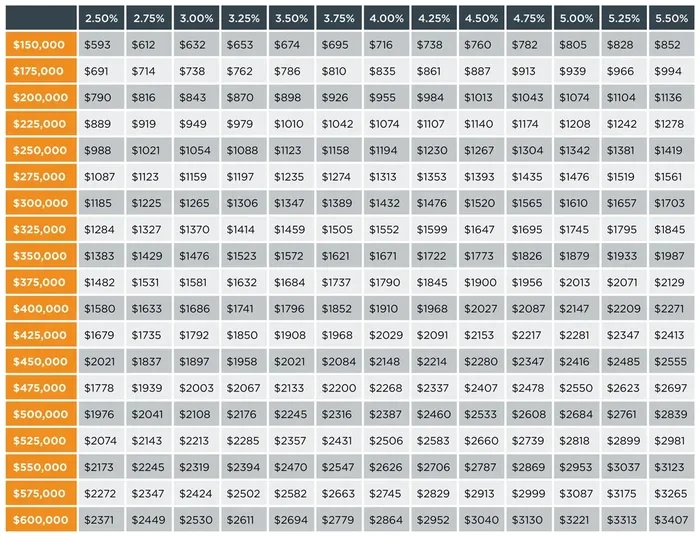
It helps to see how 3.25% stacks up against other numbers. A comparison table can make this clear. Let us look at monthly payments for a $300,000 loan. This shows the impact of small rate changes.
See the table below for a quick comparison. These numbers are estimates for principal and interest only. Taxes and insurance vary by location. Always ask your lender for a full breakdown.
Comparison of Monthly Payments on $300,000 Loan
- 3.00%: $1,265 per month
- 3.25%: $1,305 per month
- 3.50%: $1,347 per month
- 4.00%: $1,432 per month
- 4.50%: $1,520 per month
As you can see, every quarter percent matters. A jump from 3.25% to 4.00% adds over $120 monthly. That is money you could use for savings or home repairs. This is why locking a lower rate is so valuable.
When a Higher Rate Might Make Sense
Sometimes a higher rate comes with better terms. You might get lower closing costs. Or you might avoid buying points. If you plan to sell the home soon, paying less upfront might be smarter. You do not want to spend thousands on points for a short stay.
Flexibility is another factor. Some loans allow you to refinance later. If rates drop, you can get a new loan. This means your current rate is not forever. Focus on the overall cost, not just the interest number.
Common Mistakes to Avoid
Many buyers make errors during the mortgage process. One common mistake is not shopping around. Sticking with one lender might cost you thousands. Another mistake is changing your financial situation during approval. Do not buy a car or open new credit cards.
Ignoring the fine print is also risky. Some loans have prepayment penalties. This means you pay a fee for paying off the loan early. Always ask about this. You want the freedom to refinance or sell without extra costs.
Overlooking Closing Costs
Closing costs can be significant. They include appraisal fees, title insurance, and origination charges. These can add thousands to your upfront cash needed. A low rate does not help if the fees are too high. Ask for a loan estimate to see all costs.
You can sometimes negotiate these fees. Some lenders offer credits to cover costs. This might come with a slightly higher rate. Run the numbers to see which option is cheaper overall. The goal is to minimize total expense.
Not Considering Future Plans
Your life plans matter when choosing a loan. If you plan to move in five years, a 30-year loan might not be ideal. You might benefit from a shorter term or different structure. Think about how long you will stay in the home. This influences whether points are worth buying.
Also consider potential income changes. If you expect a raise, you might handle a higher payment later. If your income is stable, a fixed rate offers peace of mind. Match the loan to your life goals.
Expert Insights on Mortgage Rates
Experts suggest staying informed about economic trends. Rates often follow the bond market. When bonds perform well, mortgage rates may drop. Watching these trends can help you time your application. However, trying to time the market perfectly is very hard.
Most advisors recommend focusing on what you can control. Improve your credit, save more, and shop around. These actions have a guaranteed impact. Waiting for rates to drop perfectly is risky. You might miss out on a home you love.
The Value of Professional Advice
A good loan officer can guide you. They understand the nuances of different programs. They can explain how your specific profile affects your rate. Do not hesitate to ask for their expertise. A trusted professional can save you money and stress.
Real estate agents can also help. They know local lenders and market conditions. They can recommend professionals who offer good service. Building a team of experts makes the process smoother. Home buying should be exciting, not confusing.
Final Thoughts on Your Mortgage Decision
Deciding on a mortgage is a big step. A rate of 3.25% is generally a strong option for a 30-year loan. It offers stability and significant savings compared to higher rates. But you must look at your whole financial picture. Your credit, debt, and down payment all matter.
Take your time to compare offers. Ask questions and read the details. Make sure the loan fits your long-term plans. With the right preparation, you can secure a deal that works for you. Homeownership is a journey, and the right mortgage is the foundation.
Remember that rates change, but your preparation stays with you. Build a strong financial profile. Shop wisely. And choose the loan that gives you peace of mind. Your future self will thank you for the careful planning.
Frequently Asked Questions
Is 3.25% a good mortgage rate right now?
Yes, 3.25% is generally considered a very competitive rate in most market conditions. It is often lower than the national average, which means you could save money on monthly payments. However, you should compare it to current offers from multiple lenders to be sure.
How much does a 30-year mortgage cost at 3.25%?
The cost depends on your loan amount. For a $300,000 loan, the principal and interest payment would be approximately $1,305 per month. This does not include property taxes, insurance, or other fees. Always ask your lender for a full estimate.
Can I get a 3.25% rate with a lower credit score?
It is possible but less likely. Lenders usually reserve the best rates for borrowers with high credit scores. If your score is lower, you might be offered a higher rate. Improving your credit before applying can help you qualify for better terms.
Should I lock my mortgage rate at 3.25%?
If you are happy with the rate and plan to close soon, locking it can protect you from increases. Rate locks usually last for thirty to sixty days. This gives you certainty while you finish the home buying process. Ask your lender about lock fees and terms.
What is the difference between interest rate and APR?
The interest rate is the cost of borrowing the principal. The APR includes the interest rate plus other fees and costs. APR gives a more complete picture of the loan’s total cost. Always compare APRs when shopping for different loan offers.
Can I refinance if rates drop below 3.25%?
Yes, you can refinance your mortgage if rates become more favorable. Refinancing replaces your current loan with a new one at a lower rate. This can reduce your monthly payment and total interest. Just make sure the closing costs do not outweigh the savings.
