
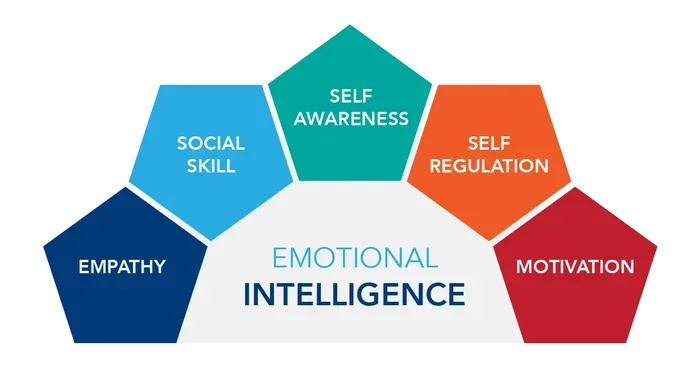
Not every sharp remark or quiet withdrawal means someone lacks empathy. Yet certain repeated habits quietly reveal low emotional awareness. This guide breaks down those subtle behaviors, explains why they matter in love and friendship, and shows you how to respond with clarity. You will learn to spot the patterns early, set gentle boundaries, and protect your own emotional energy.
This is a comprehensive guide about If Someone Displays These Subtle Behaviors Theyre Not An Emotionally Intelligent Person.
Key Takeaways
- Small repeated habits reveal emotional blind spots: dismissive comments, poor listening, and deflection often signal low self-awareness.
- Emotional intelligence shapes relationship quality: people who manage feelings well create safer, more trusting connections.
- Watch for deflection and blame-shifting: avoiding accountability usually points to weak emotional regulation.
- Set clear boundaries early: you cannot fix someone else, but you can protect your peace with calm limits.
- Look for patterns, not single moments: stress can cause anyone to slip, so track consistency over time.
- Protect your own emotional health: healthy relationships thrive when both people show empathy, respect, and honest communication.
[FEATURED_IMAGE_PLACEHOLDER]
If Someone Displays These Subtle Behaviors Theyre Not Emotionally Intelligent
Relationships feel easier when both people understand feelings. You notice it in small moments. A friend listens without interrupting. A partner admits a mistake without turning it into a fight. These moments build trust. They also show emotional awareness in action.
But not everyone grows up learning these skills. Some people miss the signs. Others confuse confidence with emotional maturity. The truth is simpler. If someone displays these subtle behaviors theyre not emotionally intelligent, and those habits show up long before any big conflict. You do not need a dramatic breakup or a shouting match to see the pattern. You just need to pay attention.
This article walks you through the quiet signals. You will learn what to watch for, why these habits matter, and how to respond without losing your own balance. The goal is not to label people. The goal is to help you see clearly, choose wisely, and protect your peace.
The Quiet Signs Of Low Emotional Intelligence
Emotional intelligence is not about being perfect. It is about noticing feelings, naming them, and choosing a thoughtful response. People with strong emotional awareness do this most of the time. They pause before reacting. They check their tone. They care how their words land.
People with lower emotional awareness often do the opposite. They move fast. They speak without filtering. They miss the room. These habits are easy to miss at first because they look like personality quirks. They are not. They are patterns.
They Interrupt And Talk Over You
You share something important. They jump in with their own story. The conversation shifts away from you before you finish. This habit feels small, but it sends a clear message. Your thoughts do not matter as much as their next sentence.
Emotionally aware people listen first. They ask follow-up questions. They let silence sit for a moment. If someone constantly talks over you, they are likely struggling with self-regulation and empathy. You can test this gently. Pause mid-sentence and see if they notice. If they do not, the pattern is real.
They Dismiss Your Feelings Quickly
You say you feel hurt. They reply with, “You are overreacting.” Or they say, “It is not that serious.” These responses shut down the conversation fast. They also reveal a lack of emotional validation.
Validation does not mean agreement. It means recognition. A thoughtful person says, “I see why that bothered you.” A less aware person treats your feelings like a problem to fix or a joke to dismiss. Over time, this erodes trust. You stop sharing. You start protecting yourself.
Quick Tip: Try one calm sentence like, “I am not asking you to agree. I just need you to hear me.” Their response tells you a lot.
Why These Subtle Behaviors Matter In Relationships
People often think big betrayals define a relationship. They do matter. But small habits shape daily life more than we admit. They decide whether you feel safe speaking up. They decide whether you feel seen after a hard day. They decide whether conflict becomes a repair or a wound.
If someone displays these subtle behaviors theyre not emotionally intelligent, and that lack shows up in ordinary moments. You notice it when plans change. You notice it when you are tired. You notice it when you need support and get advice instead. These moments pile up. They create distance.
They Turn Every Conversation Into A Debate
You share a feeling. They treat it like a case to win. They counter with logic, examples, or “facts” that miss the point. This habit feels exhausting because feelings are not arguments. They are signals.
Emotionally intelligent people know the difference. They do not need to win every exchange. They care about connection first. If someone keeps debating your experience, they are likely protecting their own ego more than they are caring for the relationship.
They Struggle To Apologize Honestly
A real apology sounds simple. “I was wrong. I hurt you. I will try to do better.” That is it. Many people struggle with this. They add conditions. They say, “I am sorry you felt that way.” They shift the focus to your reaction instead of their action.
This matters because accountability builds safety. Without it, conflicts repeat. You start walking on eggshells. You start guessing what will trigger the next deflection. Over time, that tension drains your energy.
Emotional Intelligence And Self-Awareness Gaps
Self-awareness is the core of emotional intelligence. It means knowing your triggers, your habits, and your impact on others. People with strong self-awareness can say, “I got defensive there. Let me try again.” People with weak self-awareness often cannot see their own role.
This gap shows up in subtle ways. They describe themselves as “just honest” when they are actually harsh. They call themselves “calm” when they are shutting down. They miss the gap between their intent and their impact.
They Blame Outside Forces For Their Mood
Everything gets blamed on traffic, work, weather, or other people. Their mood becomes everyone else’s problem. This habit avoids personal responsibility. It also makes you feel like you must manage their emotions for them.
Healthy emotional awareness includes ownership. A person can say, “I am stressed, and I am taking it out on you. That is not fair.” That sentence changes everything. It opens the door to repair. Without it, the cycle continues.
They Cannot Read The Room
They share heavy news at the wrong time. They crack jokes during a serious moment. They push for closeness when someone needs space. These moments are not always malicious. Often they are just unaware.
Reading the room is a social skill. It requires attention, timing, and empathy. When someone lacks it, they create friction without meaning to. You end up managing the mood alone. That is not a fair share of the emotional load.
How To Spot These Habits Without Jumping To Conclusions
It is easy to label someone after one bad day. That is not fair or accurate. Stress, grief, and burnout can make anyone act out of character. The key is pattern recognition. Look for repeat behavior across different situations.
Also look at how they respond when you name the issue. A person with growing emotional awareness can hear feedback without exploding. They may not perfect it right away. But they will try. A person with low awareness usually gets defensive, minimizes, or turns the table.
Watch How They Handle Conflict
Conflict is a mirror. It shows what someone does under pressure. Do they listen? Do they name their part? Do they seek solutions? Or do they attack, withdraw, or rewrite the story?
Pay attention to the aftermath too. Do they revisit the issue with care? Do they check in later? Or do they act like nothing happened once the heat fades? The second pattern is a red flag. Repair matters as much as the first reaction.
Notice What They Do, Not Just What They Say
Words are easy. Consistency is harder. Someone can sound thoughtful in a calm moment and disappear when things get messy. Someone can promise change and repeat the same habit next week.
Trust the pattern. If their actions keep contradicting their words, believe the actions. Emotional intelligence shows up in repeated choices, not in impressive speeches.
Common Mistakes:
- Judging one bad moment as a permanent trait
- Ignoring your own discomfort because you want to be kind
- Assuming love automatically fixes emotional blind spots
- Trying to teach someone before they show readiness
What To Do When You Notice These Patterns
Seeing the pattern is only the first step. The next step is deciding what you will do with that knowledge. You cannot control another person. You can control your response, your boundaries, and your expectations.
Start small. Name what you need. Watch the response. Adjust based on what you learn. This is not about winning. It is about clarity.
Set Gentle But Clear Boundaries
Boundaries are not punishments. They are guidelines for how you want to be treated. You can say, “I need a calmer tone before we keep talking.” You can say, “I am not available for this conversation right now.” You can say, “I will step away if the yelling starts.”
These lines protect your energy. They also show the other person what respectful interaction looks like. Some people will meet you there. Some will not. Either way, you gain information.
Protect Your Own Emotional Energy
You are not responsible for fixing someone else’s emotional gaps. You are responsible for your own well-being. That means taking breaks, talking to supportive people, and noticing when you are over-giving.
If you want to explore how much responsibility you should carry for another person’s happiness, this piece on it is not your job to make others happy offers a helpful perspective. It reminds you that care and responsibility are not the same thing.
If you are wondering whether someone’s behavior reflects deeper trust issues, you may also find insight in how some people learn to not trust everybody. Understanding their background can explain the pattern without excusing it.
When Low Emotional Intelligence Becomes A Dealbreaker
Not every gap is a dealbreaker. Some people grow. Some people listen when you speak plainly. Some people show steady effort over time. Those are good signs. But some patterns stay fixed. They repeat. They worsen. They leave you feeling smaller.
That is when you have to decide what you can tolerate. A relationship should not cost you your self-respect. It should not leave you constantly bracing for the next misunderstanding.
Repeated Dismissal Of Your Needs
You ask for reassurance. You get impatience. You ask for space. You get guilt. You ask for honesty. You get evasion. This cycle tells you something important. Your needs are not a priority to them.
Needs are not demands. They are basic conditions for a healthy connection. If someone regularly ignores them, the relationship is out of balance. You deserve mutual care.
Consistent Lack Of Accountability
Accountability is the bridge between conflict and repair. Without it, the same problems return. You end up having the same conversation in different outfits. That is draining. It also prevents real closeness.
If you want to understand how repeated hurt can affect your own sense of self, how does not letting go of a relationship affect yourself offers a useful look at the emotional cost of staying stuck.
How To Protect Your Peace While You Decide
Clarity takes time. You do not have to decide everything today. You can observe. You can pause. You can ask better questions. The goal is to move from confusion to confidence.
Use this season to notice your own reactions. Do you feel relieved after talking to them, or drained? Do you feel safe being honest, or do you edit yourself? Your body often knows before your mind catches up.
Trust Your Experience Over Their Explanations
People can explain themselves in many ways. They can say they are stressed, misunderstood, or “just like that.” Explanations are not the same as change. Look for respectful action over time.
If they care about the relationship, they will show it. They will adjust. They will check in. They will make room for your experience. If they do not, believe what you are seeing.
Keep Your Support System Close
Do not isolate yourself when you are unsure. Talk to trusted friends. Write down what you notice. Return to your own values. Outside perspective can help you see clearly when emotions feel loud.
If you are dealing with someone whose anger feels intense or unpredictable, you may also want to read how to deal with someone who is bipolar and angry for practical ways to stay grounded while protecting your safety.
Final Thoughts On Spotting Emotional Blind Spots
Healthy relationships are built on small, repeated acts of care. Listening matters. Accountability matters. Respect matters. When those pieces are missing, the connection starts to feel heavy. You may not hear dramatic warning signs. You may just feel it.
If someone displays these subtle behaviors theyre not emotionally intelligent, and that lack shows up in how they listen, how they apologize, and how they handle pressure. You do not need to diagnose anyone. You only need to notice the pattern and decide what you will tolerate.
Choose clarity over hope alone. Choose consistency over charm. Choose relationships that leave you feeling steady, not constantly bracing. That is how you protect your heart and make room for people who can meet you with real emotional presence.
Question?
What are the first signs of low emotional intelligence?
The first signs are often small and repeated. Someone may interrupt often, dismiss your feelings, or deflect blame instead of owning their part. These habits show up in ordinary moments, not just during big arguments.
Can someone become more emotionally intelligent over time?
Yes, growth is possible with self-reflection and practice. A person needs to notice their patterns, accept feedback, and try new responses. Change takes consistency, not just good intentions.
How do I talk to someone about their emotional blind spots?
Use calm, specific language. Focus on one behavior and how it affects you. Keep the conversation short and clear. If they respond with respect, that is a good sign. If they attack or dismiss you, adjust your boundaries.
What is the difference between stress and low emotional intelligence?
Stress can make anyone act impatient or withdrawn for a short time. Low emotional intelligence shows up as a repeated pattern across situations. The key difference is consistency and willingness to repair.
Should I stay in a relationship if someone lacks emotional awareness?
That depends on the pattern and your limits. Some people improve with time and effort. If the behavior stays fixed and leaves you feeling dismissed or unsafe, it may be time to reconsider the relationship.
How do I protect myself from getting drained by these dynamics?
Set clear boundaries and keep your expectations realistic. Do not over-function for someone who will not meet you halfway. Spend time with people who listen well and respect your feelings.
Frequently Asked Questions
What is If Someone Displays These Subtle Behaviors Theyre Not An Emotionally Intelligent Person?
If Someone Displays These Subtle Behaviors Theyre Not An Emotionally Intelligent Person is an important topic with many practical applications.
