
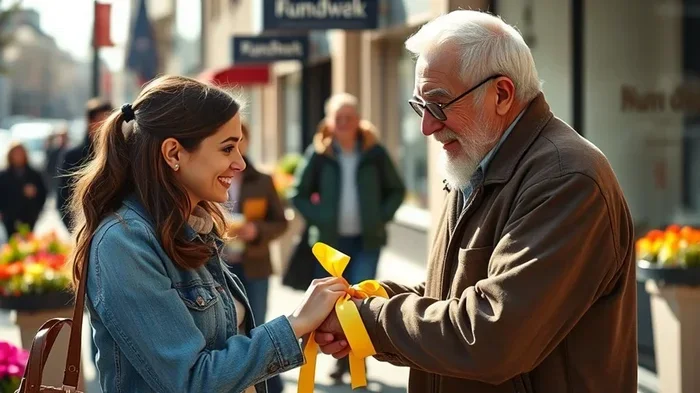
Noticing small acts of kindness can change how you see people. When you pay attention, you will find that genuine goodness often hides in quiet moments. This guide shows you what to look for in everyday interactions. You will learn to trust your instincts about character. Kind people leave a special mark on your life without trying.
Key Takeaways
- Small gestures matter most: True kindness shows up in tiny daily actions, not big speeches.
- Listening is a superpower: Nice people give their full attention without waiting to talk.
- Respect for others is key: How someone treats service workers reveals their true character.
- Consistency builds trust: Good people act kindly even when no one is watching.
- Empathy drives behavior: Understanding feelings comes before fixing problems.
- Humility stands out: Really nice people do not brag about their good deeds.
- Patience under stress: Kindness shines brightest when things go wrong.
📑 Table of Contents
- Why Small Actions Reveal True Character
- Listening Without Interrupting Shows Respect
- How They Treat Service Workers Matters
- They Celebrate Your Wins Without Jealousy
- They Remember the Small Details About You
- They Apologize Sincerely When Wrong
- They Offer Help Without Being Asked
- They Respect Your Boundaries
- They Stay Calm During Stress
- They Make You Feel Safe to Be Yourself
- Common Mistakes When Judging Character
- Conclusion
Why Small Actions Reveal True Character
We often judge people by their words. But words can be tricky. Anyone can say they are kind. The real test happens in quiet moments. You might wonder if someone displays these subtle behaviors theyre a really nice person. The answer is usually yes. Small actions tell the truth about someone’s heart.
Think about how people treat strangers. A truly good person holds the door open. They say thank you to the cashier. These things seem small. But they show respect for others. Big gestures are easy to fake. Small habits are hard to hide. Your brain notices these patterns over time.
Research shows we trust actions more than words. This is basic human psychology. We look for consistency. When someone is always polite, we feel safe around them. When they are only polite to impress us, we sense it. Trust grows from repeated positive interactions. You do not need a degree to spot this.
The Power of Everyday Kindness
Everyday kindness builds strong relationships. It creates a warm feeling between people. You feel seen and valued. This is different from grand romantic gestures. Flowers are nice. But remembering your coffee order matters more. It shows they listen. It shows they care about details.
Good people make others feel comfortable. They do not dominate conversations. They ask questions about your life. They remember important dates. These behaviors signal emotional maturity. You can learn more about character by watching these habits. If you want to understand people better, check out how to know if someone is a good person.
Why We Overlook Subtle Signs
Modern life moves fast. We rush through our days. We miss the small moments. Phones distract us. Stress makes us tunnel vision. We focus on big problems. We ignore the quiet goodness around us. This is a mistake. The small things add up to a big picture.
Slow down to observe. Watch how people interact. Look for patterns. Do they smile at the janitor? Do they let someone merge in traffic? These moments define character. You will start seeing the world differently. You will spot the nice people faster.
Listening Without Interrupting Shows Respect
Communication is a two-way street. Nice people know this truth. They listen to understand, not to reply. This is a rare skill. Many people wait for their turn to talk. They plan their story while you speak. A good person puts their phone away. They make eye contact. They show you matter.
Interrupting feels rude. It breaks connection. Kind people wait for pauses. They ask follow-up questions. They remember what you said last time. This proves they value your thoughts. You feel heard in their presence. This builds deep trust over time.
Signs of Active Listening
Active listening looks like nodding. It looks like leaning in. It sounds like saying “tell me more.” A nice person reflects your feelings. They might say, “That sounds hard.” They validate your experience. They do not rush to fix it. Sometimes you just need to be heard.
- Eye contact: They look at you, not their screen.
- Body language: They face you directly.
- Questions: They ask about your feelings.
- Memory: They recall small details you shared.
- Patience: They let you finish your thoughts.
These signs show emotional intelligence. They show a secure attachment style. You can learn more about connection styles in relationships. For example, understanding how to be with someone with a disorganized attachment style helps you see why listening matters so much. People need safety to open up. Good listeners provide that safety.
How They Treat Service Workers Matters
You can learn a lot from watching someone in public. Go to a restaurant with them. Watch how they treat the waiter. Do they say please and thank you? Do they make eye contact? Or do they act like the staff is invisible? This is a major character test.
Nice people respect everyone equally. They do not treat bosses better than cleaners. They understand every job has value. They know service workers have hard days too. They offer patience when things go slow. They do not snap when food is late. This shows genuine empathy.
The Waiter Rule
There is a famous saying called the waiter rule. It says you can tell a lot by how someone treats service staff. If they are rude to the waiter, they are rude to everyone. If they are kind, they are kind everywhere. This rule holds up in real life. It is a reliable indicator of character.
Watch for these behaviors:
- Polite language: Using “please” and “thank you” consistently.
- Eye contact: Acknowledging the person, not just the task.
- Patience: Not complaining over small delays.
- Generosity: Leaving a fair tip without being asked.
- Respect: Not snapping fingers or yelling.
These actions cost nothing. But they mean everything. A person who does this is likely a good friend. They will treat you well too. They do not put on a show for authority figures. Their kindness is authentic.
They Celebrate Your Wins Without Jealousy
Jealousy is a common human emotion. But nice people manage it well. They do not let envy ruin your joy. When you share good news, they light up. They ask questions. They congratulate you sincerely. They do not compare your success to theirs.
Insecure people struggle with this. They might downplay your achievements. They might change the subject quickly. They might act quiet or distant. A truly nice person wants you to win. They know your success does not lessen their own. They feel happy for you. This is a sign of secure love.
Toxic vs. Healthy Responses
It helps to know the difference. Toxic responses drain your energy. Healthy responses boost it. You can feel the difference in your body. Do you feel excited or deflated after talking to them? Your gut knows the answer. Trust that feeling.
| Behavior | Nice Person | Insecure Person |
|---|---|---|
| Your promotion | Cheers and asks about your plans | Changes the subject or stays quiet |
| Your new relationship | Asks how you met and feels happy | Makes jokes or acts suspicious |
| Your hobby success | Encourages you to keep going | Says it is a waste of time |
| Your hard work | Acknowledges your effort | Says anyone could do it |
Supportive friends make life better. They are your cheerleaders. They stand by you in hard times too. This balance matters. If someone displays these subtle behaviors theyre a really nice person. You can build a future with them. You feel safe sharing your dreams.
They Remember the Small Details About You
Memory is a form of love. When someone remembers your coffee order, it matters. When they ask about your sick cat, it shows care. These details seem minor. But they prove someone is paying attention. They prove you are on their mind.
Nice people keep mental notes. They remember your birthday. They remember your favorite snack. They remember your fears. They use this info to make you feel special. They do not do it for show. They do it because they care. This builds a strong bond.
Why Details Build Trust
Trust grows in small moments. Every remembered detail is a brick in the wall. Over time, the wall becomes strong. You know they will not forget you. You know they value your connection. This reduces anxiety in the relationship. You feel secure.
If you struggle with trust, this helps. Knowing someone remembers you heals wounds. It shows consistency. It shows they are present. You can explore more about rebuilding trust in life. For instance, how do you start trusting yourself after a midlife crisis offers insights on rebuilding confidence. When you trust yourself, you spot good people easier.
They Apologize Sincerely When Wrong
Everyone makes mistakes. Nice people admit them. They do not make excuses. They do not blame you. They say sorry and mean it. They try to fix the problem. This shows humility. It shows they value the relationship more than their ego.
Bad apologies sound fake. They say “I’m sorry you feel that way.” This shifts blame. A good apology says “I’m sorry I hurt you.” It owns the action. It validates your pain. This clears the air. It allows healing to start.
The Anatomy of a Real Apology
A real apology has three parts. First, they admit the mistake. Second, they express regret. Third, they plan to change. This process restores trust. It shows maturity. It shows they care about your feelings.
- Ownership: “I made a mistake.”
- Empathy: “I see this hurt you.”
- Action: “I will do better next time.”
People who cannot apologize struggle in relationships. They stay stuck in conflict. Nice people move through conflict. They repair the bond. This makes them safe to be around. You know they will not leave you hanging when things go wrong.
They Offer Help Without Being Asked
Waiting for a request is passive. Nice people act proactively. They see a need and fill it. They notice you are tired. They offer to cook dinner. They see you are stressed. They offer to listen. They do not wait for you to crash.
This behavior shows high awareness. It shows they are tuned into your needs. They do not keep score. They help because they want to. Not because they want praise. This is selfless kindness. It is a hallmark of a good person.
Reading Unspoken Needs
Some people are bad at asking for help. They suffer in silence. A nice person notices this. They step in gently. They offer support without pressure. They respect your independence but offer a hand. This balance is key.
If you need support, look for this trait. It shows emotional attunement. It shows they care about your well-being. You can learn more about supporting others too. For example, knowing what to say to someone who lost a loved one helps you understand deep empathy. Kind people know how to show up in pain. They do not flee from hard emotions.
They Respect Your Boundaries
Boundaries keep us safe. Nice people honor them. If you say no, they accept it. They do not push or guilt you. They respect your time. They respect your space. They understand limits are healthy. They do not take it personally.
Disrespecting boundaries is a red flag. It shows control issues. It shows selfishness. A good person listens when you set limits. They adjust their behavior. They make you feel comfortable. This creates a healthy dynamic. You can be yourself around them.
Setting Limits Together
Healthy relationships have mutual respect. Both people set boundaries. Both people honor them. This creates safety. You do not walk on eggshells. You know your voice matters. This is essential for long-term happiness.
If you need to set boundaries, do it clearly. A nice person will listen. They will not get angry. They will appreciate your honesty. This proves their character. It shows they value you more than their wants.
They Stay Calm During Stress
Stress reveals true colors. Nice people try to stay calm. They do not lash out at you. They manage their emotions. They seek solutions. They do not panic easily. This makes them reliable partners. You feel stable around them.
Everyone gets stressed. The difference is reaction. Some people scream or shut down. Nice people breathe and talk. They ask how to help. They share the burden. This makes hard times easier. You face problems as a team.
Emotional Regulation Signs
Look for these signs in tough moments:
- Deep breathing: They pause before reacting.
- Solution focus: They ask “what can we do?”
- Supportive tone: They speak softly, not harshly.
- Patience: They allow time to process.
- Team mindset: They say “we” not “you.”
This stability is rare. It is a gift. Life is full of chaos. Having a calm person helps you survive. They anchor the ship. They keep things from sinking. This is a huge sign of goodness.
They Make You Feel Safe to Be Yourself
Authenticity is hard. Many people wear masks. Nice people let you take yours off. You do not feel judged. You do not feel pressured. You can laugh loudly. You can cry openly. They accept you as you are.
This safety is precious. It allows deep connection. You do not waste energy pretending. You feel relaxed. You feel loved. This is the ultimate test of kindness. If you feel free around them, they are a good person.
The Freedom of Acceptance
Acceptance heals loneliness. It tells you that you are enough. You do not need to change to be loved. Nice people see your flaws. They still choose you. This unconditional regard is powerful. It boosts your self-worth.
If you feel judged, pay attention. That is a sign of insecurity in them. A nice person celebrates your uniqueness. They do not try to fix you. They enjoy you. This is how you know you found something special.
Common Mistakes When Judging Character
We often rush to judge. We let one bad moment define someone. This is unfair. People have off days. Stress makes anyone snappy. Look at the pattern, not the single event. Consistency is the key metric.
Do not ignore red flags either. Kindness should not be manipulative. Nice people do not use kindness to control you. They do not expect something in return. True kindness is free. Watch out for strings attached.
Quick Tips for Observation
- Wait and watch: Give it time to see patterns.
- Check consistency: Are they kind to everyone?
- Trust your gut: If it feels off, it might be.
- Look for reciprocity: Do they take as well as give?
- Notice stress responses: See how they handle crisis.
Use these tips to guide you. Do not be naive. Be wise. Kindness is beautiful. But you need to see the whole picture. If someone displays these subtle behaviors theyre a really nice person. But always protect your heart too.
Conclusion
Finding a truly nice person is a gift. It changes your life. You feel safer. You feel happier. You feel understood. Look for the small signs. Watch how they listen. Watch how they treat others. Watch how they handle stress.
If someone displays these subtle behaviors theyre a really nice person. Trust what you see. Trust what you feel. Build relationships with those who lift you up. Life is too short for anything less. Choose kindness. Seek kindness. And be kind yourself.
Frequently Asked Questions
What are the first signs of a genuinely nice person?
The first signs are usually small acts of kindness. They hold doors, say thank you, and listen well. These actions show they respect others without needing praise.
How can I tell if someone is faking kindness?
Fake kindness often stops when no one is watching. Watch how they treat service workers or when they are stressed. Real kindness is consistent across all situations.
Why do nice people listen so well?
Nice people value connection over being right. They want to understand your feelings. This shows emotional maturity and makes you feel safe sharing your thoughts.
Is it okay to expect people to remember small details?
Yes, remembering details shows they care about you. It proves you are on their mind. This builds trust and makes the relationship feel deeper and more meaningful.
What if someone is nice only to me but rude to others?
This is a warning sign. True character shows in how they treat everyone. If they are rude to waiters but nice to you, they may be manipulating your perception.
Can a nice person still have bad days?
Yes, everyone has bad days. A nice person might get stressed but still tries to be respectful. Look for how they recover and apologize after the stress passes.
