
Can an LLC get a 30 year mortgage? The short answer is yes, but the process is not the same as a personal home loan. LLC mortgage loans often come with different rules, higher down payments, and stricter income requirements. Many investors use business entity financing to protect assets and simplify ownership. This guide breaks down exactly how it works and what you need to prepare.
This is a comprehensive guide about Can An Llc Get A 30 Year Mortgage.

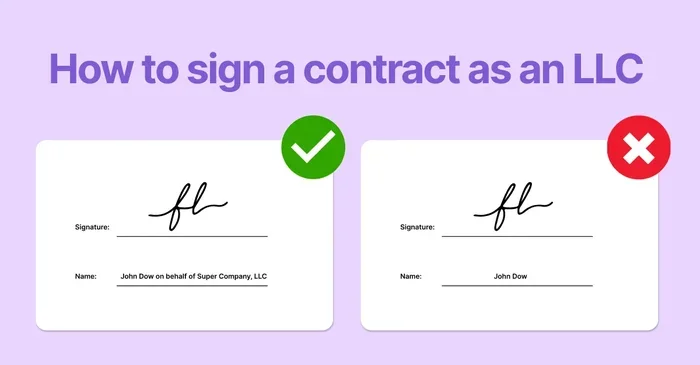
Visual guide about LLC business mortgage signing
Image source: newrez.com

Visual guide about LLC business mortgage signing
Image source: abcnotarysign.com

Visual guide about LLC business mortgage signing
Image source: static.vecteezy.com
Key Takeaways
- LLC mortgages exist: Lenders do offer 30-year terms to business entities, but availability varies by lender and loan type.
- Qualification differs: LLCs must show strong financials, credit history, and often higher down payments than personal buyers.
- Commercial vs residential: Many LLC loans fall under commercial guidelines, which can affect rates, terms, and closing costs.
- Personal guarantees are common: Lenders often require owners to personally back the loan, especially for newer or smaller entities.
- Entity structure matters: Single-member LLCs, multi-member LLCs, and holding companies face different underwriting standards.
- Documentation is heavier: Expect to provide operating agreements, EINs, bank statements, tax returns, and property details.
- Professional guidance helps: Working with a lender experienced in LLC real estate loans can save time and improve approval odds.
[FEATURED_IMAGE_PLACEHOLDER]
Can an LLC Get a 30 Year Mortgage? Understanding the Basics
Many property investors ask the same question: can an LLC get a 30 year mortgage? The answer is yes, but the path looks different from a standard personal home loan. An LLC is a business entity, so lenders treat it as a commercial or investment borrower in most cases. That means the rules shift a bit. You will usually see different income verification steps, different credit checks, and sometimes different rate structures.
Still, a 30-year term is not out of reach. Some lenders offer long amortization periods for LLC-owned properties, especially when the loan is structured for investment or rental use. The key is knowing what lenders want to see and how to present your LLC as a strong borrower. When you understand the process, you can move faster and avoid surprises.
This guide walks you through the entire landscape. You will learn how LLC loans work, what documents you need, where the pitfalls hide, and how to improve your chances of approval. If you are planning to buy property through your business, this information will help you make smarter decisions.
How LLC Mortgage Loans Work
When you apply for a loan as an LLC, the lender looks at the entity itself, not just you as an individual. That does not mean your personal credit disappears. In fact, many lenders still review the credit of the managing members or owners. They also look at the LLC’s financial health, cash flow, and business history. The goal is to understand whether the entity can support the debt over time.
The loan may be classified as a commercial loan, a business-purpose residential loan, or an investment property loan. The classification changes the terms. Commercial-style loans often carry higher rates and fees, but they can still offer long repayment windows. Some lenders structure the loan with a 30-year amortization, even if the actual loan term is shorter with a balloon payment. That detail matters, so always read the fine print.
Another important point is ownership. Lenders want to know who controls the LLC and who will guarantee the loan. If the LLC is new, the lender may rely more heavily on the personal financial strength of the owners. If the LLC has a track record, the lender may focus more on business income and assets. Either way, the entity must appear stable and capable.
Personal Guarantees and Owner Involvement
A lot of people assume an LLC loan means zero personal responsibility. That is not always true. Many lenders ask for a personal guarantee, especially if the LLC is small or relatively new. A personal guarantee means the owner agrees to cover the debt if the LLC cannot. This reduces the lender’s risk and can improve approval odds.
Some loans may also require the owners to pledge personal assets or show significant liquidity. This is common when the property is expensive or the LLC has limited operating history. The good news is that a personal guarantee does not necessarily mean the LLC structure is useless. You still gain the benefits of separation between personal and business ownership, which many investors value.
Loan Classification and Terms
Not all LLC loans are built the same. Some are true 30-year fixed loans. Others use a long amortization with a shorter term, such as 15 or 20 years, followed by a balloon payment. Some are adjustable-rate loans. The structure depends on the lender, the property type, and the borrower’s profile. Investment properties often fall into a different bucket than primary residences, even when the buyer is an LLC.
You should also expect differences in closing costs. LLC loans can include extra fees for entity verification, underwriting, and documentation. These costs are not always huge, but they can add up. Always compare the full cost of the loan, not just the interest rate. A slightly higher rate with lower fees may be better than a low rate with heavy upfront costs.
Qualifying for a 30-Year LLC Mortgage
So, can an LLC get a 30 year mortgage with strong terms? It helps to know what lenders evaluate. The first thing they review is creditworthiness. That includes the credit of the LLC, if it has an established credit profile, and the credit of the owners. A solid credit history signals lower risk. A weak credit profile can lead to higher rates or denial.
Next comes income and cash flow. Lenders want evidence that the LLC can handle the monthly payment. If the LLC already owns rental properties or operates a business, the lender may review operating statements, bank deposits, and tax returns. If the LLC is new, the lender may lean more on the owners’ personal income and assets. Either way, you need to show the ability to repay.
The property itself also matters. Lenders assess the value, condition, and use of the property. A single-family rental may be viewed differently from a mixed-use building or a commercial space. The loan-to-value ratio is another big factor. LLC loans often require more equity upfront, which means a larger down payment. That reduces the lender’s exposure and can make the loan easier to approve.
Down Payments and Equity Requirements
Down payment expectations for LLC loans are often higher than for personal residence loans. Many lenders want to see more skin in the game. That can mean 20 percent, 25 percent, or more, depending on the property and the loan type. The exact number varies, but the pattern is clear: LLC financing usually asks for more equity.
A larger down payment can also improve your rate and terms. It shows commitment and lowers the lender’s risk. If you can bring more equity to the table, you may gain access to better options. On the other hand, if cash is tight, you may need to shop more carefully. Some lenders are more flexible than others, especially when the overall financial picture is strong.
Credit, Income, and Entity History
Credit is a major piece of the puzzle. A strong personal credit score can help even when the loan is in the LLC’s name. Lenders often look for a clean payment history, manageable debt levels, and no recent major derogatory marks. If the LLC has its own credit file, that file matters too. Business credit can support the application, especially for larger or more established entities.
Income verification can be more detailed for LLCs. You may need to provide business bank statements, profit-and-loss statements, balance sheets, and tax returns. If the LLC is part of a larger portfolio, the lender may also review the performance of other properties. The more organized your paperwork is, the smoother the process becomes. Messy records can slow things down or create doubts about the entity’s stability.
LLC vs Personal Mortgage: What Changes
It helps to compare the two paths side by side. A personal mortgage is usually simpler because the borrower is one person or a married couple. The income, credit, and assets are straightforward. An LLC mortgage adds another layer because the lender must evaluate the entity and its owners. That extra layer can mean more paperwork, more scrutiny, and sometimes different pricing.
The property use also matters. If you are buying a home to live in, a personal loan is often the easiest route. If you are buying an investment property through an LLC, the loan is more likely to be treated as a business or investment loan. That distinction can affect the interest rate, the down payment, and the available loan terms. It does not mean a 30-year loan is impossible. It just means the path is different.
| Factor | Personal Mortgage | LLC Mortgage |
|---|---|---|
| Borrower profile | Individual or household credit and income | LLC financials plus owner credit and guarantees |
| Documentation | Pay stubs, tax returns, bank statements | Operating agreement, EIN, business statements, owner financials |
| Down payment | Often lower for primary residences | Often higher, especially for investment or commercial-use properties |
| Loan classification | Usually residential | Often business, investment, or commercial-purpose |
| Personal liability | Usually direct personal obligation | Often includes personal guarantee from owners |
| 30-year term availability | Common for many residential loans | Available with some lenders, but terms vary widely |
Documents and Steps to Apply
Applying for an LLC mortgage takes preparation. The more organized you are, the easier it is for the lender to move forward. Start by gathering the core documents that describe your entity and its financial position. Lenders usually want to see that the LLC exists, who owns it, and how it manages money.
You should also prepare the property details early. The lender will need information about the address, the purchase price, the intended use, and the estimated value. If the property is income-producing, be ready to share rent rolls, leases, or operating history. The more complete your package, the fewer delays you will face.
Common Documents to Prepare
- LLC formation documents: Articles of organization or similar filing that proves the entity exists.
- Operating agreement: A document that shows ownership, management structure, and voting rights.
- Employer Identification Number: The LLC’s tax ID, since the loan is tied to the business entity.
- Business bank statements: Recent statements that show cash flow and account activity.
- Financial statements: Profit-and-loss reports, balance sheets, and sometimes tax returns.
- Owner credit and financial info: Personal credit details, income documentation, and asset statements if required.
- Property information: Purchase contract, appraisal or valuation, and details about the intended use.
The Application Process in Practice
The process usually starts with a conversation. You tell the lender what you want to buy, how the LLC is structured, and what your goals are. The lender then outlines what documents they need and what loan options may fit. This is the stage where you can ask direct questions about 30-year terms, fixed vs adjustable rates, and any balloon structures.
After that, the underwriting begins. The lender reviews the entity, the owners, the property, and the numbers. They may request more documents along the way. If everything lines up, you move toward closing. Closing may take longer than a simple personal loan because there is more to verify. Patience and responsiveness matter here.
Common Challenges and How to Overcome Them
One common challenge is the perception that LLC loans are always expensive or restrictive. That is not universally true, but it can feel that way if you work with the wrong lender. Some lenders are very comfortable with LLC borrowers, while others prefer personal loans only. The fix is simple: shop with lenders who regularly handle business-entity financing.
Another challenge is documentation fatigue. LLC applications can feel heavy, especially if your records are scattered. The best solution is to organize early. Create a clean packet with your formation documents, operating agreement, tax returns, bank statements, and owner financials. When the paperwork is tidy, the lender can focus on evaluating the loan instead of chasing missing items.
A third challenge is the personal guarantee requirement. Many borrowers want the LLC to stand alone, but lenders often want a backup plan. You can reduce the impact by strengthening the LLC’s financial profile. A strong cash position, a solid operating history, and good credit can make the loan look less risky. That may not eliminate the guarantee, but it can improve the overall deal.
Quick Tips for Stronger Approval Odds
- Keep business records clean: Maintain updated financials and separate business accounts from personal ones.
- Build entity credit: If possible, establish a business credit profile over time.
- Show liquidity: Cash reserves can reassure lenders, especially for newer LLCs.
- Explain the property use clearly: Lenders want to know whether the property is a rental, a commercial space, or another business-purpose asset.
- Compare multiple lenders: Terms vary a lot, so ask several lenders about LLC loan structures and 30-year options.
- Be responsive: Quick answers to document requests can keep the process moving.
When an LLC Mortgage Makes Sense
An LLC mortgage can be a smart fit when you want to hold real estate inside a business structure. Many investors use LLCs to organize ownership, manage liability, and keep properties separate from personal names. If you are building a portfolio, the structure can make sense from an asset-management perspective. The loan simply needs to match the goal.
This approach can also help when you already operate a business and want to keep property ownership aligned with that business. For example, a company may purchase a building for operations or hold rental units within a managed entity. In those cases, the LLC loan supports a broader business plan. The lender will still want to see that the numbers work, but the purpose is clearer.
There are also situations where a personal loan may still be the better choice. If you plan to live in the property, or if you want the simplest possible financing, a personal mortgage may be easier. The right choice depends on your goals, your risk tolerance, and the way you want to hold title. It is not about one option being universally better. It is about fit.
Common Mistakes to Avoid
- Assuming all lenders offer the same LLC terms: They do not. Some specialize in these loans, and some do not.
- Ignoring the personal guarantee: Always ask who is liable and under what conditions.
- Overlooking balloon payments: A 30-year amortization is not the same as a 30-year loan term.
- Mixing personal and business finances: That can complicate underwriting and weaken the entity’s profile.
- Skipping the full cost review: Compare rates, fees, and structures, not just the monthly payment.
Expert Insights on LLC Financing
Lenders generally want predictability. They like to see an LLC that looks organized, stable, and able to service debt. That means clear ownership, steady cash flow, and a property that makes sense for the loan. If the LLC is new, the lender may focus more on the owners’ financial strength. If the LLC is established, the lender may focus more on the business performance.
Another insight is that loan structure matters as much as rate. A 30-year amortization can create a manageable payment, but the actual loan term may be shorter. That is why borrowers should ask specific questions before committing. What is the full term? Is there a balloon? Is the rate fixed or adjustable? What happens at maturity? These details can change the entire plan.
It also helps to think long term. If you plan to hold the property for many years, you want a loan that fits that horizon. If you plan to refinance or sell sooner, a shorter-term structure may be fine. The best loan is the one that matches your strategy, not just the one with the lowest initial number.
Key Takeaways for LLC Borrowers
- Match the loan to the goal: Investment, business use, and long-term holding all point to different structures.
- Ask about the real term: Confirm whether the loan is truly 30 years or just amortized over 30 years.
- Prepare for more paperwork: Entity documents and financial records are central to the process.
- Shop with the right lenders: Experience with LLC borrowers can make a big difference.
- Keep the entity strong: Good records, clean finances, and solid credit improve your position.
Final Thoughts on LLC Mortgages
So, can an LLC get a 30 year mortgage? Yes, in many cases, but the loan may come through a different channel than a standard personal mortgage. The LLC must look credible, the property must fit the loan purpose, and the documentation must be thorough. When those pieces are in place, long-term financing is absolutely possible.
The main thing is to go in with a clear plan. Know what you want the property to do, know how your LLC is structured, and know which lenders are comfortable with business-entity borrowers. Ask direct questions about term length, guarantees, and repayment structure. A little preparation goes a long way when you are financing through an LLC.
If you take the time to compare options and organize your records, you can find a loan that supports your goals without creating unnecessary stress. LLC financing is not mysterious. It is simply a different process with its own rules. Once you understand those rules, you can move forward with confidence.
Frequently Asked Questions
Can an LLC get a 30 year mortgage for an investment property?
Yes, many lenders offer long-term financing for LLC-owned investment properties, but the terms vary. You may see a 30-year amortization with a shorter loan term, so it is important to confirm the full structure before signing.
Do LLC mortgages always require a personal guarantee?
Not always, but personal guarantees are common, especially for smaller or newer LLCs. Lenders often want owner backup to reduce risk, even when the loan is issued in the entity’s name.
Is the interest rate higher on an LLC mortgage?
It can be, depending on the lender, the property type, and the loan classification. Some LLC loans carry higher rates or fees, but competitive options exist when the financial profile is strong.
What documents does an LLC need to apply for a mortgage?
Lenders usually want formation documents, an operating agreement, an EIN, business bank statements, financial statements, and owner credit or income information. Property details and purchase contracts are also important.
Can a new LLC qualify for a 30-year loan?
A new LLC can qualify, but the lender may rely more heavily on the owners’ personal credit and financial strength. Strong liquidity, good credit, and a clear plan can improve the chances of approval.
Should I buy rental property in an LLC or my own name?
It depends on your goals. An LLC can help organize ownership and separate assets, while a personal loan may be simpler for a primary residence. Consider liability, financing ease, and long-term strategy before deciding.
