

Many people feel trapped when they want a divorce but cant afford to live on their own. This situation creates emotional stress and financial worry. You can still plan your exit carefully. Small steps like budgeting, saving, and seeking legal advice can help you regain control. This guide shows you how to move forward safely.
Key Takeaways
- Assess your finances first: List all income, debts, and shared expenses to understand your true financial picture.
- Create a realistic budget: Track every dollar and cut non-essential costs to build a separation fund.
- Explore temporary living options: Consider staying with family, negotiating a trial separation, or renting a room.
- Seek legal guidance early: A lawyer can explain spousal support, asset division, and low-cost legal resources.
- Protect your credit: Separate joint accounts, monitor statements, and avoid taking on new shared debt.
- Build a support network: Talk to trusted friends, counselors, or support groups to reduce emotional strain.
- Plan your timeline: Set clear savings goals and milestones so you can leave when you are ready.
📑 Table of Contents
- Why You Feel Trapped When You Want A Divorce But Cant Afford To Live On Your Own
- Understanding Your Real Financial Picture
- Practical Ways To Prepare For Living Alone
- Exploring Temporary Living Options
- Legal And Financial Steps To Protect Yourself
- Emotional Support And Smart Next Steps
- Common Mistakes To Avoid
- Quick Tips For Moving Forward
- Final Thoughts On Starting Over
Why You Feel Trapped When You Want A Divorce But Cant Afford To Live On Your Own
Money stress can make any big decision feel impossible. When you want a divorce but cant afford to live on your own, fear often takes over. You may think you have no good choices. You may worry about your children, your safety, or your future. These concerns are real. They deserve careful attention.
The Emotional Weight Of Financial Fear
Financial fear can feel like a heavy blanket. It can keep you awake at night. It can also make you doubt your own strength. You may ask yourself if leaving is worth the risk. That question is normal. Many people feel the same way. The key is to separate emotion from action. You can feel scared and still make a plan.
Why Planning Matters More Than Speed
Rushing can create more problems. A rushed move may lead to bad leases, high interest, or lost savings. A slow, steady plan gives you time to prepare. You can save money, gather documents, and learn your rights. You can also test your budget before you sign a lease. This approach lowers risk and builds confidence.
Understanding Your Real Financial Picture

Visual guide about Divorce financial hardship concept
Image source: isakovgroup.com
Before you make any big move, you need a clear view of your money. Start with a simple list. Write down your income, your expenses, and your debts. Include everything you share with your spouse. Also include anything you own alone. This step helps you see what is possible.
Track Every Dollar You Spend
Small expenses add up fast. Coffee, subscriptions, dining out, and impulse buys can drain your funds. Tracking your spending shows you where your money goes. You can use a notebook, a spreadsheet, or a budgeting app. Pick the tool that feels easiest. The goal is clarity, not perfection.
Separate Joint Accounts Carefully
Shared accounts can complicate a split. You may have joint savings, credit cards, or loans. Open your own basic account if you can do so safely. Keep records of your balances and transactions. Avoid making large withdrawals without advice. A calm, careful approach protects you later.
Build A Simple Budget For One Person
A solo budget looks different from a family budget. You will need to cover rent, utilities, food, transportation, and insurance on your own. List your must-haves first. Then add a small emergency fund. Even a tiny buffer can reduce stress. If the numbers feel tight, look for areas to trim. You may be able to lower cable costs, switch phone plans, or cook more meals at home.
Practical Ways To Prepare For Living Alone
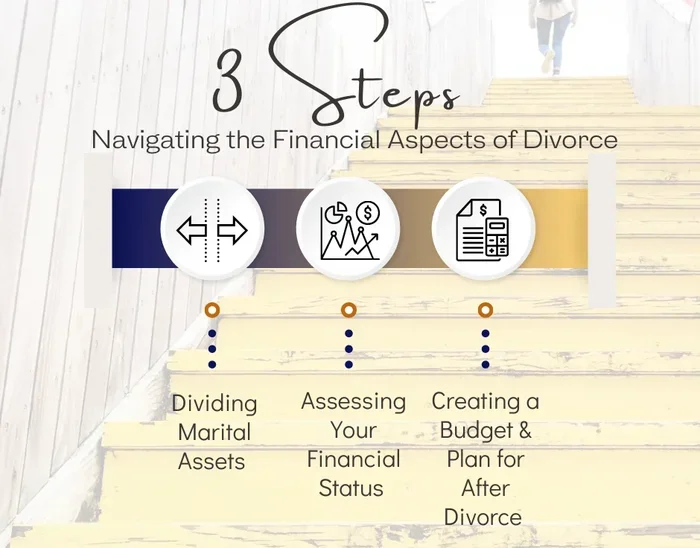
Visual guide about Divorce financial hardship concept
Image source: static.wixstatic.com
You may not be ready to move today. That is okay. Preparation gives you more power later. You can take small steps now that make independence easier later. These steps also help you feel less trapped.
Save A Separation Fund
A separation fund is money set aside for your first months alone. It can cover a deposit, first month rent, basic furniture, and emergency costs. Even a small fund matters. Save what you can each week or month. Put the money in a place that feels secure to you. If possible, keep it separate from shared accounts.
Cut Costs Without Hurting Your Health
You do not need to starve yourself to save money. Focus on trimming waste, not basic needs. Try simple swaps. Cook in batches. Use public transit when it makes sense. Shop sales for essentials. Pause subscriptions you rarely use. These changes can free up cash without lowering your quality of life too much.
Gather Important Documents
Paperwork matters during a divorce. Collect your key records before you move if you can. This may include tax returns, pay stubs, bank statements, mortgage papers, insurance policies, and any legal documents. Keep copies in a safe place. If you have children, include records that matter for custody or support. Being organized saves time and reduces panic later.
Exploring Temporary Living Options

Visual guide about Divorce financial hardship concept
Image source: png.pngtree.com
You do not have to jump straight into a full apartment. Temporary options can buy you time. They can also help you test your budget in a lower-risk way. Think of these as stepping stones, not permanent fixes.
Staying With Trusted Family Or Friends
Sometimes a short stay with someone you trust can help. It may give you a safe place while you save more money. Set clear expectations from the start. Talk about how long you may stay and what you will contribute. Clear communication prevents tension later. If this option feels right, make sure it also supports your peace and safety.
Negotiating A Trial Separation At Home
Some couples try a trial separation before a full split. This can be useful if both people agree to boundaries. You may keep the house but live more separately. You might divide chores, sleep arrangements, and finances in a new way. This path is not right for everyone. It works best when there is respect and clear communication.
Renting A Room Or Shared Space
A room in a shared home can be cheaper than a full apartment. This option lowers your monthly burden. It can also give you independence without the cost of an entire place. Look for safe neighborhoods, reliable roommates, and a lease that fits your needs. Read the agreement carefully before you sign.
Legal And Financial Steps To Protect Yourself
Money and law often go together during divorce. You do not need to know everything right away. You only need to know the next smart step. A little guidance can prevent costly mistakes.
Learn About Spousal Support And Asset Division
Many people wonder how support works. Rules vary by location and by situation. In some cases, one spouse may receive temporary support. In other cases, assets are divided in a specific way. You do not have to guess. A legal professional can explain what may apply to you. If cost is a concern, look for low-cost clinics, legal aid, or initial consultations.
Protect Your Credit During The Process
Credit can be affected when accounts are shared. Monitor your credit reports regularly. Check for accounts you do not recognize. Pay bills on time if you can. If you have joint debt, ask how it may be handled in your split. Protecting your credit now can help you rent, work, and borrow later.
Ask About Low-Cost Legal Help
Legal advice does not always have to be expensive. Some communities offer free or reduced-cost services. Law schools, nonprofit groups, and local bar associations may have resources. You can also ask about unbundled legal services, where a lawyer helps with only part of your case. This can lower the total cost while still giving you guidance.
Emotional Support And Smart Next Steps
Money is only one part of this journey. Your emotional health matters too. Leaving a marriage can bring relief, grief, fear, and hope all at once. You do not have to carry it alone.
Talk To Someone You Trust
A trusted friend or family member can listen without judging. You do not need a perfect script. You only need one safe person to start with. Share what feels manageable. If you prefer privacy, consider a counselor or support group. Talking can reduce the feeling that you are stuck in silence.
Make A Realistic Timeline
A timeline turns a big dream into smaller steps. Set goals you can actually reach. For example, you might save a set amount each month, gather documents by a certain date, or speak with a legal resource within two weeks. A timeline gives you direction. It also helps you notice progress, even when the finish line feels far away.
When To Move Faster For Safety
Some situations need urgent action. If you feel unsafe, your plan may need to change. Safety comes first. If you are worried about harm, reach out to local support services or a trusted person right away. You may need a different path than the one you expected. Your well-being always matters more than a perfect financial plan.
Common Mistakes To Avoid
When you want a divorce but cant afford to live on your own, it is easy to make rushed choices. A few careful habits can save you trouble. Watch for these common pitfalls.
- Leaving without a basic budget: Moving before you know your monthly costs can create immediate stress.
- Ignoring joint debt: Shared loans and cards can follow both people if not handled carefully.
- Spending your savings too fast: A small emergency fund can protect you from surprises.
- Waiting too long to ask for help: Early guidance can prevent bigger problems later.
- Assuming you must do everything alone: Support from professionals, friends, or community resources can make a real difference.
Quick Tips For Moving Forward
If you feel overwhelmed, focus on the next small step. Progress does not have to be dramatic. It just has to be steady.
- Start with one financial list: Income, expenses, debts, and shared obligations.
- Open a separate savings goal: Even a small monthly transfer helps.
- Check your credit report: Look for errors or accounts you do not recognize.
- Collect key documents: Keep them in a safe, accessible place.
- Speak with a legal resource: Ask about options that fit your budget.
- Build a support circle: One trusted person is a good start.
Final Thoughts On Starting Over
It is hard to feel caught between wanting change and fearing the cost. But wanting a divorce does not mean you have no options. It means you need a plan that fits your reality. You can prepare, save, learn your rights, and explore temporary housing. You can also protect your credit and your peace of mind along the way.
The path may take time. That does not mean you are failing. It means you are building a stronger foundation for the next chapter. Each small step gives you more freedom than you had before. When you are ready, you can move with more confidence and less fear.
Frequently Asked Questions
What can I do if I want a divorce but cant afford to live on my own?
Start by mapping your income, expenses, and debts. Then build a small emergency fund, gather important documents, and explore low-cost legal help. Temporary options like staying with trusted family or renting a room can also give you time to prepare.
How much money should I save before leaving a marriage?
The right amount depends on your local costs and your situation. Aim for a buffer that covers a deposit, first month rent, basic bills, and a small emergency fund. Even a modest amount can reduce stress and give you more choices.
Can I separate while still living in the same house?
Yes, some couples try a trial separation with clear boundaries. This can work if both people agree on space, finances, and expectations. It is not right for everyone, especially if there is conflict or safety concerns.
How do I protect my credit during a divorce?
Monitor your credit reports, pay bills on time when possible, and review joint accounts carefully. If you can, open your own basic account and keep records of balances and transactions. Early attention helps prevent surprises later.
Where can I get low-cost legal help if I have limited funds?
Look for legal aid groups, law school clinics, local bar associations, or nonprofit support in your area. Some lawyers also offer limited-scope services for specific tasks. These options can make guidance more affordable.
What if I feel unsafe and still cannot afford to move?
Safety comes first. If you worry about harm, reach out to a trusted person or local support service right away. You may need an urgent safety plan, even if your finances are not fully ready.