
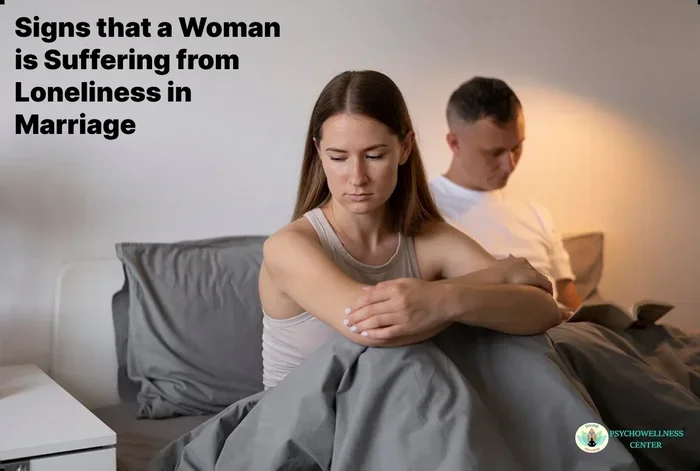
Many people wake up one day and feel like a stranger in their own life. I dont know who I am anymore lost identity in marriage is a real struggle that affects countless partners. You might have traded your hobbies, dreams, and personality for the sake of the relationship. This guide will help you understand why this happens and show you how to find yourself again. You deserve to feel like yourself while still building a strong life with your partner.
Relationships change us. That is a simple truth. When you commit to another person, your life shifts. You make room for their dreams, their habits, and their needs. At first, this feels natural. You want to build a life together. But over time, something else can happen. You might look in the mirror and feel like a stranger. I dont know who I am anymore lost identity in marriage is a phrase many people whisper to themselves when they feel this way.
This feeling can be scary. It can make you question your choices. You might wonder if you made a mistake. You might feel guilty for wanting your own space. These emotions are heavy. But they are also normal. Many people go through identity shifts in long-term partnerships. The goal is not to blame yourself or your partner. The goal is to understand what happened and find your way back to yourself. You can be a loving partner and still be your own person.
Key Takeaways
- Identity loss is common: Many people lose themselves in long-term relationships without realizing it.
- Self-reflection helps: You need to look inward to rediscover your true passions and values.
- Communication matters: Talking openly with your partner can rebuild your sense of self.
- Small steps work: You do not need to change everything at once to feel like yourself again.
- Therapy supports growth: Professional help can guide you through identity confusion safely.
- Balance is key: A healthy marriage allows both partners to grow as individuals.
- You are not alone: Many couples face this challenge and find their way back to themselves.
📑 Table of Contents
- Understanding Why I Dont Know Who I Am Anymore Lost Identity In Marriage Happens
- Recognizing the Signs of Lost Identity
- The Link Between Identity Loss and Relationship Health
- Practical Steps to Reclaim Your Identity
- When to Seek Support and Guidance
- Building a Balanced Life After Lost Identity
- Common Mistakes to Avoid
- Expert Insights on Identity and Marriage
- Key Takeaways
Understanding Why I Dont Know Who I Am Anymore Lost Identity In Marriage Happens
Identity loss does not happen overnight. It creeps in slowly. You start saying yes when you want to say no. You drop your hobbies to match your partner’s schedule. You stop seeing friends because your partner does not like them. These small choices add up. Before you know it, your life looks very different from the one you once had.
The Slow Fade of Self
Think about the early days of your relationship. You probably kept your own routines. You saw your friends. You pursued your interests. Then life got busy. Kids came along. Work demands grew. Your partner needed more support. You gave and gave. This is not a bad thing. Love requires sacrifice. But sacrifice should not mean erasing yourself. When you give up everything, you lose your sense of self. That is when the feeling of being lost sets in.
You might notice signs like these:
- You no longer know what you enjoy doing alone.
- Your hobbies feel like a thing of the past.
- You make decisions based on your partner’s preferences, not yours.
- You feel anxious when you think about taking time for yourself.
- Your friends say you have changed in ways that feel unfamiliar.
The Role of Expectations
Society often tells us that a good partner puts the relationship first. This message can be harmful. It suggests that your needs do not matter. It suggests that your identity is less important than the marriage. This is not true. A strong marriage needs two whole people. When one person shrinks, the relationship suffers. Resentment builds. Distance grows. You might even start to feel like you do not know who you are anymore.
You can learn more about how to handle these feelings by reading about what to do when you dont know what to do. Sometimes we need a clear path when we feel stuck.
Recognizing the Signs of Lost Identity
Before you can fix the problem, you need to see it clearly. Many people feel a vague sense of emptiness. They cannot name what is wrong. They just know that something feels off. Paying attention to your daily life can reveal the truth. Look for patterns that show you have drifted from yourself.
Common Signs to Watch For
You might feel a deep sadness that has no clear cause. You might feel angry when your partner asks for your time. You might feel numb during conversations that used to excite you. These are signals. Your mind and body are telling you that something is missing. You are not broken. You are just disconnected from your own needs.
Other signs include:
- You avoid making plans without your partner.
- You feel guilty when you take time for yourself.
- You cannot remember the last time you did something just for fun.
- Your opinions feel less important than your partner’s.
- You feel like you are living someone else’s life.
Why It Feels So Confusing
Identity loss is tricky because it looks like devotion. From the outside, you might seem like the perfect partner. You are always there. You are always helpful. But inside, you feel hollow. This gap between how you look and how you feel creates confusion. You might ask yourself if you are just being selfish. You might wonder if your feelings are valid. They are valid. Wanting to feel like yourself is not selfish. It is human.
If you are struggling with these emotions, you may find comfort in exploring emotional needs you should never ignore in a relationship. Your feelings matter, and your needs deserve attention.
The Link Between Identity Loss and Relationship Health
Many people think that focusing on yourself hurts the marriage. The truth is the opposite. When you lose yourself, the relationship loses depth. A partner who has no identity cannot bring fresh energy to the bond. You become a mirror instead of a person. This creates boredom, frustration, and distance. Your partner may not even notice at first. But over time, the relationship feels flat.
How Losing Yourself Affects Your Partner
Your partner may sense that something is wrong. They might feel like they are living with a stranger. They might feel responsible for your unhappiness. This creates pressure on both of you. The marriage becomes heavy. You might start to avoid each other. You might stop sharing your real thoughts. This cycle pushes you further apart. It also makes you feel more lost.
Why a Strong Self Helps the Marriage
When you know who you are, you bring more to the table. You have your own stories, your own passions, and your own perspective. This makes the relationship richer. You can support each other without losing yourselves. You can grow together while still growing as individuals. This is the healthiest way to love. It is also the most sustainable.
If you want to understand more about keeping your bond strong while staying true to yourself, you can explore relationship check in questions every couple should ask weekly. Regular conversations help you stay connected without losing your sense of self.
Practical Steps to Reclaim Your Identity
You do not need to make huge changes all at once. Small steps can help you feel like yourself again. The key is to start where you are. Be gentle with yourself. This process takes time. You are rebuilding something that was slowly lost. That takes patience.
Start With Small Reclamations
Think about one thing you used to love. It could be a book, a walk, a craft, or a song. Make time for that one thing this week. Keep it simple. You do not need a grand plan. You just need a small win. This tells your brain that your interests still matter. It also gives you a moment of joy that belongs only to you.
Try these small steps:
- Set aside fifteen minutes a day for something you enjoy.
- Say no to one request that drains you.
- Reach out to one friend you have not seen in a while.
- Write down three things you like about yourself.
- Do one activity without asking your partner first.
Rediscover Your Values
Your values are the core of who you are. They guide your choices. When you lose your identity, your values get buried. Take time to think about what matters to you. Do you value freedom? Creativity? Kindness? Adventure? Write these down. Let them guide your next steps. When you act in line with your values, you feel more like yourself.
Talk to Your Partner About Your Feelings
This can feel scary. You might worry that your partner will feel rejected. But honest communication is a gift. Tell your partner that you want to feel more like yourself. Make it clear that this is not about leaving the marriage. It is about growing within it. A good partner will listen. They may even share their own fears. This can bring you closer.
If you are not sure how to start this talk, you can read about what can i say to save my marriage for helpful conversation starters. Clear words can reduce fear and build trust.
When to Seek Support and Guidance
Sometimes the feeling of being lost runs deep. You might need more than small steps. You might need a safe space to explore your thoughts. Therapy can help with this. A counselor can help you untangle your feelings without judgment. You do not have to figure everything out alone.
Therapy as a Tool for Self-Discovery
Therapy is not just for crises. It is also a place for growth. You can talk about your identity, your fears, and your hopes. A therapist can help you see patterns you might miss. They can also help you build confidence. This can make it easier to reclaim your life. You deserve support as you find your way.
Friends and Community Matter Too
You do not have to do this work in isolation. Friends can remind you of who you are. They can reflect your strengths back to you. They can also offer a different perspective. Spend time with people who make you feel like yourself. Avoid people who make you feel small or guilty for wanting your own life.
If you feel unsure about your worth or your place in the world, you may benefit from reading how do i know if someone is a good person. Understanding character can help you choose relationships that support your growth.
Building a Balanced Life After Lost Identity
Reclaiming your identity is not a one-time event. It is a practice. You will need to keep checking in with yourself. Life will keep changing. Your needs will keep shifting. That is okay. The goal is to stay connected to yourself through all of it. This creates a life that feels real and meaningful.
Create Rituals That Belong to You
Rituals help you stay grounded. They can be simple. A morning walk. A weekly coffee with a friend. A night of reading alone. These moments remind you that your life has your mark on it. They also give you something to look forward to. Over time, these small rituals rebuild your sense of self.
Keep Communication Open
As you change, your partner will notice. Keep talking. Share what you are learning about yourself. Share what feels good and what feels hard. This keeps the marriage honest. It also prevents resentment. When both people feel seen, the relationship grows stronger. You can love each other better when you both feel like yourselves.
Watch for Old Patterns
It is easy to slip back into old habits. You might start saying yes too fast again. You might stop making time for yourself when life gets busy. Notice these moments. Gently correct them. You are learning a new way of living. That takes practice. Be kind to yourself when you stumble. The important thing is that you keep trying.
If you ever feel like the distance between you and your partner is growing, you can look at 14 signs a married woman is unhappy in her marriage to see if there are deeper issues to address. Awareness is the first step toward change.
Common Mistakes to Avoid
When you try to find yourself again, it is easy to make mistakes. Some of these mistakes can slow your progress. Others can hurt your relationship. Knowing what to avoid can help you move forward with confidence.
Here are some common pitfalls:
- Going too fast: Drastic changes can shock your partner and your own system. Small steps work better.
- Blaming your partner: Your identity loss is not their fault alone. Focus on your own growth.
- Ignoring your partner’s feelings: Your changes affect them too. Keep the conversation open.
- Thinking you must choose yourself or the marriage: You can do both. Balance is possible.
- Comparing yourself to others: Every relationship is different. Your path is your own.
Expert Insights on Identity and Marriage
Relationship experts often say that the healthiest couples are two whole people choosing to walk together. This means you do not need to merge into one person. You can keep your own mind, your own interests, and your own voice. This view is supported by many counselors and therapists. They stress that individuality strengthens commitment. When you feel like yourself, you show up more fully. You listen better. You love more freely.
Experts also note that identity loss often hides behind caretaking. You might think you are being loving. But if you are always giving and never receiving, you will burn out. A balanced relationship has room for both people to breathe. This is why self-reflection matters. It helps you see where you have gone too far in giving up yourself.
Key Takeaways
Finding yourself again is a journey. It starts with one honest moment. It grows with small choices. It deepens with support and patience. You do not have to stay lost. You can reclaim your identity and still honor your marriage. The path is not perfect. But it is worth it.
Here is what to remember:
- Start small: Tiny steps rebuild your sense of self.
- Know your values: They guide you back to who you are.
- Talk openly: Honest words reduce fear and build trust.
- Seek support: Therapy and friends can help you heal.
- Keep balance: A healthy marriage needs two whole people.
- Stay patient: Identity grows back over time, not overnight.
- Trust yourself: Your feelings are real and they matter.
Frequently Asked Questions
Why do I feel like I dont know who I am anymore after years of marriage?
This feeling often happens when you slowly give up your own interests, friends, and choices to focus on the relationship. Over time, your sense of self can fade, and you may feel lost or empty. The good news is that you can rebuild your identity with small, steady steps.
Is it normal to lose your identity in a marriage?
Yes, it is more common than many people admit. Long-term relationships can blur your boundaries and shift your priorities. This does not mean you failed. It means you need to check in with yourself and make room for your own needs again.
How can I find myself again without hurting my marriage?
Start with small changes that honor your interests and values. Talk to your partner in a calm, honest way. Make it clear that you want to grow, not leave. Most partners respond well when they understand that your growth can also strengthen the relationship.
What if my partner does not support my need for independence?
That can be hard, but it is still important to honor your needs. You may need to set gentle boundaries and keep building your own life. If the resistance continues, a counselor can help you both understand what is happening and find a healthier balance.
Can therapy help me feel like myself again?
Yes, therapy can give you a safe space to explore your thoughts and feelings. A counselor can help you spot patterns, rebuild confidence, and make choices that fit who you are. Many people find that therapy helps them reconnect with their true self.
How long does it take to reclaim my identity after feeling lost?
There is no fixed timeline. Some people feel better in a few weeks after making small changes. For others, it takes months of steady work. The important thing is to keep going. Even slow progress is still progress, and your sense of self can grow back over time.
