
When you applied for a mortgage and now getting calls, it can feel overwhelming. Lenders and affiliates often reach out to share rates, verify details, or offer new products. This guide explains why the calls happen, how to handle them, and what to watch for so you stay in control of your home loan journey.
This is a comprehensive guide about I Applied For A Mortgage And Now Getting Calls.
Visual guide about mortgage application phone call
Image source: homesforheroes.com
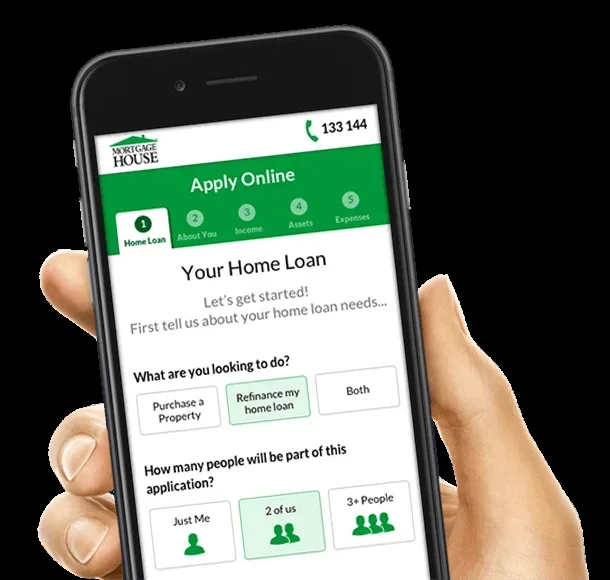
Visual guide about mortgage application phone call
Image source: mortgagehouse.com.au
Visual guide about mortgage application phone call
Image source: cdn.mos.cms.futurecdn.net
Key Takeaways
- Why the calls happen: Lenders, brokers, and affiliates contact applicants to confirm details, share competing offers, or upsell products.
- Consent matters: Many calls come from information you shared during application or from public records and inquiry data.
- Ask the right questions: Verify the lender name, loan type, rate, fees, and whether the offer is pre-qualification or pre-approval.
- Set boundaries: You can request no-call lists, specific contact times, and written details before making decisions.
- Compare carefully: Rate, APR, closing costs, and service quality matter more than the first number you hear on the phone.
- Protect your data: Avoid sharing sensitive info with unverified callers and confirm identities before proceeding.
- Stay organized: Track each call, note the offer, and compare options side by side to choose the best fit.
[FEATURED_IMAGE_PLACEHOLDER]
Why You Applied for a Mortgage and Now Getting Calls
It can feel surprising when your phone starts ringing after you submit a loan application. You might wonder who saw your information and why so many people are reaching out. The good news is that this is common. Mortgage markets are busy, and many companies try to connect with applicants quickly.
When you applied for a mortgage and now getting calls, it usually means your request entered a system that shares or matches applicant data. Some calls come from the lender you chose. Others come from partners, affiliates, or competing lenders. The goal is often to offer better terms, confirm details, or introduce new products.
This can be helpful. You may learn about lower rates or simpler processes. It can also be noisy. Too many calls can make it hard to focus on your current application. The key is to understand the reasons, sort the useful calls from the rest, and keep control of your timeline.
How Your Information Travels After You Apply
When you fill out a mortgage form, your data may move through several channels. The lender you chose sees it first. If you used a broker, the broker may share it with multiple lenders. Some platforms also allow affiliates to view lead information for a short time. This is how other companies learn you are shopping for a loan.
Public records and credit inquiries can also signal that you are active in the market. Lenders sometimes use these signals to reach out with offers. This does not mean your data was misused. It often means your activity matched a profile they target. Still, it helps to know who has your information and how it is used.
Who Is Calling and Why It Matters
Not all calls are the same. Some are from your loan officer. Some are from a different department at the same company. Others are from lenders you never contacted. Each group has a different reason. Your loan officer may call to verify income, ask for documents, or update your file. A competing lender may call to offer a lower rate or lower fees.
Affiliate callers may present themselves as counselors or specialists. They might offer to review your credit or find better deals. Some of these services are legitimate. Others are sales-focused. Knowing the difference helps you decide which calls deserve your time.
The Different Types of Calls You May Receive
After you apply, the phone traffic can vary a lot. Some calls are routine. Others are marketing. A few may be urgent. Understanding the types helps you answer with confidence and avoid confusion.
Service Calls From Your Lender
These are the most important. Your lender may call to clarify your application, request pay stubs, confirm employment, or discuss appraisal timing. These calls usually relate directly to your file. They often help the loan move forward. If you miss one, the process can slow down.
A good habit is to answer or return these calls promptly. Keep your documents ready. Write down the name of the person you speak with. Save any reference numbers. This makes follow-up easier and reduces back-and-forth.
Rate and Offer Calls From Other Lenders
These calls are common when you are actively shopping. Another lender may see that you are in the market and want to compete for your business. They may mention a lower rate, a reduced fee, or a faster closing. These offers can be useful if you compare them carefully.
Do not decide on the first call. Ask for the full picture. Rate alone does not tell the whole story. Ask about the APR, closing costs, points, and any special conditions. Write down the details and compare them with your current offer later.
Pre-Qualification Versus Pre-Approval Calls
Some callers will say you are pre-qualified. Others may say you are pre-approved. These terms are not the same. Pre-qualification is a quick review based on basic information. Pre-approval usually involves a deeper check of your finances. Both can be helpful, but they mean different things.
If a caller uses these terms, ask what documents they reviewed. Ask whether they pulled your credit and whether the offer is conditional. This helps you understand how strong the offer really is.
Marketing and Affiliate Calls
These calls are often less about your specific file and more about generating leads. The caller may offer to review your credit, find better rates, or connect you with a counselor. Some of these services can help. Others are mostly promotional. It is fine to listen, but be careful with your personal details.
If the offer sounds too good to be true, slow down. Verify the company name, website, and contact information. If you are not interested, it is okay to say so and end the call politely.
How to Handle Calls When You Applied for a Mortgage and Now Getting Calls
You do not have to answer every call the same way. A calm, organized approach works best. You can be polite, protect your time, and still gather useful information. The goal is to stay in control while keeping your application on track.
Set Simple Boundaries
You can tell callers when you are available. You can ask them to send details by email. You can request that they not call during work hours or late in the evening. Clear boundaries reduce stress and help you focus.
If you want fewer calls, ask to be placed on a no-call list for marketing calls. Keep in mind that service calls from your lender may still be necessary. Separate the two types so you do not block something important.
Ask the Right Questions
Before you commit to anything, ask a few basic questions. These help you compare offers and avoid confusion:
- Who is calling? Ask for the company name and the caller’s name.
- What loan type is this? Ask whether it is fixed, adjustable, FHA, VA, or conventional.
- What is the rate and APR? Ask for both, plus whether the rate is locked.
- What are the fees? Ask about origination, underwriting, processing, and closing costs.
- What documents are needed? Ask what they reviewed and what they still need.
- Is this pre-qualification or pre-approval? Clarify the stage of the offer.
These questions take only a minute or two. They give you a much clearer picture.
Verify Before You Share
If a caller asks for sensitive information, pause. Confirm the company, the phone number, and the purpose of the call. If anything feels off, do not share your Social Security number, bank details, or pay stubs right away. You can always call the company back using a number from their official website.
This simple step protects you from scams and mistaken identities. It also gives you time to think before you commit.
How to Compare Offers Without Getting Overwhelmed
Multiple calls can create a lot of options. That can be good, but only if you compare them well. A side-by-side review helps you see what truly matters. Focus on the total cost, the service quality, and the fit for your situation.
What to Compare First
Start with the basics. Then look deeper. A simple comparison table can help you keep track:
| Factor | What to Check | Why It Matters |
|---|---|---|
| Interest Rate | Fixed or adjustable, locked or floating | Sets your monthly interest cost |
| APR | Rate plus certain fees over the loan term | Shows the broader cost of borrowing |
| Closing Costs | Origination, appraisal, title, escrow, and more | Affects cash needed at closing |
| Points | Upfront fees to reduce the rate | Can lower monthly payments if you keep the loan |
| Lock Period | How long the rate is guaranteed | Protects you if rates move before closing |
| Service Style | Communication, responsiveness, and clarity | Affects how smooth the process feels |
This table keeps the comparison clear. You can add rows for special terms, like prepayment penalties or rate buydowns, if they apply.
Look Beyond the First Number
A low rate can be attractive. But a low rate with high fees may not be the best deal. A higher rate with strong service and a smooth close may be better for your timeline. Think about how long you plan to keep the loan. Think about how much cash you have for closing. Think about how much risk you want if rates change.
Write down the pros and cons of each offer. Keep your notes in one place. This makes it easier to choose with confidence.
Protecting Yourself From Scams and Pressure Tactics
Most callers are legitimate. Still, it helps to stay alert. Some people may exaggerate offers, rush your decision, or ask for payment too early. A calm review protects you from costly mistakes.
Watch for Red Flags
Be cautious if a caller does any of the following:
- Pressures you to decide immediately without giving you time to compare.
- Refuses to provide written details about the rate, fees, or terms.
- Asks for upfront fees before you have a clear, verified offer.
- Uses vague language about the loan type, lock, or conditions.
- Requests sensitive data without a clear reason or verification steps.
If you notice these signs, slow down. Ask for everything in writing. Verify the company independently. If needed, end the conversation and move on.
Keep Your Information Safe
Only share documents through secure channels when possible. Confirm the recipient before sending anything. If a caller says they represent a company you know, call that company back using a trusted number to confirm. This extra step is small, but it adds real protection.
Staying Organized Through the Call Flood
A tidy system makes the process easier. You do not need a complex setup. A simple notebook, spreadsheet, or notes app can work well. The goal is to track who called, what they offered, and what happens next.
Create a Simple Call Log
After each conversation, jot down a few details:
- Date and time of the call
- Caller name and company
- Loan type and term discussed
- Rate, APR, and fees mentioned
- Documents requested or already reviewed
- Next step and who is responsible
This log helps you avoid confusion. It also makes it easier to compare offers later. If a caller promises to send information, note the expected date and follow up if it does not arrive.
Keep Your Current Application Front and Center
While other offers come in, do not lose sight of the loan you already applied for. Stay in touch with your loan officer. Send requested documents on time. Ask about the timeline for underwriting and closing. A competing offer is useful, but your current file still needs attention.
If you decide to switch lenders, do it carefully. Make sure the new offer is verified and documented. Understand where you are in the process before making changes. A smooth transition is better than a rushed one.
Key Takeaways
Key Takeaways
- Expect the calls: After you apply, lenders, brokers, and affiliates may reach out to verify details or offer competing terms.
- Separate service calls from marketing calls: Prioritize calls that move your file forward and treat promotional calls as optional.
- Ask clear questions: Confirm the company, loan type, rate, APR, fees, and whether the offer is pre-qualification or pre-approval.
- Compare the full cost: Look at rate, APR, closing costs, points, lock period, and service quality together.
- Protect your data: Verify callers before sharing sensitive information and use trusted contact numbers when in doubt.
- Stay organized: Keep a simple call log and track each offer so you can compare calmly and confidently.
- Keep your timeline on track: Continue supporting your current application while you review new options.
Conclusion
When you applied for a mortgage and now getting calls, it can feel like a lot to handle. The calls usually mean you are active in the market and that lenders want to compete for your business. Some calls are helpful. Some are routine. A few may be purely promotional. The best approach is to stay calm, ask clear questions, and compare the full picture before deciding.
Focus on the offers that give you the strongest combination of rate, cost, and service. Protect your personal information. Keep your current application moving. Use a simple log so you can track details without stress. With a little organization, you can turn a flood of calls into useful options and choose the path that fits your goals.
Take your time, verify what matters, and trust the process. A thoughtful review now can save you money and frustration later.
Frequently Asked Questions
Why did I start getting so many calls after I applied for a mortgage?
Many calls happen because your application entered systems that share or match applicant information. Your lender may call to verify details, while other lenders or affiliates may reach out with competing offers. This is common when you are actively shopping for a loan.
Should I answer every call from a lender or affiliate?
You do not have to answer every call right away. Prioritize calls from your loan officer or the lender handling your file. For other calls, you can ask for details by email and return calls when you have time to compare calmly.
How do I know if a caller is legitimate?
Ask for the company name, the caller’s name, and a clear reason for the call. If you are unsure, hang up and call the company back using a trusted number from its official website. Avoid sharing sensitive information until you verify the caller.
What should I ask when a lender calls with a new offer?
Ask about the loan type, interest rate, APR, closing costs, points, rate lock, and whether the offer is pre-qualification or pre-approval. Also ask what documents they reviewed and what they still need. These details help you compare offers fairly.
Can I stop marketing calls while my mortgage is being processed?
You can request that marketers remove you from their call lists and ask them to send information in writing. You may still receive necessary service calls from your lender, so it helps to separate marketing calls from file-related calls.
When should I consider switching lenders after receiving other calls?
Consider a switch only after you verify the new offer in writing and compare the full cost, not just the rate. Make sure you understand where you are in the current process and how a change could affect your timeline before making a decision.
