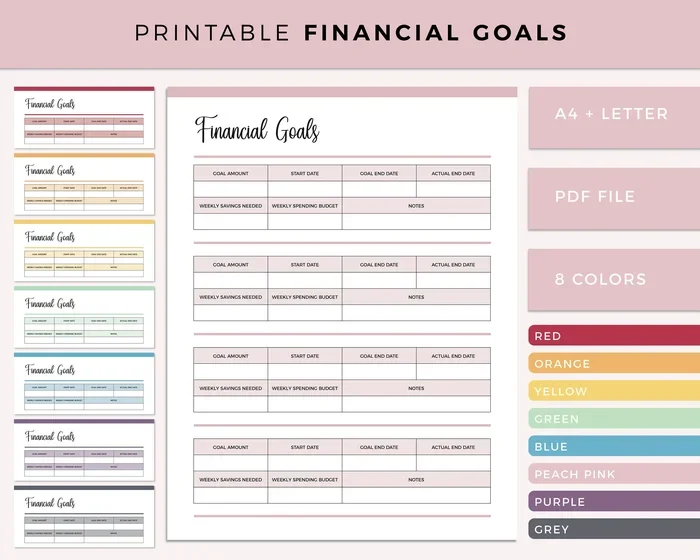
Setting clear financial goals is the fastest way to take control of your money and life. You can build wealth quickly when you know exactly what you want and how to get there. This guide shows you how to set financial goals that work for your real life.
Key Takeaways
- Start with why: Know your real reasons for wanting money so you stay motivated.
- Use the SMART method: Make goals specific, measurable, achievable, relevant, and time-bound.
- Track every dollar: Write down what you earn and spend to see where your money goes.
- Pay yourself first: Save money before you pay bills or buy fun things.
- Invest early: Let your money grow over time with smart investing choices.
- Review often: Check your goals every month to stay on track and make changes.
- Stay patient: Building wealth takes time, but small steps add up fast.
📑 Table of Contents
- Why You Need to Set Financial Goals Now
- How to Set Financial Goals That Actually Work
- Simple Steps to Track Your Money Every Day
- Build Wealth Fast With Smart Saving Habits
- Investing Basics for Long-Term Wealth
- How to Stay Motivated When Progress Feels Slow
- Final Thoughts on How to Set Financial Goals
Why You Need to Set Financial Goals Now
Money touches every part of our lives. It affects where we live, what we eat, and how we feel each day. When you do not have a plan, money slips through your fingers. You work hard but wonder where it all went. That feeling is heavy and frustrating. The good news is you can change it. You just need a clear path.
Learning how to set financial goals gives you that path. It turns vague wishes into real steps. You stop guessing and start moving. You feel more calm when you know your next move. You also make better choices with every dollar. This is not about being perfect. It is about being clear.
Many people think wealth is only for the lucky or the rich. That is not true. Wealth grows from small habits done over time. You plant seeds today and watch them grow. You do not need a huge income to start. You need a clear target and steady action. That is the real secret.
When you set goals, you also protect your future. You build a cushion for hard times. You create room for fun and rest. You give yourself options. That freedom is worth more than any single purchase. It changes how you sleep at night. It changes how you show up for your family and your work.
So take a breath and start simple. You do not need a finance degree. You need honesty about your money and a willingness to try. The rest will fall into place as you keep going.
How to Set Financial Goals That Actually Work
The best goals are clear and realistic. Vague goals create vague results. If you say I want more money, you will not know when you win. You need a target you can see and measure. That is where the SMART method helps. It keeps you focused and honest.
Here is what SMART means in plain words:
- Specific: Say exactly what you want. Example: save two thousand dollars for an emergency fund.
- Measurable: Use numbers so you can track progress. Example: save one hundred dollars each week.
- Achievable: Pick a goal that fits your life right now. Do not aim too high too fast.
- Relevant: Make sure the goal matters to you. It should match your values and needs.
- Time-bound: Set a deadline. Example: reach the goal in six months.
This method works because it turns a wish into a plan. You know what to do each day. You also know when you are winning. That feels good and keeps you going. Small wins build big confidence.
You can use this for many money goals. You can save for a car, a trip, or a new home. You can pay off credit cards or build an investment fund. The steps stay the same. Define the goal, set a number, pick a date, and start.
A quick tip: write your goal down. Put it where you can see it. A note on your fridge or phone wallpaper works well. Seeing your goal keeps it alive in your mind. It also reminds you why you are saying no to impulse buys.
Another tip: break big goals into tiny steps. A huge target can feel scary. Small steps feel easy. Easy steps get done. Done steps build momentum. Momentum builds wealth.
Pick One Main Goal First
Do not try to fix everything at once. That path leads to burnout. Pick one goal that matters most right now. Maybe you need a small emergency fund. Maybe you want to clear a high-interest card. Choose one and give it your focus.
When you finish one goal, celebrate. Then pick the next one. This keeps your energy high. It also builds a win streak. Wins make you trust yourself. Trust makes you keep going.
Match Goals to Your Real Life
Your goals should fit your life, not fight it. If your income is tight, do not set a goal that starves you. If you have kids, plan around their needs too. A good goal feels challenging but possible. It should stretch you, not break you.
Look at your current spending. See what you can trim without misery. Find small leaks you can plug. Maybe you cook more at home. Maybe you pause a subscription you do not use. These small changes free up cash for your goal.
Simple Steps to Track Your Money Every Day
You cannot hit a target you cannot see. Tracking your money shows you the truth. It tells you what comes in and what goes out. That truth is power. Once you see the numbers, you can change them.
Start with a simple notebook or a phone app. Write down every dollar you spend for one week. Do not judge yourself. Just watch the pattern. You will spot habits you did not know you had. Maybe you buy snacks when you are stressed. Maybe you spend more on weekends. Awareness is the first win.
Next, group your spending into categories. Common groups are food, rent, transport, fun, and bills. This shows you where your money lives. You may find that small treats add up fast. You may also find items you can cut without pain.
Then set a simple budget. A budget is just a plan for your money. It tells every dollar where to go before the month starts. You do not need a complex spreadsheet. A basic list works. Give each category a limit. Stick to it as best you can.
Quick tip: review your numbers once a week. A short check-in keeps you aware. It also catches problems early. If you overspend one week, you can adjust the next. That is the point. You stay in control.
Use the Pay-Yourself-First Habit
This habit changes everything. Before you pay bills or buy fun things, save a small amount. Even ten percent helps. This puts your goal first. It also trains your mind to value saving.
If possible, automate it. Set up a transfer on payday. Money moves to savings before you see it. This removes willpower from the equation. You save by default. Default habits are strong habits.
Watch for Money Leaks
Money leaks are small, repeated spends that drain you. They hide in plain sight. Extra delivery fees, impulse snacks, and unused subscriptions are common examples. They feel tiny until they add up.
Do a quick audit each month. Scan your statements for repeats. Ask if each item still serves you. If not, cut it. Redirect that money to your goal. These small redirects build wealth faster than you think.
Build Wealth Fast With Smart Saving Habits
Saving is the engine of wealth. You do not need a huge salary to save. You need a system. A good system makes saving automatic and painless. It also keeps you ready for surprises.
Start with a tiny emergency fund. Aim for one thousand dollars at first. This covers small shocks like a flat tire or a medical copay. It stops you from reaching for a credit card. That alone saves you stress and interest.
After that, grow the fund to cover three to six months of basics. This is your real safety net. It gives you breathing room if work slows down or life changes. Peace of mind is a form of wealth too.
You can save faster with a few tricks. Try a no-spend day once a week. Cook from what you have before you shop. Buy generic brands for staples. Wait twenty-four hours before any non-essential purchase. These habits slow down spending without ruining your joy.
Another trick is to save raises and bonuses. When your income goes up, keep your living costs steady for a while. Send the extra straight to savings or investing. This is a quiet way to build wealth fast. You live well and still move ahead.
Separate Accounts Help You Stay Focused
Keep your goal money in its own account. Do not mix it with your spending money. Out of sight helps keep it safe. It also makes progress easy to see. You can watch the balance grow each month.
Name the account something clear. Call it emergency fund or trip fund or future fund. A clear name reminds you of the purpose. Purpose fuels discipline. Discipline builds results.
Save in Small, Steady Amounts
Big savings goals can feel far away. Small, steady amounts feel doable. Put aside a little each week or each payday. Consistency matters more than size at the start. Over time, small amounts turn into real security.
If you get a windfall, save most of it. Tax refunds, gifts, and side income are great chances to leap ahead. Use a portion for joy if you want. Send the rest to your goal. This balances life and progress.
Investing Basics for Long-Term Wealth
Saving protects you. Investing grows you. If you want to build wealth over time, you need both. Investing lets your money earn more money. That is the power of compounding. It works best when you start early and stay steady.
You do not need to be a stock expert. You need a simple plan. Many people do well with low-cost index funds or broad market funds. These spread your money across many companies. That lowers risk and keeps things simple.
Think long term. The market goes up and down. That is normal. Do not panic when prices dip. Stay focused on your timeline. History shows that patient investors usually do better than reactive ones. Calm beats noise.
Start with what you can afford. Even a small amount each month matters. Set up automatic investing if you can. Automation keeps you consistent. Consistency compounds. Compounding builds wealth.
Quick tip: learn the basics before you buy. Understand fees, risk, and time horizon. High fees eat returns. Risk should match your comfort and your goals. Time horizon tells you how long you can leave the money alone.
Keep It Simple and Low Cost
Simple plans are easier to follow. They also tend to cost less. Look for funds with low expense ratios. Avoid products you do not understand. If it feels confusing, pause and learn more. Clear decisions beat shiny distractions.
Diversify to Protect Your Progress
Diversification means not putting all your eggs in one basket. Spread your money across different types of investments. This reduces the impact of one bad move. It does not remove risk, but it smooths the ride. A smoother ride helps you stay the course.
How to Stay Motivated When Progress Feels Slow
Wealth building is a marathon, not a sprint. Some months feel exciting. Other months feel flat. That is normal. The key is to keep showing up. Motivation fades, but habits carry you.
Track your progress in a way that feels good. Use a chart, a journal, or a simple note. Watch the small wins stack up. Celebrate milestones. A small reward keeps the journey human and fun.
Connect your money goals to your deeper why. Maybe you want freedom. Maybe you want security for your family. Maybe you want to give more later. A strong why pulls you through hard days. Write it down and read it often.
When you slip, do not quit. Reset and continue. One bad week does not ruin a year. What matters is the next choice. Choose the next right step. Then the next. That is how momentum returns.
Find Support and Accountability
It helps to have someone in your corner. Share your goal with a trusted friend or partner. Check in together. Cheer each other on. Accountability makes it harder to drift. It also makes the journey lighter.
Review and Adjust With Care
Life changes, and your goals can too. Review your plan every few months. Ask what is working and what is not. Tweak the numbers if needed. A flexible plan lasts longer than a rigid one. Adjust with purpose, not panic.
Common Mistakes to Avoid
- Setting too many goals at once: Focus beats scatter. Pick one main target first.
- Making goals too vague: Clear numbers and dates beat fuzzy wishes.
- Ignoring small spends: Tiny leaks sink big ships. Track the little things.
- Giving up after a slip: Progress is rarely a straight line. Reset and keep going.
- Waiting for the perfect time: The best time to start is now. Start small and improve as you go.
Final Thoughts on How to Set Financial Goals
Money goals are really life goals. They give your dollars a job. They also give you a reason to keep going when things get tough. You do not need perfection. You need a clear target, a simple plan, and steady action.
When you learn how to set financial goals, you take back control. You stop drifting and start choosing. You build a cushion, reduce stress, and open doors for your future. That is real power. And it starts with one small step today.
Pick one goal. Write it down. Break it into tiny steps. Track your money. Save first. Invest what you can. Review your progress. Keep your why close. Do this with patience and consistency, and you will move forward. Wealth is built one smart choice at a time.
Frequently Asked Questions
What is the first step in setting financial goals?
The first step is to decide why you want the money. Write down your real reason, then pick one clear goal with a number and a deadline. This turns a wish into a plan you can act on.
How much should I save each month to build wealth fast?
Start with a amount that feels doable, even if it is small. Consistency matters more than size at the beginning. As your income grows or expenses shrink, increase the amount to speed up your progress.
What if I have debt and want to save at the same time?
Balance both by saving a tiny emergency fund first, then focusing on high-interest debt. Once that debt is under control, put more money into savings and investing. Small steps in both directions still move you forward.
Do I need a budget to set financial goals?
A budget helps a lot because it shows where your money goes. You can keep it simple with a short list of categories and limits. The goal is awareness and control, not perfection.
How do I stay on track when my goals feel far away?
Break big goals into small wins and track them visually. Review your deeper reason often, and celebrate milestones along the way. Support from a friend or partner can also keep you motivated.
Can I build wealth if I do not earn a lot right now?
Yes, you can start with small savings and simple investing habits. Focus on consistency, low costs, and patience. Over time, steady habits can grow into real wealth even from a modest start.