
Pathological lying isn’t just occasional dishonesty—it’s a pattern where someone repeatedly fabricates stories, often without remorse. If you’re wondering how to know you are dating a pathological liar, look for chronic untruthfulness, gaslighting behaviors, and emotional manipulation. Trust is the foundation of any relationship, and when it’s broken by consistent lies, healing becomes nearly impossible. Recognizing these red flags early can save you time, energy, and deep emotional pain.
How to Know You Are Dating a Pathological Liar
If you’ve ever found yourself questioning your own memory, second-guessing your feelings, or constantly defending your partner to friends and family, you might be wondering: Could I be dating a pathological liar? It’s not uncommon for people to occasionally bend the truth—after all, we all want to present ourselves in the best light. But when dishonesty becomes a pattern, it starts to erode trust, distort reality, and leave you emotionally drained.
A pathological liar doesn’t just lie once in a while. They lie compulsively, often without clear motive, and sometimes even for no reason at all. This kind of behavior isn’t always malicious—it may stem from deep-seated insecurity, a need for attention, or an inability to cope with emotional discomfort. Whatever the cause, being in a relationship with someone who lies habitually can feel like walking through a maze blindfolded. You never know what’s real, what’s imagined, and whether you can believe your own eyes or ears.
This guide will walk you through the subtle and obvious signs of dating a pathological liar, help you understand why they lie, and most importantly, show you how to protect your emotional well-being. Whether you’re still in the early stages of dating or have been in a long-term relationship, recognizing these patterns early can make all the difference.
Key Takeaways
- Consistent dishonesty: Unlike occasional white lies, a pathological liar tells frequent, elaborate falsehoods—even when there’s no benefit.
- Gaslighting tendencies: They may deny reality, twist facts, or make you doubt your memory and sanity.
- Lack of accountability: Apologies are rare or insincere; they rarely take responsibility for their actions.
- Grandiose storytelling: They fabricate dramatic or unbelievable stories about themselves or others.
- Emotional manipulation: Lies are used to control, gain sympathy, or avoid consequences.
- Inability to maintain consistency: Their stories change over time, revealing internal contradictions.
- Impact on your mental health: Living with a pathological liar can lead to anxiety, low self-esteem, and emotional exhaustion.
📑 Table of Contents
What Is a Pathological Liar?
Before we dive into the signs, let’s clarify what “pathological lying” actually means. Contrary to popular belief, it’s not a formal psychiatric diagnosis in the DSM-5 (Diagnostic and Statistical Manual of Mental Disorders). Instead, clinicians refer to it as intermittent explosive disorder, antisocial personality disorder, or factitious disorder, depending on the underlying motivations and behaviors.
However, the term pathological liar is commonly used to describe someone who lies frequently, habitually, and often without justification. These lies may be elaborate, fantastical, or self-serving. The key distinction between normal lying and pathological lying is frequency, lack of remorse, and the impact on relationships.
Why Do People Lie Pathologically?
Understanding the root causes can help you separate empathy from enabling. Pathological liars often struggle with:
- Low self-esteem: They may invent achievements, relationships, or experiences to feel worthy.
- Attention-seeking: False stories can draw focus and admiration from others.
- Fear of failure or rejection: Lying allows them to avoid consequences or judgment.
- Mental health conditions: Conditions like narcissistic personality disorder or borderline personality disorder can contribute to deceptive behavior.
It’s important to note that while we can identify patterns, only a licensed therapist can diagnose someone with a personality disorder. Your role isn’t to diagnose—your role is to recognize when your needs aren’t being met and to protect yourself.
Red Flags: How to Know You’re Dating a Pathological Liar
So, how do you know if the person you’re dating is a pathological liar? Here are the most telling signs to watch for.

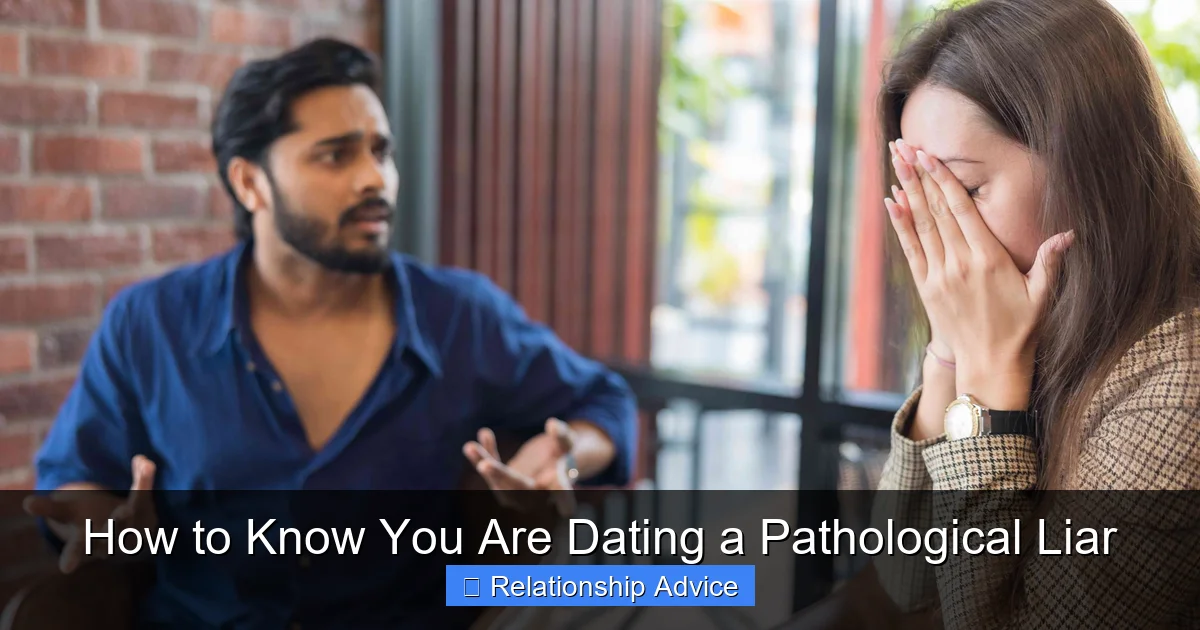
Visual guide about How to Know You Are Dating a Pathological Liar
Image source: realestlove.com
1. Inconsistency Across Stories
One of the clearest red flags is when your partner tells multiple versions of the same story. For example, you might hear two different accounts of a weekend getaway—one involving a fancy hotel, the other claiming they stayed at a friend’s house due to budget issues. When you gently point out the contradiction, they might brush it off or become defensive.
Example:
You ask, “What did you do last Saturday?”
They say, “I went hiking with my cousin Jake.”
The next day, you mention seeing Jake at a coffee shop.
They reply, “Oh, right—that was last month. Last Saturday I was at a work conference.”
If this happens regularly, it’s a sign that their version of events is fluid—and likely fabricated.
2. Grandiose or Unbelievable Tales
Pathological liars often embellish stories to make themselves appear more interesting, successful, or heroic. Be cautious if your partner consistently shares tales of meeting celebrities, surviving dangerous situations, or achieving extraordinary accomplishments.
Tip: Ask for details. Real life rarely includes non-stop drama or fame. If every story feels larger than life, question whether it’s true—not because you don’t believe in their potential, but because exaggeration can signal deception.
3. Denial and Gaslighting
When confronted about a lie, a pathological liar may deny everything, shift blame, or make you feel crazy. This is known as gaslighting—a form of psychological manipulation where the abuser makes you doubt your own perceptions, memories, or sanity.
Signs of gaslighting:
- They say things like, “You’re overreacting,” “You’re imagining things,” or “That never happened.”
- They accuse you of being paranoid or sensitive.
- They use phrases like, “If you loved me, you’d believe me.”
If you find yourself constantly apologizing for bringing up concerns, you may be in a toxic dynamic. Signs You Are Dating a Narcissist often overlap with pathological lying—both involve manipulation and lack of empathy.
4. No Remorse After Being Caught
One of the most damaging aspects of pathological lying is the absence of guilt. Even when caught in a blatant lie, a pathological liar may shrug, laugh it off, or make a joke. They don’t see lying as wrong—it’s simply a tool to navigate life.
Example:
You discover they lied about going to a concert. When you express hurt, they say, “It’s not a big deal. Everyone lies sometimes.”
Or worse: “You’d do the same for attention.”
This lack of accountability prevents genuine repair and keeps the cycle going.
5. Lies Without Clear Benefit
Most people lie to gain something—approval, sympathy, protection from consequences. But pathological liars often lie for no apparent reason. They fabricate stories just to keep the narrative alive or because they enjoy the thrill of the lie.
Example:
They claim to have a famous relative who helped them land a job—but no one knows the relative, and records show otherwise.
They invent a childhood trauma that never occurred, just to explain their moodiness.
If the lies serve no purpose other than to exist, it’s a strong indicator of compulsive lying.
6. Emotional Withdrawal When Pressured
When asked direct questions or pressed for honesty, a pathological liar may shut down, become angry, or change the subject. They fear exposure because their lies are their identity.
Warning signs:
- They avoid difficult conversations.
- They turn conversations back to you—what you did, how you acted—to deflect.
- They become hostile when challenged.
This emotional evasion protects their web of lies but leaves you feeling isolated and confused.
The Emotional Toll of Dating a Pathological Liar
Dating someone who lies pathologically isn’t just frustrating—it’s emotionally exhausting. Over time, you may start to:
- Lose trust in your own judgment: If you can’t believe what they say, how can you trust your instincts?
- Feel anxious or hypervigilant: Constant suspicion takes a toll on your mental health.
- Second-guess every interaction: Was that compliment sincere? Did they really mean what they said?
- Isolate yourself: You might stop sharing your thoughts with friends or family, fearing judgment.
These feelings are valid. You deserve a relationship built on honesty, respect, and mutual understanding. If you’re constantly walking on eggshells, asking “Are they lying to me again?” after every conversation, it’s time to reevaluate the relationship.
Can You Save a Relationship With a Pathological Liar?
The short answer: It depends. While some couples learn to manage dishonesty with therapy and boundaries, others find that the damage is too deep. Pathological lying often reflects deeper emotional or psychological issues that require professional intervention.
When Therapy Might Help
If your partner is willing to seek help—through couples counseling or individual therapy—there’s hope. Therapy can address underlying causes like low self-worth, trauma, or attachment disorders.
Important note: Therapy won’t “cure” pathological lying overnight. It requires consistent effort, accountability, and a willingness to change. If your partner resists help or blames you for their behavior, it may be a sign they’re not committed to growth.
Setting Boundaries Is Essential
Even if you decide to stay in the relationship temporarily, setting firm boundaries is crucial. For example:
- Ask for evidence when claims seem exaggerated.
- Avoid giving unsolicited advice—it may trigger defensiveness.
- Limit personal disclosures until trust improves.
Boundaries protect your peace and send a message: “I care, but I won’t tolerate manipulation.”
Know When to Walk Away
No one should stay in a relationship out of obligation. If the lies continue despite your efforts, and your emotional health suffers, it’s okay—and necessary—to leave.
Remember: You cannot force someone to be honest. You can only control how you respond to their behavior.
Protecting Yourself: Steps to Take Now
If you suspect you’re dating a pathological liar, here’s how to safeguard your well-being:
1. Document Everything
Keep a journal of dates, conversations, and inconsistencies. This helps you track patterns and provides clarity when emotions run high.
2. Seek Support
Talk to trusted friends, family, or a therapist. External perspectives can help you see the situation more clearly and reduce isolation.
3. Practice Self-Care
Engage in activities that boost your confidence and calm your mind. Exercise, meditation, and hobbies remind you of your worth beyond the relationship.
4. Avoid Blame
It’s tempting to wonder, “What did I do wrong?” But pathological lying isn’t your fault. Don’t internalize their behavior.
5. Consider Professional Guidance
A therapist specializing in relationships can help you process your feelings and decide your next steps. They can also teach you healthy communication strategies.
Final Thoughts: Honesty Is Non-Negotiable
At the end of the day, trust is the glue that holds relationships together. Without it, love fades, intimacy disappears, and connection becomes impossible. Dating a pathological liar may feel like living in a dream world where nothing is real—and that’s not sustainable for your heart.
If you’re asking, How to know you are dating a pathological liar, listen to your gut. Pay attention to the patterns, trust your instincts, and prioritize your emotional safety. You deserve a partner who respects your truth—and who values honesty above all else.
And remember: Healing begins with recognizing the truth. Whether that means ending the relationship or working toward change, taking action is the first step toward reclaiming your peace.
Frequently Asked Questions
How do I confront my partner about their lies?
Approach the conversation calmly and specifically. Use “I” statements like, “I felt hurt when you told me X, and later I heard Y.” Avoid accusations—focus on your feelings and the impact of the lies.
Can a pathological liar change?
Change is possible with motivation and professional help, but it requires consistent effort. If your partner resists therapy or accountability, long-term change is unlikely.
What if I love them but they keep lying?
Loving someone doesn’t mean staying in a harmful situation. Consider whether their lies are compatible with your need for trust and safety. A healthy relationship requires mutual respect.
How do I know if it’s a lie or just a mistake?
Occasional mistakes happen to everyone. But repeated inconsistencies, grandiose stories, and denial when confronted suggest a pattern of dishonesty.
Should I give them another chance?
Only if they show genuine remorse, seek help, and demonstrate consistent honesty over time. One apology isn’t enough—trust must be rebuilt through actions, not words.
Where can I find support if I’m leaving a toxic relationship?
Reach out to a therapist, domestic violence hotline, or trusted friend. Organizations like the National Domestic Violence Hotline offer confidential support and resources.
