How to Keep Going When Life Is Hard: 15 Gentle Steps
Knowing how to keep going when life is hard is a skill that every person needs sooner or later. Hard seasons come as sickness, money worries, loss, family trouble or simply long weeks of tiredness. When everything feels heavy, the idea of “just stay positive” does not help much. What helps is a handful of small, steady actions that carry you through one day at a time. This guide shares 15 gentle, practical ways to keep going when life gets hard.
If you often feel rushed or overwhelmed, begin with our guide on how to slow down, and read how to deal with stress for everyday calming habits.
Is Life Supposed to Be Hard Sometimes?
Yes. Every life has seasons of ease and seasons of difficulty. Hard times do not mean you are failing; they mean you are living. Wise people have always seen difficulty as a teacher that builds patience, humility and strength. You may not choose what happens, but you can choose how you respond, one small step after another.
If your heart feels too heavy for too long, or you cannot sleep, eat or function for many days, please talk to a doctor or counsellor. Asking for help is a sign of strength and wisdom.
What to Do When Life Gets Hard: 15 Steps
- Take it one day at a time. You do not need to solve next year today. Ask only, “What is the next right thing I can do?”
- Keep a simple routine. Wake, eat, wash, rest and sleep at regular times. A steady routine holds you up when emotions are shaky.
- Rest your body. Sleep as well as you can. A tired body makes every problem feel bigger.
- Eat simple, healthy food and drink water. Your mind works better when your body is cared for.
- Walk outside. Fresh air and gentle movement lighten the heart.
- Talk to someone you trust. A wise family elder, a close friend or a caring relative can lighten the load simply by listening.
- Write down what is on your mind. Putting worries on paper makes them smaller and clearer.
- Break big problems into small steps. List three small actions and do the easiest one first.
- Limit bad news and heavy talk. Protect your mind from constant worry.
- Do something kind for someone else. Helping others pulls you out of your own sadness.
- Count your good things. Each evening, name three things you are grateful for, even small ones like warm food or a kind word.
- Keep good company. Spend time with calm, kind people and avoid those who drain you.
- Allow yourself to feel. It is natural to be sad or tired. Do not hide it, but do not live there.
- Keep your work or study going, even slowly. A little progress is better than none.
- Hold on to hope. Hard seasons do end. Remind yourself of earlier difficulties you survived.
How to Stay Strong When You Feel Like Giving Up
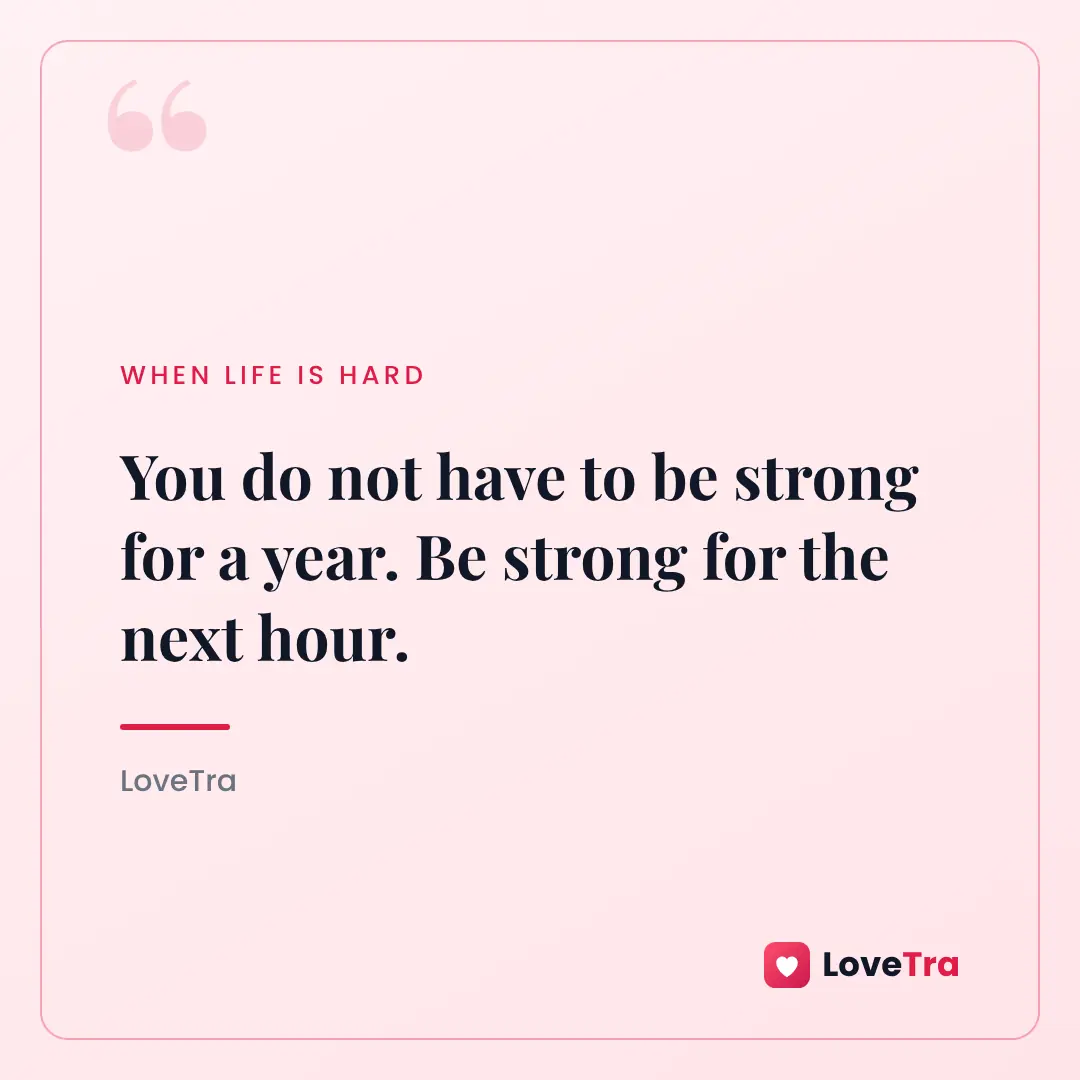
There are days when giving up feels easier than going on. On those days, do not ask yourself to be strong for a whole year. Ask yourself to be strong for the next hour.
Try the small-steps method
- Drink a glass of water.
- Wash your face and change your clothes.
- Do one small task, such as tidying a corner.
- Step outside for five minutes.
- Message or call one person you trust.
Each small action tells your mind, “I am still moving.” Movement, however small, creates energy for the next step. If you ever feel that you want to harm yourself, please speak to a trusted person and seek professional help at once. You are valuable, and help is available.
How to Keep Going When You Are Tired of Everything
Long periods of stress create deep tiredness, sometimes called burnout. If you feel emotionally worn out, treat yourself as you would treat a good friend in the same position.
- Reduce what you can. Say no to one thing this week.
- Ask family for help with some tasks.
- Plan one small joy daily, such as a quiet cup of tea or a walk with a relative.
- Go to bed earlier for a week and see how you feel.
- Visit a doctor if the tiredness does not lift.

How Can Gratitude and Patience Lighten a Hard Season?
Gratitude does not deny pain; it simply makes room for light beside it. When you are in a hard season, make it a habit to notice what is still good: a warm meal, a kind neighbour, a child’s smile, a quiet morning. Say thank you aloud to the people who help you. Patience works alongside gratitude. It reminds you that difficulty is a passage and not a home. Think of a farmer who plants seed and waits through cold weather; the seed is working even when you cannot see it. Your efforts, too, are working beneath the surface, and the steady habits you keep today will carry fruit later.
What Daily Routine Helps Most During Difficult Times?
A gentle daily rhythm gives structure when feelings are unstable. You do not need a perfect plan, only a few anchors in the day.
Morning
- Wake at the same time each day and open the window for fresh air.
- Wash, dress and eat a simple breakfast.
- Say one hopeful sentence to yourself, such as, “Today I will do my best.”
Midday
- Do the most important task first, even if it is small.
- Eat a proper meal and drink water.
- Take a short walk or sit outside for a few minutes.
Evening
- Share a meal or a conversation with family.
- Write down three good things from the day.
- Switch off screens early and go to bed at a regular hour.
Keep this routine for two weeks and notice how your mind steadies. Many people find that structure alone lifts a surprising amount of heaviness.
How Do You Support Yourself Through Setbacks?
Setbacks such as losing a job, failing an exam or falling out with someone can shake your confidence. Treat them as part of the road, not the end of it. Allow yourself a day or two to feel disappointed. Then ask three questions: what happened, what can I learn, and what is my next small step? Speak to yourself kindly, the way you would speak to a younger sibling or a close friend. Avoid harsh words such as “I am useless”. Replace them with “This was hard, and I am learning.” Ask someone wise for advice, and try again with a clearer plan.
How Can a Family Help Someone Who Is Going Through a Hard Time?
Often the best help is simple presence. Sit with them, bring food, offer to take over a task and listen without lecturing. Avoid saying “just get over it” or “others have it worse”. Instead say, “I am here, and we will go through this together.” Keep visiting and checking in, because hard seasons often last longer than people expect. Gentle, steady support from family is one of the strongest medicines.
What to Remember When Life Is Hard
- This season will pass, even if it feels long.
- You do not have to do everything today.
- You are not alone; others have walked this road.
- Small steps still count.
- Your patience and effort will bear fruit in time.
- Asking for help is wise.
When your mind keeps replaying worries at night, our guide on how to stop overthinking can help you find rest.
Common Mistakes to Avoid
- Isolating yourself. Hard times feel heavier alone.
- Skipping sleep and meals. This weakens your mood and strength.
- Making big life decisions in the middle of pain. Wait until your mind is calm.
- Comparing yourself to others. Everyone carries unseen burdens.
- Waiting to feel ready. Start with one tiny step and let motivation follow.
Quick Checklist for a Hard Week
- I slept at fixed times.
- I ate three simple meals.
- I walked outside each day.
- I spoke to one trusted person.
- I did one kind thing for another person.
- I wrote down three things I am grateful for.
Frequently Asked Questions
How do I keep going when life feels meaningless?
Focus on small purposes: caring for your family, doing honest work, helping a neighbour. Meaning grows from small acts of service. If the feeling is strong or lasting, please talk to a doctor or counsellor.
How do I stay positive when everything goes wrong?
You do not have to feel positive. Aim to be steady and kind. Notice small good things and keep taking small steps.
Is it normal to feel exhausted during hard times?
Yes. Stress uses a great deal of energy. Rest, eat well, ask for help and be patient with yourself.
When should I seek professional help?
If sadness, worry or tiredness lasts for weeks, affects your sleep, eating or daily life, or you have thoughts of harming yourself, speak to a doctor or counsellor soon.
A Warm Closing Thought
You have survived every hard day so far. Take a slow breath, take the next small step and let kind people walk with you. Better days are closer than they seem. For more gentle guidance, visit our Heart & Mind section.