

Finding your remaining mortgage balance is easier than you think. You can check your loan status through your lender, review your monthly statements, or use trusted online portals. This guide shows you exactly how to find remaining mortgage balance on a property without stress. Start tracking your equity today and make smarter money moves.
Key Takeaways
- Check your lender portal: Most banks offer secure online dashboards where you can view your current loan balance instantly.
- Review monthly statements: Your paper or digital statement shows the principal remaining after each payment.
- Call customer service: A quick phone call to your mortgage servicer can give you an updated payoff amount.
- Use official county records: Public property records sometimes list loan details, though they may not reflect the latest balance.
- Request a payoff quote: If you plan to sell or refinance, ask for a formal payoff statement with interest and fees.
- Track principal vs interest: Understanding how each payment splits helps you see your equity grow over time.
- Verify accuracy: Always cross-check numbers with your own records to avoid surprises during big financial decisions.
📑 Table of Contents
- How to Find Remaining Mortgage Balance on a Property
- Check Your Lender Online Portal
- Review Your Monthly Mortgage Statement
- Call Your Mortgage Servicer Directly
- Use Public Records and County Documents
- Compare Methods: Which One Works Best for You
- Avoid Common Mistakes When Checking Your Balance
- Build a Simple Routine for Long-Term Tracking
- Conclusion
How to Find Remaining Mortgage Balance on a Property
Buying a home is one of the biggest financial steps you will ever take. Along the way, you will want to know exactly where you stand with your loan. How to find remaining mortgage balance on a property is a simple question with several clear answers. You do not need advanced math or special software. You just need to know where to look and what to ask for.
Many homeowners feel unsure about their loan status. They know they make monthly payments, but they do not always see how much principal is left. That uncertainty can make it hard to plan for the future. This guide breaks down every reliable method you can use. You will learn how to check your balance quickly, understand your statements, and avoid common mistakes.
Let us walk through the process step by step. You will see that checking your mortgage status is straightforward when you know the right tools and contacts.
Check Your Lender Online Portal
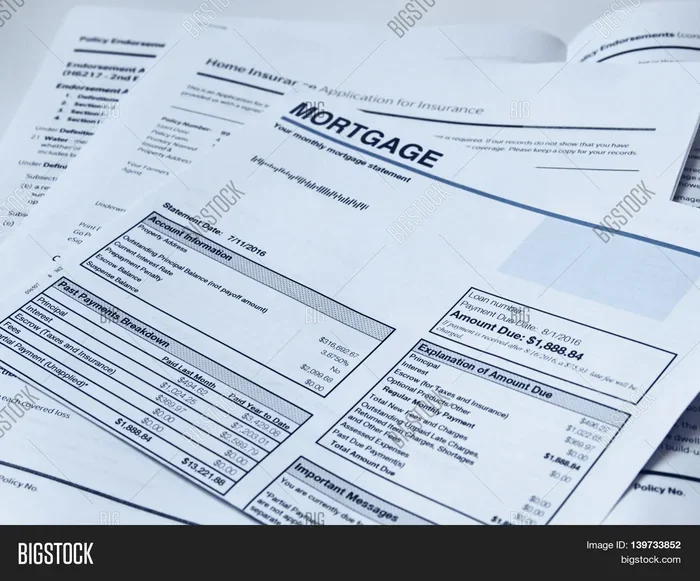
Most mortgage companies now offer secure online portals. These portals let you log in and view your account details anytime. You can see your current balance, payment history, and even your amortization schedule. This is often the fastest way to get an updated number.
Visual guide about mortgage balance paperwork home
Image source: static3.bigstockphoto.com
To get started, visit your lender’s official website. Look for a login section or a customer dashboard. If you have not set up your account yet, you may need to register with your loan number and personal details. Once you are inside, navigate to the account summary or loan details page. You should see your outstanding principal clearly listed.
Here are a few tips to make the most of your portal:
- Use a secure connection: Always log in from a trusted device and avoid public Wi-Fi when checking financial data.
- Save your login details safely: Use a password manager so you do not forget your credentials.
- Check for updates: Balances may not refresh in real time. Look for the last updated date on the page.
- Download statements: Many portals let you export monthly statements for your own records.
If your portal shows a number you do not recognize, do not panic. Sometimes the display includes future interest or escrow amounts. Focus on the principal balance line. That is the core number you want. If you still feel unsure, move to the next method.
What to Look For on the Dashboard
Online dashboards can look different from one lender to another. Some show a simple balance. Others break down your loan into smaller pieces. You will usually see fields like principal balance, interest rate, next payment date, and escrow status. Read each label carefully so you do not mix up totals.
A helpful habit is to take a screenshot or note the balance each month. This gives you a clear trail of your progress. Over time, you will see your principal drop and your equity rise. That simple tracking can keep you motivated and informed.
Review Your Monthly Mortgage Statement
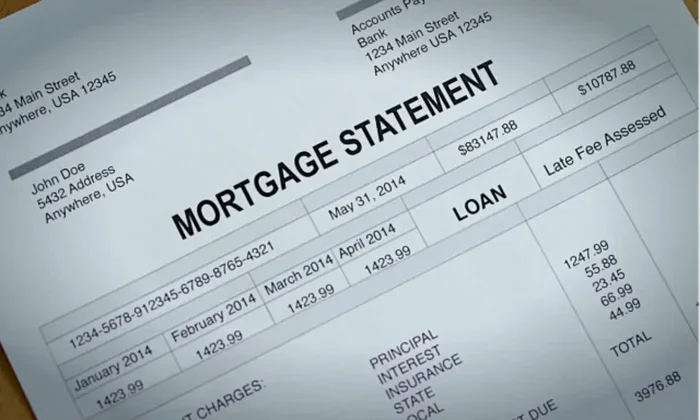
Your monthly statement is one of the most reliable sources of loan information. Lenders mail or email these statements every cycle. They show exactly how much you paid, how much went to principal, and how much went to interest. They also show your remaining balance after the payment posts.
Visual guide about mortgage balance paperwork home
Image source: data.bloggingrightalong.com
Grab your latest statement and look for the summary section. You will usually find a line that says current principal balance or remaining loan amount. That number updates after each successful payment. If you pay online, you may see the update within a few days. If you pay by mail, it may take a little longer.
Use this quick checklist when reading your statement:
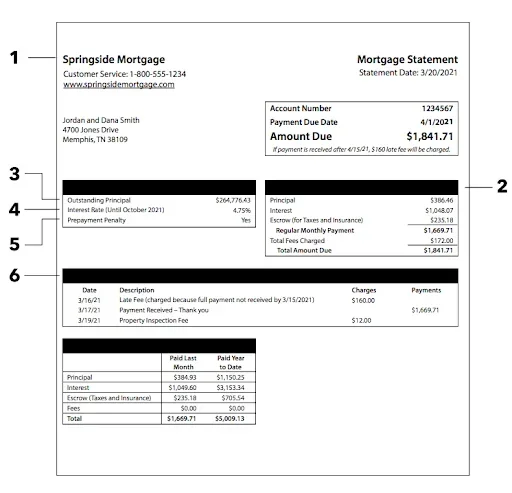
- Find the principal line: This shows the core loan amount left after your last payment.
- Check the interest portion: This tells you how much of your payment went to lender charges.
- Look for fees or adjustments: Sometimes late fees or escrow changes affect the total.
- Note the payment date: Balances often reflect the most recent posted payment, not the one you just sent.
Statements are great because they create a paper trail. If you ever need to compare numbers or verify a change, you can line up several months and spot trends. This makes it much easier to understand how to find remaining mortgage balance on a property without guessing.
How to Read Principal vs Interest
Every mortgage payment splits into two main parts. One part reduces your loan. The other part pays the lender for borrowing the money. Early in your loan, the interest portion is usually larger. Later, more of your payment goes toward principal. This shift is normal and expected.
When you read your statement, pay attention to this split. It helps you see why your balance drops slowly at first and faster later on. If you want to pay off your home sooner, you can make extra principal payments. Just make sure your lender applies the extra amount to principal and not to future interest.
Call Your Mortgage Servicer Directly
Sometimes the easiest path is a simple phone call. Your mortgage servicer handles your payments and keeps your loan records. They can give you a current balance, answer questions, and explain any confusing line items. This is especially useful if your online portal feels unclear or your statement seems outdated.
Visual guide about mortgage balance paperwork home
Image source: d32ijn7u0aqfv4.cloudfront.net
Before you call, gather a few details. Have your loan number, property address, and personal verification info ready. This helps the representative pull up your account quickly. Once you are connected, ask for your current principal balance and the date that number was calculated. You can also request a payoff quote if you plan to sell or refinance soon.
Keep these points in mind during the call:
- Ask for the principal balance only: This avoids confusion with escrow or interest totals.
- Request the calculation date: Balances change after each payment, so the date matters.
- Confirm payoff amount if needed: A payoff quote includes interest through a specific date and any fees.
- Write down the representative name: This helps if you need to follow up later.
A direct conversation can clear up a lot. If you are learning how to find remaining mortgage balance on a property, speaking with a real person often gives you the fastest, most accurate answer.
When to Request a Payoff Quote
A payoff quote is different from a simple balance. It tells you exactly how much you must pay to close the loan on a certain date. This includes interest through that date and any required fees. You usually need this number when you sell your home, refinance, or pay off the loan early.
Ask your servicer how long the quote remains valid. Interest keeps adding up, so payoff amounts can change quickly. If you are planning a big move, get the quote close to the date you expect to close. That way, you will have a realistic number to work with.
Use Public Records and County Documents
Property records can offer useful background information. Many counties keep public files on deeds, liens, and mortgage recordings. These documents sometimes show the original loan amount and filing details. They are helpful for research, but they may not show your current balance.
If you want to explore this route, visit your county recorder or assessor website. Search by your property address or parcel number. Look for recorded mortgage documents or lien notices. You may see the original amount, the lender name, and the recording date. This can be a good starting point if you are missing other records.
Remember these limits when using public records:
- Original amount, not current balance: Most recorded documents show the starting loan, not what is left.
- Possible delays: Updates may not appear right away after payments or refinances.
- Extra steps to interpret: You may need to compare several documents to understand the full picture.
- Good backup source: These records are useful when other methods are unavailable.
Public records are a smart supplement, not a replacement for lender data. If you combine them with your statements and portal info, you will have a stronger view of your loan status.
Parish and County Tools Worth Checking
Some local offices offer online search tools. These tools let you type in an address and view recorded documents. You might find a mortgage summary, a satisfaction of lien, or a refinance filing. These clues can help you confirm who holds your loan and when major changes happened.
If your county tool feels hard to use, try the assessor’s office. They often maintain property tax records that reference mortgage holders. While tax records do not show your balance, they can point you in the right direction when you need to confirm lender details.
Compare Methods: Which One Works Best for You
Different situations call for different tools. You might want a quick number for peace of mind. Or you might need a precise payoff amount for a sale. The best method depends on your goal. This simple comparison can help you choose the right path.
| Method | Best For | Speed | Accuracy |
|---|---|---|---|
| Online lender portal | Quick balance checks | Fast | High |
| Monthly statement | Tracking progress over time | Medium | High |
| Phone call to servicer | Clear answers and payoff quotes | Medium | Very high |
| County public records | Confirming lender and filing details | Slow | Medium for balance, high for records |
If you just want a fast update, start with your portal or statement. If you need a number for a major transaction, call your servicer and request a payoff quote. If you are missing paperwork, use county records to fill in the gaps. This flexible approach makes it much easier to find the right answer.
Quick Tips for Choosing the Right Method
- Need a number today? Log in to your portal or read your latest statement.
- Planning to sell or refinance? Call for a formal payoff quote.
- Lost your documents? Check county records as a backup.
- Want long-term tracking? Save statements and note your balance each month.
Avoid Common Mistakes When Checking Your Balance
Even simple tasks can go sideways if you miss a detail. A lot of homeowners confuse the total payment with the principal balance. Others trust an old statement that does not reflect the latest payment. These small errors can lead to bad decisions. Here are a few mistakes to watch for.
- Mixing escrow with principal: Escrow covers taxes and insurance. It is not part of your loan balance.
- Using an outdated number: Always check the date on the balance you are reading.
- Ignoring extra payments: If you paid extra, make sure it was applied to principal.
- Assuming public records show current debt: Recorded documents often show the original loan, not the remainder.
- Forgetting payoff costs: A payoff quote includes interest and fees, not just the principal.
When you know these pitfalls, you can avoid stress and confusion. A careful check takes only a few minutes, but it can save you from big surprises later.
Expert Insights on Staying Accurate
Financial experts suggest building a simple habit. Check your balance once a month and compare it with your statement. Write down the number and the date. If something looks off, contact your servicer right away. Small issues are easier to fix when you catch them early.
Another smart move is to keep a dedicated folder for mortgage documents. Store statements, payoff quotes, and refinance papers in one place. When you need to answer how to find remaining mortgage balance on a property, you will have everything ready. This small system saves time and keeps your records clean.
Build a Simple Routine for Long-Term Tracking
A routine turns a one-time check into a useful habit. You do not need a complicated spreadsheet. You just need a steady rhythm. Pick a day each month, such as the day after your payment posts. Log in, read your statement, and note your principal balance. Over time, this becomes second nature.
You can also set a reminder to review your loan once a quarter. Look at your interest rate, your progress, and any refinancing options that might help you. If your financial situation changes, this routine helps you stay flexible. You will know when to make extra payments or when to hold steady.
Try these simple tracking habits:
- Mark your payment date: This helps you know when the balance will update.
- Save one statement per quarter: This gives you a clean timeline without clutter.
- Note extra payments: Record when you pay extra and how much went to principal.
- Review once a year: Check your overall progress and decide if your plan still fits your goals.
Consistency matters more than complexity. The more often you check, the more confident you will feel. You will also spot errors faster and understand your equity growth more clearly.
Conclusion
Learning how to find remaining mortgage balance on a property does not have to be complicated. You can use your lender portal, read your monthly statement, call your servicer, or check public records when needed. Each method has its strengths, and the best choice depends on what you need right now. If you want a quick number, start online. If you need a precise payoff amount, pick up the phone. If you are missing paperwork, public records can help you reconnect the dots.
The key is to stay consistent and careful. Check your balance regularly, read your statements closely, and ask for clear numbers when you plan a big move. With a simple routine, you will always know where you stand. That confidence makes it easier to manage your money, grow your equity, and plan your next step with clarity.
Frequently Asked Questions
How can I check my mortgage balance online?
You can log in to your lender’s secure portal and view your account summary. Look for the principal balance line, and check the date the number was last updated. If you have not registered yet, you may need your loan number to set up access.
Does my monthly statement show the remaining loan amount?
Yes, most statements list your current principal balance after the latest payment posts. They also show how much of your payment went to interest and escrow. Reading the principal line each month helps you track your progress.
What is the difference between a balance and a payoff quote?
A balance shows what you still owe on the loan principal. A payoff quote tells you the total amount needed to close the loan on a specific date, including interest and fees. You usually need a payoff quote when selling or refinancing.
Can county records tell me my current mortgage balance?
County records usually show the original loan amount and filing details, not the current balance. They are helpful for confirming lender information, but they may not reflect recent payments. Use them as a backup, not your main source for the balance.
Why does my balance seem to drop slowly at first?
Early payments cover more interest, so less money goes toward principal. Over time, the interest portion shrinks and more of your payment reduces the loan. This is a normal part of most mortgage schedules.
What should I do if my online balance looks wrong?
Compare the number with your latest statement and check the update date. If the figures still do not match, call your servicer and ask them to review your account. Keep notes from the call in case you need to follow up later.