How to Find Motivation: 15 Simple Ways When You Feel Stuck
Almost everyone asks at some point how to find motivation. You know what you should do, but your energy is low, your mind is heavy, and the task feels too big. The good news is that motivation is not a gift that some people have and others lack. It is something you can build, one small step at a time.
This guide shares 15 simple ways to find motivation for study, work, health and daily life. It also explains why motivation drops and when to ask for help. For related reading, see our guides on how to keep going when life is hard, how to build self-discipline and our hub on how to slow down.
Why do we lose motivation?
Understanding the cause makes it easier to fix.
- Tiredness from poor sleep, poor food or too little movement.
- A goal that is too big or unclear.
- Fear of failing or being judged.
- Too many tasks at once.
- Lack of rest and joy.
- Loneliness or lack of support.
- Feeling that the effort does not matter.
Often it is not laziness at all. It is a tired body, a worried mind, or a plan that is too heavy.
How can you start with tiny steps?
The hardest part of any task is starting. Make the first step so small that it feels almost silly.
- Promise yourself just five minutes. You can stop after that, but you rarely will.
- Set out your tools the night before: books, shoes, notebook.
- Do the easiest part first to build momentum.
- Break the goal into steps you can finish in one sitting.
- Write the next step on a small card and place it where you will see it.
- Celebrate each small success with a simple “well done.”
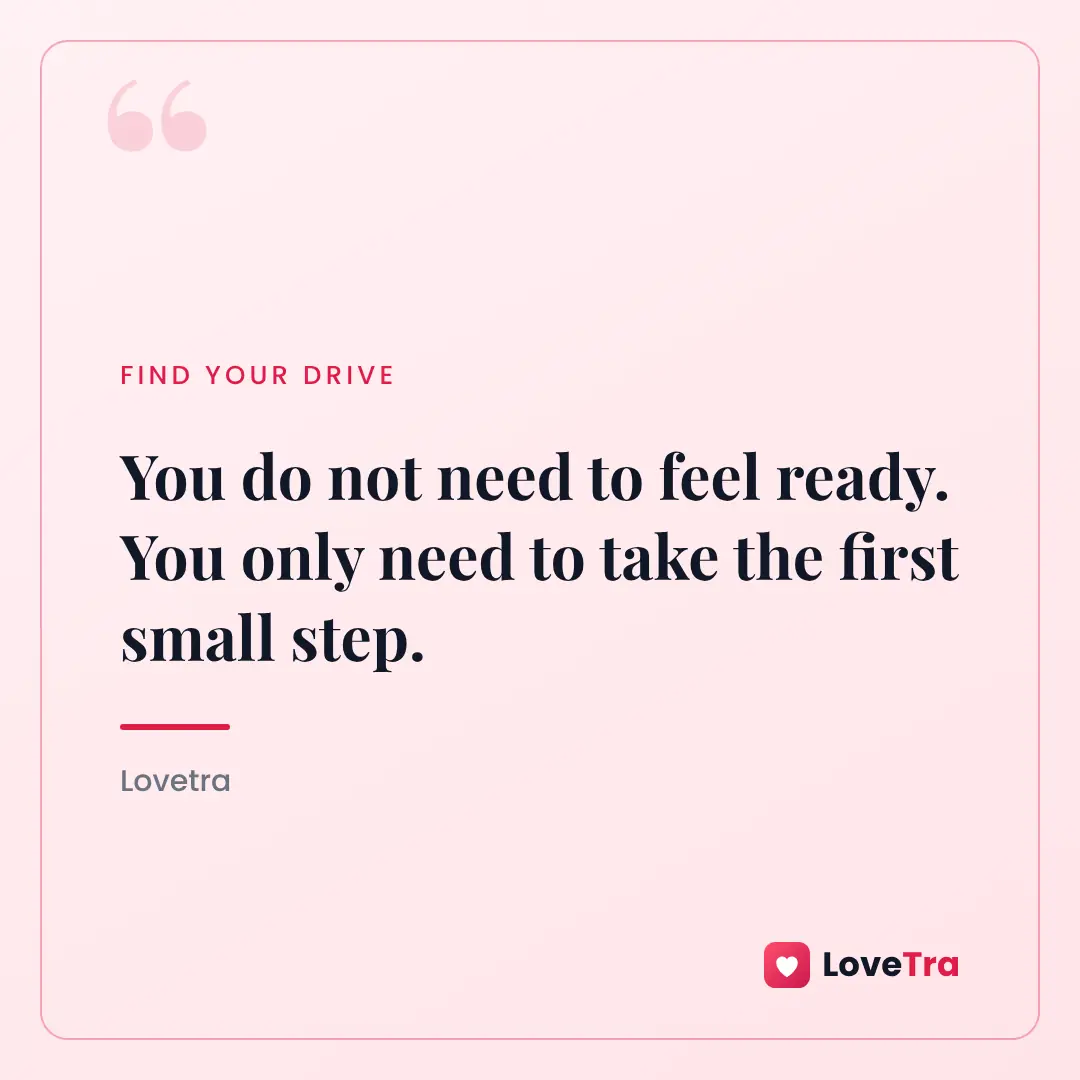
Action creates energy. Waiting to feel ready often keeps you stuck.
How do you set a goal that matters?
Motivation grows when you know why you are doing something.
- Write down one clear goal for the month.
- Ask: “Why does this matter for me and for my family?”
- Make the goal specific. “Walk 20 minutes daily” is better than “get fit.”
- Choose a goal that fits your values and your responsibilities.
- Share the goal with a trusted family member.
- Put a visible reminder of your reason where you can see it.
When the goal is connected to people you love, it carries you through hard days.
How can you build a simple daily routine?
Routines reduce the need for willpower.
- Wake and sleep at regular times.
- Plan your three most important tasks the night before.
- Work in blocks of 25 to 45 minutes, then rest for five.
- Do the hardest task in the morning when you are freshest.
- Keep a fixed place and time for study or work.
- End the day by reviewing what you did and planning tomorrow.
Our guide on time management tips gives more help.
How do you find motivation to study?
Students often struggle most with motivation.
- Study in short sessions with breaks.
- Put your phone in another room.
- Start with the subject you like to warm up.
- Make a weekly plan and tick off each session.
- Study with a friend or sibling who is also serious.
- Explain what you learn to a family member.
- Reward yourself with a walk or a favourite snack after a session.
See also our guide on helping a teenager with exams for parents.

How do you find motivation to exercise and stay healthy?
Movement lifts the mood and the energy.
- Start with a ten-minute walk after a meal.
- Walk with a family member so you support each other.
- Choose activities you enjoy, such as brisk walking, cycling or football with the family.
- Set a fixed time each day.
- Drink water and eat simple, regular meals.
- Rest enough so your body can recover.
If you have health problems, ask a doctor what exercise is suitable for you.
How can good company boost your motivation?
Energy is contagious. The people around us shape our habits.
- Spend time with positive, hardworking people.
- Ask a family member to check on your progress.
- Join a study or work group.
- Learn from a person who has done what you want to do.
- Limit time with those who complain or discourage.
- Share your progress with someone who will cheer for you.
A kind word from a trusted person can restart your whole week.
How do you keep going when motivation fades?
Motivation comes and goes. Habits and systems carry you through the low days.
- Lower the bar on hard days: do half, not zero.
- Remember how far you have already come.
- Look at your reason again.
- Take a short rest, then try again.
- Forgive yourself for missing a day, and restart the next morning.
- Keep a simple progress chart on the wall.
Never judge yourself harshly. Gentle persistence wins over harsh pressure.
What is the difference between motivation and discipline?
Motivation is the spark: the feeling of wanting to do something. Discipline is the steady flame: doing what needs to be done even on days when the spark is missing. Waiting for motivation alone is risky, because feelings change with the weather, the hour and our health. Discipline built from small daily habits keeps you moving through those changes. The best approach is to use motivation to start and habits to continue. When both are weak, lean on your routine, and let the routine carry you until your energy returns.
How can parents find motivation when they are tired?
Parents often lose motivation because they give so much to others. If this is you, start by protecting your rest and sharing the work. Talk with your spouse about the load and agree on small breaks. Focus on the few tasks that really matter each day, such as a warm meal, a clean space and a kind word to the children, and let the rest wait. Remind yourself that your effort is shaping your children’s future. Even on hard days, a tired parent who keeps going is a living lesson in perseverance.
How can you find motivation at work?
Work motivation grows from clear goals, small wins and respect. Ask what the most useful thing you could do today is, and do it first. Break projects into steps and tick them off. Take short breaks, and leave your desk at lunchtime. Keep learning something new, however small, so your work feels alive. Do your job honestly, even when no one is watching, because good character brings its own inner satisfaction. If your work has become heavy, talk with your supervisor or a trusted friend about what could change.
How can you remember your reason for trying?
When you feel like giving up, go back to your reason. Write it on a card: “I am doing this so my family can live with dignity,” or “I am learning this so I can be useful to others.” Read it each morning. Think of the people who depend on you, or who will benefit from your effort. A strong reason does more than any slogan, because it turns an ordinary task into something that matters.
What is a simple one-week motivation plan?
For seven days, choose one small goal and do it at the same time each day. On day one, do it for five minutes. Add a minute each day. Write a single line each night about how it felt. By day seven you will have proof that you can start, continue and finish, which is the real source of motivation.
When should you ask for help?
Sometimes low motivation is a sign of deeper difficulty. If you feel sad, hopeless or empty most days, if you have lost interest in everything, or if you cannot sleep or eat for weeks, please talk to a doctor or counsellor. If you ever feel that life is not worth living, speak to a trusted family member and a doctor straight away. You deserve care and support.
What mistakes kill motivation?
Avoid these common traps.
- Waiting to feel perfect before starting.
- Setting goals that are too big.
- Comparing yourself with others.
- Checking your phone constantly.
- Skipping sleep and meals.
- Trying to change everything at once.
- Being harsh with yourself.
FAQ: How to Find Motivation
How do I find motivation when I feel tired?
Rest first, then take a very small step. A short walk and a glass of water can give a surprising lift.
How can I find motivation to work?
Plan your day the night before, start with a short task, and keep your workspace tidy. Reward yourself after finishing.
What if I have no motivation at all?
Check your sleep, food, movement and company. If the feeling lasts for weeks, see a doctor.
How do I find motivation for change?
Choose one small habit and repeat it daily for thirty days. Write down why the change matters to you.
Is motivation the same as discipline?
No. Motivation is a feeling. Discipline is doing it anyway. Small routines help you do both.
A closing thought
You do not have to feel fully motivated to begin. Choose one tiny action, do it today, and let it lead to the next. Over time, those small steps will build energy, confidence and hope. For more gentle guidance, visit our Heart & Mind category.