
Most homeowners wonder how much of my mortgage payment goes to principal each month. In the early years, most of your payment covers interest, not the loan balance. Over time, the split shifts and more money goes toward paying down the principal. Understanding this pattern helps you plan extra payments, save on interest, and build equity faster.
Key Takeaways
- Early payments favor interest: In the first years, most of your monthly payment covers interest, not the loan balance.
- Amortization changes over time: As the balance drops, more of each payment goes toward the principal amount.
- Extra payments accelerate payoff: Adding even small amounts to the principal balance reduces total interest.
- Loan type matters: Fixed-rate loans follow a steady schedule, while adjustable loans can shift your payment structure.
- Equity grows slowly at first: Building ownership takes time, but consistent payments and extra contributions help.
- Check your amortization schedule: This chart shows exactly how each payment splits between interest and principal reduction.
- Refinancing can reset the clock: A new loan may lower your rate but can also move you back to higher-interest early payments.
📑 Table of Contents
How Much of My Mortgage Payment Goes to Principal
If you just bought a home, you probably stare at your first statement and ask one simple question: how much of my mortgage payment goes to principal. It feels strange when you see that only a small slice of your money actually shrinks the loan. The rest seems to disappear into interest. That can be frustrating. But it is completely normal.
This article explains why that happens. You will learn how lenders split each payment. You will also see how the split changes over time. Most importantly, you will learn what you can do to put more money toward the balance sooner.
Understanding the Basic Payment Split
Visual guide about Mortgage payment breakdown chart
Image source: xlstemplate.com
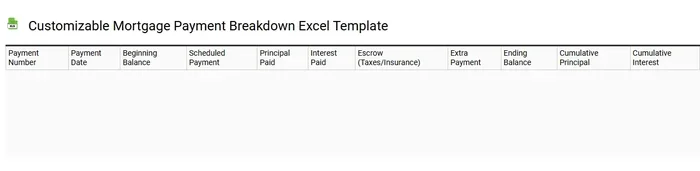
Every monthly payment usually covers two main things: interest and principal. Some loans also include taxes and insurance. Those extra costs sit in an escrow account. They do not reduce your loan balance. The part that matters for your equity is the split between interest and principal.
Interest is the cost of borrowing money. The lender charges it based on your remaining balance and your interest rate. Principal is the actual loan amount you borrowed. When you pay down the principal, you own more of the home.
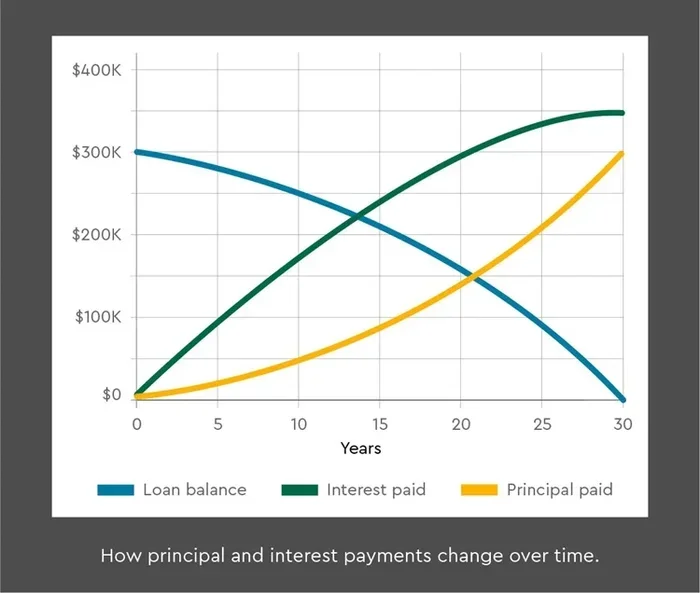
In the beginning, your balance is high. That means interest takes a big share of each payment. The lender calculates interest first. Then the rest of the payment goes toward the principal. This is why early payments feel like they do very little.
Here is a simple way to think about it:
- Your interest charge is based on the current balance.
- Your payment first covers that interest charge.
- Any leftover money reduces the principal.
- Next month, the balance is slightly lower, so interest drops a little.
This cycle continues every month. Over time, the interest portion gets smaller. That leaves more room for principal reduction. The process is called amortization.
Why Interest Takes the Lead at First
The main reason interest dominates early payments is simple math. A large balance creates a large interest charge. Even a moderate rate can produce a big number when the loan is fresh.
Imagine you borrow a large amount at a fixed rate. In month one, the lender applies the rate to the full balance. That creates a sizable interest cost. Your fixed monthly payment stays the same, so only a small amount remains for the principal.
As you keep paying, the balance slowly drops. Each month, the interest calculation uses a slightly smaller number. That means less money goes to interest and more goes to the principal. The change is gradual at first. Then it becomes more noticeable in the middle and later years.
This pattern can feel discouraging. You may look at your statement and think you are not making real progress. You are making progress. It just shows up slowly at the start.
Reading Your Amortization Schedule
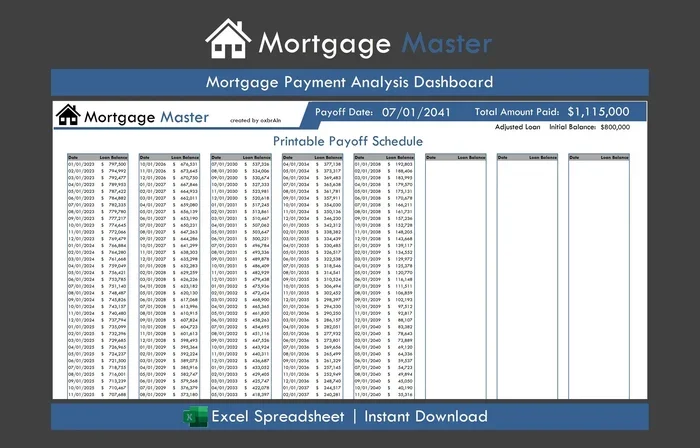
An amortization schedule is a month-by-month map of your loan. It shows how each payment splits between interest and principal. It also shows your remaining balance after every payment. If you want a clear answer to how much of my mortgage payment goes to principal, this chart is one of the best tools.
You can usually find this schedule in your loan documents. Many lenders also provide an online view. If you do not have one, you can request it. A good schedule lets you see the exact numbers for every stage of the loan.
Here is what to look for:
- The interest column, which shows how much of each payment goes to borrowing costs.
- The principal column, which shows how much reduces the loan balance.
- The remaining balance column, which shows your progress over time.
- The total interest paid, which helps you understand the long-term cost.
When you review the schedule, notice how the principal column grows slowly at first. Then it starts to climb. That is the turning point where your payments start working harder for you.
Fixed-Rate vs. Adjustable-Rate Loans
Not all loans behave the same way. A fixed-rate mortgage keeps the same interest rate for the life of the loan. That makes the payment predictable. It also makes the amortization pattern easier to understand.
An adjustable-rate mortgage can change after an initial period. If the rate moves up or down, your payment can shift too. That can affect how much of your payment goes to principal. A higher rate usually means more interest and less principal reduction. A lower rate can have the opposite effect.
If you have an adjustable loan, keep an eye on the adjustment schedule. Know when the rate can change. Understand how that change may affect your payment split. This helps you avoid surprises.
How to See Exactly Where Your Money Goes
Visual guide about Mortgage payment breakdown chart
Image source: thetruthaboutmortgage.com
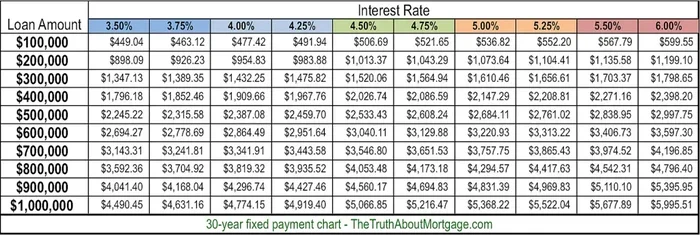
If you want a precise answer, do not guess. Look at your loan details. A few simple tools can show you the exact split.
Start with your monthly statement. Many statements break the payment into interest, principal, taxes, and insurance. If yours does not, contact your lender. Ask for a payment breakdown.
Next, use an amortization calculator. These tools let you enter your loan amount, rate, and term. They then show the full payment path. You can see the first payment, the middle payments, and the final payment. This makes it much easier to understand the pattern.
You can also build a simple spreadsheet. List each month. Track the interest, principal, and remaining balance. This takes a little time, but it gives you full control. You can even test extra payments to see how they change the timeline.
Quick Example of a Payment Breakdown
Let’s walk through a simple example. Suppose you have a fixed-rate loan with a balanced payment plan. In the early months, the interest portion may be much larger than the principal portion. That is normal.
As the years pass, the interest portion shrinks. The principal portion grows. By the middle of the loan, the two numbers may become closer. Near the end, most of the payment goes to the balance.
The exact numbers depend on your rate, loan size, and term. A longer term usually means slower principal reduction at the start. A shorter term usually means faster progress, but higher monthly payments.
If you want to speed things up, focus on the principal. Even a small extra amount can change the trajectory. It reduces the balance sooner. That lowers future interest charges. Over time, this can save a meaningful amount.
Ways to Put More Money Toward Principal
Visual guide about Mortgage payment breakdown chart
Image source: commercebank.com
If you want more of your payment to hit the balance, you have options. Some are small habits. Others are bigger moves. The best choice depends on your budget and goals.
One common approach is to make extra payments. This can be a monthly add-on or a yearly lump sum. The key is to tell the lender that the extra money should go to the principal. Otherwise, it may be treated as an early payment for the next month.
Another option is to make one extra payment each year. This can shorten the loan and reduce total interest. Some people use bonuses, tax refunds, or gift money for this. Even one extra payment can make a noticeable difference.
You can also round up your payment. If your payment is a slightly awkward number, rounding up creates a small but steady extra contribution. Over time, those small amounts add up.
Here are a few practical ideas:
- Add a fixed amount to each payment and mark it for principal.
- Use occasional windfalls for one-time principal reductions.
- Switch to biweekly payments if your lender supports them.
- Review your budget for small savings you can redirect to the loan.
Before you start, check your loan terms. Some loans have rules about extra payments. Make sure you understand how the lender applies them.
The Biweekly Payment Trick
A biweekly plan means you pay half of your monthly payment every two weeks. Because there are more than four weeks in a month, this creates an extra full payment each year. That extra payment can go toward the principal.
This works because the year has 52 weeks. If you pay every two weeks, you make 26 half-payments. That equals 13 full payments instead of 12. The extra payment reduces the balance sooner. That lowers interest over time.
Not every lender offers this option. Some do. If yours does, ask how it handles the extra amount. Make sure it is applied to the principal and not held for the next month.
When Extra Payments Help Most
Extra payments help at any stage. But they often have the biggest impact when the balance is still large. That is because the interest charge is based on that balance. Reducing it early cuts future interest costs.
If you are early in your loan, extra payments can change your timeline in a meaningful way. If you are farther along, they still help, but the interest portion may already be smaller.
Think of it like this: the sooner you lower the balance, the less interest you pay later. That is why many people focus on principal when they have extra cash.
Common Mistakes That Slow Principal Growth
Even well-meaning homeowners can make mistakes. Some of these mistakes keep more money going to interest than necessary. Others create confusion about where the payment actually goes.
One common mistake is assuming every extra payment automatically reduces the principal. That is not always true. Some lenders apply extra money to the next month’s payment unless you specify otherwise. Always confirm how the payment is applied.
Another mistake is ignoring escrow changes. Taxes and insurance can change over time. If your total payment rises, you may think your principal portion increased too. It may not have. The increase could be going to escrow instead.
Some people also forget to review their amortization schedule after making extra payments. If you do not check the updated numbers, you may miss the real impact. A quick review helps you stay motivated and informed.
Here are a few pitfalls to avoid:
- Sending extra money without instructions.
- Assuming a higher payment always means faster payoff.
- Overlooking rate changes on adjustable loans.
- Not checking whether your loan has prepayment rules.
Prepayment and Loan Rules
Before you make extra payments, read your loan documents. Some loans allow free extra payments. Others may have conditions. You want to avoid any surprise fees or processing issues.
Also, ask how the lender records principal-only payments. Clear instructions matter. A short note or online selection can make a big difference. If you are unsure, call and ask directly.
If your loan has special rules, plan around them. The goal is to make your extra money work for you, not to create delays.
When Refinancing Changes the Principal Picture
Refinancing means replacing your current loan with a new one. People do this for different reasons. Some want a lower rate. Some want a different term. Some want lower monthly payments.
Refinancing can change how much of your payment goes to principal. A lower rate may reduce interest and increase principal reduction. But a longer term can push you back toward the early interest-heavy stage. That is important to understand.
If you refinance into a new loan, you may reset the amortization clock. That can feel helpful in the short term because the payment may drop. But it can also slow equity growth if the term is much longer.
Before refinancing, compare the full picture. Look at the new rate, the new term, and the total interest over time. Think about whether the change supports your goals.
Questions to Ask Before You Refinance
If you are thinking about refinancing, ask clear questions:
- Will the new payment really save me money overall?
- How will the new term affect principal reduction?
- Will I pay closing costs that offset the benefit?
- How long do I plan to keep the loan?
These questions help you avoid a move that looks good on paper but does not fit your long-term plan.
Building Equity and Staying Motivated
Equity is the part of the home you truly own. It grows as you pay down the principal and as the property value changes. In the early years, principal reduction may feel slow. That does not mean nothing is happening. It means the loan is following its normal schedule.
If you want to stay motivated, focus on the long view. Track your balance once or twice a year. Compare where you started to where you are now. Small steps become more encouraging when you see the trend.
You can also celebrate milestones. Maybe you reach a lower balance threshold. Maybe you make your first extra payment. Maybe you notice the principal portion finally overtaking the interest portion. These moments matter.
If you ever feel stuck, remember that consistency is powerful. Regular payments do the work. Extra payments speed it up. Smart choices keep you on track.
Key Takeaways for Your Loan Journey
As you move forward, keep these ideas in mind:
- The early payment split is normal, not a mistake.
- Amortization gradually shifts more money to the principal.
- Extra payments can shorten the loan and reduce interest.
- Always confirm how your lender applies additional money.
- Review your schedule so you know your real progress.
When you understand the process, you can make better decisions. You stop guessing. You start planning. And you can answer the question of how much of my mortgage payment goes to principal with confidence.
Final Thoughts
Your mortgage payment is doing more than keeping the roof over your head. It is also slowly building ownership. At first, most of the money goes to interest. Later, more of it goes to the balance. That is how amortized loans work.
If you want faster progress, use the tools available to you. Check your schedule. Make extra payments when you can. Understand your loan type. And be careful with refinancing decisions.
The more you know, the more control you have. Over time, that knowledge can save money, reduce stress, and help you reach your goals sooner.
Frequently Asked Questions
How much of my mortgage payment goes to principal in the first year?
In the first year, only a small part of your payment usually goes to the principal. Most of it covers interest because your loan balance is still high. The exact amount depends on your rate, loan size, and term.
Why does my payment go to interest instead of principal?
Lenders calculate interest based on the remaining balance each month. Since the balance is largest at the start, the interest charge is also large. After interest is covered, the leftover amount reduces the principal.
Can I make my payment go more toward principal?
Yes, you can often do this by making extra payments and asking the lender to apply them to the principal. Even small additional amounts can reduce the balance faster and lower future interest costs.
Does a longer mortgage term mean less principal paid each month?
A longer term usually spreads payments out more, so the principal portion grows more slowly at first. That can make early progress feel slower, even though the monthly payment may be lower.
Do taxes and insurance affect how much goes to principal?
Taxes and insurance are usually separate from the principal and interest split. They may be included in your total payment, but they do not reduce your loan balance. Only the principal portion lowers what you owe.
How can I check how much of my payment goes to principal?
You can check your monthly statement, request an amortization schedule, or use a loan calculator. These tools show the exact split between interest and principal for each payment.