
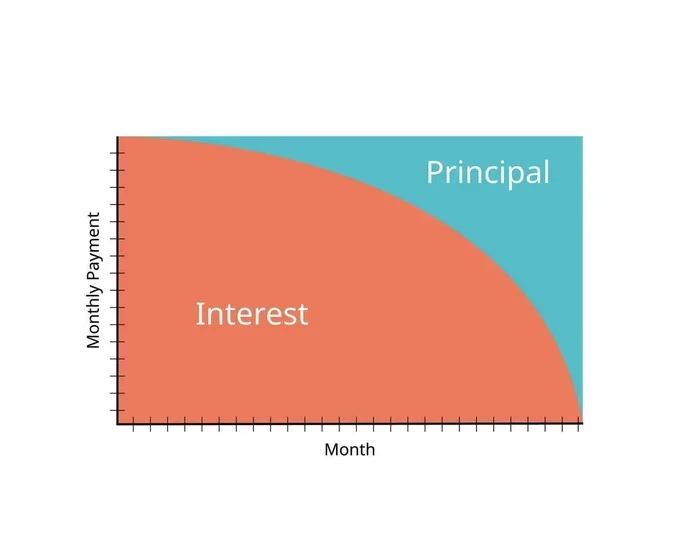
When you make a monthly house loan payment, only a small portion actually reduces your balance at first. In the early years, most of your money covers interest, but this shifts over time as your balance drops. Understanding how much of mortgage payment goes to principal helps you plan better, save on interest, and build equity faster. You can also make extra payments or refinance to speed up the process and reach your financial goals sooner.
If you just bought a home, you probably noticed your monthly payment feels pretty high. You might also wonder where all that money actually goes. The truth is, your payment does not go straight to your balance. A big chunk covers interest first. This can feel frustrating, especially when you want to own your home free and clear. The good news is that the split changes over time. Once you understand the pattern, you can make smarter choices and keep more control over your money.
This guide breaks down the whole process in plain language. You will see why the split looks the way it does, how it changes month by month, and what you can do to speed things up. We will also look at real numbers, common mistakes, and simple tricks that help you build equity faster. By the end, you will know exactly how much of mortgage payment goes to principal at different stages of your loan.
Key Takeaways
- Early payments focus on interest: In the first years, most of your monthly payment covers interest, not the loan balance.
- Amortization shifts over time: As your balance drops, more of each payment goes toward principal and less toward interest.
- Extra payments accelerate progress: Adding even small amounts each month can cut years off your loan and save thousands in interest.
- Loan type matters: Fixed-rate loans follow a steady schedule, while adjustable-rate or interest-only loans change how principal gets paid.
- Equity builds slowly at first: Your ownership stake grows as principal decreases, which matters when you sell or refinance.
- Check your amortization schedule: This document shows exactly how each payment splits between interest and principal over the life of the loan.
- Refinancing can help: A lower rate or shorter term may increase the principal portion of your payment and reduce total interest costs.
📑 Table of Contents
- How Mortgage Payments Work
- Principal vs. Interest: What Is The Difference
- How Amortization Changes Your Payment Over Time
- How To Find Your Principal Portion
- Ways To Pay More Principal Faster
- Common Mistakes When Tracking Principal
- Expert Insights And Real-World Tips
- Final Thoughts On Principal And Interest
How Mortgage Payments Work
Your monthly payment is really a bundle of different costs wrapped into one bill. Most people think of it as just one number, but it usually includes a few separate parts. The main pieces are the loan balance reduction, the interest charge, and sometimes taxes and insurance. When people ask how much of mortgage payment goes to principal, they usually mean the part that actually lowers the amount they owe on the house.
The interest piece is the cost of borrowing money. Lenders charge this fee for letting you use their funds over time. In the beginning, your balance is at its highest, so the interest charge is also high. That means a larger share of your payment goes to interest first. The rest then goes toward lowering your balance. This setup is normal, and it is built into most home loans.
If your loan includes escrow, part of your payment may also cover property taxes and homeowners insurance. Those amounts do not reduce your balance at all. They simply go into a separate account so your bills get paid on time. For this guide, we will focus on the loan itself, since that is where the principal and interest split matters most.
The Core Parts Of Your Monthly Payment
It helps to know what sits inside that single monthly number. Here are the common pieces:
- Principal: The amount that reduces what you owe on the loan.
- Interest: The fee charged for borrowing the money.
- Taxes: Property taxes collected monthly and paid later on your behalf.
- Insurance: Homeowners coverage, and sometimes mortgage insurance if your down payment was small.
When you look at your loan statement, you can usually see the breakdown. Some lenders show it on the monthly bill. Others show it in an online portal. If you want a clearer picture, ask for an amortization schedule. That document shows how each payment splits over time. It is one of the best tools for understanding how much of mortgage payment goes to principal at any point in your loan.
Principal vs. Interest: What Is The Difference
Principal and interest are the two main parts of the loan itself. Principal is the amount you borrowed. Interest is the price you pay for borrowing it. These two pieces work together, but they do not stay in the same balance month after month. At the start, interest gets a bigger share. Later, principal gets more. This change is what makes the loan slowly disappear over time.
Visual guide about mortgage payment principal breakdown
Image source: commercebank.com
Think of it this way. If you owe a large amount, the lender charges interest on that large amount. As you pay down the balance, the interest charge drops too. That leaves more room for the principal portion to grow. The total payment often stays the same, but the split inside it keeps moving. This is the heart of amortization, and it explains why your first payments feel so interest-heavy.
Why Interest Gets A Larger Share Early On
The early months feel a little disappointing if you expect your balance to drop quickly. You make a payment, and the balance barely moves. That happens because the interest charge is based on the remaining balance. Since the balance is still high, the interest amount is also high. Your payment covers that interest first, and whatever is left goes to principal.
This does not mean anything is wrong. It is simply how most loans are structured. The system is designed so the payment stays steady while the loan gradually pays off. If you want to change the pace, you need to understand the split and then use a few smart strategies. We will cover those later. For now, the key idea is that interest takes the lead at the beginning, and principal catches up later.
How Amortization Changes Your Payment Over Time
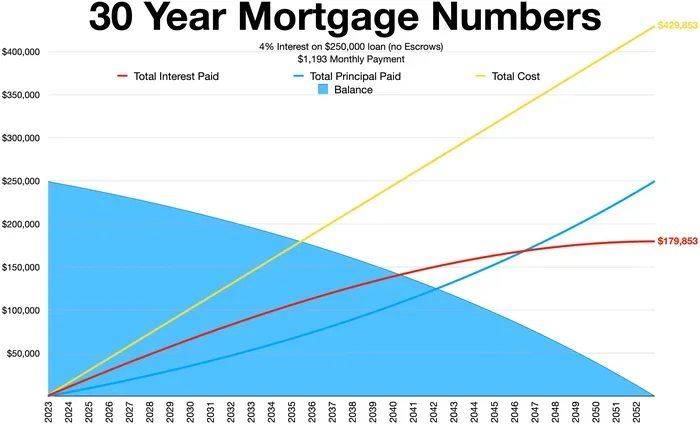
Amortization is the schedule that shows how your loan gets paid off. It maps out every payment from the first month to the last. Each payment has the same total in a fixed-rate loan, but the inner split keeps changing. In the beginning, the interest portion is larger. Over time, the principal portion grows. This is the reason people often ask how much of mortgage payment goes to principal at different points in the loan.
Visual guide about mortgage payment principal breakdown
Image source: warreninstitute.org
The change happens slowly at first, then more clearly in the middle years. By the time you reach the later stage of the loan, most of your payment goes toward principal. That is when your balance starts dropping faster. If you keep track of this pattern, you can plan better. You will know when your equity starts growing more quickly and when extra payments can make the biggest difference.
A Simple Look At The Payment Split
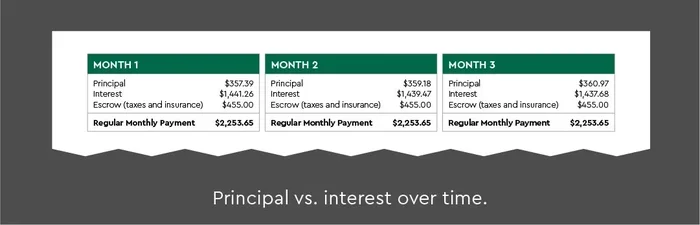
Here is a simple example with round numbers to show the idea. Imagine a loan where the monthly principal and interest payment is about $1,400. In the first year, a large part of that payment may go to interest, while only a smaller part reduces the balance. A few years later, the interest share drops, and the principal share rises. The total stays near the same, but the inside mix changes.
You do not need to guess at these numbers. Your lender can give you a schedule that shows the exact split for every month. That schedule is useful because it turns a vague idea into a clear picture. When you can see the numbers, it becomes easier to understand your progress and make better decisions about extra payments or refinancing.
What Happens In The Early Years
During the first several years, your balance stays relatively high. That means interest keeps taking a big share of each payment. Your principal portion grows, but slowly. This stage can feel a bit slow if you are eager to build ownership. Still, you are making progress, even if it is not dramatic yet. Every payment still lowers the balance a little, and that matters over time.
If you are in this stage right now, do not feel discouraged. The early years are just the nature of the loan. The important thing is to stay consistent. If you want to change the outcome, you can add extra payments when you can afford them. Even small additional amounts can help more of your regular payment go toward principal later.
What Happens In The Later Years
As time passes, the balance gets smaller. Once the balance drops enough, the interest charge becomes much lower. That leaves more of your monthly payment available for principal. In the later years, you may notice your balance shrinking faster. This is the payoff phase, and it is where the loan starts to feel more rewarding. You are finally seeing a larger share of your money reduce what you owe.
This shift is one of the most helpful things to understand about home loans. It shows why patience matters. The loan does not move at the same speed in every stage. The later years are where the real momentum builds. If you stay the course, the process becomes more efficient as time goes on.
How To Find Your Principal Portion
If you want a clear answer for your own loan, you need to look at your loan details. The exact split depends on your rate, your balance, and your loan term. Two people with the same payment can have very different principal amounts if their rates or balances differ. That is why it helps to check your own numbers instead of relying on guesses or generic examples.
Visual guide about mortgage payment principal breakdown
Image source: fciq.ca
The easiest way to find the split is to review your amortization schedule. Many lenders provide this online. You can also ask for a breakdown after each payment. Some statements show the interest and principal amounts side by side. Once you have that information, you can track your progress and answer the question how much of mortgage payment goes to principal for your specific situation.
Use An Amortization Schedule
An amortization schedule is a simple chart that shows every payment over the life of the loan. It usually lists the payment number, the total payment, the interest amount, the principal amount, and the remaining balance. This makes it easy to see the shift from interest-heavy payments to principal-heavy payments. It also helps you plan ahead if you want to pay extra.
When you study this schedule, look for the point where the principal amount starts to rise noticeably. That is the moment when your loan begins to move faster. You can also use the schedule to test what happens if you add extra payments. Seeing the numbers on paper can be very motivating, because it shows how much time and interest you may save.
Ask Your Lender For A Breakdown
If you are not sure where to look, call or message your lender. Ask for a payment breakdown or an amortization table. Most companies can provide this without much trouble. You can also check your online account, since many portals show the principal and interest amounts after each payment posts. Having this information makes you more informed and helps you manage your loan with confidence.
It is also smart to review your statement after any extra payment. Sometimes an extra payment is applied in a way that surprises people. You want to make sure the extra amount goes toward the balance, not just toward future interest or upcoming bills. Clear communication with your lender helps you use your money in the most effective way.
Example Numbers To Illustrate The Point
Let us keep this very simple. Suppose your monthly principal and interest payment is fixed. In one early payment, the interest portion might be much larger than the principal portion. A few years later, the reverse can be true. The total payment may stay nearly the same, but the balance reduction becomes bigger. This example shows why time and rate both matter so much.
Another example is a shorter loan term. A shorter term usually means higher monthly payments, but more of each payment goes toward principal sooner. That can help you build equity faster and pay less interest overall. Of course, the right choice depends on your budget and your goals. The main idea is that the loan setup changes the split more than people expect.
Ways To Pay More Principal Faster
If you want to change the pace, you have options. You do not need to wait for the loan to slowly shift on its own. You can take action and make more of your payment reduce the balance. The goal is to lower the balance sooner, which also lowers future interest charges. That is how you get more value from every payment you make.
Before you start, make sure your budget can handle the extra effort. Even small changes can help if they are consistent. The best approach is the one you can keep doing without stress. Here are some practical ways to put more money toward principal.
Make Extra Payments When You Can
One of the simplest methods is to add a little extra whenever possible. This could be a small amount each month or a larger lump sum when you have extra cash. The key is to tell the lender that the extra money should reduce the balance. If you do this regularly, you can shorten the loan and save on interest.
This works because a lower balance means less interest in the next month. Then more of your regular payment can go to principal. It creates a positive cycle. Over time, that cycle can make a big difference. If you want to know how much of mortgage payment goes to principal in the future, extra payments can tilt the numbers in your favor.
Use Windfalls Wisely
Tax refunds, bonuses, gifts, or other unexpected money can be useful here. Instead of spending every extra dollar right away, you can direct some of it to the loan. Even one or two extra payments a year can help. This approach is flexible, because you do not have to commit to a huge monthly increase. You simply use surplus money when it shows up.
The smartest move is to keep it practical. Do not strain your finances just to make an extra payment. Keep an emergency fund and cover your basic needs first. Then use leftover money to speed up the loan if that fits your goals. That balance keeps you safe while still moving you forward.
Choose A Shorter Term Or Reconsider Your Rate
If you are still in the shopping phase, or if you are thinking about refinancing, the loan term matters a lot. A shorter term usually means more principal each month. A lower rate can also reduce the interest share, which leaves more room for principal. These choices change the whole shape of the loan. They can help you build equity sooner and pay less interest over time.
Refinancing is not always the right move, though. You need to compare the cost of changing the loan with the savings you expect. If the numbers make sense, a new loan could help. If not, it may be better to stick with your current plan and use extra payments instead. The best decision depends on your numbers and your timeline.
Watch For Prepayment Rules And Fees
Before you send extra money, check your loan terms. Some loans have rules about how extra payments are handled. In many cases, you can pay extra without a problem, but it is still wise to confirm. You want to make sure the money is applied the way you intend. If the lender applies it to future bills instead of the balance, you may not get the result you wanted.
It also helps to keep a record of what you paid and how it was applied. Save confirmations and review your statements. That way, if something looks off, you can catch it early. A little attention here can protect your progress and keep your plan on track.
Common Mistakes When Tracking Principal
A lot of people assume their balance should drop quickly from day one. When it does not, they worry something is wrong. In most cases, nothing is wrong. The loan is simply following its normal pattern. The mistake is expecting the early years to look like the later years. Once you understand the timeline, the process feels much less confusing.
Another common mistake is sending extra money without checking how it will be used. If the lender applies the money to escrow, future payments, or fees, your balance may not drop the way you hoped. That is why it helps to confirm the application before you pay. A few minutes of checking can save a lot of frustration later.
Mistakes To Avoid
- Assuming the first payments reduce the balance quickly. They usually do not, because interest takes a larger share at the start.
- Sending extra money without instructions. Make sure the lender knows you want it applied to principal.
- Ignoring the amortization schedule. This document gives you the clearest picture of your loan progress.
- Forgetting about escrow. Taxes and insurance are part of the payment but do not reduce the balance.
- Comparing your loan to someone else’s. Different rates, terms, and balances create very different splits.
If you avoid these mistakes, you will have a much clearer view of your loan. You will also be less likely to feel discouraged by the early pace. The goal is not to panic when the principal portion looks small. The goal is to understand the pattern and use it well.
Expert Insights And Real-World Tips
People who work with home loans every day often say the same thing: understand the schedule before you try to speed it up. That means knowing your rate, your balance, and how your payment splits. When you have that foundation, you can make better choices. You also avoid confusion when your balance does not move as fast as you hoped.
Another helpful insight is to focus on consistency instead of perfection. You do not need a huge plan to make progress. Small extra payments, used regularly, can matter a lot. The same is true for reviewing your loan once or twice a year. A quick check can keep you aware of your progress and help you spot changes you might want to make.
Quick Tips For Homeowners
- Review your statement each month. Check how the payment was split and whether extra amounts were applied correctly.
- Keep an emergency fund. Do not drain your savings just to make extra payments.
- Use a simple tracker. A basic spreadsheet or note can help you see your balance over time.
- Ask questions early. If something on your bill looks unclear, get it explained before it becomes a problem.
- Think in years, not months. The loan changes slowly, so long-term habits matter more than one lucky month.
These tips are simple, but they work. The whole point is to stay aware and stay steady. When you do that, you give yourself a better chance to control the loan instead of feeling controlled by it. That mindset makes the process much easier to handle.
Final Thoughts On Principal And Interest
At the end of the day, the question how much of mortgage payment goes to principal has a moving answer. It depends on where you are in the loan, what rate you have, and how long your term lasts. In the beginning, interest gets the bigger share. Later, principal takes over. That is the normal path, and it is true for many home loans.
Once you see that pattern, you can work with it instead of against it. You can track your schedule, make extra payments when it makes sense, and choose loan terms that fit your goals. You can also avoid the frustration that comes from expecting fast results too early. Home loans are long-term commitments, so the best wins often come from patience and steady action.
If you want the most out of your payment, focus on the balance, not just the bill. Every dollar that reduces the balance also reduces future interest. That is the real power behind principal payments. The more you understand that, the more control you have over your path to ownership.
Frequently Asked Questions
How much of my mortgage payment goes to principal at the start?
At the beginning, most of your payment usually goes to interest, while only a smaller part reduces the balance. This happens because your loan balance is still high, so the interest charge is also high. The principal portion grows slowly as the balance drops.
Why does my principal portion increase over time?
Your principal portion increases because the interest charge gets smaller as your balance goes down. With less interest to cover, more of your fixed payment can go toward reducing what you owe. This shift is a normal part of amortization.
How can I make more of my payment go to principal?
You can make extra payments and ask the lender to apply them to the balance. You can also choose a shorter loan term or a lower rate if that fits your budget. Even small extra amounts can help over time.
Does my total monthly payment stay the same?
In a fixed-rate loan, the principal and interest portion usually stays the same, but the split inside it changes. If your loan includes taxes and insurance, those parts can change too. That means your total payment may still shift a little over time.
Will extra payments really save me money?
Yes, extra payments can save money by lowering the balance sooner and reducing future interest charges. They can also shorten the time it takes to pay off the loan. The exact savings depend on your rate, balance, and how often you pay extra.
Where can I see how much of my payment went to principal?
You can usually find this on your monthly statement, in your online account, or in an amortization schedule from your lender. The schedule shows the interest and principal amounts for each payment. If you cannot find it, ask your lender for a breakdown.