
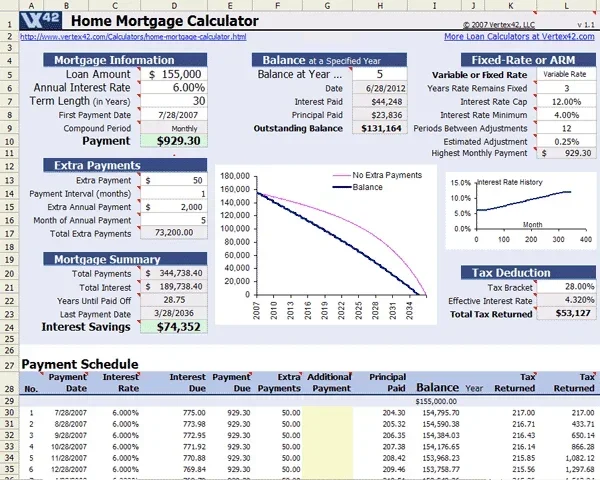
Most lenders let you pay how many months ahead can I make my mortgage payment without extra fees. You can reduce interest costs and build equity faster by prepaying. Always check your loan terms before sending extra funds.
Many homeowners ask how many months ahead can I make my mortgage payment when they want to save money or pay off debt faster. The short answer is that most lenders allow advance payments. However, the exact rules depend on your loan agreement, lender policies, and loan type. This guide breaks down everything you need to know so you can make smart financial choices.
Paying your mortgage early can feel like a win. You might want to reduce interest costs, build equity faster, or simply get ahead on bills. But advance payments are not always straightforward. Lenders apply extra funds in different ways. Some treat them as principal reductions. Others hold them as credits for future installments. Understanding these differences helps you avoid surprises.
Key Takeaways
- Prepayment flexibility: Most lenders allow advance payments, but policies vary by loan type.
- Interest savings: Paying ahead reduces total interest paid over the loan term.
- Prepayment penalties: Some loans charge fees for early payments, especially older mortgages.
- Payment application: Extra funds may go to principal or future installments depending on lender rules.
- Budget planning: Advance payments require careful cash flow management to avoid shortfalls.
- Communication matters: Always confirm how your lender applies extra payments before sending money.
- Loan type differences: FHA, VA, conventional, and jumbo loans each have unique prepayment rules.
📑 Table of Contents
- Understanding How Mortgage Payments Work
- How Many Months Ahead Can I Make My Mortgage Payment
- Benefits of Paying Your Mortgage Early
- Potential Risks and Prepayment Penalties
- How to Make Advance Mortgage Payments Correctly
- Best Strategies for Long-Term Mortgage Planning
- Common Mistakes to Avoid
- Expert Insights on Mortgage Prepayment
- Final Thoughts on Paying Ahead
Understanding How Mortgage Payments Work
Your monthly mortgage payment usually covers four parts. These parts include principal, interest, taxes, and insurance. Lenders often bundle taxes and insurance into an escrow account. Your payment schedule follows an amortization plan. This plan shows how each payment splits between interest and principal over time.
At the start of your loan, most of your payment goes toward interest. Later, more money goes toward principal. This structure matters when you pay ahead. Extra payments made early in the loan term can save more interest. That is why many people ask how many months ahead can I make my mortgage payment when they want maximum savings.
Principal vs. Interest Basics
Principal is the amount you borrowed. Interest is the cost of borrowing that money. When you pay extra toward principal, you reduce the balance faster. A lower balance means less interest in future months. This creates a snowball effect that speeds up payoff.
Escrow and Additional Costs
Taxes and insurance are often collected monthly. These amounts do not reduce your loan balance. They sit in escrow until bills are due. If you pay months ahead, make sure you understand how escrow is handled. Some lenders only accept advance payments for principal and interest. Others may apply funds to escrow as well.
How Many Months Ahead Can I Make My Mortgage Payment
Most lenders allow you to pay one to three months ahead without issues. Some may accept even more. The real question is not just about timing. It is about how the lender applies those funds. If you send two months of payments, the lender may treat one as current and one as extra. Or the lender may hold both as prepaid installments.
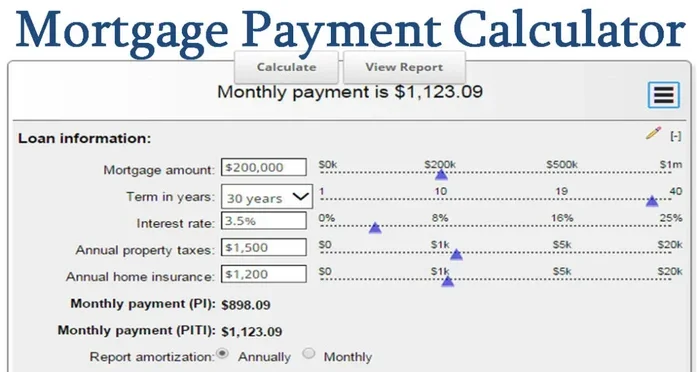
Visual guide about mortgage payment calculator home
Image source: mlsmortgage.com
The best approach is to contact your loan servicer. Ask clear questions before sending money. Find out whether advance payments reduce principal or simply cover future due dates. This step helps you avoid confusion. It also ensures your money works the way you want.
Common Lender Policies
Lender rules vary widely. Here are some common approaches:
- Current payment only: Some lenders apply extra funds to the next due date.
- Principal credit: Others let you designate extra money for principal reduction.
- Prepaid installments: A few lenders allow true advance payments for future months.
- Combination methods: Some split extra funds between principal and upcoming payments.
Why Policies Differ
Loan servicing systems handle payments differently. Older loans may follow stricter rules. Newer digital platforms may offer more flexibility. Loan type also matters. Conventional loans often allow more prepayment freedom. Government-backed loans may have specific guidelines. Your servicer’s internal process also shapes what is allowed.
Benefits of Paying Your Mortgage Early
Paying ahead can offer real advantages. The biggest benefit is interest savings. Mortgage interest adds up over many years. Reducing the balance early cuts total costs. Even small extra payments can create meaningful savings over time.
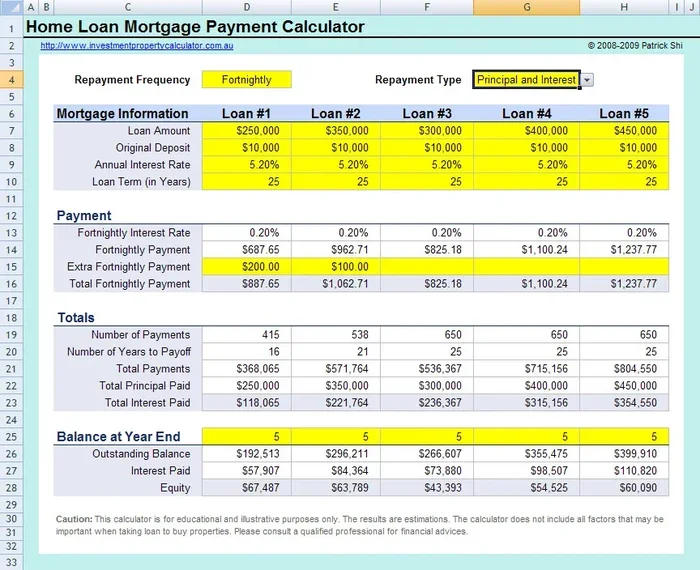
Visual guide about mortgage payment calculator home
Image source: investmentpropertycalculator.com.au
Another benefit is faster equity growth. Equity is the portion of your home you truly own. Higher equity improves financial flexibility. It can help with refinancing, home equity loans, or future sales. Paying ahead can also reduce stress if you want a buffer for tough months.
Interest Savings Over Time
Consider a simple example. A $250,000 loan at 6% interest carries heavy interest costs in early years. An extra $200 per month toward principal can shorten the loan term. It can also save thousands in interest. The exact amount depends on your rate, balance, and loan length.
Financial Flexibility and Peace of Mind
Advance payments can create a cushion. If you know future payments are covered, you may feel more secure. This can be helpful during job changes, medical bills, or family expenses. Still, you should keep enough cash for emergencies. Paying too much ahead can tie up liquidity.
Potential Risks and Prepayment Penalties
Not every loan rewards early payment. Some mortgages include prepayment penalties. These fees appear if you pay off the loan too quickly or make large advance payments. Penalties are more common in certain older loans or non-standard products. Always review your promissory note and loan estimate.
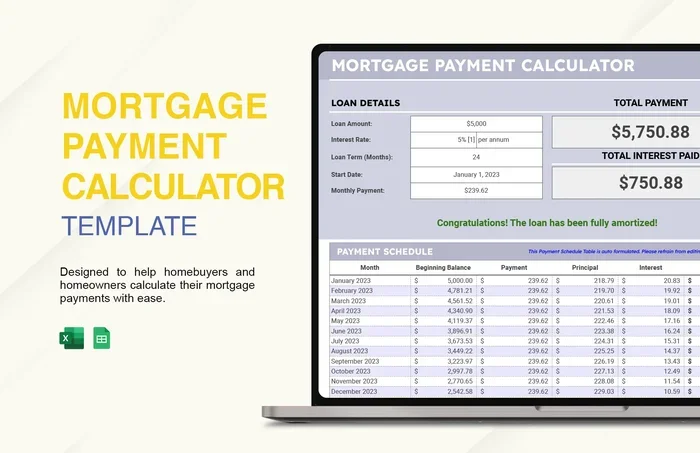
Visual guide about mortgage payment calculator home
Image source: images.template.net
Another risk is misapplication of funds. If you do not specify how extra money should be used, the lender may apply it to future installments instead of principal. That may delay payoff and reduce interest savings. Clear instructions matter.
Prepayment Penalty Basics
Prepayment penalties can be hard to spot. They may apply only during the first few years. They may also trigger only when you pay a large lump sum. Check your loan documents for phrases like “prepayment charge” or “early payoff fee.” If you see them, calculate whether savings still outweigh the cost.
Cash Flow Considerations
Paying months ahead can strain your budget. Money sent to your mortgage is not easily accessible. If an emergency arises, you may need cash fast. Before making advance payments, keep a solid emergency fund. Balance debt reduction with everyday financial safety.
How to Make Advance Mortgage Payments Correctly
If you decide to pay ahead, follow a careful process. Start by reading your loan agreement. Then contact your servicer and ask how extra payments are handled. Request written confirmation if possible. This reduces misunderstandings later.
When you send money, label it clearly. Some lenders provide a special checkbox or memo line for principal-only payments. Use it if available. Keep records of every payment. Save receipts, confirmations, and account statements. These documents help you track progress and resolve disputes.
Step-by-Step Payment Process
Use this simple checklist:
- Review loan documents: Look for prepayment rules and penalty clauses.
- Contact your servicer: Ask how advance payments are applied.
- Choose payment type: Decide between principal reduction or prepaid installments.
- Label the payment: Use notes or forms that clarify your intent.
- Keep records: Save confirmations and monitor your account.
Sample Payment Instructions
If your lender allows principal-only payments, be specific. You might write “apply extra to principal” in the memo field. If you want to prepay future installments, say so clearly. Vague instructions can lead to delays. The more precise you are, the better your results.
Best Strategies for Long-Term Mortgage Planning
Advance payments work best as part of a broader plan. Decide what you want to achieve. Do you want to save interest, shorten the loan term, or build a payment buffer? Your goal should guide your strategy.
One smart approach is to make extra payments regularly. Even one extra payment per year can help. Another option is to use windfalls like tax refunds or bonuses for principal reduction. This keeps your normal budget intact while still reducing debt.
Choosing Between Payoff Speed and Liquidity
Some homeowners want the fastest payoff. Others prefer flexibility. A faster payoff saves interest but reduces cash access. More liquidity leaves room for other goals. Think about your full financial picture before choosing.
When Advance Payments Make the Most Sense
Advance payments often make sense when:
- Your interest rate is high: Extra payments save more money.
- You have stable income: You can afford to part with cash safely.
- You lack prepayment penalties: Your loan allows free early payments.
- You want debt reduction peace: You value owning your home sooner.
Common Mistakes to Avoid
Many borrowers make simple mistakes when paying ahead. One mistake is assuming extra money automatically reduces principal. Another is forgetting to check for prepayment penalties. Some people also overpay and leave themselves short for other bills.
Avoid these pitfalls by staying organized. Track your loan balance. Confirm how payments are applied. Keep an emergency fund separate from mortgage money. Small habits prevent big headaches.
Mistake: Not Confirming Application Method
If you send extra money without instructions, the lender may use it however their system defaults. That may not match your goal. Always confirm the application method first.
Mistake: Ignoring Other Financial Priorities
Mortgage prepayment should fit your overall plan. High-interest credit card debt may need attention first. Retirement savings and emergency funds also matter. Balance all priorities before sending extra cash.
Expert Insights on Mortgage Prepayment
Financial professionals often suggest a balanced approach. Paying ahead can be wise, but it should not create stress. The best choice depends on your rate, savings, and goals. If your mortgage rate is low, some experts recommend investing extra money elsewhere. If your rate is high, prepayment may offer a better return than many safe investments.
Experts also recommend reviewing your loan periodically. Rates, refinancing options, and personal circumstances change. What made sense last year may not fit today. Staying flexible helps you make better decisions.
When to Reconsider Your Strategy
Reassess your plan if your income changes or if you need cash for major expenses. Also reconsider if refinancing becomes available at a much lower rate. Your mortgage strategy should evolve with your life.
Final Thoughts on Paying Ahead
If you are still asking how many months ahead can I make my mortgage payment, the answer is usually simple: many lenders allow it, but the details matter. Advance payments can save interest, build equity, and reduce stress. They can also create budget strain if you are not careful. The key is to understand your loan, communicate with your servicer, and choose a strategy that fits your goals.
Take your time before sending extra funds. Read your documents. Ask questions. Track your results. With a clear plan, prepayment can become a powerful tool in your financial toolkit.
Frequently Asked Questions
Can I pay three months of mortgage in advance?
Many lenders allow you to pay multiple months ahead, but the funds may be applied to future installments rather than principal. Always confirm your servicer’s policy before sending extra money.
Will paying ahead reduce my total interest?
It can if the extra money is applied to principal. If the payment only covers future installments, your interest savings may be limited. Check how your lender applies advance payments.
Are there fees for paying my mortgage early?
Some loans include prepayment penalties, especially during the first few years. Review your loan documents carefully to see whether any charges apply to early or advance payments.
How do I make sure extra payment goes to principal?
Contact your lender and ask for the correct process. Use memo lines, special payment options, or written instructions that clearly state you want the extra amount applied to principal.
Is it better to prepay mortgage or save cash?
It depends on your interest rate, emergency needs, and other debts. Prepaying can save interest, but keeping cash may offer more flexibility for emergencies or higher-return investments.
Can I prepay my mortgage every month?
In many cases, yes, as long as your loan does not have prepayment penalties or special restrictions. Regular extra payments can shorten your term and reduce interest over time.