
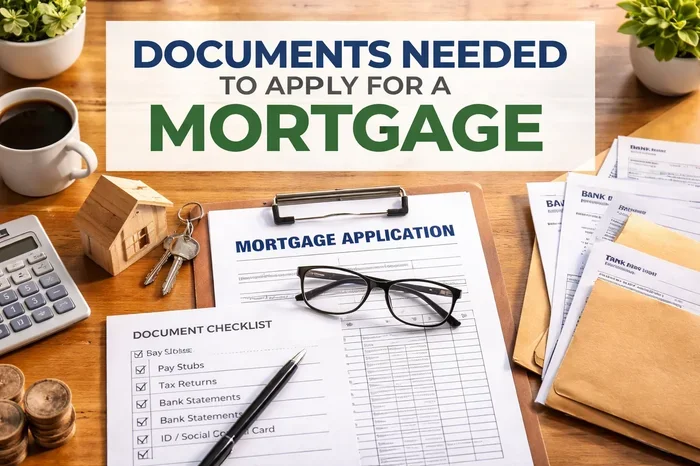
Applying to too many mortgage lenders can hurt your credit score, while applying to too few might cause you to miss out on better rates. Most experts agree that the ideal range is between three to five lenders to balance competitive offers with minimal credit impact. Knowing how many lenders should I apply to for mortgage decisions helps you save money, reduce stress, and keep your financial profile strong.
Buying a home is one of the biggest financial steps you will ever take. It feels exciting, but it can also feel overwhelming. One of the most common questions buyers ask is about how many lenders should I apply to for mortgage options. You want the best rate, but you also worry about your credit score. You want choices, but you do not want to drown in paperwork. The good news is that you can find a smart middle ground.
Mortgage shopping does not have to be a guessing game. When you understand how credit checks work and what lenders actually look at, the process becomes much clearer. You can compare offers without fear. You can also avoid wasting time on lenders who are not a good fit for your situation. A little strategy goes a long way when you are trying to lock in a loan that fits your budget and your goals.
Key Takeaways
- Ideal Range: Apply to 3-5 lenders to get competitive rates without excessive credit hits.
- Credit Impact: Multiple mortgage inquiries within a short window usually count as one hard pull on your credit report.
- Rate Shopping Window: Keep all applications within 14-45 days to maximize credit score protection.
- Lender Types: Mix banks, credit unions, and online lenders to compare diverse loan products and fees.
- Preapproval Matters: Get preapproved before house hunting to show sellers you are a serious buyer.
- Read the Fine Print: Compare APR, closing costs, and loan terms, not just the advertised interest rate.
- Know When to Stop: Once you have a competitive offer and a trusted lender, stop applying to avoid unnecessary credit checks.
📑 Table of Contents
Why the Number of Lenders Matters
The number of lenders you apply to affects more than just your inbox. It touches your credit profile, your time, and your final loan cost. Every application can trigger a hard inquiry, which may cause a small, temporary dip in your credit score. That dip is usually minor, but it can add up if you spread applications out over months. The key is to keep your shopping window tight and focused.
The number of lenders also matters because not all loan offers are the same. One lender may offer a lower rate but charge higher fees. Another may have a better customer service experience or more flexible underwriting. When you talk to several lenders, you get a clearer picture of what the market is offering you. That comparison can save you thousands of dollars over the life of your loan.
The Credit Score Question
Many buyers worry that applying to multiple lenders will wreck their credit. In reality, credit scoring models are designed to recognize rate shopping. If you submit several mortgage applications within a short period, they are often treated as a single inquiry for scoring purposes. That means you can compare offers without taking a big hit. Still, it is best to keep your applications close together rather than spacing them out over time.
It also helps to know that your credit score is only one part of the puzzle. Lenders look at your income, debt-to-income ratio, employment history, and overall financial stability. A strong application can still get a great rate even if your score is not perfect. If you are unsure where you stand, it can help to review your credit report before you start applying. That way, you can fix simple errors and approach lenders with confidence.
How Many Applications Are Too Many
There is no magic number that fits every buyer, but there is a practical range. Applying to one lender may leave you with limited options. Applying to ten lenders may create unnecessary noise and extra credit checks. Most buyers do best when they keep the list manageable and intentional. Quality matters more than quantity when you are choosing a mortgage partner.
Too many applications can also make the process confusing. You may receive different loan estimates, different fee structures, and different communication styles. That can make it harder to compare apples to apples. A smaller, well-chosen list helps you stay organized and make a clearer decision. It also reduces the chance that you will miss an important detail in the fine print.
The Sweet Spot for Mortgage Applications
So, how many lenders should I apply to for mortgage comparisons? For most buyers, the sweet spot is between three and five lenders. This range gives you enough variety to compare rates, fees, and loan terms without overloading your credit report or your schedule. It is enough to spot a genuinely better deal, but not so many that you lose track of the details.
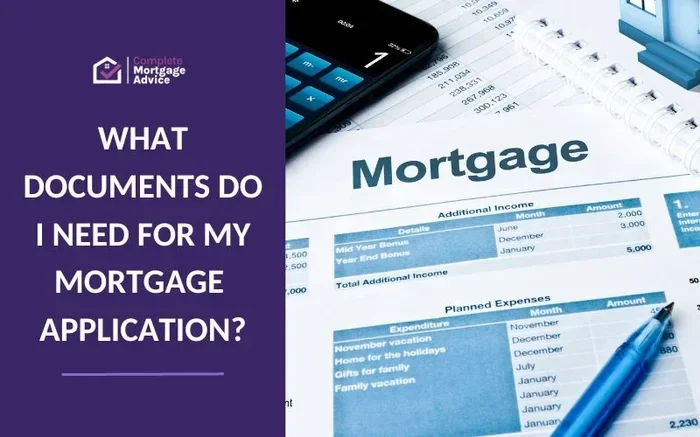
Visual guide about mortgage lender application documents
Image source: completemortgageadvice.co.uk
This range also works well because it encourages focused shopping. You can ask each lender the same core questions and compare their answers side by side. You can look at the total cost of the loan, not just the monthly payment. You can also get a feel for how responsive each lender is, which matters a lot once the loan moves into underwriting and closing.
Why Three to Five Lenders Usually Works
Three to five lenders gives you a solid sample size. You can include a large bank, a local credit union, and an online lender if you want broad coverage. That mix helps you see different approaches to pricing, service, and loan products. Some lenders may specialize in certain buyer profiles, so a small variety can open up options you might otherwise miss.
This number also keeps the process manageable. You can collect loan estimates, compare them, and ask follow-up questions without feeling overwhelmed. It is easier to stay organized when you are working with a short list. That organization can help you move faster when you find the right offer and are ready to move forward.
When You Might Need More Options
There are situations where you may want to expand your search. If your credit profile is complex, or if you are self-employed, it may help to talk to more lenders. Some lenders have stricter guidelines, while others are more flexible with non-traditional income. In those cases, a wider search can help you find a lender who understands your situation.
You may also want more options if you are shopping in a volatile rate environment. When rates are moving quickly, getting multiple quotes can help you understand the current range of possibilities. Just keep your applications within a tight window so the credit impact stays minimal. The goal is to gather useful information, not to keep applying forever.
How Mortgage Rate Shopping Affects Credit
Rate shopping is a normal part of the home buying process, and credit models account for that. When lenders pull your credit for a mortgage application, it is typically a hard inquiry. One hard inquiry may lower your score by a few points, but the effect is usually short-lived. When several mortgage inquiries happen close together, they are often grouped as one for scoring purposes.

Visual guide about mortgage lender application documents
Image source: dsldmortgage.com
The exact window can vary by scoring model, but the idea is simple. If you are comparing mortgage offers, do it in a concentrated period. That protects your score while still letting you shop. It is also a good reminder to be intentional. Every application should have a purpose, whether that is to compare rates, confirm eligibility, or explore a specific loan program.
Hard Inquiries and Rate Shopping Windows
A hard inquiry happens when a lender checks your credit as part of a lending decision. For mortgage shopping, the impact is usually small if you keep your applications close together. Many buyers hear different advice about the exact timeframe, so it helps to be practical. Aim to complete your applications within a short span rather than stretching them across many weeks.
It is also wise to avoid mixing mortgage shopping with other major credit applications. If you are also applying for new credit cards or auto loans at the same time, your credit profile may look more active than you want. Keeping your mortgage search separate can make the process cleaner and easier to understand. That simplicity can help you stay focused on the home loan itself.
Tips to Protect Your Credit While Shopping
You can take a few simple steps to keep your credit healthy during the process. First, gather your documents before you apply so each lender has what it needs. Second, ask each lender when it will pull credit and how it handles rate shopping. Third, compare loan estimates carefully so you do not have to reapply later because you missed an important detail.
- Check your credit report early so you can correct errors before lenders see it.
- Keep applications close together to take advantage of rate shopping grouping.
- Ask lenders about their credit pull timing so you know what to expect.
- Avoid new debt while your mortgage application is in progress.
- Limit applications to lenders you are seriously considering to reduce unnecessary inquiries.
Choosing the Right Mix of Lenders
Not all lenders are the same, and that is a good thing. A thoughtful mix can help you compare different strengths. A big bank may offer convenience and a wide range of products. A credit union may offer a more personal approach and competitive terms for members. An online lender may provide a fast, streamlined experience with competitive pricing. When you compare different types, you get a better sense of what is available.

Visual guide about mortgage lender application documents
Image source: liveinvest.com.au
Your personal situation should guide your mix. If you value face-to-face service, a local lender may be worth including. If you want speed and simplicity, an online option may be a strong fit. If you have a existing relationship with a bank or credit union, it can be useful to start there and then compare outside offers. The goal is to find a lender who matches both your loan needs and your communication style.
Banks, Credit Unions, and Online Lenders
Banks often have established mortgage departments and a variety of loan programs. They may be a good choice if you already bank with them, since existing relationships can sometimes simplify the process. Credit unions can be appealing for buyers who want a member-focused approach and potentially lower fees. Online lenders may stand out for their digital tools, quick updates, and competitive rate quotes.
Each option has trade-offs. A bank may offer convenience but not always the most flexible underwriting. A credit union may offer strong service but a narrower product set. An online lender may be efficient but less personal. By including more than one type, you can compare the full experience, not just the interest rate. That broader view often leads to a better final choice.
Questions to Ask Before You Apply
Before you submit an application, it helps to ask a few key questions. Ask about the interest rate, the annual percentage rate, and the estimated closing costs. Ask whether the rate is locked, how long the lock lasts, and what could change it. Ask about required documentation, expected timeline, and any special conditions that may apply to your loan.
- What is the interest rate and APR?
- What closing costs should I expect?
- Is the rate locked, and for how long?
- What documents will you need from me?
- How long does underwriting usually take?
- Are there any fees I should watch for?
Comparing Loan Offers Without the Confusion
Once you have several offers, the real work begins. Comparing loans can feel tricky because the lowest rate is not always the lowest total cost. One offer may have a slightly higher rate but lower fees. Another may look cheap at first but include costs that matter later. The best comparison looks at the whole picture, including monthly payment, closing costs, and loan terms.
A good way to stay organized is to line up the offers side by side. Use the same timeframe for each quote so the comparison is fair. Look at the estimated monthly payment, the total closing costs, and any conditions that could affect you. If one lender stands out, ask follow-up questions to make sure you understand why. A clear comparison helps you choose with confidence.
What to Compare Beyond the Interest Rate
The interest rate gets a lot of attention, but it is only one part of the cost. The annual percentage rate reflects some of the fees as well, which makes it useful for comparison. Closing costs can vary quite a bit, so it helps to review them carefully. You should also look at whether the loan includes points, prepayment penalties, or other features that may affect you.
It is also smart to compare the lender’s process and communication. A slightly better rate may not be worth it if the lender is slow or hard to reach. Mortgage closing involves a lot of steps, so a responsive lender can make the experience much smoother. When you compare offers, think about both the numbers and the service.
Common Mistakes When Comparing Lenders
One common mistake is focusing only on the monthly payment. That payment matters, but it does not show the full cost of the loan. Another mistake is comparing offers that were pulled on different days without accounting for rate changes. A third mistake is ignoring fees, points, or loan features that may affect your long-term costs. Avoiding these pitfalls makes your comparison much more accurate.
- Chasing the lowest rate only without checking fees and terms.
- Comparing quotes from different times without adjusting for rate movement.
- Overlooking closing costs that can add up quickly.
- Failing to ask about rate locks and lock expiration.
- Forgetting to evaluate customer service and communication style.
When to Stop Applying and Move Forward
At some point, shopping turns into decision-making. That is a good sign. Once you have a few strong offers, you can narrow the field and choose the lender that gives you the best overall value. You do not need to keep applying forever. In fact, stopping at the right time can save you stress and keep your credit cleaner.
A practical rule is to stop when you have a competitive offer, a clear understanding of the costs, and a lender you trust. If a new quote is only slightly better, it may not be worth another application. If the difference is meaningful, it may make sense to ask a few more questions before you commit. The right moment to stop is when the next application is unlikely to change your decision in a meaningful way.
Signs You Have Found the Right Lender
You may have found the right lender when the offer aligns with your budget and your timeline. You may also notice strong communication, clear explanations, and a process that feels organized. Trust matters in a mortgage, because you will be working with this lender through closing and beyond. A good fit is not just about price. It is also about reliability and comfort.
Another sign is that the loan terms make sense for your plans. If you expect to move soon, a loan with lower upfront costs may be better than one with a slightly lower rate. If you plan to stay long term, the rate and total cost over time may matter more. Matching the loan to your goals is one of the best ways to know you are on the right track.
Final Steps Before You Commit
Before you commit, review the loan estimate carefully. Check the rate, the fees, the estimated payment, and any conditions that could affect closing. Ask the lender to explain anything that is unclear. If you are comparing multiple lenders, make sure you are comparing similar loan scenarios so the decision is fair. A careful final review can prevent surprises later.
It also helps to trust your instincts. If one lender feels disorganized or pressuring, that is worth noticing. If another lender explains things clearly and keeps you informed, that is a strong positive sign. A mortgage is a major commitment, so the human side of the experience matters just as much as the numbers.
Key Takeaways
- Stay focused: Apply to a manageable number of lenders so you can compare offers without unnecessary credit checks.
- Keep it timely: Complete your applications within a short window to support rate shopping protections.
- Compare the full cost: Look at APR, closing costs, fees, and loan terms, not just the rate.
- Mix lender types: Consider banks, credit unions, and online lenders to broaden your options.
- Ask smart questions: Clarify rate locks, documentation, timelines, and total costs before you apply.
- Stop when it makes sense: Once you have a strong, trustworthy offer, avoid extra applications unless the benefit is clear.
- Choose service too: A responsive, clear lender can make the mortgage process much easier.
If you are still asking how many lenders should I apply to for mortgage decisions, the answer is usually simple: enough to compare real options, but not so many that the process becomes messy. For most buyers, a focused list of three to five lenders is a strong starting point. It gives you room to compare, protects your credit, and helps you make a confident choice.
The best mortgage decision comes from clarity, not from endless shopping. Gather your documents, ask the right questions, and compare the total cost of each offer. Then choose the lender that fits your finances, your timeline, and your peace of mind. That approach turns a stressful process into a manageable one, and it puts you in a much stronger position as you move toward closing.
Frequently Asked Questions
How many mortgage lenders should I apply to at once?
Most buyers do best with three to five lenders. That gives you enough comparison power without creating unnecessary credit checks or paperwork. Keep your applications within a short window so the process stays clean and organized.
Will applying to multiple lenders hurt my credit score?
It can cause a small temporary dip, but mortgage rate shopping is usually treated carefully by credit scoring models. If you keep your applications close together, the impact is often limited. Avoid spreading applications out over a long period.
Is it better to apply to one lender or several?
Several is usually better because it helps you compare rates, fees, and service. One lender may not show you the full range of options available to you. A small set of comparisons often leads to a better deal.
How long should I wait between mortgage applications?
You do not need to wait long between applications if your goal is rate shopping. In fact, it is usually better to complete them within a short timeframe. Stretching them out can make the process less efficient and may affect how inquiries are viewed.
Should I include different types of lenders in my search?
Yes, mixing banks, credit unions, and online lenders can help you compare different strengths. Each type may offer a different balance of price, service, and convenience. A varied search often gives you a clearer picture of your options.
When is it okay to stop applying for a mortgage?
Stop when you have a competitive offer, a clear understanding of the costs, and a lender you trust. If another application is unlikely to change your decision, extra applications may not be worth it. The goal is to choose well, not to keep shopping endlessly.