
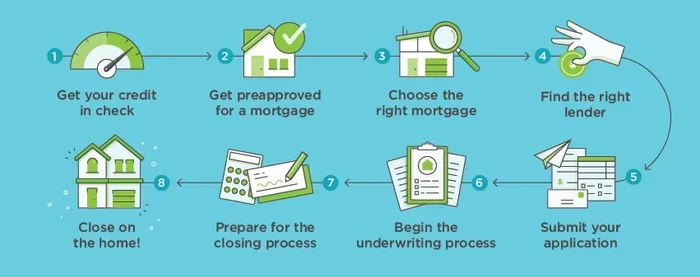
Assuming a mortgage usually takes 30 to 90 days, depending on the lender, loan type, and how fast you submit documents. The process involves credit checks, income verification, and formal lender approval before the loan transfers. Understanding the timeline helps you plan your home purchase without unexpected delays.
Buying a home can feel overwhelming, especially when you hear about assuming an existing mortgage. You might wonder how long does it take to assume a mortgage and whether the process is worth the effort. The good news is that it can save you money on interest rates and closing costs if the current loan has favorable terms. The timeline is not instant, but it is very manageable when you know what to expect.
This guide walks you through the entire process in plain language. You will learn the typical timeframe, the steps involved, and the factors that speed things up or slow them down. We will also cover which loans qualify, what documents you need, and common mistakes that cause delays. By the end, you will have a clear roadmap to move forward with confidence.
Key Takeaways
- Typical timeline: Most mortgage assumptions take 30 to 90 days from application to closing.
- Lender approval is required: You must qualify financially, even if the original borrower wants to transfer the loan.
- Loan type matters: Government-backed loans like FHA and VA are easier to assume than conventional loans.
- Documentation speeds things up: Submitting pay stubs, tax returns, and bank statements early reduces delays.
- Fees vary: Some lenders charge an assumption fee, while others roll it into closing costs.
- Not all loans are assumable: Many modern mortgages include due-on-sale clauses that block transfers.
- Professional help helps: Working with a real estate agent or mortgage broker can keep the process on track.
📑 Table of Contents
Understanding Mortgage Assumption Basics
A mortgage assumption happens when a new buyer takes over the seller existing loan instead of getting a brand new mortgage. The loan balance, interest rate, and repayment schedule stay the same. This can be a huge advantage when current rates are higher than the existing loan rate. However, not every loan allows this, and lenders still need to approve the new borrower.
What Makes a Loan Assumable
Some loans are built with assumption clauses, while others block transfers entirely. Government-backed loans like FHA and VA loans are generally more flexible. Conventional loans often include a due-on-sale clause, which means the full balance becomes due when the property changes hands. Always check the original loan documents first.
Why Buyers Consider Assumption
The main draw is the potential to lock in a lower interest rate. You also may save on certain closing costs since you are not originating a brand new loan. Another benefit is a simpler qualification path in some cases, though you still need lender approval. These advantages make assumption attractive in the right market conditions.
How Long Does It Take to Assume a Mortgage
So, how long does it take to assume a mortgage in real world practice? Most transactions finish within 30 to 90 days. The exact timeframe depends on the lender workload, the complexity of your financial profile, and how quickly you provide requested documents. Some streamlined cases move faster, while others with credit or income complications take longer.
Visual guide about buying house mortgage process
Image source: thatfloridalife.com
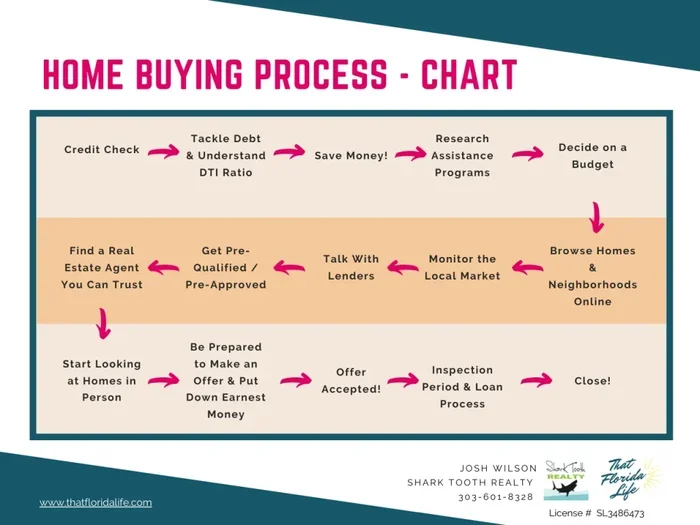
Typical Timeline Breakdown
Here is a general look at the stages and how long each often takes:
- Initial review and application: 1 to 2 weeks to gather info and submit forms.
- Credit and income verification: 1 to 3 weeks for the lender to check your financial profile.
- Underwriting and approval: 2 to 4 weeks for final review and written approval.
- Closing and loan transfer: 1 to 2 weeks to sign documents and record the change.
Factors That Speed Up or Slow Down the Process
Several things can change the clock. A clean credit history and straightforward income source usually help. Missing documents, title issues, or a complicated property situation can create delays. Lender backlogs also matter, especially during busy buying seasons. Staying organized and responsive is the best way to keep things moving.
Step-by-Step Process to Assume a Mortgage
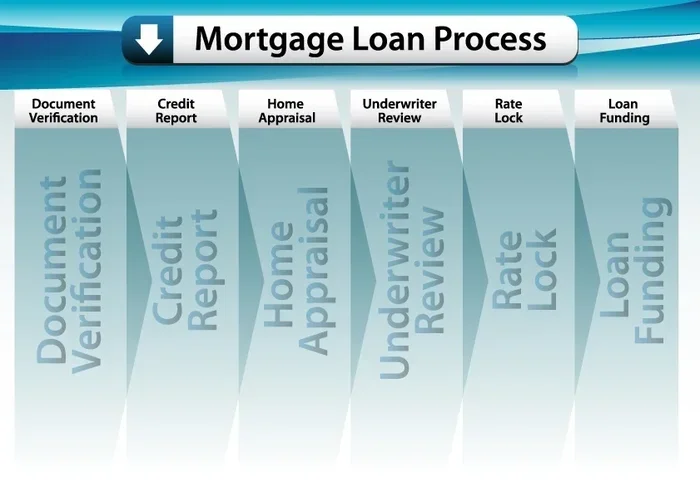
Knowing the steps helps you prepare and avoid surprises. The process looks similar to a standard home loan, but with a few unique twists. You will work with the seller, the lender, and often a real estate professional to keep everything aligned.
Visual guide about buying house mortgage process
Image source: moreirateam.com
Step 1: Confirm the Loan Is Assumable
Start by reviewing the mortgage contract and asking the lender directly. Some loans are assumable with conditions, while others are not allowed to transfer. If the loan has a due-on-sale clause, assumption may not be possible without lender permission. This first check saves time and prevents false hope.
Step 2: Gather Your Financial Documents
Lenders need proof that you can handle the payments. Common items include recent pay stubs, tax returns, bank statements, and employment verification. If you are self-employed, expect to provide additional records. Submitting everything early shows good faith and reduces back-and-forth delays.
Step 3: Submit the Assumption Application
Once the loan is confirmed as assumable, you will complete the lender application. This step includes personal details, the property information, and the requested loan transfer. Some lenders charge an application or assumption fee at this stage. Read the fee schedule carefully so there are no surprises later.
Step 4: Underwriting and Credit Review
The lender will evaluate your credit score, debt-to-income ratio, and overall financial stability. They may also review the property value and the remaining loan balance. This stage is where most of the waiting happens. Respond quickly to any requests for more information to keep the process on schedule.
Step 5: Approval, Closing, and Transfer
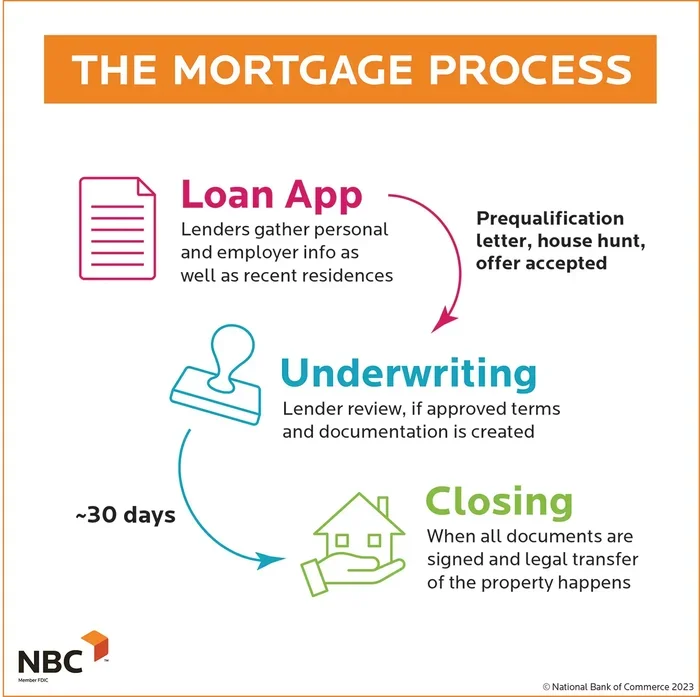
After underwriting signs off, you will receive approval terms. Then you will review closing documents, sign the necessary forms, and finalize the transfer. The lender updates the loan records, and the property title reflects the new responsibility. Keep copies of everything for your records.
Which Loans Can Be Assumed
Not all mortgages are created equal when it comes to assumption. Some programs are designed to allow transfers under specific rules. Others are much stricter and rarely permit a change in borrower. Understanding the loan type helps you set realistic expectations.
Visual guide about buying house mortgage process
Image source: nbcbanking.com
FHA and VA Loans
FHA loans are often assumable, provided the new borrower meets credit and eligibility standards. VA loans can also be assumed, but there are special rules for veterans and non-veterans. These loans usually have clearer assumption paths than conventional products. That said, the lender still must approve the new buyer.
USDA and Other Government-Backed Options
USDA loans may be assumable in certain cases, but the process often requires lender review and property eligibility checks. Other specialized programs can have unique requirements too. Always verify the current guidelines with the loan servicer before making plans. Rules can change, and individual lenders may add their own conditions.
Conventional Loans
Conventional mortgages frequently include a due-on-sale clause. That means the lender can demand full repayment when ownership changes. Some conventional loans are assumable with strict approval, but it is less common. If you are considering this route, ask the lender early and get the answer in writing.
Costs, Fees, and Approval Requirements
Assumption is not always cheaper than a new loan, so it helps to compare the numbers. You may save on some origination costs, but you still face fees and qualification standards. Looking at the full picture prevents disappointment later.
Common Fees to Expect
Lenders may charge an assumption processing fee, credit check fee, or underwriting fee. Some also require a new appraisal or title work. These costs vary by company and loan type. Ask for a written estimate before you commit so you can budget accurately.
Approval Criteria Lenders Use
Lenders generally look at several key factors before approving an assumption request:
- Credit history: A solid score and clean payment record matter.
- Income stability: Steady employment and verifiable earnings help approval.
- Debt-to-income ratio: Your monthly debts should fit within the lender limits.
- Property condition: The home may need to meet basic valuation standards.
- Remaining loan terms: The lender will confirm the balance and payment structure.
Quick Tip: Compare Assumption vs. New Loan
Do not assume assumption is automatically the best choice. Compare the current interest rate, remaining term, fees, and your own financing options. Sometimes a new loan with better terms or a shorter timeline makes more sense. Run the numbers with a mortgage professional if you can.
Common Mistakes That Delay the Process
Even a straightforward assumption can stall if small issues pile up. Most delays come from missing paperwork, slow communication, or unclear loan terms. Avoiding these pitfalls keeps your timeline tighter.
Mistake 1: Skipping the Loan Verification Step
Some buyers assume a loan is transferable without checking. That can lead to wasted time and frustrated sellers. Always confirm the assumability status with the lender before you move forward. A quick verification early saves weeks later.
Mistake 2: Submitting Incomplete Financial Records
Partial documents trigger extra requests and slow underwriting. Gather pay stubs, tax forms, bank statements, and identification before you apply. Double-check that everything is current and readable. Complete files get faster decisions.
Mistake 3: Ignoring Communication Deadlines
Lenders often set response windows for additional information. Missing those deadlines can pause the review clock. Keep your contact info updated and reply promptly. A short delay on your end can become a long delay in the process.
Mistake 4: Overlooking Title and Property Issues
Title problems, liens, or boundary disputes can complicate any transfer. These issues may need resolution before the assumption closes. A clean title search and basic property review help catch problems early. Addressing them sooner keeps the timeline smoother.
Expert Insights and Practical Tips
Experienced buyers and professionals usually suggest a calm, organized approach. Assumption can be a smart move, but only when the numbers and timing line up. A little preparation goes a long way.
Expert Insight: Ask for a Written Timeline
When you start the process, ask the lender for an estimated timeline and a checklist. Written guidance gives you a clearer target and helps you track progress. If the lender cannot provide one, request a point of contact who can answer questions quickly. Clear communication reduces stress.
Expert Insight: Keep Backup Financing Ready
It is wise to explore alternative loan options while the assumption is in progress. If the transfer gets delayed or denied, you will have a fallback plan. This does not mean you are giving up on assumption. It simply protects your purchase timeline.
Practical Tip: Stay Organized With a Simple Tracker
Create a folder for all documents, emails, and forms. Use a checklist to mark what you have submitted and what is still pending. This small habit makes it easier to spot missing items and follow up. Organization is one of the easiest ways to prevent delays.
Final Thoughts on the Timeline
If you are wondering how long does it take to assume a mortgage, the answer is usually a few weeks to a few months. The range depends on the loan type, the lender process, and how prepared you are. With the right documents and a responsive team, many buyers move through the process without major setbacks.
Take the time to confirm assumability, gather your financial records, and compare the total costs. Assumption can be a valuable path when the existing loan offers strong terms. It can also be a smart way to simplify certain parts of the purchase. Just remember that lender approval is still required, and patience matters.
Move step by step, ask questions early, and keep your paperwork ready. That approach gives you the best chance of a smooth transfer and a timeline that fits your plans.
Frequently Asked Questions
Can I assume a mortgage without the lender approval?
No, the lender must approve the new borrower before the loan can be transferred. Even if the seller wants to move forward, the lender still reviews your credit, income, and ability to repay.
Why would a mortgage assumption take longer than a new loan?
Assumption can take longer because the lender must review both the existing loan terms and your financial profile. Extra paperwork, title checks, or underwriting questions can also add time to the process.
Do all FHA loans qualify for assumption?
Many FHA loans are assumable, but the new borrower still needs to meet lender requirements. The process is not automatic, and the lender must confirm eligibility before the transfer is approved.
What documents should I prepare first?
Start with recent pay stubs, tax returns, bank statements, proof of employment, and a valid ID. Having these ready before you apply helps the lender move faster and reduces follow-up requests.
Is assuming a mortgage cheaper than getting a new loan?
It can be, especially if the existing interest rate is lower than current market rates. However, you still may face assumption fees, closing costs, and other expenses, so it is best to compare both options carefully.
What happens if the assumption is denied?
If the assumption is denied, you will need another way to finance the purchase. Many buyers keep a backup loan option ready so they can continue with the transaction without losing momentum.