
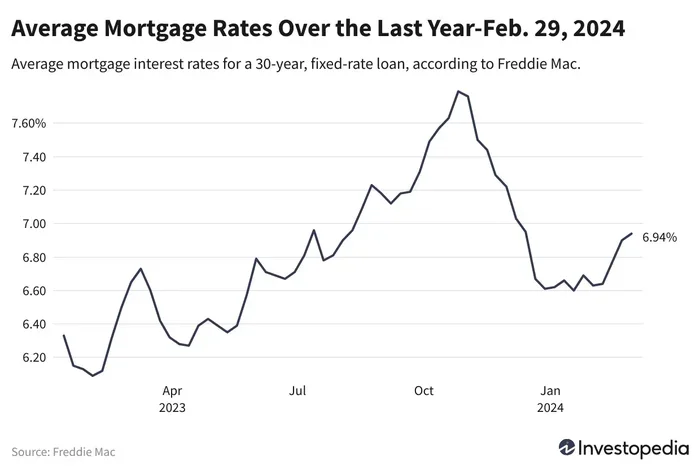
Mortgage rates hit hard when you buy a home. Many buyers ask why mortgage rates so high right now. This article explains the real reasons behind the numbers. You will also learn simple steps to lower your costs. Read on to take control of your home buying plan.
This is a comprehensive guide about Why Mortgage Rates So High.
Key Takeaways
- Inflation drives rates up: rising prices push lenders to charge more for loans.
- Federal Reserve policy matters: rate changes directly affect borrowing costs for homebuyers.
- Credit score shapes your rate: better scores usually mean lower monthly payments.
- Down payment helps: larger upfront cash can reduce your interest rate.
- Shop around often: comparing lenders can save you thousands over the loan life.
- Lock rates wisely: timing your rate lock can protect you from sudden jumps.
- Consider loan types: different mortgages offer different rate structures and risks.
[FEATURED_IMAGE_PLACEHOLDER]
Why Mortgage Rates So High: The Big Picture
Buying a home feels exciting until you see the numbers. Many people ask why mortgage rates so high these days. The answer is not simple. Many forces push rates up at once. Inflation sits near the top of that list. When prices rise across the economy, lenders want more return. They also worry about the money they lend losing value over time. So they charge more interest to protect themselves.
The Federal Reserve also plays a big role. This group sets key interest rates for the country. When it raises those rates, borrowing gets more expensive. Banks then pass that cost to homebuyers. You see this in your monthly payment. A small rate jump can add a lot to your bill. That is why mortgage interest rates move so fast. They react to big economic signals every day.
Supply and demand matter too. When many people want loans, lenders can charge more. When few people apply, rates may drop to attract business. Right now, the housing market stays busy in many areas. That keeps pressure on rates. At the same time, lenders watch their own costs. They must follow rules, manage risk, and cover losses. All of this shapes the final number you see.
Inflation and Your Loan
Inflation is the steady rise of prices over time. It affects everything from groceries to gas. It also affects home loan rates. Lenders think ahead. They know the money you pay back will buy less later. So they build that risk into the rate. This is one major reason why mortgage rates so high in many periods.
You can see this in simple terms. Imagine you borrow money today. A year from now, that same money may not stretch as far. The lender knows this. So they ask for a bit more interest. This helps them stay safe. It also helps them stay profitable. When inflation runs hot, rates often climb. When inflation cools, rates may ease.
Homebuyers can watch inflation reports. These reports show price trends in the economy. They also hint at future rate moves. You do not need to be an expert. You just need to notice the pattern. Higher inflation usually means higher borrowing costs. That is the basic link between prices and your mortgage.
The Federal Reserve Connection
The Federal Reserve is often called the Fed. It sets the base cost of borrowing for banks. When the Fed raises its rate, banks pay more to get money. They then charge more to you. This is a key reason why mortgage rates so high after Fed hikes. The chain reaction is fast and clear.
The Fed does not set mortgage rates directly. It sets a benchmark that influences them. Think of it like a tide. When the tide rises, all boats rise with it. When the tide falls, boats settle down. Mortgage rates move in a similar way. They follow the broader cost of money in the economy.
The Fed also watches employment and growth. It tries to keep the economy steady. If prices rise too fast, it may tighten policy. If the economy slows, it may ease policy. These choices ripple into the housing market. That is why Fed news matters to your home buying plan.
Credit Scores and Lender Risk
Your credit score tells lenders how risky you look. A higher score usually means lower risk. A lower score usually means higher risk. Lenders price that risk into your rate. This is another reason why mortgage rates so high for some buyers and lower for others. The same market can give different quotes to different people.
Lenders also look at your debt load. They check your income and your job stability. They want to know you can pay every month. If your profile looks strong, you may get a better deal. If your profile looks shaky, they may charge more. This helps them protect their money. It also explains why two neighbors can get different rates.
You can improve your score over time. Pay bills on time. Keep card balances low. Avoid new debt before you apply. These steps help your profile look cleaner. A cleaner profile can lead to a better rate. That can save you real money each month.
How Higher Rates Change Your Budget
A higher rate changes more than your interest number. It changes what you can afford. It changes the home price range you can target. It also changes how much cash you need each month. This is why mortgage interest rates matter so much in real life. They touch your daily budget in a big way.
Let us look at a simple example. A small rate increase can raise your payment by a noticeable amount. Over many years, that adds up. It can also reduce your buying power. You may need to look at lower-priced homes. Or you may need to save more for a bigger down payment. These choices are hard, but they are practical.
Higher rates also affect your total cost. You pay more interest over the life of the loan. That means less money for other goals. You may need to delay savings or other plans. This is why rate shopping matters. Even a tiny difference can mean a lot over time.
Monthly Payment Shock
Many buyers feel surprise at closing. They expected one number and got another. This often happens when rates move fast. Market changes can shift your quote between days. That is why home loan rates can feel unpredictable. You need to stay flexible and ready.
You can reduce shock by planning early. Get pre approved before you shop. Ask your lender for a clear payment breakdown. Look at the full monthly cost, not just the price. Include taxes, insurance, and fees. This gives you a more honest picture of your budget.
It also helps to run different scenarios. Ask what happens if the rate rises a little. Ask what happens if you put more money down. These questions help you prepare. They also help you make smarter choices in a busy market.
Buying Power and Home Prices
Rates and home prices often dance together. When rates rise, some buyers step back. That can slow demand in some areas. In other areas, prices stay strong because inventory stays low. The market can feel mixed and confusing. That is why why mortgage rates so high is only part of the story. You also need to watch local supply and demand.
Your buying power drops when rates rise. The same income supports a smaller loan. That means you may need to adjust your search. You might look at different neighborhoods. You might consider a smaller home. You might wait and save more. There is no single right move. The best move depends on your goals and timeline.
It also helps to think long term. A home is not just a monthly bill. It is a place to live and a major asset. Focus on what fits your life. Do not chase a number that strains your budget. A comfortable payment matters more than a perfect rate.
What You Can Do to Lower Your Costs
You cannot control the economy. You can control how you prepare. That is the good news. There are many practical steps that can help you manage mortgage interest rates and reduce your total cost. Some steps are quick. Some steps take time. All of them can help.
Start with your credit. A stronger score can open the door to better offers. Next, save for a larger down payment if you can. That can lower the amount you borrow. It can also reduce lender risk. Then compare several lenders. Different banks and brokers may offer different deals. A little shopping can go a long way.
You can also think about the loan type. A fixed rate stays the same for the life of the loan. An adjustable rate may start lower and move later. Each option has trade offs. The best choice depends on how long you plan to stay in the home. It also depends on how much risk you want to carry.
Improve Your Credit Profile
Your credit profile is one of the biggest levers you control. Lenders use it to judge risk. A better profile can lead to a better rate. That is why credit work matters before you apply. You do not need perfection. You need steady progress.
Pay your bills on time every month. Late payments can hurt your score. Keep your card balances modest. High balances can signal stress to lenders. Avoid opening many new accounts at once. Too much new activity can look risky. These habits help your profile stay clean.
Check your credit reports for mistakes. Errors happen more often than people think. If you find one, dispute it. A fix can help your score quickly. This is a simple step that many buyers miss. It is worth the effort before you seek a loan.
Save for a Larger Down Payment
A bigger down payment can help in several ways. It lowers the loan amount. It can also reduce your monthly payment. In some cases, it may help you qualify for a better rate. Lenders like seeing more skin in the game. It shows commitment and lowers their risk.
You do not need a huge down payment to buy a home. Many programs allow smaller amounts. Still, extra cash can give you more options. It can also help you avoid private mortgage insurance in some cases. That can lower your monthly cost even more. So saving early can pay off later.
If a large down payment feels out of reach, build a plan. Set a target date. Automate your savings if you can. Cut small expenses that do not matter much to you. Over time, those small steps add up. They can bring your home goal closer.
Shop Around and Compare Offers
Many buyers accept the first quote they get. That is a missed chance. Different lenders price loans differently. One bank may be aggressive. Another may be cautious. A mortgage broker may find options you would not see alone. That is why comparing home loan rates is so important.
Ask for a loan estimate from each lender. Compare the interest rate. Compare the fees too. A low rate with high fees may not be the best deal. Look at the full picture. Ask about closing costs, points, and lock terms. These details matter just as much as the rate.
Do not be afraid to negotiate. If one lender gives you a better number, share it. Ask if another lender can match it. This is normal in the mortgage process. You are the customer. You have more power than you think when you compare carefully.
Rate Lock Strategies That Help
A rate lock holds your interest rate for a set time. It can protect you while you search for a home. It can also give you peace of mind. In a rising market, this matters a lot. That is why rate locks come up often when people ask why mortgage rates so high and how to handle them.
Locks usually come with a time limit. Common windows are thirty, forty-five, or sixty days. If your closing takes longer, you may need an extension. Extensions can cost money. So plan your timeline carefully. Talk to your lender about the lock period before you commit.
Some lenders offer float down options. These let you capture a lower rate if markets improve. They may cost more upfront. That trade off can be worth it in a shaky market. Ask your lender how these options work. Make sure you understand the fees and rules.
Fixed Versus Adjustable Rates
A fixed rate stays steady for the whole loan. That makes budgeting easier. You know what to expect each month. This is a good fit if you plan to stay in the home for a long time. It also helps if you dislike uncertainty. Many buyers prefer this stability.
An adjustable rate may start lower. That can look attractive at first. But the rate can change later. If it rises, your payment rises too. This can be risky if you stay in the home for many years. It may make more sense if you plan to move soon. It can also fit if you expect your income to grow.
Compare both options with your lender. Ask how much the payment could change. Ask when the first adjustment happens. Ask how often it can change after that. These details help you judge the real cost. Do not choose based on the starting number alone.
Points and Fee Trade offs
Points are upfront fees that can lower your rate. One point usually costs one percent of the loan amount. In return, you may get a lower interest rate. This can make sense if you plan to keep the loan a long time. It may not make sense if you move soon.
You should run the math before you buy points. Ask how much the rate drops. Ask how long it takes to break even. If you stay past that point, the savings can grow. If you sell sooner, the cost may not pay off. This is a simple but important calculation.
Watch the rest of the fees too. Some loans look cheap because the rate is low. But the closing costs may be high. Others have a higher rate but lower fees. The best deal is the one that fits your timeline and budget. Look at the whole package, not just one number.
Common Mistakes Buyers Make
Many buyers make the same errors when rates climb. Some wait too long for the perfect number. Some ignore fees and focus only on the rate. Some stretch their budget too far. These mistakes can cost stress and money. Learning them early helps you avoid them.
Another common mistake is skipping the comparison step. One quote is not enough. Rates and terms vary a lot. A second or third opinion can reveal a better path. It takes a little time, but it can save a lot of cash. That is a smart trade in any market.
People also forget to plan for life changes. A new job, a move, or a growing family can change your needs. A loan that looks great today may not fit later. Think about the next five to seven years. Choose a loan that gives you room to breathe.
Waiting for the Perfect Rate
Waiting for the perfect rate can become a trap. Rates move for many reasons. They can rise while you wait. They can also fall, but no one knows for sure. If you wait too long, home prices may keep climbing. Then you face higher costs on both sides.
Instead of chasing perfection, focus on fit. Ask whether the payment works for your budget. Ask whether the home meets your needs. A good deal at a fair rate can be better than a endless wait. Your real life matters more than market guesses.
If you are nervous, talk to a trusted lender. Ask how a rate lock could help. Ask what happens if rates change. A clear plan reduces fear. It also helps you move with confidence instead of hesitation.
Ignoring Total Loan Cost
The interest rate gets most of the attention. But the total cost matters more over time. Fees, points, insurance, and taxes all add up. A loan with a slightly higher rate may still cost less if the fees are lower. You need the full picture to decide well.
Read the loan estimate carefully. Compare line by line. Look for hidden charges. Ask what each fee covers. If something is unclear, ask again. A good lender will explain it in plain language. Do not feel rushed at this stage.
This is also where shopping helps. One lender may charge more for the same service. Another may include services you do not need. By comparing offers, you can spot these differences. That can lead to a better deal and a smoother closing.
Expert Insights and Final Thoughts
Experts often say the same thing: prepare early and stay flexible. You cannot predict every market move. You can build a strong application. You can compare offers. You can choose a loan that fits your life. That is the best way to handle mortgage interest rates in any season.
It also helps to think in decades, not days. A mortgage is a long commitment. Small differences in rate and fee can matter a lot over time. At the same time, your home should support your life, not strain it. Balance matters more than trying to time the market perfectly.
If you feel overwhelmed, take it one step at a time. Check your credit. Save where you can. Gather documents. Talk to more than one lender. Ask clear questions. These simple actions put you in a stronger position. They also make the process feel less mysterious.
The bottom line is simple. Rates rise for many reasons. Inflation, Fed policy, lender risk, and market demand all play a part. You cannot control those forces. You can control your readiness. That is your best tool. When you understand why mortgage rates so high, you can make smarter choices and move forward with confidence.
Key Takeaways
Review the core points before you act. A stronger credit profile can improve your options. A larger down payment can reduce your loan burden. Comparing lenders can reveal better terms. A rate lock can protect you from sudden jumps. And the right loan type depends on your timeline and risk comfort. Keep these ideas in mind as you plan.
Remember that your budget comes first. Choose a payment you can live with comfortably. Choose a home that fits your life. Use the market as a guide, not a boss. With steady preparation, you can navigate higher rates and still reach your goal.
Frequently Asked Questions
Why are mortgage rates so high right now?
Rates rise when inflation stays elevated and borrowing costs increase across the economy. Lenders also price in risk, fees, and market demand, which can push mortgage interest rates higher for many buyers.
Can I do anything to get a lower rate?
Yes. You can improve your credit, save for a larger down payment, and compare several lenders. These steps can help you qualify for better home loan rates and reduce your total cost.
Does the Federal Reserve set mortgage rates directly?
No, the Fed sets a benchmark rate that influences the broader cost of money. Mortgage rates usually move in the same direction, but they are not set by the Fed alone.
Should I choose a fixed or adjustable rate?
A fixed rate offers stable payments over time, while an adjustable rate may start lower and change later. The best choice depends on how long you plan to stay in the home and how much payment risk you want.
What is a rate lock and do I need one?
A rate lock holds your interest rate for a set period while you finish the loan process. It can protect you from sudden increases, especially in a market where why mortgage rates so high is a common concern.
How much difference does a small rate change make?
Even a small rate change can raise or lower your monthly payment by a noticeable amount. Over the life of the loan, that difference can add up to a large sum, so comparing offers matters.
