

Summer brings big changes for children. Their routines shift, their energy levels rise, and their social worlds expand in new ways. You might notice how do kids change during the summer in their sleep habits, mood, and even their learning pace. This guide breaks down those shifts so you can support your child with confidence. You will walk away with clear steps to keep the season joyful and balanced.
Key Takeaways
- Routines loosen: Sleep, meals, and screen time often shift without school schedules, so gentle structure helps.
- Energy and mood swing: More free time can mean more play, but also more restlessness or boredom.
- Social skills grow: Camps, parks, and family trips create new chances to practice sharing and teamwork.
- Learning continues: Reading, nature walks, and hands-on projects keep curiosity alive outside the classroom.
- Independence builds: Kids often take on small chores, choose activities, and solve minor problems on their own.
- Balance matters: A mix of freedom and predictable anchors keeps the summer smooth for everyone.
📑 Table of Contents
- How Do Kids Change During the Summer: What to Expect
- Daily Routines Shift in Big Ways
- Behavior and Mood Often Change With the Season
- Social Life Looks Different Outside the School Year
- Learning and Curiosity Keep Growing
- Healthy Habits and Summer Safety Matter
- How to Support the Changes You See
- Common Mistakes to Avoid
- Expert Insights on Summer Growth
- Final Thoughts on How Do Kids Change During the Summer
How Do Kids Change During the Summer: What to Expect
Summer feels different the moment the last school bell rings. The pace slows down, the days stretch out, and children suddenly have a lot more room to breathe. You may notice how do kids change during the summer in small, everyday ways. They sleep later. They ask for snacks more often. They seem more relaxed, or sometimes more restless. All of this is normal.
The shift happens because structure changes. School gives kids a steady rhythm. Summer removes that rhythm and replaces it with open space. That freedom is wonderful, but it also asks children to adjust. Some kids thrive right away. Others need a few weeks to settle into the new flow. Either way, the season brings growth.
This article walks you through the most common changes you will see. You will learn what is typical, what to watch for, and how to guide your child through the months ahead. The goal is simple. Keep the summer fun, steady, and full of small wins.
Daily Routines Shift in Big Ways

Visual guide about kids playing outdoors summer
Image source: c8.alamy.com
Sleep Patterns Often Change First
One of the first things parents notice is sleep. Without early wake-ups, kids may stay up later and sleep in. That sounds great, but big swings can leave children cranky. A consistent bedtime routine helps even when the clock says it is still light outside.
Try keeping a loose anchor. For example, aim for a calm wind-down at roughly the same time each night. Reading, quiet music, or a short stretch can signal the body to rest. Morning wake-ups can be softer, but keeping them within a reasonable window helps mood and energy.
Meals and Snacks Become More Flexible
Summer also changes eating habits. Kids may graze more because they are home more. They may want cold snacks, fruit, or easy meals. That is fine, as long as the overall pattern stays balanced. Offer regular meal times, but leave room for flexibility.
A simple approach works well. Keep water available. Stock easy snacks like yogurt, nuts, cut fruit, or whole-grain crackers. Let kids help choose one meal each week. That small choice builds independence and reduces pushback.
Screen Time Usually Needs a New Plan
With more free hours, screens often fill the gap. That is not automatically bad, but it does need limits. Kids do better when they know the plan. You might set clear windows for games, shows, or creative apps, and keep some time screen-free each day.
Start with a family rule that fits your home. Maybe screens happen after outside play. Maybe there is a no-device block before dinner. The exact rule matters less than the consistency. Clear expectations reduce arguments later.
Behavior and Mood Often Change With the Season

Visual guide about kids playing outdoors summer
Image source: c8.alamy.com
More Freedom Can Mean More Energy
Many children seem lighter in summer. They move more. They laugh more. They have time to run, climb, swim, and explore. That extra movement is healthy, and it often improves mood. Still, too much unstructured time can also lead to boredom or friction.
When boredom hits, kids sometimes test boundaries. They may whine, argue, or look for stimulation in the wrong places. That does not mean something is wrong. It usually means they need a next activity. Offer a short list of options. A walk, a craft, a chore, or a game can reset the day.
Emotional Ups and Downs Are Common
Summer can bring strong feelings. Some kids feel proud and confident when they choose their own activities. Others miss the predictability of school. They may feel lonely if friends are away, or frustrated when plans change.
You can help by naming feelings without making a big deal out of them. A simple line works well. “It looks like you are feeling restless. Let’s pick one thing to do next.” Small, calm responses teach kids how to handle change without melting down.
Independence Grows in Quiet Ways
Over the summer, children often take on more by themselves. They may dress faster, pack their own bag for a trip, or decide how to spend an afternoon. These moments matter. They build self-confidence and problem-solving.
Give kids small responsibilities that match their age. A younger child can water plants or sort laundry. An older child can plan a simple meal or map out a bike route. Praise the effort, not just the result. That keeps the momentum going.
Social Life Looks Different Outside the School Year
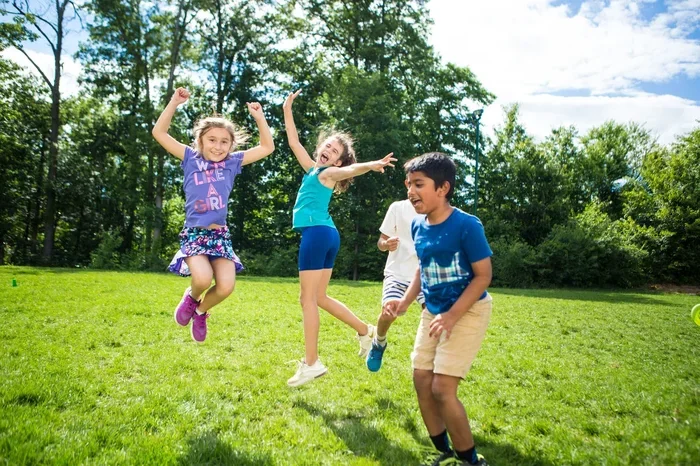
Visual guide about kids playing outdoors summer
Image source: goddardschool.com
New Friends and New Settings
Summer opens doors to new people. Camps, pools, parks, sports, and neighborhood play create fresh social chances. Kids practice meeting others, joining groups, and handling different personalities. That is powerful practice for life.
Not every child jumps in easily. Some watch first. Some need one familiar face before they relax. Give them time. Encourage short social steps, like saying hello, asking to join, or sharing a toy. Progress often happens in tiny moments.
Family Time Takes on a New Shape
With school out, family routines often shift too. You may spend more time together at home, on trips, or during evening walks. That extra time can strengthen bonds. It can also test patience if everyone is tired or overstimulated.
Balance helps. Plan a few shared activities, but leave space for quiet time too. A family game night, a backyard picnic, or a simple cooking project can create warm memories without feeling forced.
Handling Conflict and Repair
More time together means more chances for disagreements. Siblings may bicker. Friends may disagree over rules. These moments are normal, and they are teachable. Kids learn how to repair relationships when adults guide them calmly.
Focus on simple steps. Name what happened. Ask each person to share their side. Look for one small fix, like taking turns, apologizing, or trying again. Keep the lesson short and clear. Long lectures usually lose the point.
Learning and Curiosity Keep Growing
Reading and Imagination Pick Up
Summer is a great time for stories, exploration, and hands-on learning. Kids often read differently when they are not juggling homework. They may dive into graphic novels, adventure books, or topics they truly enjoy. That freedom can reignite a love of reading.
Make books easy to reach. Visit the library. Let kids pick what interests them. Even twenty minutes a day adds up. Reading aloud still helps younger children, and older kids can enjoy sharing a good book with you.
Nature Becomes a Classroom
Warm weather invites outdoor learning. Kids notice bugs, clouds, plants, weather, and neighborhoods in new ways. A walk can turn into a scavenger hunt. A backyard can become a science lab. These experiences build curiosity and observation skills.
You do not need a big plan. Ask simple questions. “What do you think that bird is looking for?” “Why do you think these leaves changed color already?” Let kids lead the conversation. Their ideas often open the best paths.
Skills Can Slide Without a Little Practice
Some children lose a bit of academic sharpness over the break. That does not mean summer should become a second school year. It just means light practice helps. Short math games, journaling, or a weekly writing note can keep skills steady without pressure.
Keep it light and brief. Ten to fifteen minutes is enough for many kids. Tie practice to real life when you can. Measuring ingredients, tracking sports scores, or planning a trip budget all count. Learning feels easier when it has a purpose.
Healthy Habits and Summer Safety Matter
Staying Active Without Burning Out
Active kids are happy kids, but balance still matters. Too much sun, too many late nights, or too much rushing can wear children down. Aim for a mix of movement and rest. Water play, biking, dancing, and sports all count.
Watch for signs of overload. If your child seems tired, irritable, or overly wired, it may be time to slow down. A quiet afternoon, a nap, or an early night can reset the whole week.
Hydration, Sun, and Simple Safety
Summer routines should include basic protection. Water, sunscreen, hats, and breaks in the shade all help. So does teaching kids how to listen to their bodies. They should know it is okay to stop, cool down, and drink when they feel hot or tired.
Keep safety simple and repeatable. Remind kids before they head out. Keep supplies easy to grab. When safety becomes part of the routine, it feels normal instead of nagging.
Emotional Safety Counts Too
Physical safety gets a lot of attention, but emotional safety matters just as much. Kids need to know they can come to you with worries, mistakes, or awkward moments. Summer can bring new situations, and children do better when they feel supported.
Make room for check-ins. A casual question at dinner or during a car ride can open the door. Keep your tone relaxed. If a child shares something hard, thank them for telling you. That builds trust for the next time.
How to Support the Changes You See
Build a Light but Realistic Routine
The best summer plans are flexible, not empty. Kids do well with a few steady points in the day. Meals, movement, quiet time, and bedtime can act as anchors. Everything else can flow around them.
You do not need a minute-by-minute schedule. A simple rhythm works better. For example, morning play, midday rest or reading, afternoon activity, and a calm evening. That structure helps kids feel secure while still enjoying freedom.
Offer Choices Within Clear Limits
Children grow when they have some control. Give options that fit your family rules. “Do you want to swim first or read first?” “Should we walk the dog before or after lunch?” Choices reduce power struggles and teach decision-making.
Keep the options realistic. Too many choices can overwhelm younger kids. Two or three good ones are usually enough. When kids feel heard, they often cooperate more easily.
Watch for What Each Child Needs
Every child changes a little differently. Some need more quiet. Some need more movement. Some need extra connection. Some need more space. Pay attention to patterns, not just one bad moment.
If your child seems off, ask yourself a few simple questions. Are they tired? Hungry? Overstimulated? Missing a friend? Needing downtime? The answer often points to the next step. Small adjustments can make a big difference.
Keep Communication Warm and Plain
Talk to your child in a way that feels easy, not formal. Share what you notice. Ask what they think. Keep your voice calm when things get messy. Summer goes smoother when kids know they can speak honestly.
Use short, clear sentences. “I see you are frustrated.” “Let’s take a break.” “What would help right now?” These lines keep the conversation moving. They also model emotional control without lecturing.
Quick Tips for a Smooth Summer
- Keep a loose daily rhythm with a few steady anchors.
- Offer water, snacks, and breaks before kids get too tired.
- Mix active time with quiet time so energy stays balanced.
- Let kids make small choices throughout the day.
- Read, explore, and play together without turning every moment into a lesson.
- Check in often, but keep it casual and friendly.
Common Mistakes to Avoid
- Letting routines disappear completely: Some structure helps kids feel safe and sleep better.
- Overloading the calendar: Too many activities can leave kids drained and cranky.
- Ignoring small emotional shifts: Early check-ins prevent bigger blowups later.
- Using screens as the default filler: Variety matters, even in a relaxed season.
- Comparing your child to another: Each child grows at a different pace.
Expert Insights on Summer Growth
Child development experts often note that breaks from school can support social and emotional growth when kids still have steady care and reasonable expectations. Summer gives children room to practice self-direction, but they still need guidance. The healthiest seasons usually combine freedom with predictable support.
That means you do not have to choose between fun and structure. You can have both. A flexible routine, clear limits, and warm communication create a strong base. On that base, kids can explore, rest, make mistakes, and try again.
Final Thoughts on How Do Kids Change During the Summer
Summer is a season of movement, rest, discovery, and adjustment. You will likely see your child sleep differently, play differently, and relate to the world in new ways. That is not a problem. It is part of growing up. When you keep a light routine, offer choices, and stay attentive to mood and energy, the summer can feel easier for everyone.
The biggest takeaway is simple. Kids change in summer because their world changes. Your job is not to control every shift. Your job is to guide it with patience and clarity. If you do that, you will probably notice something important. Your child will not just pass the time. They will grow through it.
Frequently Asked Questions
What are the first signs of how do kids change during the summer?
The first signs are usually sleep changes, looser meal times, and more free time. Kids may seem more relaxed, more energetic, or a little restless as they adjust.
Why do children seem more tired or cranky in summer?
Big schedule changes can affect mood, especially when sleep and meal times shift. Too much sun, too little rest, or too many activities can also wear kids down.
How much structure should kids have during summer break?
Kids usually do best with a light routine that includes a few steady anchors, like meals, movement, quiet time, and bedtime. The plan should be flexible, not rigid.
Do kids really lose learning over the summer?
Some children lose a bit of academic sharpness, but light practice can help. Short reading, writing, and real-life math keep skills steady without turning summer into school.
How can parents help kids make friends in the summer?
Give kids chances to join camps, parks, sports, or neighborhood play, and encourage small social steps like saying hello or asking to join. Patience matters, because some children warm up slowly.
What is the best way to handle summer boredom?
Offer a short list of next activities, such as a walk, a craft, a game, or a chore, instead of trying to entertain your child all day. Boredom often fades once there is a clear next step.
