

If you love something set it free is more than a poetic saying. It is a powerful mindset that can transform how you approach love, trust, and personal growth. This article breaks down why releasing control matters, when it applies to relationships, and how to tell if freedom is actually working in your favor.
Love has a funny way of making us hold on tight. We worry, we overthink, and we try to control every little moment. But sometimes the healthiest thing we can do is step back and let things breathe. That is where the idea of if you love something set it free comes into play. It sounds simple, yet it carries a lot of emotional weight. People use this phrase when they want to test a bond, protect their own peace, or figure out whether a connection is real.
The truth is that love and freedom do not have to fight each other. In fact, they often work better together. When you stop gripping too hard, you create room for honesty. You also give yourself a clearer view of what is actually happening. This is not about playing games or waiting around hoping someone will come back. It is about understanding what healthy love looks like when pressure is removed.
In this guide, we will walk through what this mindset really means, when it helps, and when it might be masking a deeper problem. You will learn how to spot the difference between space and avoidance, how to protect your own heart, and how to tell if someone truly wants to stay in your life.
Key Takeaways
- Freedom builds trust: Giving someone space shows confidence and respect, which strengthens emotional bonds over time.
- Not all freedom is healthy: Setting someone free only works when both people share genuine care and clear intentions.
- Watch actions, not words: Real connection returns through consistent effort, not just promises or temporary affection.
- Know the difference: Healthy space supports growth, while avoidance often hides fear, insecurity, or emotional withdrawal.
- Your worth stays intact: Letting go does not mean lowering your standards or chasing someone who cannot meet you halfway.
- Clarity comes from release: Stepping back often reveals whether a bond is truly meant to last or simply needs to end.
📑 Table of Contents
- What If You Love Something Set It Free Really Means
- The Difference Between Healthy Space and Avoidance
- How To Set Someone Free Without Losing Yourself
- How To Tell If Love Returns Or Fades
- When Letting Go Is Actually Letting Yourself Go
- How To Keep Your Heart Safe While You Wait
- Expert Insights On Love And Freedom
- Final Thoughts On If You Love Something Set It Free
What If You Love Something Set It Free Really Means
This phrase is often treated like a romantic rule, but it is really about trust. Love that is secure does not need constant monitoring. It can survive a little distance. It can survive quiet moments. It can even survive a few days of less contact when both people are committed.
When you hear if you love something set it free, think about what happens when you stop forcing an outcome. You stop chasing. You stop overanalyzing every text. You stop trying to prove your worth through endless effort. That shift can feel scary at first, but it often brings relief. It also gives the other person a chance to show up without feeling trapped.
There is a big difference between healthy freedom and emotional detachment. Healthy freedom says, “I care about you, and I trust us enough to give us room.” Detachment says, “I am pulling away because I am afraid, frustrated, or unsure.” One creates clarity. The other creates confusion.
A helpful way to think about this is to imagine a plant. If you squeeze it too tightly, it cannot grow. If you give it sunlight, water, and space, it has a chance to thrive. Relationships work in a similar way. They need room to breathe, but they also need care and consistency.
Why People Struggle With Letting Go
Many people find it hard to release control because love can feel like risk. When you care deeply, the idea of stepping back may trigger fear. You might worry that the other person will drift away. You might fear being forgotten. You might even wonder if you are doing the wrong thing by giving space.
Those fears are normal. But they should not run the whole show. If every moment of distance feels like a crisis, the relationship may be built on anxiety instead of stability. That is why it helps to pause and ask yourself what is really driving the urge to hold on.
Sometimes the fear comes from past hurt. Sometimes it comes from low self-trust. Sometimes it comes from a pattern of trying to earn affection. Whatever the reason, understanding your own reaction is the first step toward making a healthier choice.
When This Mindset Can Help
There are moments when a little space is exactly what a relationship needs. Maybe things have felt heavy. Maybe one person has been overwhelmed. Maybe the connection has become too dependent or too intense too quickly. In those cases, a pause can reset the rhythm.
This mindset can also help when you are trying to see the truth more clearly. Constant closeness can blur your judgment. You may overlook red flags because you are too focused on keeping the peace. A little distance can reveal whether the bond feels natural or forced.
It can also be useful when you want to encourage mutual effort. Love should not be carried by one person alone. If you have been doing all the reaching, all the planning, and all the emotional lifting, then stepping back may show you whether the other person is willing to meet you halfway.
The Difference Between Healthy Space and Avoidance

Visual guide about freedom and love concept
Image source: thelightgap.com
One of the biggest mistakes people make is confusing freedom with avoidance. Those are not the same thing. Healthy space is intentional. It is grounded in respect. It comes from a place of care, even if the timing is awkward or unclear.
Avoidance is different. It often hides behind the idea of giving space, but the real motive is to delay honesty. Someone may say they need room when they actually do not know how to communicate their feelings. Someone may disappear when they should be having a direct conversation. That is not love. That is fear dressed up as independence.
If you are wondering whether you are dealing with space or avoidance, pay attention to patterns. Healthy space usually comes with some level of reassurance. The person still shows up in meaningful ways. They communicate. They respect your time. Avoidance tends to feel vague, inconsistent, and emotionally cold.
Signs The Space Is Healthy
- Clear communication: The person explains what they need without making you feel guilty.
- Respectful boundaries: They honor your time and do not leave you guessing for days.
- Steady effort: They still show care, even if they need a little breathing room.
- Mutual trust: Both people can be honest without pressure or manipulation.
Signs It May Be Avoidance
- Mixed signals: They pull close, then disappear, then act like nothing happened.
- Silence without explanation: They stop responding but do not say why.
- Emotional withdrawal: They seem distant even when they are technically present.
- One-sided effort: You keep carrying the conversation, the plans, and the emotional weight.
If you are noticing avoidant patterns, it may help to read more about signs an avoidant ex misses you even if they won’t say it. Sometimes people do care, but their coping style makes them act distant. Understanding that difference can save you from misreading the situation.
How To Set Someone Free Without Losing Yourself
Visual guide about freedom and love concept
Image source: iamrrr.in
Letting go does not mean disappearing into the background. It does not mean pretending you do not care. It also does not mean turning your life off while you wait for someone else to decide. The healthiest version of this idea is about creating space while still protecting your own stability.
Start by being honest with yourself. Ask what you hope will happen. Ask what you are afraid of. Ask whether you are giving freedom or giving up. Those questions matter because they keep you grounded. If you release someone while secretly hoping to force a result, that is not freedom. That is pressure in disguise.
Next, focus on your own routine. Keep showing up for your friends, your goals, your rest, and your daily life. Do not put everything on hold. A relationship should fit into your life, not consume it. When you keep living fully, you also make better decisions because you are not acting from desperation.
It can also help to notice how you feel when you stop chasing. Do you feel calmer? Do you feel more aware? Do you feel relieved, or do you feel panicked? Your emotional response can tell you a lot. Relief often points to a healthier dynamic. Panic may point to attachment pain that needs attention.
Practical Ways To Create Space
- Step back from constant checking: Give yourself a break from replaying every message.
- Let conversations breathe: Not every silence needs to be fixed right away.
- Keep your own plans: Stay connected to the things that make your life feel full.
- Observe, do not obsess: Notice what happens when you stop over-functioning.
If you are trying to figure out what someone’s behavior means after intimacy or closeness, you may also find it useful to explore how to know if a guy likes you after you have slept with him. Different situations call for different kinds of observation, and it helps to look at actions over time instead of jumping to conclusions.
How To Tell If Love Returns Or Fades
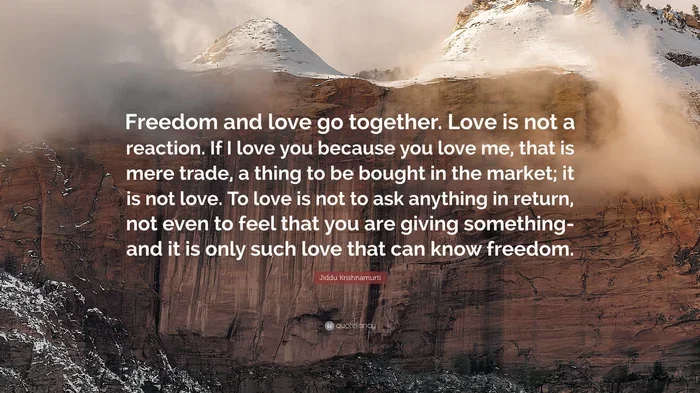
Visual guide about freedom and love concept
Image source: quotefancy.com
After you create space, the next question is usually simple: what now? This is where patience matters. People often want a fast answer, but real connection reveals itself gradually. You are looking for consistency, not a dramatic reunion. You are looking for effort that matches words.
If someone truly values the bond, they will usually find a way to reconnect with care. That does not always mean big gestures. Sometimes it means checking in thoughtfully. Sometimes it means making time. Sometimes it means being honest about what they want. The key is that the effort feels sincere and steady.
If the bond fades, that is information too. It may hurt, but it is still useful. Not every connection is meant to last, and not every person is capable of showing up the way you need. Losing contact can be painful, but it can also protect you from staying stuck in uncertainty.
What Healthy Return Looks Like
- Consistent contact: They do not disappear for long stretches without reason.
- Respectful interest: They show curiosity about your life, not just their own needs.
- Follow-through: They do what they say they will do, even in small ways.
- Emotional presence: They are willing to talk, listen, and be real.
What Fading Connection Often Looks Like
- Delayed replies with no explanation: Communication becomes unpredictable.
- Shallow interest: They stay surface-level and avoid deeper connection.
- Vague future talk: They avoid clarity when you ask where things are going.
- Unequal effort: You are still doing most of the reaching.
Sometimes people wonder whether fate will handle everything for them. That hope can be comforting, but it should not replace observation. If you are curious about whether a bond is truly likely to unfold naturally, you may want to look at if you are meant to be with someone will it happen. The answer is usually less about magic and more about mutual choice, timing, and effort.
When Letting Go Is Actually Letting Yourself Go
There is a version of this phrase that has nothing to do with the other person and everything to do with you. Sometimes we cling because we are afraid of being alone. Sometimes we hold on because we have invested so much time. Sometimes we stay because we hope love will eventually become easier if we just try harder.
But love should not require you to abandon yourself. If you are constantly shrinking, over-explaining, or begging for basic care, then the problem is not just about freedom. It may be about compatibility, respect, or emotional availability.
This is why it is so important to notice whether you are giving space or giving away your standards. There is a big difference between trusting someone and ignoring your own needs. Healthy love respects both people. It does not ask one person to wait endlessly while the other decides whether they care.
If you recognize that you have been chasing affection, it may help to reflect on signs you are begging for love. That kind of pattern can be exhausting, and it often blurrs your judgment. Seeing it clearly is the first step toward stopping it.
Questions To Ask Yourself
- Am I giving space, or am I waiting in pain?
- Do I feel calmer or more anxious since I stepped back?
- Is this person showing up in ways that feel real?
- Am I ignoring red flags because I want this to work?
- Would I still feel okay if this connection did not last?
How To Keep Your Heart Safe While You Wait
Giving someone room does not mean becoming passive. You can still protect your peace. You can still notice what is happening. You can still decide what you will and will not accept. In fact, that is one of the strongest things you can do.
A good rule is to watch for alignment. Do their actions line up with their words? Do they treat your time with care? Do they make room for you the way you make room for them? Alignment is one of the clearest signs that a connection is healthy enough to grow.
It also helps to keep your expectations realistic. Do not turn a little hope into a whole future. Do not build a life around “maybe.” Let things reveal themselves at their own pace, and let your decisions be based on what is true, not what you wish were true.
If you are in a situation where someone seems affectionate but you still feel unsure, it can be useful to read about signs he pretends to love you. Not every sweet moment means the same thing. Some people are good at sounding loving without actually being ready to show up consistently.
Quick Tips For Staying Grounded
- Keep your routine strong: Sleep, move, work, rest, and stay connected to your life.
- Limit overthinking: Write down what you notice instead of looping in your head.
- Talk to someone trusted: A grounded friend can help you see the situation clearly.
- Set a mental check-in date: Give yourself a moment to reassess instead of staying in limbo forever.
Common Mistakes To Avoid
- Using silence as a test: Games often create more confusion than clarity.
- Reading too much into one moment: One text or one date does not tell the whole story.
- Ignoring your needs: Hope should not replace self-respect.
- Waiting forever: Uncertainty has a limit, and your time matters too.
Expert Insights On Love And Freedom
Healthy love usually feels steady, not frantic. That does not mean it is perfect or free of doubt. It means the foundation is strong enough to handle normal human distance. When both people can breathe, the relationship has a better chance of feeling real.
Experts often point out that secure attachment grows when people can be close without losing themselves. That includes the ability to pause, reflect, and return without manipulation. If one person needs constant reassurance while the other needs constant space, the mismatch can create a cycle that hurts both people.
The goal is not to become cold or detached. The goal is to build a connection where freedom and care coexist. That takes honesty, patience, and a willingness to see things as they are. It also takes the courage to walk away from situations that only work when you ignore your own needs.
If you want to deepen a healthy bond once clarity returns, small meaningful conversations can help. You may even find it useful to explore clever questions to deepen your boyfriend’s love for you. The right questions can open the door to more honesty, more trust, and more emotional closeness.
Final Thoughts On If You Love Something Set It Free
The idea behind if you love something set it free is not about giving up. It is about giving love a chance to prove itself without pressure. It is about trusting that real connection can survive space, and it is about protecting your own heart while you find out the truth.
Sometimes freedom brings someone closer. Sometimes it reveals that the bond was never as strong as you hoped. Either outcome gives you something valuable. You learn more about what you need, what you can trust, and how you want to love moving forward.
The most important part is this: do not use freedom as a disguise for self-abandonment. Keep your standards. Keep your life. Keep your eyes open. If the connection is meant to grow, it will show up in steady, respectful ways. If it does not, you will still have your clarity, and that clarity is worth a lot.
Frequently Asked Questions
Does if you love something set it free always work in relationships?
No, it does not always work because every situation is different. It can help when both people care and need space, but it will not fix fear, avoidance, or a lack of genuine interest.
How long should I give someone space before I know what is happening?
There is no perfect timeline, but a few days or a couple of weeks is often enough to notice a pattern. What matters most is whether the person communicates and shows consistent effort when they return.
What if they come back but act the same as before?
Then the space may have given you clarity instead of change. If the same problems keep repeating, it may be a sign that the connection is not ready to grow in a healthy way.
Is giving someone freedom the same as losing hope?
Not at all. You can give space while still knowing what you want. The key is to stay grounded and avoid building your whole future around uncertainty.
How do I know if I am giving healthy space or just waiting in anxiety?
Healthy space usually feels calmer and more balanced, while anxious waiting feels heavy and obsessive. If you feel panicked, drained, or stuck in doubt, it may be time to reassess the situation.
Can setting someone free help me decide if we are meant to be together?
Yes, because distance can reveal whether the bond feels natural or forced. If you want to explore that idea more, you may also find it helpful to read about if you are meant to be with someone will it happen.
