
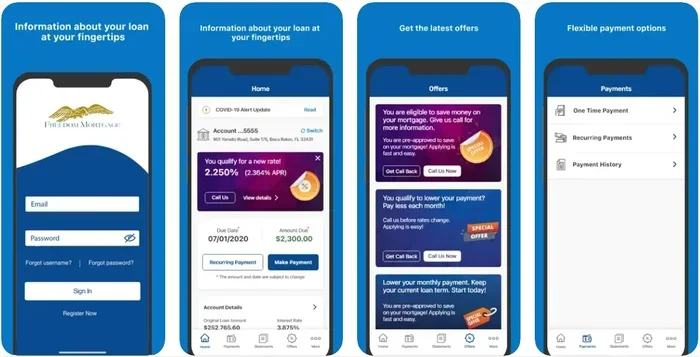
Financial hardship can make keeping up with your mortgage feel impossible. If you are wondering about Freedom Mortgage skip a payment options, you need clear facts before you call. This guide explains deferment rules, credit impacts, and better alternatives to protect your home and your credit score.
This is a comprehensive guide about Freedom Mortgage Skip A Payment.
Key Takeaways
- Payment deferrals exist but are not automatic. You must apply and qualify based on your financial situation.
- Credit reporting varies by program. Some deferrals are reported as current, while others may show a modification on your credit file.
- Interest usually continues to accrue during a skipped period. You will likely owe the missed amount later.
- Communication is critical. Calling early gives you more options than waiting until you miss a payment.
- Alternatives may work better. Loan modification, forbearance, or budget adjustments can offer longer-term relief.
- Documentation matters. Keep records of every call, email, and agreement to protect yourself.
- Professional help is available. HUD-approved housing counselors can guide you at no cost.
[FEATURED_IMAGE_PLACEHOLDER]
Understanding Freedom Mortgage Skip A Payment Options
Life can change fast. A job loss, a medical bill, or a car repair can stretch your budget thin. When money gets tight, your mortgage payment may feel like the hardest bill to cover. Many homeowners start searching for a way to pause their loan for a month or two. You may have heard about a Freedom Mortgage skip a payment option and wondered if it is real.
The short answer is that mortgage servicers do offer hardship programs. These programs can let you defer a payment, modify your loan, or enter a temporary forbearance. However, these options are not the same as skipping a bill with a credit card. There are rules, paperwork, and long-term effects. You need to understand what you are signing up for before you agree to anything.
This guide walks you through how these programs work. We will look at eligibility, credit impact, interest costs, and better alternatives. We will also share practical tips so you can talk to your servicer with confidence. If you are stressed about money, you are not alone. Clear information can help you make a smart choice and protect your home.
When Hardship Programs Make Sense
Not every budget squeeze requires a formal mortgage program. Sometimes a one-time expense is easier to solve with a short-term plan. Other times, a longer hardship calls for a structured solution. Knowing the difference can save you time and stress.
Short-Term Cash Flow Gaps
A short-term gap means you expect income soon. Maybe a bonus is coming, or a new job starts next month. In this case, a single payment deferral might help you avoid a late fee. You still need to confirm that your servicer allows this and that it will not hurt your credit.
Longer Financial Struggles
A longer struggle is different. If you face reduced hours, medical leave, or a major drop in income, one skipped payment may not fix the problem. You may need a loan modification or a longer forbearance. These options change your payment schedule or reduce your payment for a set time.
Warning Signs To Watch
Watch for these signs that you may need more than a quick fix:
- You are using credit cards to cover basic bills
- You are missing other payments to pay the mortgage
- Your income drop seems likely to continue
- You feel unsure about your budget for the next several months
If any of these sound familiar, it is time to look at a broader plan. A single skipped payment can buy time, but it does not solve a deeper cash flow issue.
How Deferrals And Forbearance Work
People often use the words deferment and forbearance interchangeably. They are related, but they are not always the same. Understanding the difference helps you ask the right questions.
Payment Deferral Basics
A payment deferral usually moves a missed payment to the end of your loan or to a later date. You still owe the money. You just pay it later. In some cases, the servicer may let you skip one payment and add it to your balance. In other cases, you may need to repay it in a lump sum after a short period.
Forbearance Basics
Forbearance is a temporary pause or reduction in payments. It is often used during major hardships, such as natural disasters, medical crises, or job loss. Forbearance can last for a few months or longer, depending on the program. After forbearance ends, you usually need a plan to repay the missed amount.
Common Repayment Structures
When a paused payment ends, servicers often offer a few ways to catch up:
- Lump sum repayment: You pay the missed amount all at once
- Spread over future payments: The missed amount is divided across several months
- Loan modification: Your payment is restructured for the long term
- Deferred balance: The missed amount is added to the end of the loan
Each option has pros and cons. A lump sum may be hard on a tight budget. Spreading the amount may be easier, but it can raise your monthly payment. A modification may offer the most stability if your income has changed for good.
Credit Impact And Reporting Rules
One of the biggest worries is your credit score. Many people fear that asking for help will ruin their credit. The truth is more nuanced. The impact depends on the program, the timing, and how your servicer reports the account.
Late Payments Versus Approved Programs
If you simply stop paying without an approved plan, your account may go late. Late payments can damage your credit and may lead to foreclosure steps over time. If you get an approved deferral or forbearance, the reporting may be different. Some programs allow the account to stay current during the hardship period. Others may note a modification or deferral on your credit file.
Why Early Action Matters
Calling early can protect your credit more than waiting. If you reach out before you miss a payment, you may qualify for a program that keeps your account in better shape. If you wait until you are behind, your options may narrow. You also may face late fees or additional stress.
Questions To Ask About Credit
Before you agree to any program, ask these questions:
- How will this program appear on my credit report?
- Will my account remain current during the deferral or forbearance?
- Are there any late fees or penalties?
- What happens to my credit when the program ends?
Get the answers in writing if you can. A clear record helps you avoid confusion later.
Costs, Interest, And Long-Term Effects
Skipping a payment does not mean the loan disappears for that month. In most cases, interest continues to build. That means the total cost of your loan may rise over time. You should understand how this works before you choose a deferral.
Interest During A Skipped Period
Mortgage loans usually accrue interest every day. If you pause a payment, the interest does not always stop. The unpaid interest may be added to your balance or repaid later. This can make the skipped payment cost more than it first appears.
Balance And Equity Effects
If unpaid amounts are added to your loan balance, your total debt rises. That can slow your equity growth. If you plan to sell or refinance soon, a higher balance may affect your plans. It is wise to check how a deferral changes your remaining loan amount.
Comparing Short Relief And Long Cost
Here is a simple way to think about the tradeoff:
- Short relief: You get breathing room now
- Long cost: You may pay more interest or a higher balance later
- Best fit: A deferral works best when the hardship is temporary
- Better fit: A modification may work better when income has changed permanently
This is why it helps to look at the full picture. A quick pause can be useful, but only if you have a plan to recover afterward.
Alternatives To Skipping A Payment
Sometimes the best move is not to skip a payment at all. Other options may give you more stability with less long-term cost. The right choice depends on your budget, your income, and how long your hardship may last.
Loan Modification
A loan modification changes the terms of your mortgage. This can lower your payment by adjusting the interest rate, extending the term, or changing the structure. Modifications are often used when a borrower needs a lasting solution rather than a one-time pause.
Budget And Expense Adjustments
Before you change your mortgage, look at your budget. Sometimes small changes can free up enough cash for a mortgage payment. Common moves include:
- Cutting non-essential subscriptions
- Pausing extra debt payments temporarily
- Reducing dining out and impulse spending
- Selling unused items for quick cash
- Using a short-term side gig for extra income
These steps will not solve every problem, but they can help in mild situations. They also show your servicer that you are trying to stay current.
Community And Counseling Resources
Free housing counseling can be a big help. A HUD-approved counselor can review your options and help you understand your paperwork. This support is usually low-cost or free, and it can help you avoid costly mistakes.
How To Talk To Your Servicer
The conversation with your mortgage servicer matters. A calm, prepared call can get you better results than a rushed message. Here is a simple approach that keeps the discussion focused.
Prepare Before You Call
Gather your loan number, your recent income details, and a clear note about your hardship. Write down how long you expect the problem to last and what you can afford. This makes it easier to explain your situation clearly.
Ask For The Right Department
Not every call center agent handles hardship programs. If the first person cannot help, ask for the loss mitigation or hardship team. These specialists deal with deferrals, modifications, and forbearance more often.
Take Notes And Follow Up
Write down the date, the name of the person you spoke with, and what they promised. If they say you need to send documents, ask what to send and where. Then follow up to confirm everything arrived.
What To Say In Simple Terms
You do not need fancy language. Clear words work best. You might say:
- I am facing a temporary financial hardship
- I want to avoid missing a payment
- What programs can help me stay current?
- How will this affect my balance and credit?
This kind of direct language keeps the call focused on solutions.
Common Mistakes To Avoid
When money is tight, it is easy to make rushed decisions. A few common mistakes can make a hard situation worse. Avoiding them can save you time, money, and stress.
Waiting Too Long
Some people wait until the due date passes. By then, fees may apply and options may shrink. Reaching out early gives you more room to work with.
Assuming A Skip Is Free
A skipped payment is usually not free. Interest may keep building, and the missed amount often comes due later. Treat it as a temporary tool, not a gift.
Skipping Paperwork
Verbal promises are not enough. If you agree to a program, ask for written confirmation. Keep copies of everything you send and receive.
Ignoring The Bigger Picture
If your budget is broken, a single skipped payment may only delay the problem. Look at your income, expenses, and long-term outlook. A broader plan may be the safer path.
Expert Insights On Hardship Choices
Financial stress can cloud your judgment. It helps to slow down and compare options before you commit. Here are a few practical insights that many homeowners overlook.
Match The Tool To The Problem
If your hardship is brief, a short deferral may be enough. If your income has dropped for a longer period, a modification may be a better fit. The key is to match the solution to the length and severity of the problem.
Protect Communication Records
Keep a simple log of every contact. Save emails, letters, and confirmation numbers. If a dispute comes up later, your records can help you prove what was agreed.
Keep Your Goal In View
Your goal is not just to miss a payment. Your goal is to keep your home and your finances stable. Every choice should move you toward that result.
Key Takeaways For Moving Forward
If you are considering a Freedom Mortgage skip a payment option, remember that help exists, but it comes with conditions. Deferrals and forbearance can give you time, but they usually come with repayment rules and possible costs. The best results come from early action, clear questions, and careful follow-up.
Take a moment to review your budget, your income outlook, and your long-term goals. Then contact your servicer with a calm, specific request. If you need extra support, a housing counselor can help you sort through the choices. With the right plan, you can handle a tough month without losing control of your mortgage future.
Can I skip a mortgage payment without penalty?
Usually no. Most mortgage servicers charge interest or require the missed amount to be paid later. Some hardship programs may reduce penalties, but you should confirm the exact terms before agreeing.
Will a skipped payment hurt my credit score?
It depends on the program and how it is reported. An approved deferral or forbearance may protect your credit better than a missed payment, but you need to ask how the account will appear on your credit file.
How many payments can I skip?
That varies by servicer and by program. Some options allow only one payment, while others may cover several months during a major hardship. You must qualify and follow the program rules.
Do I have to pay the skipped amount back?
In most cases, yes. The missed payment is usually deferred, added to the balance, or included in a repayment plan. You should ask exactly when and how the amount must be repaid.
Is forbearance the same as skipping a payment?
Not exactly. Forbearance is a temporary pause or reduction in payments, often for a longer period. Skipping a single payment may be a smaller, shorter option. Both are hardship tools, but they work differently.
What if I cannot afford my mortgage at all?
If your payment is no longer affordable, ask about loan modification, forbearance, or other loss mitigation options. A HUD-approved housing counselor can help you review your choices and avoid missed payments when possible.
Frequently Asked Questions
What is Freedom Mortgage Skip A Payment?
Freedom Mortgage Skip A Payment is an important topic with many practical applications.
