
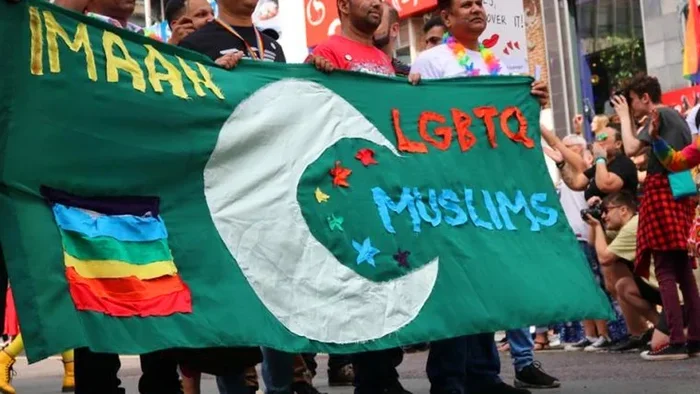
Navigating life as a Muslim gay individual can feel overwhelming and confusing. Many people struggle with faith, family, and self-acceptance while trying to figure out their future. This guide offers practical advice, emotional support, and clear steps to help you find peace. You deserve to live authentically and with hope.
Many people feel stuck when their faith and their sexuality seem to clash. You might wonder if you can ever be happy. You might worry about your family, your community, or your future. These feelings are real, and they are heavy. But you do not have to carry them alone. There is a path forward, even when the road looks unclear.
This article will help you understand your emotions. It will also share practical steps you can take today. You will learn how to find support, protect your mental health, and build a life that feels true to you. Most importantly, you will see that your identity is valid. You deserve love, peace, and a future that feels bright.
When you search for answers, you may feel isolated. That is why this guide focuses on real talk, simple advice, and honest encouragement. Let us walk through this together.
Key Takeaways
- You are not alone: Many people share your experience and have found ways to live authentically.
- Faith and identity can coexist: It is possible to honor your spirituality while embracing your sexual orientation.
- Seek supportive communities: Finding safe spaces and understanding people makes a huge difference.
- Prioritize mental health: Therapy and self-care are essential tools for navigating complex emotions.
- Take it one step at a time: You do not need to solve everything today. Small progress matters.
- Your story matters: Living honestly can inspire others and bring personal peace.
📑 Table of Contents
- Understanding the Conflict Between Faith and Identity
- Finding Peace With Your Muslim Gay Identity
- Navigating Family, Community, and Cultural Expectations
- Mental Health and Emotional Well-Being
- Building a Supportive Community
- Practical Steps When You Feel Lost
- Moving Forward With Courage and Compassion
Understanding the Conflict Between Faith and Identity
Trying to balance your religion and your sexuality can feel like a constant tug-of-war. You may love your faith, but you may also feel rejected by some teachings or community members. This tension can cause stress, sadness, and confusion. It can also make you question your worth. The first step is to name what you feel without judgment.
Why This Feels So Heavy
Many people grow up hearing that certain parts of who they are are wrong. When you realize that your sexuality is a core part of you, that message can hurt deeply. You may fear losing your family, your prayer life, or your sense of belonging. These fears are understandable. They also show how much you care about your values and your relationships.
It helps to remember that feelings are not facts. Just because you feel torn does not mean you are broken. Many people have walked this path before you. They have found ways to keep their spirituality while also honoring their truth. You can explore what that might look like for you.
Separating Fear From Fact
Fear often speaks louder than truth. It can tell you that everything will fall apart if you live openly. It can also tell you that you must hide forever. Both extremes are painful. A healthier approach is to slow down and look at what is actually happening in your life right now.
Ask yourself a few simple questions. What do I truly believe about my faith? What do I know about my sexuality? What support do I have? What small step would feel safe this week? These questions can help you move from panic to clarity. They can also help you see that you have more choices than you think.
Finding Peace With Your Muslim Gay Identity
Peace does not always mean having every answer. Sometimes it means learning to breathe through the uncertainty. It means giving yourself permission to be human. It also means recognizing that your journey is yours alone. You do not need to follow someone else’s timeline.
For many people, peace starts with self-compassion. That means speaking to yourself the way you would speak to a dear friend. It means allowing yourself to feel hurt without turning that hurt into shame. It means remembering that your value does not disappear because your life is complicated.
Building a Personal Definition of Faith
Faith can mean different things to different people. For some, it is about community and tradition. For others, it is about prayer, reflection, and a personal connection with God. You may find that your relationship with faith changes over time. That is normal. Growth often reshapes how we understand spirituality.
You might ask what parts of your faith bring you comfort. You might also notice which parts feel painful right now. Both can be true at once. A helpful practice is to focus on the values that matter most to you, such as kindness, honesty, mercy, and love. These values can guide you even when the bigger picture feels unclear.
Allowing Yourself to Grieve and Hope at the Same Time
It is okay to grieve what feels lost. It is also okay to hope for what could be. Human hearts are large enough to hold both. You may mourn the life you thought you would have. At the same time, you can begin imagining a life that still includes meaning, connection, and joy.
Try writing down three things you hope for in the future. They can be small or big. For example, you may hope for a trusted friend, a safer home life, or a moment of spiritual peace. Keeping these hopes visible can remind you that your story is still unfolding.
Navigating Family, Community, and Cultural Expectations
Family and culture can add another layer of pressure. You may worry about disappointing people you love. You may also fear rejection or misunderstanding. These concerns are real, and they deserve care. Safety and emotional well-being should always come first.
Not everyone is ready to understand right away. Some people need time. Some people may never fully understand, and that is painful. You cannot control how others react. You can control how you protect yourself and how you choose to share your truth.
Deciding When and How to Share
There is no single right time to come out or talk openly about your identity. Some people choose to share only with one trusted person. Others wait until they feel more stable. Some decide not to share with certain family members at all. Each choice can be valid depending on your situation.
Before you share, think about your safety and support. Ask yourself who has earned your trust. Consider what outcome you hope for. Also think about what you will do if the reaction is not what you want. Having a plan can reduce anxiety and help you feel more grounded.
Setting Boundaries With Love
Boundaries are not about punishment. They are about protection. You can love someone and still limit what you share with them. You can also step back from conversations that feel harmful. This can be especially important if you are dealing with pressure, guilt, or constant questioning.
A simple boundary might sound like this: I care about you, but I am not ready to talk about this yet. Or: I need you to respect my privacy on this. Boundaries can be calm, clear, and firm. They can also be adjusted as your life changes.
Mental Health and Emotional Well-Being
Living with ongoing stress can wear you down. You may feel anxious, tired, or emotionally numb. You may also feel moments of hope mixed with fear. All of this can be exhausting. That is why mental health care matters so much. It is not a luxury. It is part of staying strong.
If you are struggling, please know that support exists. You do not have to handle everything in silence. Talking to someone safe can help you sort through your thoughts. It can also remind you that your feelings make sense.
Therapy and Trusted Support
A therapist can offer a private space to explore your identity, faith, and family dynamics. A good therapist will not try to force you into a box. Instead, they can help you understand your emotions and build coping tools. If possible, look for someone who respects both your spirituality and your sexuality.
If therapy is not accessible right now, other supports can still help. A trusted friend, a support group, or an online community may offer comfort. Even writing in a journal can create space for your thoughts. The goal is to reduce isolation and increase understanding.
Daily Habits That Help You Stay Grounded
Small habits can make a big difference when life feels uncertain. They do not need to be perfect. They just need to be consistent enough to help you breathe a little easier.
- Sleep and rest: Fatigue makes emotions harder to manage.
- Movement: A short walk or stretch can lower stress.
- Quiet time: Prayer, meditation, or reflection may bring calm.
- Journaling: Writing can help you spot patterns in your thoughts.
- Safe connection: Spend time with people who treat you with respect.
These habits may seem simple, but they help your mind and body recover. When you are under pressure, basic care becomes powerful.
Building a Supportive Community
Community can be a lifeline. It can remind you that your experience is not strange or shameful. It can also give you practical advice from people who understand. The right community should feel safe, respectful, and nonjudgmental.
Sometimes the hardest part is finding that community. You may not have local options that feel safe. In that case, online spaces can be a starting point. You can also look for groups focused on mental health, spirituality, or LGBTQ support. If one space does not feel right, keep looking. There are people out there who will respect you.
What a Healthy Community Looks Like
A healthy community does not demand that you shrink yourself. It allows you to ask questions. It respects your privacy. It also understands that faith and identity can be deeply personal. You should feel free to take what helps and leave what does not.
Pay attention to how people treat you. Do they listen? Do they respect your boundaries? Do they make you feel safer or more anxious? These signs can help you decide whether a group is truly supportive.
Being Part of a Community Without Losing Yourself
It is possible to connect with others while still protecting your own pace. You do not have to share everything at once. You can participate in ways that feel comfortable. You can also step away when you need rest. Healthy belonging should never cost you your sense of self.
If you are unsure where to start, try one small step. Join a conversation, read stories from others, or attend a low-pressure event. Over time, these small connections can build a sense of home.
Practical Steps When You Feel Lost
When you feel stuck, it helps to focus on the next right step instead of the whole future. You do not need a perfect plan. You need a manageable one. Progress often comes from tiny actions repeated over time.
Here are a few practical ideas that may help:
- Name one priority: Choose one thing to focus on this week, such as rest, support, or safety.
- Limit harmful input: Reduce time spent with content or people that increase shame.
- Write your thoughts: Get the worry out of your head and onto paper.
- Reach out to one safe person: You do not need a crowd. One steady connection can help.
- Celebrate small wins: Notice moments when you cope well or speak kindly to yourself.
These steps may feel small, but they can create momentum. Momentum matters because it reminds you that life is still moving. Even slow movement counts.
When the Future Feels Scary
It is normal to worry about how life will turn out. You may wonder if you will ever feel accepted, loved, or at peace. Those worries can be intense. Still, the future is not fixed. Many people discover strength, joy, and belonging in ways they never expected.
Instead of trying to predict every outcome, focus on what you can influence today. You can choose kindness toward yourself. You can seek support. You can take one cautious step forward. Over time, those choices shape a life that feels more your own.
Handling Setbacks Without Giving Up
Some days will feel better than others. That is part of being human. A setback does not erase your progress. It only means you are still learning how to carry this path. When you stumble, try to respond with patience instead of harshness.
You might say to yourself, This is hard, and I am still here. That simple reminder can be powerful. It keeps you connected to hope without pretending the pain is gone.
Moving Forward With Courage and Compassion
Living with a Muslim gay identity can be complex, but complexity does not mean hopelessness. You can honor your spirituality, protect your well-being, and build relationships that feel genuine. You can also give yourself time to figure things out. You do not need to have every answer to keep going.
Courage is not the absence of fear. It is moving forward even when fear is present. Compassion is not ignoring pain. It is meeting pain with care. When you combine both, you create a steadier way to live.
Remembering Your Worth
Your worth is not conditional. It does not depend on perfect faith, perfect clarity, or perfect acceptance from others. You are a whole person with feelings, values, dreams, and depth. That matters. Hold onto that truth when doubt gets loud.
If you need a reminder, return to the basics. You are allowed to exist. You are allowed to seek peace. You are allowed to build a life that reflects who you are. These are not selfish goals. They are human ones.
A Final Word of Encouragement
If you feel lost today, that does not mean you will feel lost forever. Life changes. Understanding grows. Support can appear when you least expect it. Keep going in ways that are safe and sustainable. Let yourself hope in small, honest ways.
You are not defined by fear. You are not defined by uncertainty. You are a person with a story still being written. That story can include faith, love, resilience, and peace. It can also include questions, and that is okay. Keep walking forward, one step at a time.
Frequently Asked Questions
Can a Muslim gay person still have a meaningful faith life?
Yes, many people continue to find meaning in their spirituality while also honoring their sexuality. Faith can be deeply personal, and it may look different for each individual. The key is finding what brings you peace without forcing you to deny who you are.
What should I do if I fear rejection from my family?
Start by assessing your safety and emotional readiness. If possible, confide in one trusted person who can support you. You can also set boundaries and take your time before sharing more widely. Your well-being matters first.
How do I deal with guilt about my identity and my religion?
Guilt can be painful, but it does not automatically mean you have done something wrong. It often comes from internalizing conflicting messages. Speaking with a supportive counselor or community can help you separate shame from truth.
Is it okay if I am still unsure about everything?
Absolutely. Uncertainty is a normal part of a complex journey. You do not have to decide everything at once. Give yourself space to learn, reflect, and grow at your own pace.
Where can I find support if I feel isolated?
Look for affirming mental health professionals, LGBTQ-friendly support groups, or online communities that respect both spirituality and identity. Even one safe connection can reduce isolation. If local options are limited, digital spaces may help you start.
How can I stay hopeful when the future feels uncertain?
Focus on small, steady actions that support your health and safety. Notice moments of comfort, connection, and progress, even if they are brief. Hope often grows through daily care rather than sudden answers.
