
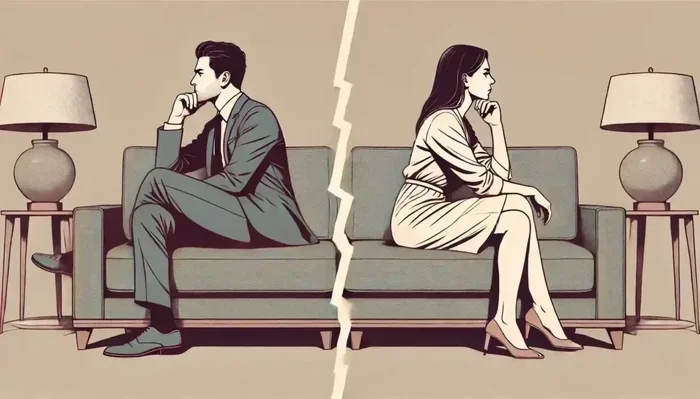
Does separation lead to divorce? The answer is not always clear. Some couples use this time to heal, while others decide to part ways. Understanding the purpose of separation helps you make better choices. This guide explains the truth about marital separation and what factors influence the outcome.
Many couples face a hard question. They wonder if does separation lead to divorce. This is a scary thought. You might feel lost. You might feel hopeful. Both feelings are normal.
Separation is a big step. It changes your daily life. It changes your home. It changes your routine. Some people see it as a break. Others see it as the end. The truth sits somewhere in the middle.
This article will help you understand the real picture. We will look at what separation means. We will talk about why couples choose it. We will explore what happens next. You will learn how to navigate this tough time with clarity.
Key Takeaways
- Separation does not guarantee divorce: Many couples reconcile and stay married after taking time apart.
- Clear boundaries matter: Setting rules for communication and contact improves outcomes.
- Time apart reveals truths: Living separately helps partners see the relationship clearly.
- Professional help increases success: Counseling during separation boosts chances of reconciliation.
- Children need stability: Keeping routines consistent protects kids during this transition.
- Legal advice is important: Understanding your rights prevents costly mistakes later.
- Self-care is essential: Focusing on your well-being helps you make clearer decisions.
📑 Table of Contents
- Understanding the Purpose of Marital Separation
- Does Separation Lead To Divorce? The Real Facts
- Signs That Separation May End in Divorce
- Signs That Separation May Lead to Reconciliation
- How to Navigate Separation Wisely
- Common Mistakes During Separation
- When to Seek Professional Help
- Final Thoughts on Does Separation Lead To Divorce
Understanding the Purpose of Marital Separation
Separation is not one thing. It means different things to different people. For some, it is a trial run. For others, it is a step toward ending the marriage. Knowing the purpose helps you set expectations.
Many couples use separation to cool down. They need space from fights. They need time to think. This break can lower stress. It can stop hurtful words. It gives both people a chance to breathe.
Some partners separate to test the relationship. They want to know what life feels like apart. This test can show if the bond is strong. It can also show if the bond is weak. The result depends on many things.
Others separate because they feel stuck. They do not know how to fix things. They hope distance will bring clarity. Sometimes it does. Sometimes it brings more questions. Both outcomes are valid.
Types of Separation
There are different ways to separate. Each type has its own rules. Knowing the type helps you plan better.
- Trial separation: This is a short break. Couples agree to try time apart. They often set a timeline. They hope to reconnect later.
- Permanent separation: This is a longer break. Couples may not plan to return. They start thinking about life apart. This can lead to divorce.
- Legal separation: This is a formal step. Couples file papers with the court. They stay married but live apart. This has legal effects.
- Informal separation: This is a private agreement. Couples decide on their own. They may not tell others. This is common in early stages.
Each type brings different feelings. Trial separation often feels hopeful. Permanent separation feels heavier. Legal separation feels serious. Informal separation feels private. Choose what fits your situation.
Does Separation Lead To Divorce? The Real Facts
This is the big question. Does separation lead to divorce? The answer is not simple. Research shows mixed results. Some studies say many couples reconcile. Other studies say separation often ends in divorce. The truth depends on your context.
One key factor is time. Short separations often lead to reunion. Long separations often lead to divorce. The longer you stay apart, the harder it is to come back. Distance changes habits. Distance changes feelings.
Another factor is intent. If both people want to fix things, chances improve. If one person wants out, chances drop. Separation works best when both partners try. It fails when only one tries.
Communication also matters. Couples who talk during separation often do better. They share feelings. They set goals. They check in with each other. Silence often leads to drift. Drift often leads to divorce.
Children can change the picture too. Some parents stay together for kids. This can work if the home is calm. It can fail if the home is tense. Kids feel the stress. They need peace more than perfection.
What the Numbers Say
Numbers give a rough picture. They do not tell your story. Still, they help set expectations. Many couples who separate do reconcile. Many also do not. The split is close. This means your actions matter a lot.
Some data suggests that about half of separated couples reconcile. The rest move toward divorce. This is not a rule. It is a pattern. Your choices can shift the odds. Small steps can change the path.
Keep in mind that every marriage is unique. What works for one couple may not work for another. Your history matters. Your communication matters. Your willingness to grow matters. These things shape the outcome more than any number.
Signs That Separation May End in Divorce
Some signs point toward divorce. These signs do not mean it will happen. They just show risk. Watching for them helps you act early.
- One partner has already checked out: If your spouse stopped trying long ago, reconciliation is harder.
- No contact during separation: Total silence often leads to drift. Drift often leads to the end.
- Constant conflict before separation: If fights were severe, the break may not fix them.
- Trust is broken: Infidelity or lies can make repair very hard.
- Different life goals: If you want different futures, staying together is tough.
- No plan to reconnect: If there is no timeline or goal, the separation may become permanent.
These signs are warnings, not sentences. You can still change the path. You can still reach out. You can still ask for help. The key is to notice these signs early.
When the Bond Is Already Weak
Some marriages fade slowly. They lose warmth over time. They lose respect over time. They lose friendship over time. In these cases, separation may simply confirm what was already true. The break does not create the end. It reveals it.
This is painful to see. It is also honest. Honesty helps you make clear choices. You do not have to guess. You can look at the facts. You can decide with a calm mind.
If you see these signs, do not panic. Take a breath. Talk to a counselor. Talk to a trusted friend. Gather your thoughts. Then decide your next step with care.
Signs That Separation May Lead to Reconciliation
Other signs point toward healing. These signs show hope. They show room for repair. Watching for them can guide your actions.
- Both partners want to fix things: Shared effort is a strong sign of hope.
- Clear rules for the separation: Agreed boundaries reduce confusion and hurt.
- Regular check-ins: Talking about the process keeps you connected.
- Willingness to change: Growth on both sides improves the odds.
- Strong friendship base: If you still like each other, repair is easier.
- Counseling or support: Outside help often brings clarity and calm.
These signs do not promise success. They improve the chances. They show that both people are engaged. Engagement is the fuel of reconciliation.
How to Use the Time Well
Time apart can be useful. It can teach you things. It can show you what you miss. It can show you what you need. Use this time with purpose.
Write down your feelings. Note what hurts. Note what helps. Notice what you value. Notice what you want to change. This reflection builds clarity. Clarity builds better choices.
Also use this time to care for yourself. Sleep well. Eat well. Move your body. Talk to supportive people. Your well-being matters. A calm mind sees more clearly. A calm heart decides more wisely.
How to Navigate Separation Wisely
Separation is hard to manage. It brings emotions and logistics. It brings fear and hope. A wise approach helps you stay steady. Here are practical steps to follow.
Set Clear Boundaries
Boundaries protect both people. They reduce confusion. They lower conflict. Talk about what is okay and what is not. Cover topics like money, home, kids, and contact. Write them down if needed. Clear rules help you both feel safe.
Decide on Communication
Talk about how you will communicate. Will you text? Will you call? Will you meet weekly? Pick a method that feels calm. Keep messages short and kind. Avoid blame. Focus on facts and needs.
Plan for Children
Kids need stability. Keep routines as normal as possible. Tell them simple truths. Reassure them they are loved. Avoid putting them in the middle. Their peace matters more than adult drama.
Protect Your Finances
Money can get messy. Know what accounts you share. Know what bills you owe. Track your spending. If needed, seek legal advice. Clear finances reduce stress later.
Seek Support
You do not have to do this alone. A counselor can help you sort feelings. A lawyer can help you know your rights. A trusted friend can listen. Support makes the path easier.
Common Mistakes During Separation
People make mistakes in this season. Some mistakes cause more pain. Some mistakes close doors too soon. Avoid these common traps.
- Using kids as messengers: This burdens children and creates tension.
- Badmouthing your partner: Negative words spread fast and hurt trust.
- Making big decisions too fast: Rash choices often lead to regret.
- Ignoring legal basics: Not knowing your rights can cost you later.
- Isolating yourself: Silence can deepen loneliness and confusion.
- Waiting too long to seek help: Early support often prevents bigger problems.
These mistakes are common because the situation is hard. You are human. You may slip. If you do, pause and reset. Small corrections keep you on track.
When to Seek Professional Help
Some situations need expert guidance. If emotions are high, a counselor can help. If legal questions are complex, a lawyer can help. If you feel stuck, a coach can help. Getting help is a sign of strength, not weakness.
Therapy can help you understand patterns. It can help you communicate better. It can help you decide your next step. Many couples find clarity in therapy. Many individuals find peace too.
Legal advice is also useful. You may want to know about assets, custody, or paperwork. A professional can explain your options. This knowledge helps you feel more in control.
If you are unsure where to start, ask your doctor or a trusted friend for referrals. You can also look for local resources. Support is closer than you think.
Final Thoughts on Does Separation Lead To Divorce
So, does separation lead to divorce? Sometimes it does. Sometimes it does not. The outcome depends on many things. It depends on intent, communication, time, and effort. It depends on honesty and care.
Separation is a crossroads. You can use it to heal. You can use it to end things with clarity. Either path can be right. The key is to choose with awareness. Do not rush. Do not ignore your feelings. Do not face it alone if you do not have to.
Take this time to learn. Learn about your needs. Learn about your limits. Learn about what you want next. Whether you reconcile or part ways, you can move forward with dignity. You can build a life that feels true.
If you want to explore related topics, you may find these guides helpful. You can read about how to tell your spouse you want a divorce if you are considering that step. You can also read about how to restart your life after a terrible breakdown if you need hope and direction. For more on emotional energy, see what does energy have to do with mental health.
Frequently Asked Questions
Does separation always lead to divorce?
No, separation does not always lead to divorce. Many couples use this time to cool down and fix problems. Others decide to part ways. The outcome depends on your goals and actions.
How long should a separation last?
There is no fixed rule for how long a separation should last. Some couples try a few weeks. Others take months. It helps to set a timeline so you both know what to expect.
Can a couple get back together after separation?
Yes, many couples reconcile after separation. Success is more likely when both partners communicate well and want to repair the relationship. Counseling can also help a lot.
Should we tell our children about the separation?
Yes, but keep it simple and calm. Tell them they are loved and that the separation is not their fault. Keep routines steady to give them a sense of safety.
Is legal separation better than informal separation?
It depends on your situation. Legal separation gives you clear rights and responsibilities. Informal separation is simpler but less formal. A lawyer can help you choose what fits best.
What if only one person wants to reconcile?
If only one person wants to fix things, reconciliation is harder. The other person may need more time or may have already decided to end the marriage. Honest talks and counseling can still help clarify the next step.
