
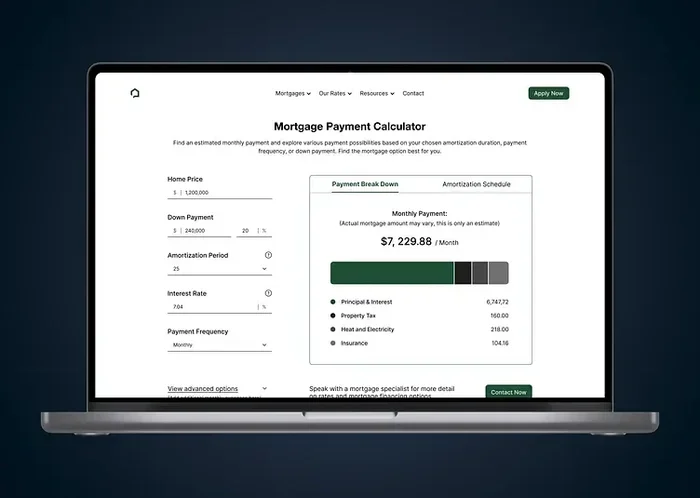
Wondering does paying your mortgage twice a month save money? Making half your regular payment every two weeks can cut thousands in interest and help you pay off your loan years earlier. This simple change works because you make one extra full payment each year without feeling a big monthly hit. We will walk you through the math, the benefits, and the best ways to set it up.
Key Takeaways
- Biweekly payments add up fast: Splitting your monthly payment in half and paying every two weeks results in 26 half-payments, which equals 13 full payments per year.
- Interest savings can be significant: Paying extra principal early reduces the total interest you pay over the life of the loan, especially on longer terms.
- You may shorten your loan term: Extra payments can shave years off a 30-year mortgage, helping you own your home sooner.
- Check for fees and rules: Some lenders charge setup or per-payment fees, and not all loans allow biweekly schedules without conditions.
- Automate to stay consistent: Setting up automatic transfers helps you stick with the plan and avoid missed payments.
- Compare with other strategies: A monthly extra principal payment or lump-sum payments can offer similar benefits with more flexibility.
- Run the numbers first: Use a mortgage calculator to see your exact interest savings and payoff timeline before you commit.
📑 Table of Contents
- Does Paying Your Mortgage Twice a Month Save Money
- How Biweekly Mortgage Payments Work
- Real Savings: Interest and Loan Term
- Potential Drawbacks and Costs to Watch
- How to Set It Up the Right Way
- Alternatives and Smart Combinations
- Quick Tips for Getting the Most Out of Extra Payments
- Final Thoughts on Does Paying Your Mortgage Twice a Month Save Money
Does Paying Your Mortgage Twice a Month Save Money
If you are looking for ways to keep more cash in your pocket, you have probably asked yourself: does paying your mortgage twice a month save money? The short answer is yes, it can. The longer answer depends on how your loan is set up, whether your lender charges fees, and how much extra principal you actually pay. In this guide, we will break down the idea in plain language, show you the math, and help you decide if this strategy fits your budget and goals.
Many homeowners like the idea of paying every two weeks because it feels manageable. Instead of one big monthly hit, you make smaller payments more often. That rhythm can also match your paycheck schedule if you get paid biweekly. The real magic happens because you end up making one extra full payment each year. That extra payment goes straight to principal, which lowers the balance faster and reduces the interest that builds up over time.
Before you change your payment routine, it helps to understand how mortgages work. Your monthly payment usually covers principal and interest, and sometimes taxes and insurance. In the early years, most of your payment goes toward interest, not principal. That is why paying a little extra early on can make a big difference. Even small changes can add up over a long loan term.
How Biweekly Mortgage Payments Work
Visual guide about mortgage payment calculator
Image source: media.geeksforgeeks.org
The idea is simple. You take your normal monthly payment and split it in half. Then you pay that half amount every two weeks. Because there are 52 weeks in a year, you make 26 half-payments. That equals 13 full payments instead of 12. The thirteenth payment is the extra one that helps you pay down the loan faster.
Here is the key point. The extra payment does not go to interest. It goes to principal. Lower principal means less interest charged in the next cycle. Over time, this creates a snowball effect. You pay less interest, and more of each payment goes toward the balance. That is the main reason people ask does paying your mortgage twice a month save money in the first place.
Not every lender offers a true biweekly plan. Some companies let you set up a scheduled transfer every two weeks. Others require you to send half payments manually. A few lenders hold the first half until the second half arrives, then apply one full monthly payment. If the second half is held, you may not get the interest-saving benefit. Always ask how the payment is applied and when it posts to your account.
The Math Behind the Savings
Let us walk through a simple example. Imagine you have a 30-year mortgage with a balance of $200,000 and an interest rate of 6 percent. Your regular monthly principal and interest payment might be around $1,200. If you switch to a biweekly plan, you would pay $600 every two weeks. That means you make 26 payments a year, which totals $15,600 instead of $14,400. The extra $1,200 each year goes to principal.
Over time, that extra principal reduces the interest charged each month. On a 30-year loan, this can shave several years off the term and save thousands in interest. The exact amount depends on your rate, your balance, and how long you stay with the plan. The earlier you start, the bigger the impact. If you begin in year one, you save more than if you start in year fifteen.
You do not need to guess the numbers. A mortgage calculator can show your payoff date and total interest with and without biweekly payments. Plug in your loan amount, rate, and term. Then compare the results. This makes it easy to see whether the effort is worth it for your situation.
Biweekly vs. Monthly Extra Payments
Some people prefer to keep their monthly schedule and just add a little extra each month. That approach can work just as well. For example, you could add one-twelfth of your monthly payment to each monthly check. At the end of the year, you will have made one extra payment, just like the biweekly method. The difference is control. With a monthly extra payment, you decide the amount each month. You can also skip a month if money is tight.
The biweekly method has its own advantages. It can feel easier because the payment is smaller and the schedule is automatic. It also matches many pay periods, which can make budgeting simpler. But if your lender charges fees or holds half payments, the benefit may shrink. That is why it is smart to compare both options before you choose.
Quick comparison:
- Biweekly payments: Smaller amounts, 26 payments a year, one extra full payment annually, can match pay cycles.
- Monthly extra payment: One payment a month plus an added amount, full control over timing, easier to pause if needed.
- Lump-sum payments: One-time extra payments when you have extra cash, great for bonuses or tax refunds, no ongoing schedule required.
Real Savings: Interest and Loan Term
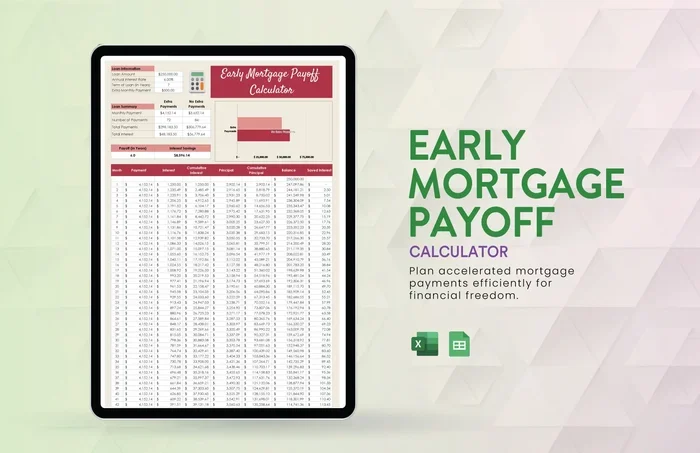
Visual guide about mortgage payment calculator
Image source: images.template.net
When people ask does paying your mortgage twice a month save money, they usually want to know two things. How much interest will I save? And how soon will my loan be paid off? The answers depend on your loan details, but the pattern is consistent. Extra principal payments reduce interest and shorten the term.
Think of interest as the cost of borrowing money over time. The balance is the starting point for that cost. When you lower the balance faster, you reduce the base that interest is calculated from. That means each future payment carries less interest and more principal. Over many years, this can lead to meaningful savings.
On a long-term loan, the effect can be large. A loan that normally takes 30 years to pay off might end in 27 years or less with consistent extra payments. The exact time saved varies. A higher interest rate usually means more savings from extra payments. A lower rate still helps, but the dollar amount may be smaller. Either way, you own your home sooner and pay less overall.
It helps to remember that savings are not just about the total interest number. There is also a peace-of-mind benefit. Knowing your balance is dropping faster can reduce stress. You may also build equity faster, which matters if you plan to sell, refinance, or borrow against your home later.
Example Scenarios
Here are a few simple scenarios to show how the idea plays out.
- Scenario A: A $250,000 loan at 6 percent over 30 years. Biweekly half-payments create one extra payment a year. Over time, this can cut years off the term and save a noticeable amount in interest.
- Scenario B: A $150,000 loan at 4 percent over 30 years. The savings are smaller because the rate is lower, but you still pay off the loan sooner and reduce total interest.
- Scenario C: A $300,000 loan at 7 percent over 30 years. Higher rates make extra payments more powerful, so the interest savings can be larger.
These examples are illustrative, not exact quotes. Your numbers will differ based on your balance, rate, term, and how long you keep up the extra payments. The main lesson is that the strategy works best when you start early and stay consistent.
Potential Drawbacks and Costs to Watch
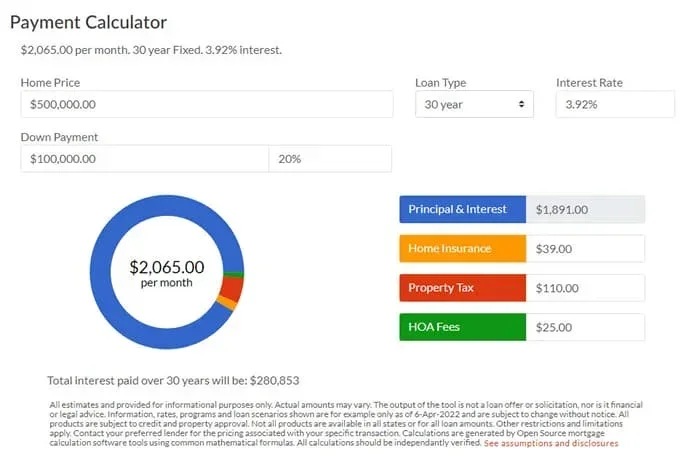
Visual guide about mortgage payment calculator
Image source: buyingbuddy.com
Even when does paying your mortgage twice a month save money is a yes, there are a few things to watch. Some lenders charge a setup fee to enroll in a biweekly plan. Others charge a small fee for each half-payment. Those costs can eat into your savings. Always read the fine print before you sign up.
Another issue is how the payment is applied. If the lender holds your first half-payment and only applies the full amount once the second half arrives, you may not get the interest benefit you expect. In that case, the plan acts more like a monthly payment split into two parts. You want your half-payment to post and reduce principal as soon as it is received.
There is also the risk of cash flow strain. Paying every two weeks means money leaves your account more often. If your income is monthly, this schedule might feel awkward. You need to make sure your budget can handle the timing without overdrafts or missed bills. Consistency matters. If you miss half-payments, the plan loses its advantage.
Fees, Rules, and Lender Policies
Before you start, ask your lender a few direct questions.
- Do you offer a true biweekly payment option?
- Are half-payments applied immediately, or are they held until the second half arrives?
- Are there setup fees, per-payment fees, or monthly service charges?
- Can I make extra principal payments on my own without a special program?
- Will extra payments go straight to principal, or do they first cover upcoming interest or fees?
These questions help you avoid surprises. If your lender does not support a true biweekly plan, you can often replicate the benefit on your own. Many borrowers simply set up an automatic monthly payment with an extra amount added. That gives you the same extra-principal effect without depending on a special program.
When This Strategy Might Not Be the Best Fit
Biweekly payments are not the right move for everyone. If you have high-interest debt elsewhere, such as credit cards, it may make more sense to focus there first. If your mortgage rate is very low, the interest savings may be modest. If your budget is tight, a smaller monthly extra payment might be safer than a strict biweekly schedule.
You also want to think about your emergency fund. Putting every extra dollar toward your mortgage is not ideal if you have little savings. A balanced approach often works best. Keep some cash reserved for surprises, then use what remains for extra principal payments.
How to Set It Up the Right Way
If you decide to move forward, the goal is to make the process simple and reliable. Automation is your friend. Set up a recurring transfer so you do not have to remember each cycle. Choose a date that lines up with your pay schedule if possible. That makes it easier to keep the money available.
Start by confirming how your lender wants to receive payments. Some companies have a dedicated biweekly portal. Others accept payments by phone, mail, or online upload. Make sure you know the exact amount, the due dates, and the payment method. Keep a record of your confirmations in case you need to check something later.
If your lender does not offer a true biweekly option, you can create your own version. Set up an automatic monthly payment that includes an extra one-twelfth of the normal amount. Each month, that extra bit reduces principal. At the end of the year, you have made one extra payment. This method gives you flexibility and keeps you in control.
Step-by-Step Setup
- Step 1: Review your loan terms and current payment amount.
- Step 2: Ask your lender how extra payments are applied and whether there are fees.
- Step 3: Decide between a lender-managed biweekly plan or a self-managed monthly extra payment.
- Step 4: Set up automatic transfers or calendar reminders so payments happen on time.
- Step 5: Track your balance and payoff progress with a calculator or loan statement.
- Step 6: Review the plan once a year to see if it still fits your budget and goals.
A good habit is to check your statements after a few months. Make sure the extra amount is reducing principal as expected. If something looks off, contact your lender right away. Small fixes early can prevent bigger issues later.
Alternatives and Smart Combinations
You do not have to choose just one approach. Many homeowners mix strategies to fit their cash flow. For example, you might make a monthly extra payment most months and add a lump-sum payment when you get a bonus or tax refund. That combination can speed up payoff without forcing a strict biweekly schedule.
Another option is to round up your payment. If your monthly payment is $1,180, you could pay $1,200 instead. That small increase is easy to remember and can make a difference over time. You can also raise the extra amount when your income grows or your expenses drop.
If you want more flexibility, consider a manual extra-principal plan. You decide the amount and timing each month. This is useful if your income varies. You can pay more in strong months and less in tight months. The key is to keep the extra payments consistent enough to matter.
Ways to Boost the Effect
- Round up your payment: A small increase each month is simple and steady.
- Use windfalls: Apply bonuses, refunds, or gifts to principal when possible.
- Match pay cycles: Align payments with your income to reduce strain.
- Review annually: Check your progress and adjust the amount if your budget changes.
- Keep an emergency fund: Balance extra payments with savings so you are not caught short.
Mixing methods can be especially helpful if your budget changes from time to time. The best plan is the one you can stick with. Consistency matters more than perfection.
Quick Tips for Getting the Most Out of Extra Payments
If you want to make this work well, a few simple habits help a lot. First, always direct extra money to principal. If a payment is applied to future interest or fees, you lose the benefit. Second, keep track of your payoff date. Seeing the finish line move can keep you motivated. Third, avoid adding pressure to your budget. The plan should feel doable, not stressful.
It also helps to think about the big picture. Paying down your mortgage faster is a great goal, but it is not the only goal. You may also want to save for retirement, build an emergency fund, or pay off higher-interest debt. A balanced plan often works better than an all-or-nothing approach.
Common mistakes to avoid:
- Assuming every biweekly plan saves the same amount.
- Not checking whether half-payments are held before they are applied.
- Ignoring setup or per-payment fees.
- Forgetting to confirm that extra money goes to principal.
- Starting a plan that is too tight for your budget.
Expert insight: The best extra-payment strategy is the one you can maintain. Small, steady payments often beat a plan that is hard to sustain. If you can automate it and keep it affordable, you are more likely to see the full benefit over time.
Final Thoughts on Does Paying Your Mortgage Twice a Month Save Money
So, does paying your mortgage twice a month save money? In many cases, yes. The savings come from making one extra full payment each year, which reduces principal and cuts interest over time. You may also pay off your loan years earlier, which can free up cash for other goals. The exact benefit depends on your rate, balance, term, and lender rules.
The smartest move is to check the details before you start. Make sure your half-payments are applied right away, confirm there are no costly fees, and choose a schedule that fits your budget. If a lender-managed biweekly plan is not a good fit, you can often get the same result with a monthly extra payment or occasional lump sums.
If you want to explore related money and relationship topics, you may find these guides helpful: how to politely ask for money from your boyfriend, how to hint to your boyfriend you want a ring, and what does it mean when a guy calls you beautiful. These articles can add useful context if you are balancing home finances with relationship goals.
Whatever you choose, the key is consistency. A simple plan you can keep is usually better than a perfect plan you cannot maintain. Run the numbers, ask the right questions, and pick the path that helps you move toward your goal with confidence.
Frequently Asked Questions
Does paying your mortgage twice a month really save money?
Yes, it can save money if the half-payments are applied immediately to principal and your lender does not charge high fees. The savings come from making one extra full payment each year, which lowers interest over time.
How much can I save with biweekly mortgage payments?
The amount depends on your loan balance, interest rate, and term. On a 30-year loan, extra payments can save thousands in interest and shorten the payoff period by several years. Use a mortgage calculator for your exact numbers.
Do lenders charge fees for biweekly payments?
Some do, and some do not. You may see a setup fee, a per-payment fee, or a monthly service charge. Always ask about costs before enrolling so you know whether the savings are still worth it.
What if my lender holds half-payments until the second half arrives?
If the first half is held and only applied after the second half arrives, you may not get the interest-saving benefit you expect. In that case, a self-managed monthly extra payment may work better.
Is a monthly extra payment better than a biweekly plan?
Not always. A monthly extra payment gives you more control and flexibility, while a biweekly plan can be easier to automate and may match your pay schedule. The best choice depends on your budget and your lender’s rules.
Should I pay extra on my mortgage if I have other debt?
It depends on the interest rates. If you have higher-interest debt, such as credit cards, it may make more sense to focus there first. A balanced plan that includes savings, debt payoff, and extra mortgage payments often works best.
