
Cultures single life varies dramatically across the globe, with some societies celebrating unmarried independence while others impose heavy stigma. This article explores how society views unmarried people, the cultural forces shaping these attitudes, and practical strategies for thriving as a single person regardless of where you live or what your community believes.
[FEATURED IMAGE_PLACEHOLDER]
Cultures single life looks completely different depending on where you were born, where you live, and what community raised you. While some societies celebrate the freedom and independence that comes with being unmarried, others treat single adults as incomplete, troubled, or somehow broken. Understanding how society views unmarried people isn’t just an academic exercise — it directly impacts your daily life, your mental health, and the choices you make about relationships. In this article, we’ll explore the fascinating cultural differences in how single people are perceived, why these attitudes exist, and how you can build a deeply fulfilling life regardless of your marital status.
If you’ve ever felt the weight of family dinners where relatives ask “So, when are you getting married?” — you already know that single life carries cultural baggage. But here’s the truth: being single is not a problem to solve. It’s a valid way of living that billions of people experience with joy, purpose, and meaning.
Key Takeaways
- Cultural attitudes toward single life vary widely — some cultures celebrate independence while others stigmatize unmarried adults.
- Marriage pressure is deeply rooted in tradition — family expectations, religious beliefs, and social norms drive the push toward marriage.
- Gender plays a significant role — women often face harsher judgment for remaining single than men in most cultures.
- Modernization is shifting attitudes — urbanization and economic independence are making single life more acceptable globally.
- Religious institutions shape perceptions — many faiths elevate marriage as a moral imperative, affecting how singles are viewed.
- Social media is changing the narrative — online communities are helping unmarried people find validation and connection.
- You can thrive as a single person — building a fulfilling life doesn’t require a relationship status.
📑 Table of Contents
- How Different Cultures View Single Life Around the World
- The Stigma Around Being Single: Where It Comes From
- How Gender Shapes the Single Life Experience
- The Rise of Single Life Acceptance in Modern Society
- Practical Strategies for Thriving as a Single Person
- The Mental Health Impact of Single Life Stigma
- How to Respond to Common Questions About Your Single Status
- Finding Community and Support as a Single Person
- The Future of Single Life in Global Culture
- Conclusion
How Different Cultures View Single Life Around the World
When we examine cultures single life across continents, the differences are staggering. What’s considered normal in one country might be seen as scandalous in another. These attitudes don’t exist in a vacuum — they’re shaped by history, economics, religion, and deeply held beliefs about what makes a life complete.
Western Cultures: Growing Acceptance of Singlehood
In countries like the United States, Canada, the United Kingdom, and much of Western Europe, attitudes toward unmarried people have shifted dramatically over the past fifty years. Singlehood is increasingly seen as a legitimate life choice rather than a temporary phase before marriage.
More people are choosing to figure out what to do with their life on their own terms, without the pressure of finding a partner by a certain age. Career development, travel, education, and personal growth have become valid reasons to delay or skip marriage entirely.
However, acceptance isn’t universal even within Western cultures. Small towns and conservative communities often maintain stronger expectations around marriage. The urban-rural divide plays a huge role in how single people are treated and perceived.
Eastern Cultures: Strong Marriage Expectations
In many Asian cultures — particularly in countries like China, India, Japan, and South Korea — marriage remains a deeply ingrained social expectation. Being unmarried past a certain age can bring significant shame not just to the individual, but to their entire family.
In China, the term “sheng nu” (剩女) or “leftover women” is used to describe unmarried women over 27. This language reveals the harsh judgment embedded in cultural attitudes. In India, arranged marriage traditions mean that families often take an active role in finding partners, and remaining single by choice can be seen as rebellion against family authority.
Japan faces a different challenge. While marriage pressure exists, many young Japanese people are voluntarily choosing single life due to economic pressures and changing priorities. The government has actually expressed concern about declining marriage rates and birth rates.
Middle Eastern and African Cultures: Community-Centered Views
In many Middle Eastern and African societies, marriage isn’t just a personal choice — it’s a community event that strengthens family ties and social structures. Remaining unmarried can be viewed as rejecting communal responsibility.
Religious beliefs heavily influence these attitudes. In Islamic cultures, marriage is often considered a religious duty. In many African traditions, marriage and childbearing are central to a person’s identity and social standing.
That said, urbanization and education are slowly changing these dynamics. Young people in cities like Lagos, Nairobi, Dubai, and Cairo are increasingly prioritizing education and career before marriage, creating tension between traditional expectations and modern aspirations.
The Stigma Around Being Single: Where It Comes From

Visual guide about single woman culture
Image source: edwige-international.com
Understanding how society views unmarried people requires looking at the roots of single life stigma. These attitudes didn’t appear overnight — they’ve been built over centuries through religious teachings, economic structures, and social conditioning.
Religious Roots of Marriage Expectations
Most major world religions elevate marriage as a sacred institution. Christianity, Islam, Judaism, Hinduism, and Buddhism all contain teachings that emphasize marriage as the ideal state for adults.
These religious foundations have shaped laws, customs, and social norms for millennia. Even in increasingly secular societies, the cultural residue of religious marriage expectations persists. People who’ve never set foot in a church may still feel that something is “wrong” with being single at 35.
Economic Factors That Reinforced Marriage
Historically, marriage was an economic necessity. Women needed husbands for financial survival. Men needed wives for household management and producing heirs. Single adults were economically vulnerable, which reinforced the idea that marriage was essential.
While these economic realities have changed in many parts of the world, the cultural attitudes they created linger. The assumption that single people are somehow less stable or less responsible has deep economic roots.
The Nuclear Family Ideal
Modern media, advertising, and entertainment have promoted the nuclear family as the default happy ending. Movies, television shows, and books overwhelmingly portray marriage as the ultimate goal. Single characters are often depicted as lonely, incomplete, or waiting to be “fixed” by love.
This constant messaging shapes how we think about single life from childhood. It creates a powerful narrative that being unmarried is a problem rather than a valid choice.
How Gender Shapes the Single Life Experience

Visual guide about single woman culture
Image source: neurolaunch.com
One of the most striking aspects of cultures single life is how differently men and women experience being unmarried. Across virtually every society, women face harsher judgment for remaining single than men do.
The “Biological Clock” Pressure
Women encounter relentless pressure related to age and fertility. The concept of the biological clock creates urgency around marriage and childbearing that men simply don’t face in the same way. A 35-year-old single woman will likely face more judgment than a 35-year-old single man in most cultures.
This gendered pressure can lead women to settle for relationships that don’t serve them, simply to avoid the stigma of singlehood. Learning to overcome the fear of being single is essential for making healthy relationship choices.
Men and the Provider Expectation
While men face different pressures, they’re still significant. Many cultures expect men to be financially established before marriage, which can delay single life or create stress around providing. Single men may be viewed as immature or irresponsible, particularly in cultures that associate marriage with masculine maturity.
In some communities, single men over a certain age are viewed with suspicion. They may be seen as unable to commit, too focused on career, or somehow deficient in social skills.
Double Standards in Judgment
A single woman might be labeled “picky” or “too independent.” A single man might be called a “player” or “afraid of commitment.” These labels reveal the double standards embedded in how society views unmarried people. Neither label is fair, and both reduce complex human beings to stereotypes.
The Rise of Single Life Acceptance in Modern Society
Visual guide about single woman culture
Image source: cdn.psychologytoday.com
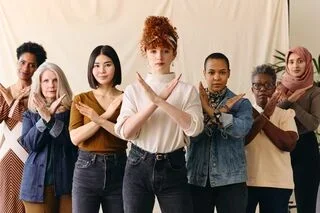
Despite persistent stigma, there’s good news. Cultures single life attitudes are shifting in many parts of the world. Several powerful forces are driving this change.
Economic Independence
As more women achieve financial independence, the economic necessity of marriage decreases. When people can support themselves, buy homes, and build lives on their own terms, marriage becomes a choice rather than a requirement.
This economic shift is particularly powerful in urban areas where career opportunities abound. Cities tend to be more accepting of diverse lifestyles, including singlehood.
Delayed Marriage as the New Normal
The average age of first marriage has risen dramatically across the developed world. In the United States, the average age is now around 30 for men and 28 for women — up from the early twenties just a few generations ago. In many European countries, it’s even higher.
This demographic shift means that single life in your late twenties and thirties is increasingly normal. The more people who experience extended singlehood, the less stigma it carries.
The Childfree Movement
A growing number of people are choosing not to have children, which removes one of the strongest arguments for marriage. When marriage and childbearing are no longer automatically linked, single life becomes a more viable long-term option.
Social media has amplified this movement, connecting childfree individuals and creating communities that validate this choice.
Celebrity and Media Representation
High-profile celebrities who embrace single life help normalize it for the general public. When successful, attractive, wealthy people publicly celebrate their unmarried status, it challenges the assumption that single people are somehow lacking.
Practical Strategies for Thriving as a Single Person
Living well as a single person in a marriage-obsessed world requires intentional effort. Here are practical strategies for building a fulfilling life regardless of your relationship status.
Build a Strong Social Network
Single people need robust social connections. Invest deeply in friendships, family relationships, and community involvement. Don’t wait for a romantic partner to fulfill all your social needs.
Join clubs, attend events, volunteer, and say yes to invitations. Your social life doesn’t have to revolve around couple activities.
Create Your Own Meaning and Purpose
Purpose doesn’t come from a relationship — it comes from within. Pursue goals that matter to you personally. Whether that’s career advancement, creative projects, travel, education, or community service, build a life that feels meaningful on its own terms.
Many people find that working through challenges — even difficult ones like restarting life after a breakdown — can actually deepen their sense of purpose and self-worth.
Set Boundaries with Judgmental People
Not everyone will understand or respect your single status. Learn to set firm boundaries with people who make insensitive comments or apply unwanted pressure.
You don’t owe anyone an explanation for your relationship status. Simple responses like “I’m happy with my life as it is” or “I’ll make that decision when I’m ready” can shut down intrusive questions.
Invest in Personal Growth
Use your single years for deep personal development. Therapy, self-help books, workshops, and new experiences can help you become the most fulfilled version of yourself. This investment pays dividends whether you eventually marry or remain single.
Financial Planning for One
Take control of your financial future. Build an emergency fund, invest for retirement, and create a budget that supports your goals. Financial security gives you freedom and options that make single life more comfortable and less stressful.
Embrace Solo Activities
Learn to enjoy your own company. Travel alone, eat at restaurants alone, go to movies alone, and pursue hobbies independently. The more comfortable you become with solo activities, the less you’ll feel like you’re missing out.
The Mental Health Impact of Single Life Stigma
The way society views unmarried people doesn’t just affect social interactions — it has real consequences for mental health. Understanding these impacts is crucial for protecting your well-being.
Internalized Shame
Constant exposure to marriage-positive messaging can lead single people to internalize negative beliefs about themselves. You might start to feel that something is genuinely wrong with you, even when you’re living a healthy, productive life.
Recognizing this internalized shame is the first step toward overcoming it. Your worth is not determined by your relationship status.
Loneliness vs. Being Alone
There’s an important difference between loneliness and being alone. Many married people feel lonely. Many single people feel deeply connected and fulfilled. The assumption that single people are inherently lonely is a stereotype that doesn’t hold up to scrutiny.
That said, isolation is a real risk for some single people, particularly as they age or if they live in communities with few social outlets for unmarried adults.
Depression and Anxiety
Research shows that stigma-related stress can contribute to depression and anxiety among single people. The constant pressure to couple up, combined with social exclusion from couple-oriented events, takes a toll.
If you’re struggling, seeking professional help is a sign of strength, not weakness. Therapy can provide tools for managing stigma-related stress and building resilience.
How to Respond to Common Questions About Your Single Status
Let’s be honest — dealing with other people’s questions about your relationship status is exhausting. Here are some common scenarios and how to handle them.
“Why are you still single?”
This question implies that being single is a problem with a cause. You can respond with humor (“Haven’t found anyone who can handle me yet”), directness (“I’m focused on other things right now”), or redirection (“I’m really enjoying where life is taking me”).
“Don’t you get lonely?”
This question projects the asker’s fears onto you. A good response might be: “Actually, I feel very connected to the people in my life. I don’t equate being alone with being lonely.”
“When are you going to settle down?”
“Settle down” implies that single life is chaotic or immature. You might respond: “I feel pretty settled already. I just happen to be settled without a partner.”
Avoiding the Holiday Interrogation
Family gatherings can be particularly challenging. Prepare responses in advance, change the subject gracefully, and remember that you don’t have to defend your life choices to anyone.
Finding Community and Support as a Single Person
You don’t have to navigate single life alone. Building community with like-minded people can transform your experience.
Online Communities
Social media groups, forums, and apps connect single people around the world. These communities provide validation, advice, and friendship for people who understand the unique challenges of single life.
Single-Friendly Events and Spaces
Many cities now offer events specifically designed for single adults — not dating events, but social gatherings, travel groups, and hobby clubs where being single is the norm rather than the exception.
Friendship as a Foundation
Deep, committed friendships can provide many of the same benefits as romantic partnerships — emotional support, companionship, shared experiences, and unconditional love. Invest in your friendships with the same energy you’d bring to a romantic relationship.
The Future of Single Life in Global Culture
Looking ahead, cultures single life will likely continue evolving. Several trends suggest that acceptance of singlehood will grow in the coming decades.
Declining marriage rates worldwide indicate that fewer people are following the traditional path. Economic pressures, changing gender roles, and shifting priorities all contribute to this trend.
Technology is creating new ways for single people to connect, build families, and find support outside traditional structures. Co-living arrangements, chosen families, and digital communities are redefining what it means to live a connected life.
As more people live fulfilling single lives, the stigma will continue to erode. Each person who confidently embraces singlehood makes it easier for the next person to do the same.
Conclusion
Cultures single life attitudes are complex, deeply rooted, and slowly changing. From the intense marriage pressure of Eastern societies to the growing acceptance in Western countries, how society views unmarried people varies enormously — but the trend is moving toward greater acceptance.
Being single is not a deficiency. It’s not a waiting room for real life to begin. It’s a complete, valid, and potentially deeply fulfilling way of living. The stigma around singlehood says more about cultural conditioning than it does about your worth or happiness.
Build the life you want. Surround yourself with people who celebrate you. Set boundaries with those who don’t. And remember that your relationship status is just one small part of who you are — not the definition of your existence.
Whether you’re single by choice, by circumstance, or by a combination of both, you have the power to create a life that feels rich, meaningful, and entirely your own.
