
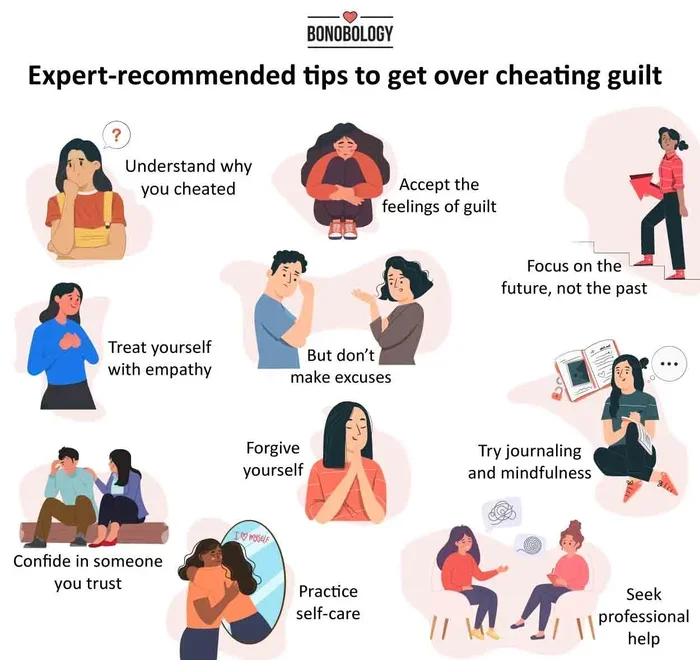
Coping with depression after cheating on someone is a heavy emotional journey that requires honesty, patience, and self-compassion. You may feel overwhelming guilt, shame, or confusion, but these feelings do not define your future. With the right support and healthy coping strategies, you can process your emotions, learn from this experience, and gradually rebuild a sense of peace.
Finding out you hurt someone you care about can shake your whole world. The weight of guilt, shame, and sadness can feel impossible to carry alone. When those feelings linger, they often turn into something heavier, and that is where coping with depression after cheating on someone becomes so important. You are not broken beyond repair. You are facing a painful moment that many people struggle through, and there are real ways to move forward with clarity and care.
This guide will walk you through practical, compassionate steps to handle the emotional fallout. You will learn how to process guilt in a healthy way, understand when sadness crosses into depression, and discover tools that help you rebuild trust in yourself and others. Healing is not about pretending nothing happened. It is about facing what happened, learning from it, and making steady choices that lead to a calmer mind.
Key Takeaways
- Acknowledge your emotions: Suppressing guilt or sadness only prolongs depression; facing feelings directly is the first step toward healing.
- Take responsibility without self-hatred: Owning your actions matters, but beating yourself up forever prevents real growth and repair.
- Seek professional support: Therapy or counseling provides a safe space to unpack complex emotions and develop healthier relationship patterns.
- Practice honest communication: If appropriate, transparent conversations with your partner can help both of you navigate the aftermath with clarity.
- Build healthy coping habits: Journaling, exercise, mindfulness, and routine create stability when emotions feel overwhelming.
- Learn from the experience: Understanding what led to cheating helps you make better choices and build stronger boundaries in the future.
- Give healing time: Recovery from guilt and depression is not instant; consistent small steps create lasting emotional change.
📑 Table of Contents
- Understanding Coping With Depression After Cheating On Someone
- The Psychology Behind Guilt and Relationship Betrayal
- Practical Steps for Coping With Depression After Cheating On Someone
- Rebuilding Trust and Navigating the Aftermath
- Healthy Coping Habits That Support Emotional Healing
- When to Seek Professional Support and Long-Term Recovery
- Conclusion
Understanding Coping With Depression After Cheating On Someone
The emotional aftermath of infidelity is messy for everyone involved. You may feel regret, confusion, embarrassment, or even numbness. These reactions are normal. What matters most is how you respond to them. Coping with depression after cheating on someone starts with recognizing that guilt and depression are not the same thing, even though they often show up together. Guilt says, “I did something wrong.” Depression says, “I am wrong, and nothing will get better.” Learning the difference can save you from spiraling.
Guilt Versus Depression: Knowing the Difference
Guilt usually comes and goes. It spikes when you remember what happened or imagine the other person’s pain. Depression lingers. It affects sleep, appetite, energy, and your ability to focus. If you notice persistent hopelessness, loss of interest in daily life, or thoughts that keep turning negative, it may be time to take your mental health more seriously. A therapist can help you sort through these feelings and figure out what kind of support you need.
Why the Emotional Fallout Hits So Hard
Cheating often shakes your self-image. You may question your values, your judgment, and your character. That inner conflict can trigger strong emotional reactions. You might also fear losing the relationship, facing confrontation, or dealing with the consequences of your choices. All of that pressure can create a heavy mental burden. When you add isolation, avoidance, or self-blame, the sadness can deepen quickly. Recognizing these layers helps you approach healing with more patience.
Quick Tips for Emotional Awareness
- Name what you feel instead of pushing it away.
- Write down your thoughts to reduce mental clutter.
- Notice when guilt turns into self-attack.
- Reach out to one trusted person instead of staying silent.
- Track sleep, meals, and energy to spot depression patterns.
The Psychology Behind Guilt and Relationship Betrayal
Human beings are wired for connection, so hurting someone we care about can feel deeply destabilizing. When trust breaks, your mind may replay the event over and over. This mental loop can make it hard to concentrate or feel at peace. Coping with depression after cheating on someone becomes more manageable when you understand why your brain keeps returning to the same painful thoughts.
The Role of Shame in Depression
Shame tells you that you are fundamentally flawed. Guilt says you made a mistake. Shame is much more damaging because it attacks your identity. If you keep telling yourself you are a bad person, depression has more fuel to grow. Shifting from shame to accountability can reduce that pressure. You can admit the mistake without defining your entire worth by it.
How Avoidance Makes Things Worse
Avoidance feels safer in the moment. You might dodge conversations, ignore messages, or distract yourself with work and screens. But avoidance usually increases anxiety and sadness over time. The unresolved feelings stay active underneath the surface. Facing the situation in small, manageable steps often reduces the emotional load more effectively than hiding from it.
Common Mistakes That Deepen the Pain
- Pretending the situation does not matter.
- Using alcohol or substances to numb the feelings.
- Blaming your partner to avoid personal responsibility.
- Isolating yourself instead of seeking support.
- Rushing to fix everything without processing emotions first.
Practical Steps for Coping With Depression After Cheating On Someone
Healing works best when you have a plan. You do not need to solve everything today. You only need to take the next healthy step. These strategies can help you steady your emotions and create space for recovery.
Start With Honest Self Reflection
Take a quiet moment to ask yourself what led to the choice you made. This is not about excusing the behavior. It is about understanding the pattern. Were you avoiding conflict? Seeking validation? Feeling disconnected? Struggling with impulse control? Clear self-reflection helps you see the situation more fully and reduces repeated mistakes.
Build a Simple Daily Routine
Depression thrives in chaos. A basic routine gives your mind something stable to hold onto. Try to keep consistent wake-up times, regular meals, short walks, and a bedtime routine. Even small structure can lower stress and improve mood over time.
Use Grounding Techniques When Emotions Spike
When guilt or sadness surges, grounding can help you stay present. Try these simple tools:
- Breathe slowly for one minute and count each exhale.
- Name five things you can see in the room.
- Feel your feet on the floor and notice the sensation.
- Repeat a calming phrase like, “I am handling this moment.”
- Step outside for fresh air and a change of scenery.
Expert Insights on Emotional Repair
Relationship experts often emphasize that real repair requires both accountability and emotional regulation. You cannot make healthy decisions when you are overwhelmed by panic or shame. Taking space to calm your nervous system helps you respond more thoughtfully. It also makes conversations more productive if you choose to address the situation with your partner.
Rebuilding Trust and Navigating the Aftermath
If your goal is to repair the relationship, trust must be addressed carefully. Trust is not rebuilt through one conversation. It grows through consistent behavior over time. Coping with depression after cheating on someone also means accepting that the other person may need time, distance, or clarity before they can decide what they want next.
Deciding What Kind of Conversation Is Needed
Not every situation calls for the same approach. Sometimes a calm, honest explanation helps. Other times, too much detail can create more pain. Think about what your partner needs to feel informed and respected. Keep the conversation focused on truth, accountability, and next steps rather than defensiveness.
Respect Boundaries During the Healing Process
The person you hurt may need space to process their own emotions. They may feel anger, confusion, or grief. Respect that process even if it feels uncomfortable. Pushing for quick forgiveness often backfires. Giving room for honest healing can create a healthier path forward, whether that leads to reconciliation or separation.
When Reconciliation May Be Possible
Reconciliation can work when both people are willing to engage honestly. It usually requires transparency, patience, and a shared commitment to understanding what went wrong. If you want to rebuild, be prepared to show consistency over time. Words matter, but actions matter more.
When Distance May Be the Healthier Choice
Sometimes the healthiest outcome is separation. If the relationship is unsafe, highly toxic, or no longer aligned with either person’s values, moving on may be the most responsible choice. Ending things with honesty and respect can still be part of a mature response to what happened.
Healthy Coping Habits That Support Emotional Healing
Your daily habits shape your mental health more than you might think. When you are dealing with heavy feelings, small supportive routines can make a real difference. These habits do not erase the past, but they help your mind and body recover more steadily.
Journaling for Clarity and Release
Writing can help you organize racing thoughts. Try short entries that focus on what you feel, what you learned, and what you plan to do next. Journaling is not about judging yourself. It is about giving your emotions a place to land so they do not stay trapped in your head.
Movement and Sleep as Mood Support
Exercise does not need to be intense to help. A daily walk, stretching, or light activity can improve energy and reduce stress. Sleep matters too. Poor sleep can intensify sadness and irritability. Protect your rest as much as possible, especially during emotionally difficult periods.
Mindfulness and Self-Compassion
Mindfulness helps you observe thoughts without letting them take over. Self-compassion helps you stay honest without becoming cruel to yourself. Try speaking to yourself the way you would speak to a friend who is struggling and wants to do better. That shift can reduce depression’s harsh inner voice.
Common Mistakes to Avoid During Healing
- Rushing into a new relationship before processing the last one.
- Using distractions to avoid all painful feelings.
- Repeating the same patterns without examining them.
- Assuming you deserve punishment instead of growth.
- Handling everything alone when support is available.
When to Seek Professional Support and Long-Term Recovery
Sometimes self-help is not enough, especially if depression is affecting your daily functioning. A therapist, counselor, or support group can help you work through guilt, trauma responses, and relationship patterns in a safe setting. Coping with depression after cheating on someone is not a sign of weakness. It is a sign that you are ready to take your emotional health seriously.
Signs It May Be Time to Get Help
Consider professional support if you notice any of the following:
- Persistent sadness that does not lift over time.
- Trouble sleeping or eating for several days or weeks.
- Feeling numb, hopeless, or disconnected from life.
- Repeated intrusive thoughts that disrupt focus.
- Difficulty functioning at work, school, or home.
- Using harmful behaviors to cope with the pain.
What Support Can Look Like
Therapy can help you understand your choices without living in shame. It can also teach you skills for emotional regulation, honest communication, and healthier relationship habits. If you prefer a less formal option, talking with a trusted mentor, joining a support group, or working with a counselor through a community program may also help. The goal is to find a space where you can be honest and learn from the experience.
Key Takeaways for Long-Term Growth
Healing is not only about feeling better. It is also about becoming more aware, more accountable, and more intentional. Over time, you can turn a painful mistake into a turning point. That does not mean the hurt disappears overnight. It means you keep moving in a healthier direction, one choice at a time.
Conclusion
Coping with depression after cheating on someone is a difficult but meaningful process. You do not have to pretend the pain is small. You do not have to carry it alone forever, either. By facing your feelings, understanding the difference between guilt and depression, and building healthy daily habits, you can create a path toward steadier emotions and clearer decisions. Accountability, patience, and support can help you grow through this experience instead of getting stuck in it.
The most important thing to remember is that your past choice does not have to control your future. You can learn from this moment, make better decisions going forward, and rebuild a sense of self-respect. Healing takes time, but each honest step counts. Keep going, stay compassionate with yourself, and reach for the support that helps you move toward a healthier, more balanced life.
Frequently Asked Questions
Why do I feel so depressed after cheating on someone?
You may feel depressed because guilt, shame, and fear can overwhelm your sense of self-worth and safety. When your actions conflict with your values, it can create intense emotional distress that lingers if it is not processed. Speaking with a therapist or trusted support person can help you sort through the feelings and reduce the weight you are carrying.
How long does guilt and depression usually last after infidelity?
There is no fixed timeline because everyone processes betrayal differently. Some people feel relief after honest reflection and repair, while others need more time to work through shame and regret. If the sadness stays intense for weeks or starts affecting sleep, appetite, or daily functioning, professional support can be very helpful.
Should I tell my partner everything to help myself feel better?
Honesty matters, but it should be handled with care and respect for the other person’s emotional safety. Sharing every painful detail just to relieve your own guilt can cause more harm. A thoughtful, truthful conversation focused on accountability and next steps is usually more constructive than oversharing trauma.
Can I still repair the relationship after cheating?
Yes, reconciliation is possible in some cases, but it depends on both people’s willingness to be honest, patient, and consistent. Repair usually requires transparency, time, and a real effort to understand what went wrong. It also requires accepting that the other person may need space before they can consider rebuilding trust.
What are healthy ways to cope when guilt feels overwhelming?
Try grounding exercises, journaling, regular sleep, light movement, and talking with a supportive person. Break the day into small tasks so you do not feel flooded by everything at once. If guilt keeps turning into self-hatred, a counselor can help you shift from shame to responsibility and healing.
When should I seek professional help for depression after cheating?
Seek help if your low mood lasts a long time, gets worse, or starts interfering with work, relationships, sleep, or basic self-care. Reach out especially if you feel hopeless, disconnected, or tempted to use harmful coping habits. Professional support can give you tools to process the experience and protect your mental health.
