
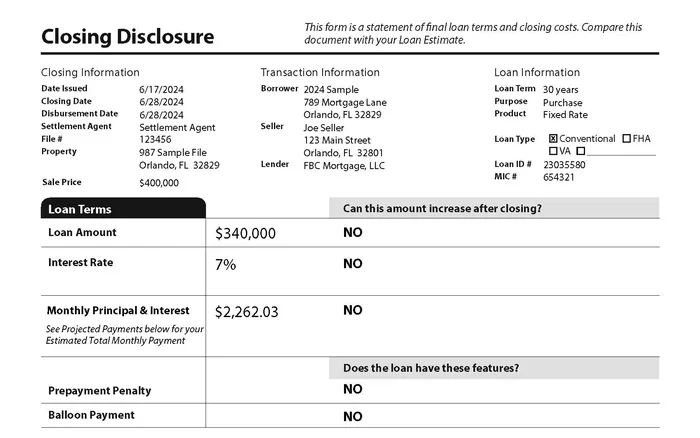
Can you roll your closing costs into your mortgage? Yes, in many cases you can, but it depends on your loan type and lender rules. Rolling these costs into your loan means higher monthly payments over time, so you need to weigh the short-term relief against long-term expense. This guide breaks down exactly how it works and what to watch for before you sign.
Buying a home is exciting until you see the closing costs. These fees can feel like a surprise bill on top of your down payment. Many buyers ask the same question: can you roll your closing costs into your mortgage? The short answer is yes, in many cases you can. But the real answer is a bit more nuanced. It depends on your loan program, your lender, and how much equity you have in the deal.
Financing closing costs can make sense when cash is tight. It helps you move forward without draining your savings. But it also means you borrow more money, and that extra amount costs you over time. In this guide, we will walk through how rolling closing costs works, which loans allow it, and what trade-offs you should expect. You will also learn simple ways to lower your upfront fees so you can keep more cash in your pocket.
Key Takeaways
- Rolling costs is possible: Many lenders allow you to finance closing costs into your mortgage balance instead of paying cash upfront.
- Loan type matters: FHA, VA, and conventional loans each have different rules about what costs can be rolled in.
- You pay more interest: Financing closing costs increases your loan amount, which means you pay interest on those costs for years.
- Monthly payments rise: A larger loan balance leads to higher monthly payments, so check your budget carefully.
- Cash-to-close drops: Rolling costs helps buyers who have limited cash saved for the down payment and fees.
- Compare lender options: Some lenders offer lender credits or no-closing-cost loans that trade a higher rate for lower upfront fees.
- Run the numbers: Always compare the total cost over the life of the loan before deciding to roll closing costs into your mortgage.
📑 Table of Contents
What Closing Costs Really Include
Before you decide to finance these fees, you need to know what you are actually paying for. Closing costs are the fees and expenses that come with finalizing a home purchase. They are separate from your down payment. They cover services from lenders, title companies, inspectors, and local governments.
Here are the most common items you will see on a closing disclosure:
- Loan origination fee: The lender charges this for processing your mortgage application.
- Appraisal fee: A professional appraiser estimates the home value for the lender.
- Title search and title insurance: These protect you and the lender from ownership disputes.
- Recording fees: Local offices charge to file the deed and mortgage documents.
- Prepaid items: These include property taxes, homeowners insurance, and sometimes mortgage insurance.
- Escrow or settlement fee: The closing agent charges for coordinating the transaction.
The total can vary a lot by location, loan type, and property value. In many markets, closing costs run roughly two to five percent of the purchase price. On a $300,000 home, that could mean $6,000 to $15,000 in fees. That is a big chunk of change, especially for first-time buyers.
Why These Costs Feel So Heavy
The hardest part is often the timing. You usually need to bring these funds to the table on top of your down payment. If you have been saving for a down payment, the extra fees can feel like a setback. That is why so many buyers want to know can you roll your closing costs into your mortgage instead of paying them out of pocket.
Another challenge is that some costs are non-negotiable. Government recording fees and third-party services are often fixed. Other costs, like lender fees, may have room for discussion. Understanding the difference helps you focus your energy on the fees you can actually influence.
Can You Roll Your Closing Costs Into Your Mortgage
This is the core question, and the answer is: it depends. In many cases, you can add closing costs to your loan balance rather than paying them in cash. This is often called financing closing costs or rolling them into the mortgage. The lender increases your loan amount to cover some or all of the fees. You then pay those costs over time through your monthly payment.
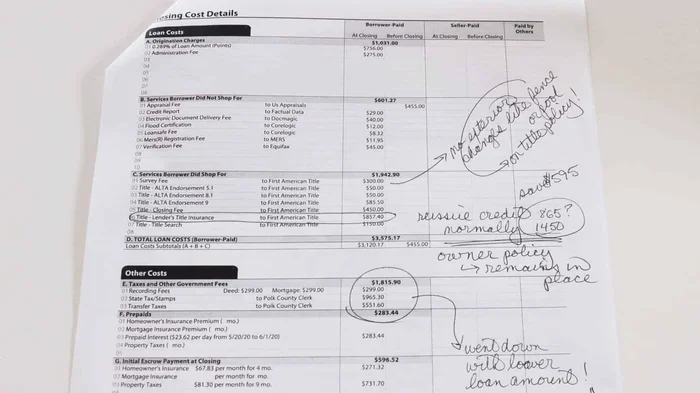
Visual guide about home mortgage closing documents
Image source: cdn.hometipsforwomen.com
There is an important catch. You usually cannot finance every single cost. Some fees must be paid at closing because of lender rules, investor guidelines, or local law. The exact list depends on your loan program. Your loan officer can show you which costs are eligible for financing and which ones need cash.
How Financing Closing Costs Works
Think of it this way. Instead of writing a check for $8,000 in closing costs, you borrow that amount as part of your mortgage. Your loan balance goes up by that amount, and your monthly payment rises a bit. Over the life of the loan, you also pay interest on the financed costs.
For example, imagine you are buying a home for $300,000 with a loan amount of $270,000. If you finance $8,000 in closing costs, your new loan balance might be $278,000. That extra $8,000 will add to your monthly payment and increase the total interest you pay over time. The exact impact depends on your rate, your loan term, and how long you plan to keep the home.
When Rolling Costs Makes Sense
Financing closing costs can be a smart move in a few situations. It often helps when you have limited cash saved but enough income to handle a slightly higher payment. It can also help when you plan to stay in the home for a shorter period and want to preserve cash for moving costs or repairs.
Here are some common scenarios where buyers consider this option:
- Tight cash reserves: You have enough for the down payment but not much left for fees.
- First-time buyers: You are using most of your savings to buy your first home.
- Investment or rental properties: You want to keep cash available for future repairs or vacancies.
- Refinancing: You want to lower your rate without bringing cash to closing.
Even when it makes sense, you should still compare the total cost. A lower cash requirement today can mean a higher total cost over the life of the loan. That is why it helps to run the numbers both ways.
Loan Types and Their Rules
Not every loan handles closing costs the same way. Your options depend heavily on whether you are using a conventional loan, an FHA loan, a VA loan, or another program. Each loan has different guidelines about what can be financed and what must be paid upfront.
Visual guide about home mortgage closing documents
Image source: goodlifehomeloans.com
Conventional Loans
Conventional loans are not insured by the federal government. They follow guidelines set by Fannie Mae and Freddie Mac. On a conventional purchase, you can sometimes roll certain closing costs into the loan if the home appraises for enough value. This usually works best when the loan-to-value ratio stays within program limits.
Conventional loans also offer another option: lender credits. With lender credits, the lender pays some of your closing costs in exchange for a slightly higher interest rate. This lowers your cash to close without increasing your loan balance as much. It is a different way to solve the same problem, so it is worth comparing both paths.
FHA Loans
FHA loans are popular with first-time buyers because they allow smaller down payments. They also have specific rules about closing costs. Some costs can be financed into the base loan amount, while others must be paid at closing. The FHA also allows the seller to pay a portion of the buyer’s closing costs, which can reduce your cash requirement.
If you are asking can you roll your closing costs into your mortgage through an FHA loan, the answer is often yes for certain fees. But you still need to stay within FHA limits. Your loan officer can explain which costs are eligible and how the seller contribution rules work in your situation.
VA Loans
VA loans are available to eligible service members, veterans, and some surviving spouses. These loans often require no down payment, which makes cash management especially important. VA loans allow some closing costs to be financed, and they also limit certain fees that lenders can charge.
Another helpful feature is the seller concession allowance. The seller can contribute toward your closing costs within VA limits. This can lower the amount you need to finance or pay out of pocket. If you qualify for a VA loan, it is worth asking how the program handles fees and what costs can be rolled in.
Other Loan Programs
Some state and local programs offer special assistance for buyers. These may include down payment help or fee assistance. In other cases, a USDA loan or a specialty first-time buyer program may change how costs are handled. The key is to ask your lender what is allowed in your specific situation.
The Trade-Offs of Financing Closing Costs
Rolling costs into your mortgage can ease the pressure at the closing table. But every choice has trade-offs. Before you decide, look at the full picture, not just the cash you need today.
Visual guide about home mortgage closing documents
Image source: newhomesalberta.ca
Higher Monthly Payments
When you finance closing costs, your loan balance grows. A larger balance usually means a higher monthly payment. Even a small increase can matter if your budget is tight. You should always check how the new payment fits your monthly cash flow.
More Interest Over Time
Borrowed money costs money. When you roll closing costs into your loan, you pay interest on those costs for as long as they stay in the balance. On a 30-year loan, that can add up. If you plan to sell or refinance soon, the long-term impact may be smaller. If you plan to stay for many years, the extra interest becomes more important.
Less Equity at the Start
Financing fees means you start with a higher loan balance relative to the home value. That can reduce your initial equity position. This matters if you want to refinance later or if the market shifts. Having more equity can also help you qualify for better terms in the future.
Quick Tip: Compare Total Cost, Not Just Cash to Close
It is easy to focus only on the money you need at the table. But the better comparison is the total cost over time. Look at the monthly payment, the total interest, and the expected time you will keep the loan. If you move or refinance soon, financing costs may be less painful. If you stay long term, paying some costs now may save you more later.
Smart Ways to Lower Your Closing Costs
If you do not want to roll everything into your mortgage, there are other ways to reduce what you pay. Some strategies lower the actual fees. Others shift who pays them. A good plan often uses more than one approach.
Shop More Than One Lender
Lender fees can vary. Two lenders may offer similar rates but charge very different origination or processing fees. Getting multiple quotes gives you leverage and clarity. It also helps you spot a lender that is charging more than necessary for items that are competitive.
Ask About Lender Credits
Lender credits can reduce your cash to close. In return, you accept a slightly higher rate. This can be a good deal if you want to keep cash available and do not plan to keep the loan for decades. It is also a useful alternative when you want to avoid a bigger loan balance.
Use Seller Concessions
In many markets, sellers can contribute toward a buyer’s closing costs. The allowed amount depends on the loan type and other terms. This can be especially helpful when the seller is motivated or when the home has been on the market for a while. Your agent can help you structure an offer that asks for assistance without hurting your chances.
Review the Closing Disclosure Carefully
Before you sign, review the closing disclosure line by line. Look for duplicate charges, unexpected fees, or services you did not request. Some fees are fixed, but others may have room for questions. If something looks off, ask for an explanation right away.
Common Mistakes to Avoid
Buyers sometimes focus so much on the rate that they ignore the fees. Others assume all closing costs can be financed. Here are a few mistakes that can cost you:
- Assuming every fee is financeable: Some costs must be paid in cash, no matter what loan you choose.
- Ignoring the rate trade-off: Lender credits and no-closing-cost options often come with a higher rate.
- Not comparing quotes: You may miss better fee structures if you only talk to one lender.
- Overlooking seller help: Seller concessions can reduce your cash needs, but many buyers forget to ask.
- Failing to plan for prepaid items: Taxes and insurance prepays can be a big part of cash to close.
How to Decide What Is Right for You
The best choice depends on your goals, your timeline, and your budget. There is no single answer that works for everyone. What matters is that you make the decision with clear numbers and a realistic plan.
Start by asking yourself a few simple questions. How much cash do you have available after the down payment? How long do you expect to keep the home? Can you comfortably afford a slightly higher monthly payment? Would you rather preserve cash now or save on total interest later?
A Simple Comparison Framework
When you compare options, look at three things together: cash to close, monthly payment, and total cost over your expected time in the home. This gives you a fuller picture than any single number alone.
| Option | Cash to Close | Monthly Payment | Best For |
|---|---|---|---|
| Pay closing costs upfront | Higher | Lower | Buyers who want lower long-term cost |
| Roll closing costs into the loan | Lower | Higher | Buyers who need to preserve cash now |
| Lender credits | Lower | Higher rate, different payment shape | Buyers who want less cash and accept a rate trade-off |
| Seller concessions | Lower | Depends on loan terms | Buyers in markets where sellers can contribute |
This table is a simple starting point. Your actual numbers will depend on your loan amount, rate, term, and local fees. Still, it shows the general trade-off. Paying now usually lowers the long-term cost. Financing now usually lowers the cash needed at the table.
Expert Insight: Think in Terms of Time
One of the biggest factors is time. If you move or refinance within a few years, the extra interest from rolled-in costs may not matter much. If you stay for the long haul, those costs have more time to grow. That is why your expected ownership timeline should guide your decision.
It also helps to think about your overall financial picture. If using your cash for closing costs would leave you with no emergency fund, financing some costs may be the safer choice. On the other hand, if you have plenty of reserves, paying fees upfront may be the more efficient path.
Final Thoughts on Rolling Closing Costs
So, can you roll your closing costs into your mortgage? In many cases, yes, but not always completely. The exact answer depends on your loan program, your lender, and the specific fees in your transaction. Financing closing costs can help you buy a home with less cash upfront. It can also raise your monthly payment and increase the total interest you pay over time.
The smartest approach is to compare your options carefully. Look at cash to close, monthly payment, and total cost. Ask about lender credits, seller concessions, and fee reductions. Then choose the path that fits your budget and your plans. If you take the time to run the numbers, you will be in a much stronger position at the closing table.
Frequently Asked Questions
Can you roll all closing costs into your mortgage?
Not always. Some fees must be paid at closing because of lender rules or local requirements. Your loan officer can tell you which costs are eligible to be financed.
Does rolling closing costs increase your monthly payment?
Yes, usually. Financing those costs raises your loan balance, which typically increases your monthly payment. The exact amount depends on your rate and loan term.
Is it better to pay closing costs upfront or finance them?
It depends on your cash situation and how long you plan to keep the loan. Paying upfront often lowers long-term cost, while financing helps when cash is tight.
Can seller concessions cover closing costs?
Often they can, within limits set by your loan program. Seller contributions can reduce the amount you need to pay out of pocket or finance.
What are lender credits and how do they work?
Lender credits are when the lender pays some of your closing costs in exchange for a higher interest rate. This can lower your cash to close without increasing your loan balance as much.
Should first-time buyers roll closing costs into the loan?
It can be helpful if cash is limited, but it is not always the best choice. First-time buyers should compare financing, lender credits, and seller help before deciding.