
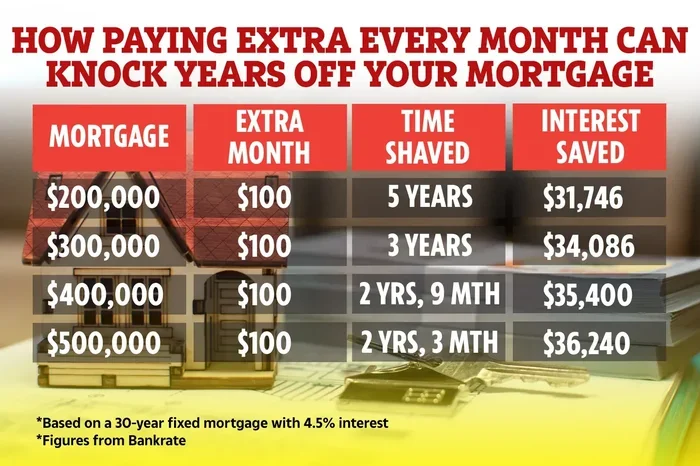
Paying more than your scheduled mortgage amount is not only allowed, it is one of the smartest financial moves you can make. Extra payments go straight to your principal balance, which lowers the total interest you pay over time. Even small additional amounts each month can shave years off your loan. Always check your loan terms first to avoid any prepayment penalties.
Key Takeaways
- Extra payments reduce principal: Paying more than your required monthly mortgage payment lowers your loan balance faster.
- Interest savings are significant: Even one extra payment per year can save you thousands in interest over the life of the loan.
- Check for prepayment penalties: Some lenders charge fees for early payoff, so review your loan agreement first.
- Specify principal-only payments: Tell your lender that extra funds should go toward principal, not future interest.
- Biweekly payments work well: Switching to a biweekly schedule creates an extra full payment each year without straining your budget.
- Recast options exist: Some lenders let you recast your mortgage after a large lump sum payment to lower monthly costs.
- Keep an emergency fund: Do not drain your savings to pay down your mortgage faster. Balance debt reduction with financial security.
📑 Table of Contents
- Can You Pay More Than Your Monthly Mortgage Payment
- Why Paying Extra on Your Mortgage Makes Sense
- How Extra Payments Reduce Your Loan Balance
- How to Make Extra Mortgage Payments Correctly
- Biweekly Payment Plans Explained
- Lump Sum Payments and Mortgage Recasting
- Prepayment Penalties and Loan Restrictions
- Balancing Mortgage Paydown With Other Financial Goals
- Common Mistakes When Paying Extra on Your Mortgage
- Expert Insights on Mortgage Paydown Strategies
- Comparison Table: Extra Payment Strategies
- How to Stay Motivated During Your Mortgage Paydown Journey
- Final Thoughts on Paying More Than Your Monthly Mortgage Payment
Can You Pay More Than Your Monthly Mortgage Payment
Most homeowners wonder if they can pay more than their scheduled mortgage amount. The short answer is yes. Lenders generally allow borrowers to make additional payments toward their home loan. You can add a little extra to each monthly payment or make a lump sum payment whenever you have extra cash. This simple habit can change your financial future in a big way.
Many people stick to the minimum payment because it feels safe. They worry that paying extra might cause problems with their lender. In reality, most mortgage contracts welcome early payments. The key is to understand how your loan works and how to direct those extra funds properly. When you know the rules, you can use your mortgage as a tool to build wealth faster.
Why Paying Extra on Your Mortgage Makes Sense
Visual guide about paying extra mortgage payment
Image source: investinganswers.com
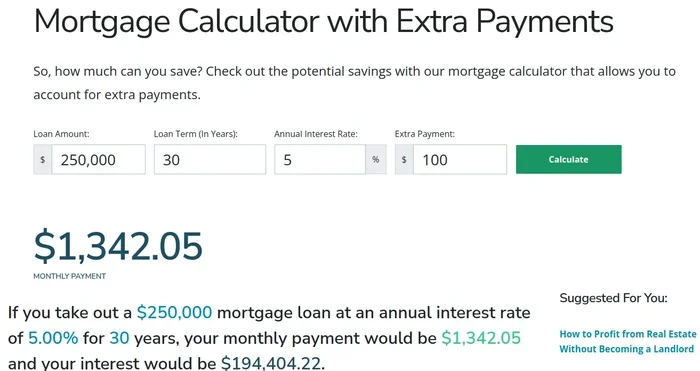
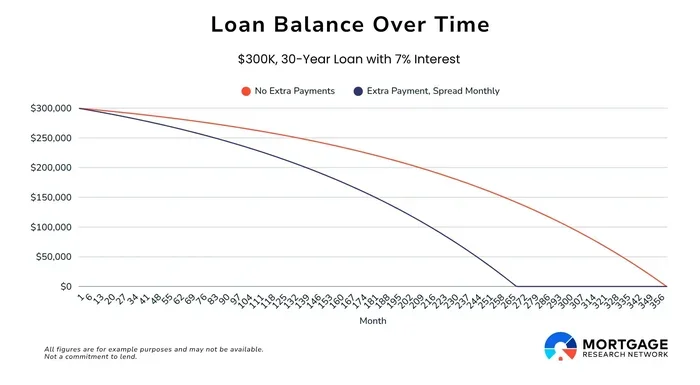
Paying more than your required amount helps you save money on interest. Mortgages are long-term loans, and interest adds up quickly over thirty years. When you reduce your principal balance early, you lower the amount of interest that accrues each month. This creates a snowball effect that speeds up your payoff timeline.
How Extra Payments Reduce Your Loan Balance
Visual guide about paying extra mortgage payment
Image source: storage.googleapis.com
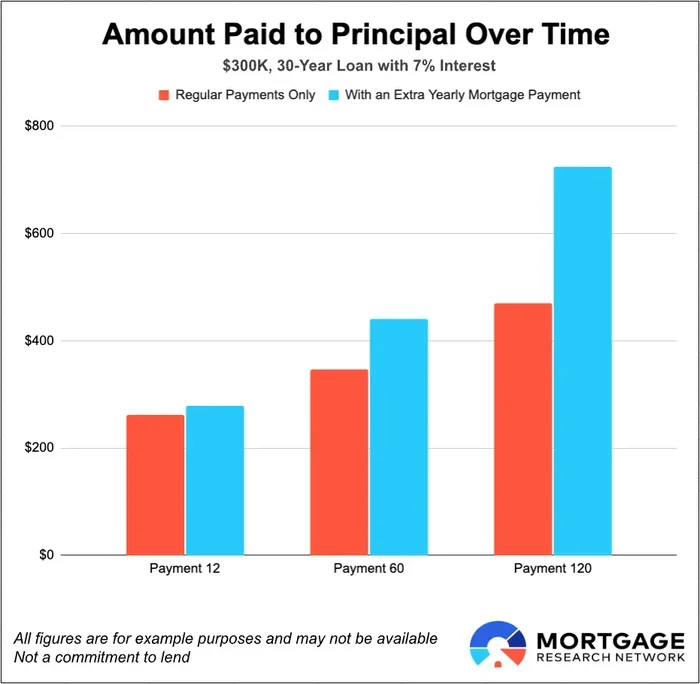
Every mortgage payment splits into two parts. One part covers interest, and the other part reduces your principal. Early in your loan, most of your payment goes toward interest. As your balance drops, more of your payment goes toward principal. When you pay extra, you skip the interest step and push more money directly into principal reduction.
The Math Behind Principal Reduction
Imagine you owe two hundred thousand dollars on a thirty-year loan. Your interest rate is six percent. Your monthly payment is about twelve hundred dollars. If you add just one hundred dollars extra each month, you could save over forty thousand dollars in interest. You would also pay off your loan several years early. The numbers grow even better when you increase the extra amount.
Compound Savings Over Time
The earlier you start paying extra, the bigger your savings become. Extra payments in the first five years of your loan create the largest impact. That is because your balance is highest at the beginning. Each extra dollar you put in during those early years works harder for you. Later in the loan, your balance is lower, so the interest savings are smaller.
How to Make Extra Mortgage Payments Correctly
Visual guide about paying extra mortgage payment
Image source: storage.googleapis.com
You cannot just throw extra money at your lender and hope it goes to the right place. You need a clear plan. Lenders have different systems for handling additional payments. Some apply extra funds to your next month’s payment automatically. Others let you choose how the money is used. You must tell them what you want.
Specify Principal-Only Payments
Always mark your extra payment as principal-only. This tells the lender to apply the funds directly to your loan balance. If you do not specify this, the lender might hold the money as a credit for future payments. That does not help you save on interest. Write principal-only on your check or select the option in your online portal.
Choose Your Payment Strategy
There are several ways to pay extra on your mortgage. You can add a fixed amount to every monthly payment. You can make one extra full payment each year. You can switch to a biweekly payment schedule. You can also make a large lump sum payment when you receive a bonus or tax refund. Pick the method that fits your budget and cash flow.
- Monthly extra payment: Add a set amount to each regular payment.
- Annual extra payment: Make one additional full payment per year.
- Biweekly payments: Pay half your monthly amount every two weeks.
- Lump sum payments: Apply large windfalls directly to principal.
Biweekly Payment Plans Explained
A biweekly payment plan is a popular way to pay down a mortgage faster. Instead of paying once a month, you pay half your monthly amount every two weeks. Since there are fifty-two weeks in a year, you make twenty-six half payments. That equals thirteen full payments per year. You get one extra payment without feeling a big pinch in your budget.
How Biweekly Payments Save You Money
The extra payment each year goes straight to your principal. Over time, this reduces your loan balance faster than the standard monthly schedule. Many borrowers save thousands in interest and finish their loan two to four years early. Some lenders offer biweekly payment services for a small fee. You can also set this up on your own by dividing your monthly payment in half and paying every two weeks.
Things to Watch Out For
Not all lenders handle biweekly payments the same way. Some simply hold your half payment until the full month is complete. That means you do not get the extra payment benefit. Ask your lender how they process biweekly payments before you commit. If they do not offer true biweekly processing, you can still create the effect yourself by making an extra payment each year.
Lump Sum Payments and Mortgage Recasting
Sometimes you come into a large sum of money. You might get a bonus, an inheritance, or a big tax refund. Applying that money to your mortgage can make a huge difference. A lump sum payment drops your principal balance immediately. This lowers your interest costs and can shorten your loan term.
What Is Mortgage Recasting
Recasting is a lesser-known option that some lenders offer. After you make a large lump sum payment, you can ask your lender to recast your loan. Recasting keeps your original interest rate and loan term but recalculates your monthly payment based on the new lower balance. Your monthly payment drops, but you still pay off the loan on the same schedule. This is different from refinancing because it usually costs very little and does not require a credit check.
When Recasting Makes Sense
Recasting works well if you want lower monthly payments without changing your loan terms. It is also useful if you plan to stay in your home for a long time. You keep your current rate and avoid closing costs. However, not all lenders allow recasting. Government-backed loans like FHA and VA loans often do not qualify. Check with your servicer to see if this option is available.
Prepayment Penalties and Loan Restrictions
Before you start paying extra, you need to check your loan documents. Some mortgages include prepayment penalties. These are fees that lenders charge if you pay off your loan too quickly. Prepayment penalties are more common in certain loan types and older contracts. They are designed to protect the lender’s expected interest income.
How to Check for Penalties
Read your original loan agreement carefully. Look for sections about prepayment, early payoff, or penalty fees. You can also call your loan servicer and ask directly. Ask if there is a penalty for paying extra or paying off the loan early. If a penalty exists, calculate whether your interest savings outweigh the fee. In many cases, the savings still win, but you need to know the numbers.
Loan Types and Extra Payments
Most conventional loans allow extra payments without penalties. Government-backed loans like FHA, VA, and USDA loans also typically allow early payments. Some non-conforming or subprime loans may have stricter rules. If you are unsure about your loan type, review your closing documents or speak with a mortgage professional. Knowing your loan terms protects you from surprise charges.
Balancing Mortgage Paydown With Other Financial Goals
Paying extra on your mortgage is a great goal, but it should not come at the expense of other priorities. You need to look at your whole financial picture. High-interest debt, emergency savings, and retirement contributions often matter more than extra mortgage payments. A balanced approach helps you build wealth in multiple areas at once.
Emergency Fund First
Before you send extra money to your lender, make sure you have a solid emergency fund. Aim for three to six months of living expenses in a separate savings account. This fund protects you if you lose your job, face a medical bill, or need urgent home repairs. Draining your savings to pay down your house can leave you vulnerable.
High-Interest Debt Comes First
If you carry credit card debt or personal loans with high interest rates, tackle those first. Mortgage rates are usually lower than credit card rates. Paying off a twenty percent credit card gives you a better return than paying extra on a six percent mortgage. Use the debt avalanche or debt snowball method to clear expensive debt quickly.
Retirement Savings Matter Too
Do not skip your retirement contributions to pay down your home faster. Employer matches and tax-advantaged accounts help your money grow over time. Missing out on compound growth in your retirement accounts can cost you much more than the interest you save on your mortgage. Aim to fund your retirement first, then use extra cash for your mortgage.
Common Mistakes When Paying Extra on Your Mortgage
Many homeowners make simple errors when they try to pay down their mortgage faster. These mistakes can slow your progress or cause confusion with your lender. Avoiding them keeps your strategy on track.
Not Specifying Principal-Only
One of the most common mistakes is forgetting to mark your payment as principal-only. Lenders may apply extra funds to your next scheduled payment instead. That means your money sits as a credit and does not reduce your interest. Always confirm how your extra payment will be applied.
Stopping Extra Payments Too Soon
Some people start strong and then stop when money gets tight. Consistency matters more than perfect timing. Even small extra payments add up over time. If you must reduce your extra amount, keep paying something rather than nothing. A smaller ongoing extra payment still moves you forward.
Ignoring Other Financial Priorities
Another mistake is putting every extra dollar into your mortgage while ignoring other needs. You might need to fix your car, cover medical costs, or save for your children’s education. Keep a flexible budget. Use extra mortgage payments as one part of a broader financial plan, not the only focus.
Expert Insights on Mortgage Paydown Strategies
Financial experts often recommend a balanced approach to extra mortgage payments. They suggest comparing your mortgage rate to other investment returns. If your mortgage rate is low, investing extra money might earn more over time. If your rate is high, paying down the loan gives a guaranteed return. The best choice depends on your numbers and your comfort with risk.
The Guaranteed Return Argument
Paying extra on your mortgage gives you a guaranteed return equal to your interest rate. There is no market risk. You know exactly how much interest you will save. For many people, this certainty feels better than investing in the stock market. It also builds equity faster, which can help if you plan to sell or refinance later.
The Investment Opportunity Argument
Some experts argue that you should invest extra money instead of paying down a low-rate mortgage. If your loan rate is three percent and the market returns seven percent on average, investing could grow your wealth faster. This approach works best for people with stable incomes, good discipline, and a long time horizon. It also keeps your cash more liquid than home equity.
Comparison Table: Extra Payment Strategies
Below is a quick comparison of common ways to pay more than your monthly mortgage payment. Each method has different benefits and trade-offs.
| Strategy | How It Works | Best For | Potential Savings |
|---|---|---|---|
| Monthly extra amount | Add a fixed dollar amount to each payment | Borrowers with steady monthly cash flow | High over long term |
| One extra payment per year | Make a full extra payment once a year | People who get annual bonuses or tax refunds | Moderate to high |
| Biweekly payments | Pay half the monthly amount every two weeks | Borrowers who want an automatic extra payment | Moderate to high |
| Lump sum payments | Apply large windfalls directly to principal | Those who receive bonuses, inheritances, or refunds | Very high if amount is large |
| Mortgage recasting | Recalculate monthly payment after a large payment | Borrowers who want lower monthly costs | Lower payments, same term |
How to Stay Motivated During Your Mortgage Paydown Journey
Paying off a mortgage takes time, and it is easy to lose motivation. Set clear goals and track your progress. Celebrate small wins along the way. Each extra payment brings you closer to owning your home free and clear. That feeling of progress can keep you going when the journey feels long.
Set Specific Milestones
Break your loan into smaller goals. For example, aim to reduce your balance by ten thousand dollars, then twenty thousand, then fifty thousand. Write these milestones down and mark them on a chart or spreadsheet. Seeing your balance drop gives you a visual reward for your effort.
Automate When Possible
Automation removes the need for willpower. Set up automatic extra payments through your lender’s portal. If you use a biweekly schedule, arrange it so the payments happen without you thinking about them. When the process is automatic, you are more likely to stick with it.
Review Your Progress Yearly
Take time once a year to review your mortgage payoff plan. Check your remaining balance, your interest savings, and your timeline. Adjust your extra payment amount if your income changes. A yearly review keeps your strategy aligned with your current life situation.
Final Thoughts on Paying More Than Your Monthly Mortgage Payment
Paying more than your required mortgage amount is a powerful way to save money and gain financial freedom. You can choose from several strategies, including monthly extras, biweekly payments, annual lump sums, and recasting. The best method depends on your budget, your loan terms, and your other financial goals. Always specify principal-only payments, check for prepayment penalties, and keep your emergency fund intact. When you balance mortgage paydown with retirement savings and high-interest debt repayment, you build a stronger financial future. Start with a small extra amount if you need to, and increase it as your budget allows. Every extra dollar brings you closer to a mortgage-free life.
Frequently Asked Questions
Can I pay more than my monthly mortgage payment without penalty?
Most conventional mortgages allow extra payments without any penalty. You should still review your loan agreement or call your servicer to confirm. Some loans may have prepayment penalties, especially older or non-standard contracts.
Will extra payments automatically go toward my principal?
Not always. Many lenders apply extra funds to your next scheduled payment unless you specify otherwise. Always mark your payment as principal-only or select that option in your online portal. This ensures the money reduces your loan balance directly.
How much can I save by paying extra on my mortgage?
Your savings depend on your loan balance, interest rate, and how much extra you pay. Even one extra payment per year can save thousands in interest and shorten your loan term by several years. Use an online mortgage calculator to see your exact numbers.
Is it better to pay extra on my mortgage or invest the money?
It depends on your mortgage rate and your investment returns. Paying extra gives you a guaranteed return equal to your interest rate. Investing may earn more over time but carries market risk. Compare your numbers and choose the option that fits your goals and comfort level.
What is mortgage recasting and how does it work?
Recasting lets you lower your monthly payment after making a large lump sum payment. Your interest rate and loan term stay the same, but your payment is recalculated based on the new lower balance. Not all lenders offer recasting, and some loan types do not qualify.
Should I stop contributing to retirement to pay down my mortgage faster?
Generally, no. Retirement accounts often provide better long-term growth and tax advantages. It is usually smarter to fund your retirement first, then use extra cash for mortgage paydown. A balanced plan protects your future while still reducing your debt.
