
Can you make principal only payments on mortgage? Yes, most lenders allow this, but you must specify the extra amount goes to principal. Doing this lowers your total interest and helps you own your home faster. Always check your loan agreement first.
Can you make principal only payments on mortgage questions are common among new homeowners. Buying a home is a huge step. It feels great to finally have your own place. But the mortgage payment is a big responsibility. Many people want to pay off their debt faster. They want to save money on interest. This leads to the big question about extra payments.
Paying extra on your loan is a smart move. It can change your financial future. You might wonder if the bank will allow it. You might worry about extra fees. These are valid concerns. We will break it all down for you. You will learn how to do it right. You will see the benefits clearly.
Let’s look at how this works. Your monthly payment covers interest and principal. The principal is the loan amount. The interest is the cost of borrowing. At the start, most of your payment goes to interest. This feels frustrating. You want to chip away at the debt. Making principal-only payments helps you do that. It shifts the balance in your favor.
Key Takeaways
- Yes, it is possible: Most lenders allow principal-only payments if requested properly.
- Interest savings: Paying extra principal reduces the total interest paid over the loan life.
- Equity growth: Extra payments build home equity much faster than standard schedules.
- Lender rules vary: Some banks require specific forms or instructions for extra payments.
- No prepayment penalty: Check your contract to ensure there are no fees for early payoff.
- Budget carefully: Ensure you have emergency funds before sending extra money to the lender.
- Automate if possible: Setting up recurring extra payments helps maintain consistency.
📑 Table of Contents
Understanding Mortgage Payments
To understand extra payments, you need to know the basics. A mortgage has two main parts. One part is the principal balance. The other part is the interest charge. Every month, you send money to the lender. They use it to pay the interest first. The rest goes to the principal.
How Interest Accrues
Interest is calculated based on the remaining balance. A higher balance means more interest. This is why early payments feel slow. You are paying mostly interest. As the balance drops, less interest accrues. More of your payment goes to principal. This is the natural amortization schedule.
When you pay extra, you change this math. You reduce the balance faster. This lowers the interest charged next month. It creates a snowball effect. Your debt shrinks quicker over time. This is the main goal of extra payments.
Standard vs. Extra Payments
Standard payments follow a set schedule. You pay the same amount each month. The split between interest and principal changes. Extra payments are different. You choose the amount. You choose the timing. You direct where the money goes.
This control is powerful. You can pay a little extra each month. Or you can pay a lump sum once a year. Both methods work. The key is consistency. Even small amounts add up over years.
Can You Make Principal Only Payments on Mortgage
The short answer is yes. Most lenders allow this. But you must follow their rules. You cannot just send extra money. You need to tell them what to do. If you do not specify, they might hold it. They might treat it as an early payment for next month. This does not help you save interest.
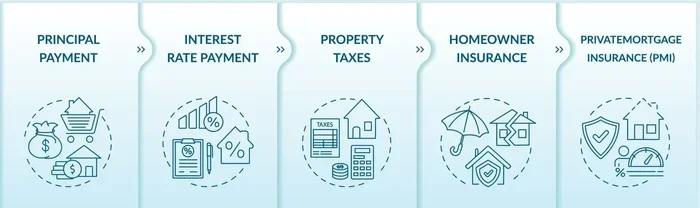
Visual guide about mortgage principal payment concept
Image source: advantagerealestate.com
You want the money to reduce the balance now. This requires clear instructions. Some lenders have a specific box on the payment slip. Others require a written letter. Some have an online option. You need to find out what your lender needs.
Contacting Your Lender
Start by calling your loan servicer. Ask them about principal-only payments. Ask if there are any fees. Ask how to designate the funds. Get the information in writing if possible. This protects you later. You want proof that you requested principal reduction.
Keep a record of every extra payment. Save the confirmation numbers. Save the emails. This helps if there is a dispute. It ensures your balance drops correctly. You should check your statement after each extra payment. Make sure the principal went down.
Specifying the Payment
When you send the money, be clear. Write “Principal Only” on the memo line. If paying online, look for the option. Select “Apply to Principal” if available. Do not let the system default to escrow. Do not let it advance the due date.
Some lenders apply extra funds to next month’s bill. This is called “paying ahead.” This does not save interest. You want to reduce the loan balance. Ask specifically to avoid advancing the due date. Tell them you want the principal reduced immediately.
Benefits of Paying Extra Principal
Why do people do this? The benefits are significant. The biggest benefit is interest savings. Mortgages are long-term loans. They often last thirty years. Interest adds up over time. Reducing the balance early saves a lot of money.
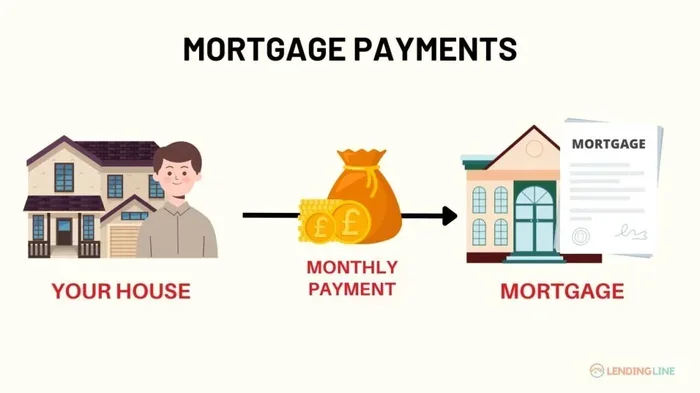
Visual guide about mortgage principal payment concept
Image source: lendingline.co.uk
Imagine you have a thirty-year loan. You pay extra for five years. Then you stop. You still saved interest for the remaining twenty-five years. This is powerful. You keep that money in your pocket. It is money you do not owe the bank.
Building Equity Faster
Equity is the value you own. It is the home value minus the loan. Paying principal increases your equity. This happens faster than waiting for appreciation. You are forcing the equity growth. This gives you more financial security.
Higher equity helps you later. You can borrow against it if needed. You can sell the home for more profit. It also helps if you want to refinance. A lower balance makes qualification easier. It shows you are a lower risk borrower.
Shortening the Loan Term
Extra payments can shorten your loan. You might pay off the home years early. This frees up your monthly cash flow. You no longer have a mortgage payment. This is great for retirement. It reduces stress in your later years.
You do not have to pay it off completely. Even shaving off a few years helps. You save thousands in interest. You gain freedom sooner. You can use that money for other goals. Maybe you want to travel. Maybe you want to invest. The choice is yours.
Potential Risks and Considerations
While beneficial, there are risks. You must look at your whole financial picture. Paying extra reduces your cash liquidity. That money is gone from your checking account. You cannot easily get it back. This is different from investing in stocks.
If you have an emergency, you need cash. If all your extra money went to the house, you might struggle. You should keep an emergency fund. Do not drain your savings to pay the mortgage. Balance is key. Pay extra only if you have surplus cash.
Prepayment Penalties
Some loans have prepayment penalties. This is a fee for paying off the loan early. It is rare in modern loans. But you must check your contract. Older loans might have this clause. It could cost you money to pay extra.
Read the fine print. Look for the phrase “prepayment penalty.” If it exists, calculate the cost. Sometimes the penalty outweighs the interest savings. In that case, do not pay extra. Wait until the penalty period expires.
Opportunity Cost
Money used for mortgage principal could be invested elsewhere. The stock market might return more than your mortgage rate. If your mortgage rate is low, investing might be better. If your rate is high, paying principal is better.
Compare the rates. If you have credit card debt, pay that first. Credit card interest is much higher. Mortgage interest is usually lower. Prioritize your debts wisely. High-interest debt kills wealth faster.
How to Make Principal Only Payments
Ready to start? Here is the process. First, review your loan documents. Check for penalties or special rules. Second, contact your lender. Confirm the method for extra payments. Third, decide on an amount. Choose what fits your budget.
Fourth, make the payment. Use the correct method. Write the memo clearly. Fifth, verify the application. Check your next statement. Ensure the principal balance dropped. Sixth, repeat the process. Consistency builds results.
Online Payment Options
Many lenders have online portals. These are often the easiest way. Log in to your account. Look for the payment section. Find the option for extra principal. Some sites have a checkbox. Select it before submitting.
If there is no checkbox, use the memo field. Type “Principal Only” clearly. Avoid vague notes. Be specific. You want the system to flag it correctly. Save the confirmation screen. Print it or save the PDF.
Mail and Phone Options
You can also pay by mail. Write a check for the extra amount. Include a letter explaining the intent. Address it to the loan servicer. Keep a copy of the letter. Track the mail delivery.
Paying by phone is another option. Call the customer service number. Tell the agent you want to pay principal only. Confirm the amount. Ask for a confirmation number. Write it down immediately. Do not rely on memory.
Common Mistakes to Avoid
People make errors when paying extra. One common mistake is not specifying the principal. The lender might apply it to escrow. This does not reduce your debt. It just pre-funds your taxes or insurance. Always double-check the application.
Another mistake is paying too much too soon. Do not stretch your budget. If you miss a regular payment, it hurts your credit. Always pay the regular amount first. Then add the extra. Never skip the minimum payment.
Ignoring Statements
Do not ignore your monthly statements. Check them every month. Verify the principal balance. If it did not drop, call the lender. Fix errors quickly. Small mistakes can cost thousands over time. Stay on top of your loan details.
Also, watch out for automatic withdrawals. If you set up auto-pay, ensure it handles extras correctly. Some systems only take the minimum. You might need to make extra payments manually. Set a reminder for yourself.
Expert Insights on Mortgage Payoff
Financial experts have different views. Some say invest instead of paying mortgage. Others say debt freedom is best. It depends on your risk tolerance. Debt-free feels safe. Investing feels risky but rewarding.
Consider your interest rate. If the rate is very low, keep the debt. Inflation might make it cheaper later. If the rate is high, pay it off. High rates drain your wealth. There is no one right answer. It is about your goals.
Psychological Benefits
Paying off debt feels good. It reduces stress. You sleep better at night. You own your home outright. This peace of mind is valuable. Money cannot buy everything. Security is priceless. For many, this is worth the effort.
It also builds discipline. You learn to manage money better. You prioritize your goals. This habit helps in other areas. You might save more for retirement. You might spend less on luxuries. The mindset shift is powerful.
Key Takeaways
Let’s recap the main points. Can you make principal only payments on mortgage is a yes, but with steps. You must instruct the lender clearly. You must check for penalties. You must balance your cash flow.
- Verify lender rules: Every bank has different processes.
- Save on interest: Extra principal reduces total cost.
- Build equity: You own more of your home sooner.
- Keep emergency funds: Do not overextend your liquidity.
- Check for penalties: Avoid fees that negate savings.
- Monitor statements: Ensure payments are applied correctly.
- Stay consistent: Regular extra payments yield best results.
Taking control of your mortgage is empowering. You are not stuck with the thirty-year plan. You can change the outcome. You can save money. You can gain freedom. It takes effort and attention. But the reward is worth it.
Start small if you need to. Even one extra payment a year helps. Learn your lender’s system. Make it a habit. Watch your balance drop. Enjoy the progress. You are building a stronger financial future.
Frequently Asked Questions
Can I make principal only payments on any mortgage?
Most lenders allow this, but you must check your specific loan agreement. Some loans have restrictions or require specific instructions to apply extra funds to the principal balance correctly.
Will making extra payments reduce my monthly payment?
No, extra principal payments do not lower your required monthly payment. They reduce the loan balance and interest, potentially shortening the loan term instead of lowering the monthly obligation.
Is there a fee for making principal only payments?
Many lenders do not charge a fee, but some loans have prepayment penalties. You should review your contract or call your lender to confirm if any costs apply before sending extra money.
How do I ensure the payment goes to principal?
You must specify that the extra amount is for principal reduction. Write “Principal Only” on checks or select the specific option in your online portal to avoid the funds being applied to escrow or future bills.
Should I pay extra principal or invest instead?
This depends on your mortgage interest rate versus potential investment returns. If your mortgage rate is high, paying principal is often better. If it is low, investing might yield higher long-term growth.
Can I stop making extra payments later?
Yes, you can stop at any time. There is no contract requiring extra payments. You can resume your standard schedule whenever your budget changes without penalty.