
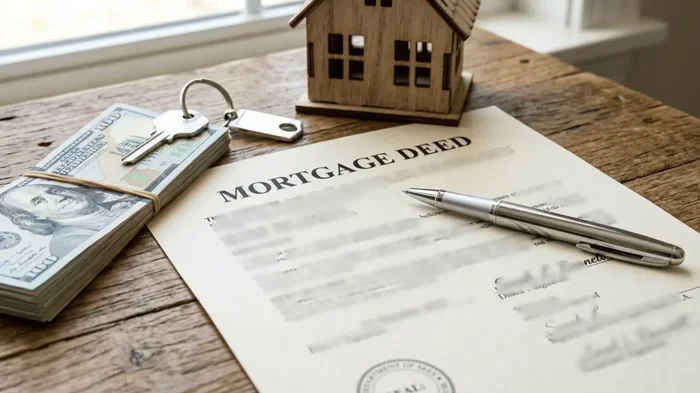
Yes, you can be on a deed and not the mortgage. This happens when you own part of a home but did not sign the loan. Being on the deed gives you ownership rights, while the mortgage holds the person who borrowed the money responsible for the debt. Understanding this difference helps you protect your money and your home.
Key Takeaways
- Ownership vs. Debt: The deed shows who owns the home, while the mortgage shows who owes the loan.
- Liability: If you are not on the mortgage, you are not personally responsible for the monthly payments.
- Risk: The home can still be lost to foreclosure if the mortgage is not paid, even if you are on the deed.
- Credit Impact: The mortgage may not help your credit score if you are not on the loan, but late payments can still hurt you indirectly.
- Protection: You should know your rights and consider legal advice to protect your ownership interest.
- Selling: All owners on the deed usually must agree to sell the home, even if only one person pays the mortgage.
- Communication: Clear agreements between owners prevent fights and protect everyone involved.
📑 Table of Contents
- Can You Be on a Deed and Not the Mortgage
- Understanding the Difference Between a Deed and a Mortgage
- Can You Be on a Deed and Not the Mortgage
- The Risks of Being on the Deed but Not the Mortgage
- Protecting Yourself When You Are on the Deed
- What Happens If You Want to Sell
- Common Mistakes to Avoid
- Expert Insights on Co-Ownership
- Final Thoughts on Can You Be on a Deed and Not the Mortgage
Can You Be on a Deed and Not the Mortgage
Many people wonder about property ownership. It is common to ask, can you be on a deed and not the mortgage. The short answer is yes. You can own a piece of a house without owing the bank money. This situation happens more often than you might think. It shows up in family deals, breakups, and investment properties.
Knowing the difference between a deed and a mortgage is key. The deed is the paper that proves ownership. The mortgage is the loan used to buy the home. They serve different purposes. One gives you rights. The other creates debt. When these two do not match, it creates a unique situation. You need to understand what it means for your money and your future.
This guide will walk you through everything. We will look at the risks, the benefits, and the steps you should take. You will learn how to protect yourself. You will also learn what happens if things go wrong. Let us dive in and clear up the confusion.
Understanding the Difference Between a Deed and a Mortgage
Before we go deeper, we need to define the terms. Many people use these words interchangeably. But they are not the same thing. A clear understanding helps you make better choices.
What Is a Deed
A deed is a legal document. It transfers ownership of real estate from one person to another. When your name is on the deed, you are an owner. You hold title to the property. This gives you certain rights. You can use the land. You can make changes to the house. You can sell your share, though this can be tricky. The deed is recorded with the local government. This creates a public record of who owns the property.
There are different types of deeds. A warranty deed promises the owner holds clear title. A quitclaim deed transfers whatever interest the owner has. This type offers no guarantees. It is often used between family members or in divorce cases. Knowing which deed you are on matters. It affects your level of protection.
What Is a Mortgage
A mortgage is a loan. It is used to buy the property. The home itself serves as collateral. If the loan is not paid, the lender can take the home. The person who signs the mortgage agrees to repay the debt. They are personally liable for the money. The lender checks their credit and income. They want to know the borrower can pay.
The mortgage note is the promise to pay. The deed of trust or mortgage document liens the property. This means the lender has a claim on the home until the debt is gone. Only the people who sign the loan are responsible for the debt. This is a crucial point. It means you can own the home without owing the bank.
Can You Be on a Deed and Not the Mortgage
Now we get to the heart of the matter. Can you be on a deed and not the mortgage? Yes, you can. This happens when one person qualifies for the loan, but multiple people want to own the home. Or it happens when someone adds another person to the title later. The lender does not control who is on the deed. The owner does.
Here is how it works. Person A applies for the mortgage. Person A qualifies based on their credit and income. The bank approves the loan. Person A buys the house. Person A puts their name and Person B’s name on the deed. Person B is now an owner. But Person B did not sign the mortgage. Person B is not on the loan. This is a common setup.
Another scenario involves refinancing. A couple buys a home together. Later, they split up. One person refinances to remove the other from the loan. But they forget to remove the name from the deed. Or they agree to keep the name on the deed for some reason. Now one person has the debt, and both have ownership. This creates a complex situation.
You might also see this with inheritance. A parent passes away. The child inherits the home. The child is on the deed now. But the parent’s mortgage still exists. The child did not sign the original loan. In many cases, the child can take over payments without refinancing. This is due to laws that protect heirs. But the child is not personally liable for the debt unless they choose to be.
The Risks of Being on the Deed but Not the Mortgage
While this setup is possible, it comes with risks. You need to know these risks before you agree to anything. Being an owner without being on the loan can put you in a tough spot.
Foreclosure Risk
The biggest risk is foreclosure. If the person on the mortgage stops paying, the bank can take the home. It does not matter that you are on the deed. The bank has a lien on the property. They can enforce that lien. You could lose your ownership rights. You could lose your investment. This is a harsh reality. You do not control the debt, but you suffer the consequence.
Imagine you are added to a deed by a friend. Your friend promises to pay the mortgage. But your friend loses their job. They stop paying. The bank starts foreclosure. You are now involved in a legal battle. You might have to pay to save the home. Or you might lose everything. This is why trust and communication are vital.
Loss of Investment
If the home goes into foreclosure, you lose your equity. Equity is the value you own in the home. If you put money into the house, you could lose it. You might have paid for repairs. You might have paid property taxes. You might have made improvements. If the home is sold at auction, you may not get that money back. The lender gets paid first. Any leftover money goes to other lienholders. You might get nothing.
This risk is real. You should only be on a deed with someone you trust. You should also protect your financial contribution. Put everything in writing. Document who paid what. This helps if you need to prove your stake later.
Protecting Yourself When You Are on the Deed
You can take steps to protect yourself. Being on the deed without the mortgage is not always bad. It can work well if you plan ahead. Here are some ways to stay safe.
Get a Written Agreement
Always use a written contract. Do not rely on handshakes or verbal promises. A co-ownership agreement spells out the rules. It says who pays the mortgage. It says who pays taxes and insurance. It says what happens if someone wants to sell. It says what happens if someone stops paying. This document protects everyone. It reduces confusion. It gives you a legal path if things go wrong.
Your agreement should cover several points. List each owner’s share of the property. State how expenses will be split. Define how decisions will be made. Include a process for resolving disputes. You can also add a buyout clause. This lets one owner buy the other out if they want to leave. A lawyer can help you draft this. It is worth the cost.
Monitor the Mortgage Payments
Even if you are not on the loan, you should watch the payments. Ask to see the mortgage statements. Make sure the payment is made on time every month. Late payments hurt the credit of the person on the loan. They also put the home at risk. If you see a problem early, you can act. You might help out temporarily. You might suggest refinancing. Catching issues early saves the home.
You can also set up alerts. Some banks let you view account activity. You can check this regularly. This keeps you informed without being intrusive. It shows you are serious about protecting your ownership.
What Happens If You Want to Sell
Selling a home with mixed deed and mortgage status can be tricky. All owners on the deed usually must agree to sell. The mortgage must also be paid off at closing. This means the person on the loan needs to have enough equity or cash to cover the debt. If the person on the mortgage refuses to sell, you might be stuck.
You have options if this happens. You can file a partition action. This is a legal process where a court forces the sale of the property. The court divides the money among the owners. This is a last resort. It is expensive and takes time. A written agreement can prevent this by setting clear sale rules. Another option is to buy out the other owner. If you want to sell and the other person does not, you can offer to buy their share. This lets you take full control. Then you can sell the home on your terms.
You should also check the mortgage terms. Some loans have due-on-sale clauses. This means the full loan balance is due if ownership changes. Talk to the lender before making moves. You need to know how a sale affects the loan. This prevents surprises at closing.
Common Mistakes to Avoid
People make mistakes in these situations. Avoiding them can save you stress and money. Here are some common errors to watch for.
- Not reading the deed: Always review the deed before you sign. Make sure your name is on it correctly. Check the ownership percentage.
- Skipping the agreement: Never skip the co-ownership agreement. Verbal deals lead to fights. Write everything down.
- Assuming no risk: Do not think you are safe just because you are not on the loan. The home can still be lost. Stay aware.
- Ignoring the credit impact: Remember that the mortgage affects the borrower’s credit. If they default, it can affect your relationship and your home.
- Not consulting a lawyer: Property laws vary by location. A lawyer can explain your rights. They can help you structure the deal safely.
These mistakes are easy to avoid. Take your time. Do your research. Protect your interests from the start.
Expert Insights on Co-Ownership
Experts agree that clarity is key. Real estate attorneys often see disputes from unclear arrangements. They recommend full transparency. Everyone should know the financial picture. Everyone should agree on the plan. This builds trust and reduces conflict.
Financial advisors also weigh in. They warn about mixing money and relationships. Co-ownership with friends or family can strain bonds. If the deal goes south, the relationship may end too. Think carefully before you add someone to a deed. Make sure the arrangement makes sense for everyone.
Another insight is about future planning. What happens if one owner dies? The deed determines what happens to the share. It may pass to heirs or to the other owner. This depends on how the deed is written. You should plan for this. You can use wills or trusts to clarify your wishes. This avoids confusion later.
Final Thoughts on Can You Be on a Deed and Not the Mortgage
So, can you be on a deed and not the mortgage? Yes, you can. It is a legal and common situation. But it comes with responsibilities and risks. You own the home, but you do not control the debt. This means you need to be careful. You need to protect your ownership. You need to communicate with the other owners. And you need to plan for the future.
If you are considering this setup, take it seriously. Get a written agreement. Monitor the payments. Know your rights. Consult a professional if you need help. These steps will help you stay safe. They will also help you build a strong foundation for co-ownership. Owning property is a big deal. Make sure you do it right. With the right approach, you can enjoy the benefits of ownership without the burden of the loan.
Frequently Asked Questions
What does it mean if my name is on the deed but not the mortgage?
It means you have ownership rights to the property, but you are not legally responsible for the loan. You own a share of the home, but the person on the mortgage is the one who must make the payments.
Can I be forced to pay the mortgage if I am not on it?
No, the lender cannot force you to pay the mortgage because you did not sign the loan. However, if the home goes into foreclosure, you could lose your ownership interest in the property.
Does being on the deed help my credit?
No, being on the deed does not help your credit because the mortgage payments are not reported in your name. Only the person who signed the loan gets the credit benefit or penalty.
What happens if the person on the mortgage stops paying?
The lender can start foreclosure proceedings. This puts the home at risk, and you could lose your share of the ownership. You may need to step in to pay or negotiate to save the property.
Can I remove my name from the deed later?
Yes, you can remove your name from the deed, but it requires a legal process. You usually need the other owner to agree and sign a new deed. A lawyer can help you do this correctly.
Do I need a lawyer if I am on the deed but not the mortgage?
It is a good idea to talk to a lawyer. They can help you understand your rights and set up a co-ownership agreement. This protects you and clarifies what happens if problems arise.