

Yes, you can transfer your mortgage loan from one bank to another through a process called refinancing or loan portability. This move often helps you secure lower interest rates, better customer service, or changed loan terms. However, you must weigh the closing costs and break-even time before making the switch. Understanding the application process and credit requirements is key to a smooth transition.
Many homeowners wonder can we transfer mortgage loan from one bank to another. The short answer is yes. You can move your home loan to a different lender. This process is common and often smart. People do it to save money or get better service.
Switching lenders might feel scary. But it is usually straightforward. You just need to know the steps. You also need to understand the costs. This guide will walk you through everything. We will cover the why, the how, and the risks.
By the end, you will feel confident. You will know if moving your loan is right for you. Let us dive into the details.
Key Takeaways
- Transferring is possible: You can move your mortgage to a new lender through refinancing or loan portability options.
- Lower rates save money: Switching banks often helps you secure a lower interest rate and reduce monthly payments.
- Costs matter: Always calculate closing costs, appraisal fees, and penalty charges before switching.
- Credit score counts: A good credit score improves your chances of approval and better loan terms.
- Timing is key: Consider how long you plan to stay in the home to ensure you break even on the switch.
- Shop around: Compare offers from multiple lenders to find the best mortgage terms for your situation.
- Professional help helps: Working with a mortgage broker can simplify the transfer process and save time.
📑 Table of Contents
- Why Consider Transferring Your Mortgage Loan
- Can We Transfer Mortgage Loan From One Bank To Another Through Refinancing
- Loan Portability Options Explained
- Understanding the Costs of Switching
- Credit Score and Approval Requirements
- How to Find the Best New Lender
- Common Mistakes to Avoid
- Expert Insights for a Smooth Transfer
- Quick Tips for Success
- Key Takeaways
Why Consider Transferring Your Mortgage Loan
There are many reasons to switch banks. The most common reason is lower interest rates. Rates change over time. A new lender might offer a better deal than your current one. Even a small drop in rate can save you thousands.
Another reason is better customer service. Some banks are hard to work with. They might have slow response times. A new lender could offer better support. You deserve a smooth experience.
You might also want different loan terms. Maybe you want to change from fixed to variable. Or you want to shorten your loan period. Transferring gives you flexibility. It lets you adjust your plan.
Some people switch to consolidate debt. You might roll other debts into your mortgage. This can lower your overall interest. It simplifies your finances too.
Here are common reasons to switch:
- Lower monthly payments
- Reduced interest costs
- Improved loan features
- Better lender reputation
- Access to equity
Can We Transfer Mortgage Loan From One Bank To Another Through Refinancing
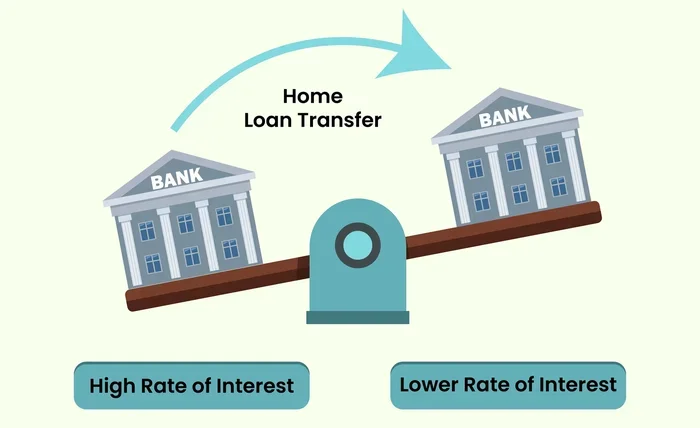
Refinancing is the most common way to switch. This means you take out a new loan to pay off the old one. The new loan comes from a different bank. You then make payments to the new lender.

Visual guide about mortgage loan transfer bank
Image source: storage.googleapis.com
The process starts with an application. You will share your financial details. The new bank will check your credit score and income. They will also value your home. This helps them decide your loan amount.
Once approved, the new bank pays off your old loan. Your mortgage then sits with the new lender. You start making payments to them. The switch is complete.
Refinancing gives you a fresh start. You can change many things. You can adjust the rate. You can change the term length. You can even add or remove borrowers.
However, refinancing is not free. There are costs involved. You need to weigh these costs against your savings. We will cover this in more detail soon.
Loan Portability Options Explained
Some loans offer portability. This lets you move your existing loan to a new property. It is not exactly the same as switching banks. But it is related. Portability keeps your current rate and terms. You just change the property securing the loan.
Visual guide about mortgage loan transfer bank
Image source: cloudfrontgharpediabucket.gharpedia.com
This is useful if you are moving homes. You do not need to refinance. You keep your current deal. This saves time and money. Not all lenders offer this feature. You need to check your loan contract.
Portability works well when you buy a new home. The new property replaces the old one as collateral. The lender still holds the mortgage. You just update the details.
If you want to switch banks, portability may not help. You would still need to refinance. But it is good to know your options. Some lenders allow porting to a new loan product. This can be a middle ground.
Understanding the Costs of Switching
Switching lenders costs money. You must know these costs before you decide. The main costs include closing costs. These cover paperwork and processing. They can add up quickly.

Visual guide about mortgage loan transfer bank
Image source: mymudra.com
You may also face appraisal fees. The new bank needs to know your home value. An appraiser will visit your property. This costs a few hundred dollars. Some lenders waive this fee. Always ask.
Another cost is the exit penalty. Your current bank may charge you for leaving early. This is common with fixed-rate loans. The penalty compensates the bank for lost interest. Check your contract for these terms.
Here is a quick look at common costs:
- Application fees
- Appraisal fees
- Origination fees
- Exit or break costs
- Legal or settlement fees
You should also think about time. The process takes weeks. You need to stay organized. Delays can happen. Plan ahead to avoid stress.
Credit Score and Approval Requirements
Your credit score plays a big role. Lenders use it to judge risk. A higher score means better chances. It also helps you get a lower rate. Most lenders want a score above 620. Some want even higher.
You also need stable income. Lenders want to see you can pay. They will check your employment history. Self-employed people may need extra documents. Tax returns and bank statements help.
Your debt-to-income ratio matters too. This shows how much of your income goes to debt. A lower ratio is better. It shows you have room to pay. Aim for a ratio under 43 percent.
The loan-to-value ratio is also important. This compares your loan amount to your home value. A lower ratio is safer for lenders. If you have more equity, you have more options.
Before you apply, check your credit. Fix any errors on your report. Pay down small debts if you can. These steps improve your approval odds.
How to Find the Best New Lender
Shopping around is key. Do not stop at one bank. Compare several offers. Look at the interest rate first. But do not stop there. Look at all the fees too.
Ask about loan features. Some loans let you make extra payments. Others offer offset accounts. These features can save you money. Pick the loan that fits your life.
Read reviews about the lender. Good service matters. You will deal with them for years. A friendly team makes a difference. Ask friends for recommendations too.
Working with a mortgage broker can help. Brokers know many lenders. They can find deals you might miss. They also handle much of the paperwork. This saves you time and effort.
Here is what to compare:
- Interest rate type (fixed or variable)
- Total fees over the loan life
- Repayment flexibility
- Customer service reputation
- Extra features like redraw or offset
Common Mistakes to Avoid
Many people rush into switching. They see a low rate and jump. But they forget the costs. Always calculate the break-even point. This is when your savings cover the costs. If you move too soon, you lose money.
Another mistake is ignoring the exit penalty. Some penalties are huge. They can wipe out your savings. Always read your current loan terms. Know what you owe before you leave.
People also forget to check loan features. A low rate means little if the loan is rigid. You might need flexibility later. Look at the whole package. Not just the rate.
Do not apply to too many lenders at once. Each application can hit your credit. Space out your applications. Or use a broker to limit checks.
Here are common mistakes:
- Skipping the cost calculation
- Ignoring exit fees
- Focusing only on rate
- Applying everywhere at once
- Not checking credit first
Expert Insights for a Smooth Transfer
Experts say timing matters. If rates are falling, wait a bit. You might get an even better deal. If rates are rising, act fast. Lock in a good rate before it climbs.
Experts also suggest keeping documents ready. Have your pay slips, tax returns, and bank statements ready. This speeds up the process. Lenders love organized applicants.
Another tip is to negotiate. Lenders want your business. Ask them to waive fees. Ask for a better rate. You might be surprised. Many fees are flexible.
Experts recommend a mortgage broker for complex cases. If you have unique income or credit issues, a broker helps. They know which lenders are flexible. They can guide you to the right fit.
Quick Tips for Success
Here are some quick tips to help you:
- Check your credit report before applying
- Calculate all costs including exit fees
- Compare at least three lenders
- Ask about fee waivers
- Read the fine print on new loan terms
- Plan your timeline to avoid gaps in payments
- Keep paying your current loan until the switch is done
Key Takeaways
Switching your mortgage can save you money. It can also improve your loan features. But it comes with costs. Always do the math first. Make sure the savings outweigh the fees.
Know your credit standing. Improve it if you can. Shop around for the best deal. Do not rush. Take your time to compare. A little effort now pays off later.
If you feel unsure, get help. A broker or advisor can guide you. They make the process smoother. You do not have to do it alone.
Transferring your mortgage is a big step. But with the right plan, it can be a smart move. You can secure better terms and peace of mind. Just stay informed and careful.
Frequently Asked Questions
Can we transfer mortgage loan from one bank to another without refinancing?
Most transfers require refinancing. You take a new loan to pay off the old one. Some lenders offer portability, but this usually moves your loan to a new property, not a new bank.
How long does it take to transfer a mortgage loan?
The process usually takes two to six weeks. It depends on the lenders and your documents. Being organized helps speed things up.
Will transferring my mortgage hurt my credit score?
A new application may cause a small, temporary dip. Multiple applications in a short time can hurt more. Space out your checks or use a broker to limit impact.
What costs should I expect when switching banks?
You may pay application fees, appraisal fees, and exit penalties. Legal or settlement fees may also apply. Always ask for a full cost breakdown before you proceed.
Can I transfer my mortgage if I have a fixed rate?
Yes, but you may face a break cost or penalty. Fixed-rate loans often charge for early exit. Check your contract to see the exact fee.
Is it worth transferring my mortgage for a slightly lower rate?
It depends on the costs. Calculate your break-even point. If the savings cover the costs within a few years, it may be worth it. If you plan to move soon, it might not be.
