
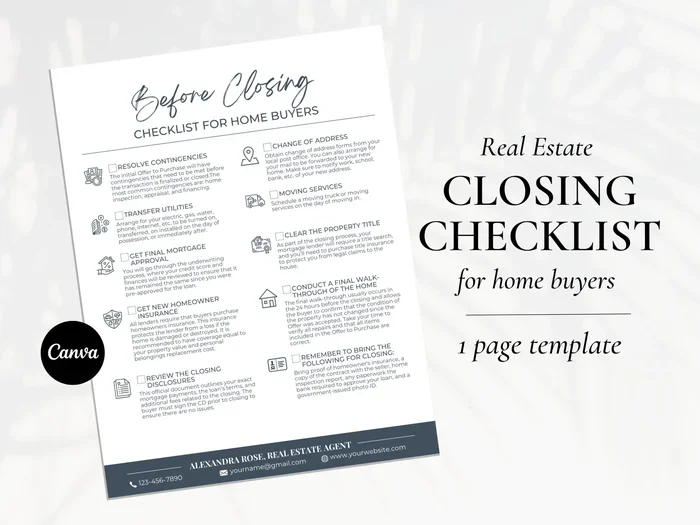
Can I roll closing costs into my mortgage? The short answer is yes, but it depends on your loan type and lender rules. You can sometimes add these fees to your loan balance instead of paying cash at closing. This choice may lower your upfront costs but often raises your monthly payments. We will walk you through the options, the trade offs, and the best times to use this strategy.
This is a comprehensive guide about Can I Roll Closing Costs Into My Mortgage.
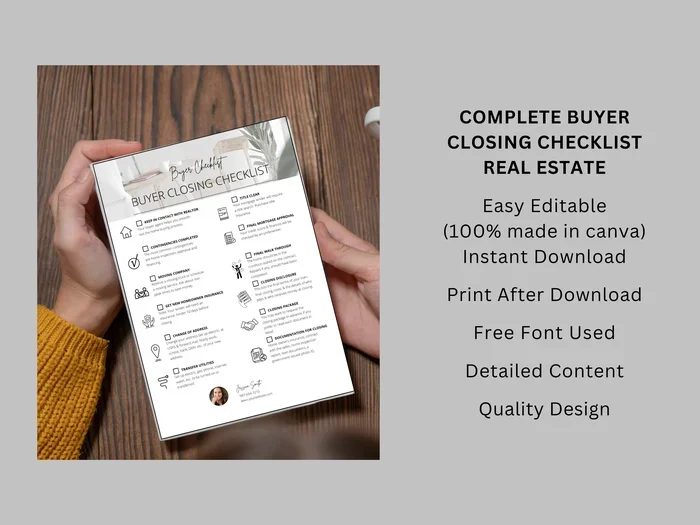
Visual guide about Real estate closing documents
Image source: i.etsystatic.com
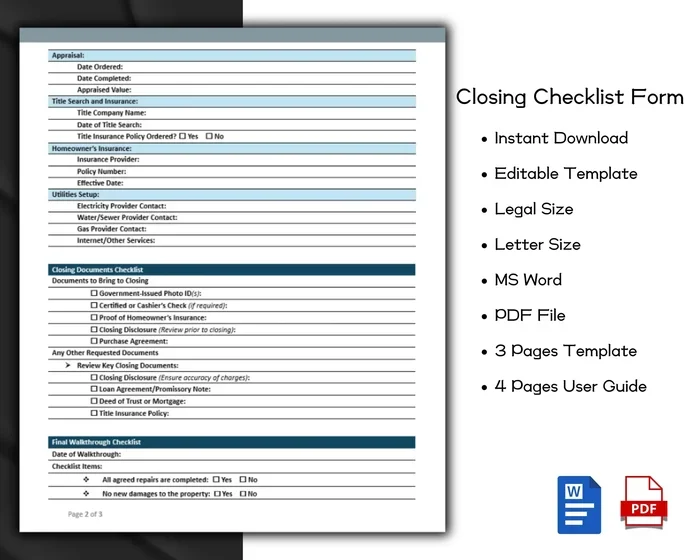
Visual guide about Real estate closing documents
Image source: i.etsystatic.com
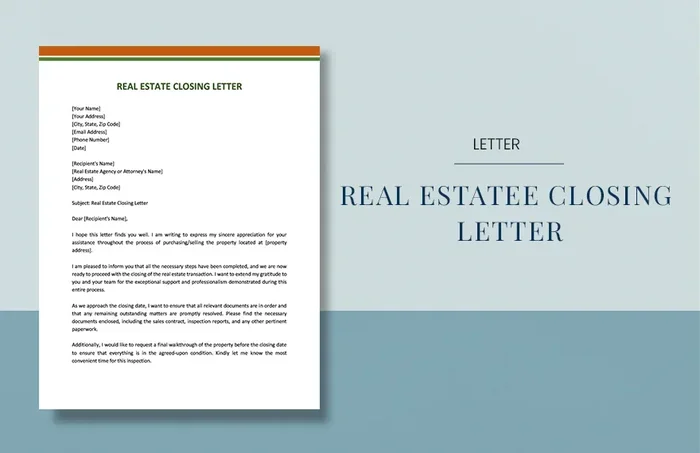
Visual guide about Real estate closing documents
Image source: images.template.net
Key Takeaways
- Rolling costs into your loan is possible with certain loan programs like FHA, VA, or conventional loans with lender credits.
- Your total loan balance will increase, which means you pay interest on those closing costs over time.
- Monthly payments may rise because you are borrowing more money and possibly changing your interest rate.
- Cash to close can drop significantly, which helps buyers who have limited savings for the down payment and fees.
- Lender credits and seller concessions are two common ways to cover closing costs without bringing extra cash.
- Compare the long term cost of financing costs versus paying them upfront before you decide.
- Talk to your lender early so you understand which closing costs can be financed and which must be paid at closing.
[FEATURED_IMAGE_PLACEHOLDER]
Can I Roll Closing Costs into My Mortgage: The Basics
Buying a home comes with many fees. You have the loan origination fee, the appraisal, the title work, the recording fees, and more. These charges add up fast. Many buyers ask one simple question: can I roll closing costs into my mortgage? The answer is yes in many cases, but the details matter a lot.
When you roll closing costs into your mortgage, you are not skipping the fees. You are financing them. That means the costs get added to your loan balance or covered through a credit from the lender. Either way, you avoid a large cash payment at the closing table. This can be a big help if you are tight on cash after saving for your down payment.
There are a few common ways to handle closing costs without paying them all upfront. You can add them to the loan, get a lender credit, or ask the seller to contribute. Each path has trade offs. Some choices lower your cash need now but raise your monthly payment later. Other choices keep your loan smaller but require more cash on moving day.
In this guide, we will break down the main options in plain language. You will learn what can be financed, what usually cannot, and how each choice affects your budget. We will also share simple examples so you can see the real world impact on your monthly payment and your total loan cost.
What Counts as Closing Costs
Closing costs are the fees tied to finalizing your home loan and transferring ownership. They vary by state, lender, and property type. Here are the most common items:
- Loan origination fee: The charge for processing your mortgage application.
- Appraisal fee: The cost to confirm the home value.
- Credit report fee: The charge to pull and review your credit.
- Title search and title insurance: The cost to check ownership history and protect against title problems.
- Escrow or settlement fee: The fee for the party that handles the closing paperwork.
- Recording fees: The charge to file the deed and mortgage with the local government.
- Prepaid items: Upfront payments for taxes, insurance, and interest that are often collected at closing.
Some of these costs are fixed. Others can shift based on your loan size, your rate, and your location. Prepaid items are a bit different because they fund your escrow account. They are still part of your cash to close, but they are not always treated the same as lender fees.
Why Buyers Ask This Question
Most home buyers want to keep some cash in reserve. You may want money for moving, furniture, repairs, or an emergency fund. If you use every dollar for the down payment and closing costs, you could feel stretched thin after the move. That is why so many people ask can I roll closing costs into my mortgage instead of paying them right away.
There is also the simple fact that closing costs can be surprising. A buyer who budgets carefully for the down payment may still feel shocked by the extra fees. Financing those costs can make the whole process feel more manageable. It can turn a big one time payment into a smaller monthly increase over time.
Can I Roll Closing Costs into My Mortgage Through Loan Programs
The loan program you choose plays a huge role. Some loans allow you to finance more costs than others. Some limit the total amount you can add. Others give you more flexibility through lender credits or seller contributions. Let us look at the most common paths.
Conventional Loans and Lender Credits
Conventional loans often give you a choice between a lower rate with higher upfront costs or a higher rate with a lender credit. If you accept a slightly higher rate, the lender may give you a credit to cover some or all of your closing costs. This is one of the most popular answers to can I roll closing costs into my mortgage for buyers who want to keep cash low.
A lender credit does not add the fees to your loan balance in the same way as a true cost roll up. Instead, the lender offsets your costs in exchange for your chosen rate. That means your loan amount may stay the same, but your interest rate is a bit higher. Over time, you pay more interest because of the rate, not because the fees were added to the balance.
This option can work well if you plan to stay in the home for a shorter period. You get help at the closing table, and the higher rate does not have much time to cost you extra. If you plan to keep the loan for many years, the higher rate may cost more in the long run.
FHA Loans and Financed Costs
FHA loans are known for helping buyers with smaller down payments. They also allow some closing costs to be financed. In many cases, the upfront mortgage insurance premium can be rolled into the loan. Other costs may be paid by the borrower or covered through seller contributions, within program limits.
This is another common route when buyers ask can I roll closing costs into my mortgage and want a more flexible path. FHA loans can be helpful if your cash is limited. Still, you should remember that FHA loans include mortgage insurance that can affect your monthly payment for the life of the loan in some cases.
VA Loans and Seller Paid Costs
VA loans offer strong benefits for eligible borrowers. They often require no down payment, and they allow a seller to pay a portion of the buyer closing costs. This can reduce the cash you need at closing without raising your loan balance as much as a full cost roll would.
VA loans also have rules about what can be included in the loan amount. Some fees must be paid outside of the loan. Others can be financed. If you are eligible, a VA loan may give you a very affordable path to homeownership while keeping your upfront cash need lower.
USDA Loans and Limited Cash Options
USDA loans are designed for eligible homes in certain areas. They often allow no down payment, which already helps buyers preserve cash. Some closing costs can be paid by the seller or financed within program rules. If you qualify, this can be another way to reduce your cash to close.
Because these loans have location and income rules, they are not available to every buyer. Still, if your home and finances fit the program, they can offer a very low cash entry point.
Can I Roll Closing Costs into My Mortgage by Adding Them to the Loan Balance
Some buyers want to know if the closing costs can simply be added to the mortgage balance. This is possible in certain situations, but it is not the same as getting a lender credit. When costs are added to the balance, your loan amount grows. That means you borrow more money, and you pay interest on that larger amount over time.
This approach can be useful if your home appraises for enough value to support the higher loan amount. The lender must still approve the new total. They will look at your loan to value ratio, your debt to income ratio, and the program rules. If the numbers work, financing the costs into the loan can reduce your cash to close.
Here is a simple example. Imagine your loan amount would be $200,000 without the costs. If your closing costs are $6,000 and the lender allows them to be added, your new loan could be $206,000. Your payment would rise because you are borrowing more. You would also pay interest on the extra $6,000 for the life of the loan unless you refinance or pay it down later.
This is one of the most direct answers to can I roll closing costs into my mortgage, but it is not always the cheapest choice. You should compare the total cost of borrowing the fees versus paying them now. A small increase in the loan balance can feel easy today, but it may cost more over ten or thirty years.
When Adding Costs to the Balance Makes Sense
Financing the costs into the loan can be a smart move in a few situations:
- You have very little cash left after the down payment and want to avoid draining your savings.
- You expect your income to rise soon, making the slightly higher payment easier to handle later.
- You plan to refinance soon and think you may be able to remove the extra balance or get a better rate later.
- The home value supports the higher loan without pushing you into a less favorable loan to value tier.
When It May Not Be the Best Choice
There are times when financing the costs is not ideal:
- You plan to keep the loan for a long time and do not expect to refinance.
- Your budget is already tight and even a small payment increase would stress your monthly cash flow.
- The added balance pushes your loan to value higher in a way that could affect your rate or mortgage insurance.
- You have enough cash to pay the fees now without leaving yourself empty handed.
Can I Roll Closing Costs into My Mortgage Using Seller Concessions
Seller concessions are another powerful tool. In many transactions, the seller can agree to pay a portion of the buyer closing costs. This does not add the costs to your loan balance. Instead, the seller contributes cash that reduces what you need to bring to the table. This is often one of the cleanest ways to answer can I roll closing costs into my mortgage when you want to preserve cash.
Seller concessions are subject to limits based on the loan type and your down payment. The seller cannot always cover every cost, and the total contribution is usually capped as a percentage of the sale price. Even so, a seller credit can make a big dent in your cash to close.
This approach works best when the seller is motivated and the market gives you some room to negotiate. In a balanced market, you may be able to ask for help with title fees, escrow fees, or a portion of the prepaid items. In a very hot market, sellers may receive many offers and be less willing to contribute.
How to Ask for Seller Help
If you want to explore this route, here are a few practical steps:
- Make your offer clear: State your request for closing cost assistance in the purchase agreement.
- Stay within program limits: Ask your loan officer what the maximum seller contribution is for your loan type.
- Focus on the right costs: Some fees are easier for a seller to cover than others. Your agent and lender can help you prioritize.
- Keep the price realistic: A seller may agree to help with costs even if the sale price stays firm. You do not always need to raise the price to get a credit.
Can I Roll Closing Costs into My Mortgage: Lender Credits Versus Cost Roll
It helps to compare the two most common paths side by side. One path uses a lender credit tied to your rate. The other path adds the costs to your loan balance. Both can lower your cash to close, but they work differently.
Below is a simple comparison to help you see the trade offs.
Comparison Table: Lender Credit Versus Financing Costs Into the Loan
Lender Credit
- How it works: You accept a higher interest rate, and the lender gives you a credit toward closing costs.
- Loan balance: Usually stays the same.
- Monthly payment impact: May rise because of the higher rate.
- Best for: Buyers who want help now and may sell or refinance before the higher rate costs too much.
Financing Costs Into the Loan
- How it works: The closing costs are added to the mortgage balance, if the program and appraisal allow it.
- Loan balance: Increases by the financed amount.
- Monthly payment impact: Rises because the loan is larger.
- Best for: Buyers who need to keep cash low and can accept a larger loan and higher long term interest cost.
Both options can be helpful. The right choice depends on your timeline, your cash, and your tolerance for a higher payment or higher balance. If you are wondering can I roll closing costs into my mortgage and want the simplest path, compare both options with your lender and look at the total cost over time.
Can I Roll Closing Costs into My Mortgage and Still Keep a Healthy Budget
Lowering your cash to close is helpful, but you still need a budget you can live with. A mortgage is a long commitment. If you finance costs now, make sure the payment still fits your life. Here are a few things to watch.
Check Your Debt to Income Ratio
Your debt to income ratio is the share of your income that goes toward debt payments each month. When you finance closing costs or take a higher rate, your payment can rise. That can push your ratio higher. Lenders use this number to judge whether you can afford the loan. You should use it too, because it helps you avoid stretching too far.
Leave Room for Moving and Repairs
Homeownership comes with surprise costs. The water heater may fail. The roof may need service. You may need to buy window treatments, tools, or furniture. If you use every dollar for closing, you could be stressed soon after moving in. A little cash left over can make your first year much smoother.
Think About Your Timeline
Your plans matter. If you expect to move again in a few years, a lender credit may make more sense than adding costs to the balance. If you plan to stay for a long time, paying some costs now may be cheaper than carrying them in the loan for decades. The best choice depends on how long you expect to keep the mortgage.
Common Mistakes When Buyers Ask Can I Roll Closing Costs into My Mortgage
Many buyers make the same mistakes when they try to lower their cash to close. Here are the most common ones to avoid.
- Focusing only on today: You may love the lower cash need now, but forget how the higher balance or higher rate affects you later.
- Assuming every cost can be financed: Some fees must be paid at closing. Not every charge can be rolled into the loan.
- Ignoring the appraisal: If the home value does not support the higher loan amount, the financing plan may not work.
- Overlooking seller limits: Seller contributions have caps. If you ask for too much, the deal may not qualify.
- Skipping the comparison: You should compare paying costs now, using a lender credit, and financing them into the loan. The cheapest option is not always the one with the smallest check at closing.
Expert Insights on Can I Roll Closing Costs into My Mortgage
Mortgage professionals often say the same thing: the best choice depends on your full picture. That means your savings, your income stability, your timeline, and your comfort with debt. A loan that looks cheap on paper may not feel right if it leaves you with no emergency fund. A loan that preserves cash may be perfect if it helps you buy a home without draining your savings.
Here is a simple rule many experts suggest. If you can afford to pay the closing costs without leaving yourself exposed, paying them now may save you money over time. If paying them would leave you too tight, financing them or using a credit may be the better move. The goal is not just to get to closing. The goal is to buy a home you can comfortably keep.
It also helps to ask your lender to show you at least two or three scenarios. For example, ask for a quote with a lender credit, a quote with the costs financed into the balance if allowed, and a quote with the costs paid upfront. Seeing the numbers side by side makes the decision much easier.
Can I Roll Closing Costs into My Mortgage: Final Thoughts
So, can I roll closing costs into my mortgage? In many cases, yes. You may be able to finance some costs into the loan, use a lender credit, or receive help from the seller. Each option can reduce your cash to close, but each one also changes your loan in a different way.
The smartest move is to compare the total cost, not just the amount you write a check for on closing day. Look at your loan balance, your interest rate, your monthly payment, and your long term plans. If you keep those pieces in view, you can choose the path that helps you buy the home without creating pressure later.
If you are still unsure, talk to your lender early and ask for clear examples. The more you understand your options, the easier it is to make a confident choice. That way, you can focus on the exciting part of homeownership instead of worrying about the fees at the closing table.
Question: Can I roll closing costs into my mortgage for any loan type?
Not every loan handles closing costs the same way. Some programs let you finance certain costs, while others rely on lender credits or seller contributions. Your loan officer can tell you what is allowed for your specific loan.
Question: Will rolling closing costs into my mortgage raise my monthly payment?
It often will, either because the loan balance is larger or because the interest rate is higher. The exact impact depends on the method you choose. Always compare the payment before and after the change.
Question: Can the seller pay all of my closing costs?
Usually not all of them, because seller contributions are limited by loan rules and the sale price. Still, a seller credit can cover a meaningful portion of your costs and reduce your cash to close.
Question: Is a lender credit the same as financing closing costs into the loan?
No. A lender credit usually comes from choosing a higher rate, while financing costs into the loan increases your balance. Both can lower your upfront cash need, but they affect your loan differently.
Question: Should I finance closing costs if I plan to refinance soon?
It can make sense if you expect to refinance in the near future, because the higher balance or rate may not have much time to cost you. If your plans change, though, you could end up paying more over time.
Question: What is the biggest mistake buyers make with closing costs?
Many buyers focus only on the cash they need at closing and ignore the long term cost. It is better to compare the full loan cost, the monthly payment, and your remaining savings before you decide.
Frequently Asked Questions
What is Can I Roll Closing Costs Into My Mortgage?
Can I Roll Closing Costs Into My Mortgage is an important topic with many practical applications.