

Owner financing is possible even with an existing mortgage, but it depends on your loan terms, lender approval, and local laws. Most homeowners must check for due-on-sale clauses and get written permission before selling. Understanding your mortgage contract, credit impact, and backup plans helps you move forward safely. This guide breaks down the rules, risks, and smart steps you can take.
Many homeowners wonder can I owner finance if I have a mortgage when they want to sell faster or help a buyer with limited funding. The short answer is yes, but you must handle the process carefully. Your current loan, your lender’s rules, and your state laws all play a big role. If you skip the fine print, you could trigger penalties or even lose control of the sale.
Owner financing can be a smart move when buyers cannot qualify for traditional loans. It can also help you keep the deal moving when the market is slow. Still, you should not treat it like a casual side agreement. A solid contract, clear payment terms, and a realistic backup plan matter a lot. This guide explains what to check, what to avoid, and how to move forward with confidence.
Key Takeaways
- Check your mortgage contract first: Look for due-on-sale clauses that may require full repayment when you sell.
- Ask your lender for permission: Some banks allow owner financing with written approval and proper paperwork.
- Use a clear purchase agreement: Spell out payment terms, interest rates, default rules, and who handles taxes and insurance.
- Protect your credit and equity: Missed payments by the buyer can hurt your score if the loan stays in your name.
- Consider a wrap-around or lease-option: These structures can help you keep your current loan while offering flexible buyer terms.
- Work with a real estate attorney: Legal guidance helps you avoid costly mistakes and stay compliant with state laws.
- Have a backup plan: If the buyer stops paying, know how you will cover the mortgage and regain control of the property.
📑 Table of Contents
- Understanding Owner Financing When You Still Owe on Your Home
- Checking Your Current Mortgage for a Due-on-Sale Clause
- Choosing a Structure That Fits Your Mortgage and Your Buyer
- Protecting Yourself When the Buyer Makes Payments
- Knowing the Legal, Tax, and Credit Implications
- Building a Backup Plan Before You Start
- Making the Deal Work for Both Sides
Understanding Owner Financing When You Still Owe on Your Home
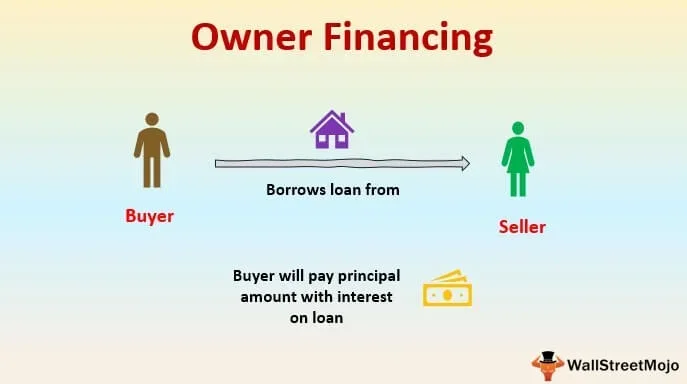
Owner financing means you act like the bank. Instead of the buyer getting a new mortgage from a lender, they make payments to you. You keep receiving your regular mortgage payment, and the buyer pays you directly. In simple terms, you are carrying part or all of the purchase price for the buyer.
This setup can work well when the buyer has a steady income but lacks a large down payment or strong credit. It can also help you sell a property that needs repairs or has been on the market for a while. However, your existing mortgage changes the picture. The lender already has a claim on the property, so you cannot ignore that loan while creating a new payment arrangement.
How the Payment Flow Usually Works
In a basic owner-finance deal, the buyer pays you each month. Then you continue paying your original mortgage. If the buyer pays on time, the property stays current. If the buyer pays late or stops, you still owe your lender. That is why cash flow planning matters from day one.
Some sellers use a promissory note and a deed of trust or mortgage to secure the deal. Others use a land contract, also called a contract for deed. Each option affects who holds title, when the buyer gets full ownership, and what happens if payments fail. You should choose the structure that matches your risk tolerance and local rules.
Checking Your Current Mortgage for a Due-on-Sale Clause
One of the first questions to answer is whether your loan contains a due-on-sale clause. Many mortgages do. This clause gives the lender the right to demand full repayment if you transfer ownership without permission. If your loan has this clause, owner financing could create a serious problem if it is treated as a sale or transfer.
Visual guide about owner financing house with existing mortgage
Image source: wallstreetmojo.com
Not every arrangement triggers the clause in the same way. Some lenders may allow a lease-option or a contract for deed if the transfer is structured carefully. Others may require full payoff before any sale. The only safe move is to read your loan documents and ask your lender directly. Do not guess based on what a friend or online post says.
Questions to Ask Your Lender
When you contact your loan servicer, keep your questions clear and specific. You want to know what transfers are allowed and what paperwork they require. Helpful questions include:
- Does my loan have a due-on-sale clause?
- Will a seller-financing arrangement trigger that clause?
- Do you allow wrap-around financing or lease-options?
- What documents do you need before I proceed?
- Will you require me to remain personally liable for the original loan?
If your lender says no, you may need to explore other options. That could mean paying off the loan first, using a different exit strategy, or waiting until you have more flexibility. It is better to pause early than to risk default later.
Choosing a Structure That Fits Your Mortgage and Your Buyer
There is no single best way to owner finance a home. The right structure depends on your loan, your buyer’s situation, and how much risk you want to carry. A clean setup should explain who pays what, when the buyer earns equity, and how the deal ends if problems arise.
Visual guide about owner financing house with existing mortgage
Image source: epshouses.com
Some sellers prefer a simple promissory note with a security instrument. Others use a lease with an option to buy. A wrap-around mortgage can also work in some cases, but it needs careful legal review because it involves layering payments and title issues. If your current lender restricts transfers, a lease-option may be easier to manage than a full sale.
Common Structures to Compare
Here is a quick comparison of common approaches:
- Contract for deed: The buyer pays you over time, but you may keep title until the balance is paid. This can give you more control, but it may feel risky for the buyer.
- Promissory note with deed of trust: The buyer gets title sooner, while you hold a lien as security. This is more familiar to many buyers and can be easier to resell later.
- Lease-option: The buyer rents the home with the right to purchase later. This can delay the transfer and may fit better if your lender is strict about sales.
- Wrap-around mortgage: You keep your existing loan and collect a higher payment from the buyer. This can work, but it needs strong legal and lender review.
Each option has trade-offs. The best choice is the one that protects your mortgage, gives the buyer a fair path to ownership, and matches your state’s rules.
Protecting Yourself When the Buyer Makes Payments
Owner financing can create a false sense of security. Even if the buyer seems reliable today, life can change tomorrow. Job loss, medical bills, or poor budgeting can interrupt payments. Since your own mortgage usually stays in your name, you need a plan for that risk.

Visual guide about owner financing house with existing mortgage
Image source: amerinotexchange.com
Start by setting clear terms in the contract. Define the payment date, late fees, default triggers, and what happens if the buyer misses multiple payments. You should also decide who pays property taxes, insurance, repairs, and HOA fees. Leaving these details vague is one of the fastest ways to create conflict later.
Smart Safeguards to Include
A strong agreement should answer the most common “what if” questions before they become problems. Consider including these safeguards:
- Automatic payment tracking: Keep a written record of every payment and send receipts promptly.
- Late payment rules: Set a grace period and a clear penalty so expectations stay fair.
- Default and cure periods: Explain how the buyer can fix a missed payment before serious action begins.
- Insurance requirements: Require the buyer to maintain coverage and name you appropriately if needed.
- Tax responsibility: Make sure property taxes stay paid even if the buyer falls behind.
- Exit strategy: Describe how the contract ends if the buyer cannot finish the payments.
These details do not make the deal risk-free, but they reduce confusion and give you a clearer path if things go wrong.
Knowing the Legal, Tax, and Credit Implications
Owner financing is not just a private handshake deal. It can affect your taxes, your credit, and your legal exposure. If the buyer defaults and the property goes into foreclosure, your name may still be tied to the original mortgage. That can harm your credit if payments stop.
Taxes also matter. Depending on your situation, you may have capital gains considerations or reporting obligations. The interest you receive from the buyer may be taxable income. A tax professional can help you understand how the deal affects your return and whether any special rules apply in your area.
Why Professional Help Is Worth It
Real estate transactions can get complicated fast, especially when an existing loan is involved. A qualified real estate attorney can review your mortgage, explain local rules, and help you draft a contract that protects your interests. A tax advisor can also help you avoid surprises at tax time. Spending money on guidance now can save you much more later.
You should also be careful with title issues. If the buyer expects full ownership at some point, the transfer must be handled correctly. Title problems can slow the deal, scare off future buyers, or create disputes after closing. Clean paperwork and proper recording can prevent many headaches.
Building a Backup Plan Before You Start
A good owner-finance deal includes a plan for the worst case. If the buyer stops paying, you need to know how you will cover your mortgage and what steps you will take to regain control. That plan should exist before you sign anything.
Think about your monthly budget first. Can you keep making your mortgage payment if the buyer pays late for a few months? Do you have savings to cover a gap? If not, the deal may be too risky. You should also know how long foreclosure or contract enforcement could take in your state, because that affects your timeline and costs.
A Simple Risk Checklist
Before moving forward, run through this quick checklist:
- I have read my mortgage documents carefully.
- I know whether my lender allows this type of transfer.
- I have a written contract with clear payment terms.
- I understand who pays taxes, insurance, and repairs.
- I can cover my mortgage if the buyer falls behind.
- I have spoken with an attorney or trusted professional.
- I know what steps I will take if the buyer defaults.
If you cannot check most of these boxes, pause and fix the weak spots first. Owner financing works best when you plan for problems before they happen.
Making the Deal Work for Both Sides
A successful owner-finance arrangement should help the buyer while protecting you. That means the payment amount should be realistic, the timeline should be clear, and the rules should be fair. If the buyer feels trapped by harsh terms, the deal is more likely to fail. If you feel exposed because the contract is weak, you are carrying too much risk.
Communication matters too. Keep the relationship professional and document important conversations. If the buyer runs into trouble, address it early instead of waiting. Small payment issues can sometimes be solved with a short modification or a clear warning. Silence usually makes problems worse.
Final Thoughts on Owner Financing With a Mortgage
So, can I owner finance if I have a mortgage? In many cases, yes, but only if you respect the limits of your current loan and build the deal carefully. Start by reviewing your mortgage, checking for transfer restrictions, and talking to your lender. Then choose a structure that fits your situation, write a strong contract, and prepare for the possibility that the buyer may struggle.
When done thoughtfully, owner financing can create flexibility for buyers and keep your sale moving. When done casually, it can create legal, financial, and credit problems. The difference is preparation. If you take the time to understand the rules and protect your interests, you can move forward with much more confidence.
Frequently Asked Questions
Can I owner finance a home if my mortgage has a due-on-sale clause?
You may still be able to, but you need to check your loan documents and ask your lender what transfers are allowed. A due-on-sale clause can let the lender demand full repayment if the property is sold or transferred without approval.
What is the safest way to owner finance when I still owe on my home?
The safest approach is to get lender clarity, use a written contract, and choose a structure that matches your loan rules. A promissory note with proper security or a lease-option may be easier to manage than a casual private agreement.
Will owner financing affect my credit score?
It can if your original mortgage stays in your name and the buyer misses payments. Since you remain responsible for your loan, late or missed payments on the property can still hurt your credit if the account becomes delinquent.
Do I need a lawyer to set up owner financing?
It is a good idea, especially when an existing mortgage is involved. A real estate attorney can help you review the loan, choose the right structure, and draft a contract that reduces legal and financial risk.
What happens if the buyer stops paying me?
You still owe your own mortgage, so you need a backup plan for that payment. Your contract should explain default rules, late fees, and the steps you can take to enforce the agreement or regain control of the property.
Is owner financing better than selling to a cash buyer?
It depends on your goals. Owner financing can help you sell to a wider pool of buyers and earn interest over time, but it also carries more risk and requires more oversight than a simple cash sale.
