
Many homeowners ask, can I get rid of escrow on my mortgage? The answer depends on your loan type, equity, and lender rules. Removing escrow can lower your monthly payment, but you must handle taxes and insurance on your own. This guide explains what you need to know before making the change. We will walk you through the process, risks, and tips for success.
Key Takeaways
- Loan type matters: Government-backed loans like FHA and VA often require escrow. Conventional loans give you more freedom.
- Equity helps: Most lenders want at least twenty percent equity before you can cancel escrow.
- Good payment history is key: You must show a strong record of on-time payments to qualify.
- You take on the risk: Without escrow, you must save and pay your own taxes and insurance on time.
- Lenders set the rules: Each lender has different requirements, so always check your loan agreement first.
- Cancellation is not always permanent: Some lenders can add escrow back if you miss a tax or insurance payment.
- Plan ahead: Set up a separate savings account to cover large annual bills without stress.
📑 Table of Contents
What Escrow Means for Your Mortgage
Escrow is a simple idea. Your lender holds extra money each month in a special account. This money covers your property taxes and homeowners insurance. When the bills come due, the lender pays them for you. This setup keeps you from forgetting a large annual bill. It also protects the lender. If taxes go unpaid, the government can place a lien on your home. If insurance lapses, a storm or fire could leave the lender with a big loss. Escrow solves both problems.
Many people do not think about escrow until they see their monthly payment. The payment often looks higher because it includes principal, interest, and escrow. Some borrowers want to drop escrow to lower that monthly number. Others just want more control over their money. Either way, it helps to know how the system works before you try to change it. Understanding the basics makes the rest of the process much easier.
Can I Get Rid of Escrow on My Mortgage?
This is the big question. The short answer is yes, in many cases, but not always. Your ability to cancel escrow depends on your loan type, your equity, and your lender’s rules. Some loans require escrow by law or by contract. Others allow you to remove it once you meet certain conditions. You must also be ready to handle your own tax and insurance payments. If you miss a payment, the lender may step back in.
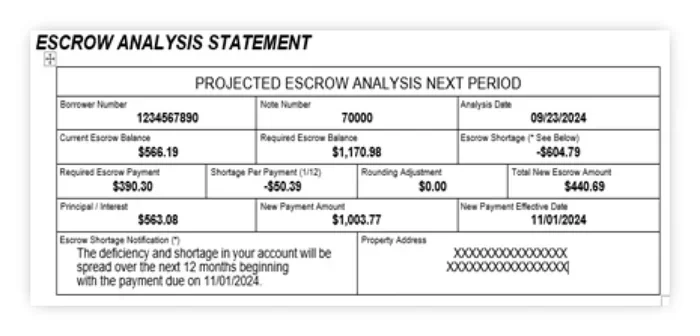
Visual guide about mortgage escrow document review
Image source: homebanksb.com
Before you ask, read your loan documents. Look for any clauses about escrow or impound accounts. Then call your lender or servicer. Ask what steps you need to take and what forms to fill out. Some lenders require a written request. Others let you manage it online. The process is usually straightforward, but it is not automatic. You must take action and prove that you can handle the responsibility.
Loan Types and Escrow Rules
Different loans come with different rules. Conventional loans often give borrowers the most flexibility. If you have enough equity and a good payment history, you may be able to cancel escrow. Government-backed loans are stricter. FHA loans usually require escrow for the life of the loan. VA loans also tend to keep escrow in place. USDA loans follow similar patterns. These programs protect borrowers and lenders by keeping taxes and insurance current.
If you have a conventional loan, check your loan-to-value ratio. Many lenders want you to reach twenty percent equity before they allow escrow removal. Some may ask for twenty-five percent or more. Your payment history matters too. Lenders want to see a steady record of on-time payments. They also want proof that you can save enough to cover large annual bills. If you have a history of late payments or overdrafts, they may say no.
Equity, Payment History, and Lender Requirements
Equity is the gap between what your home is worth and what you still owe. As you pay down your loan and your home value rises, your equity grows. More equity means less risk for the lender. That is why many lenders tie escrow removal to a loan-to-value threshold. The exact number varies. Some lenders set the bar at eighty percent LTV. Others use eighty-five percent or higher. Ask your lender for the exact requirement.
Payment history is just as important. Lenders want proof that you pay on time, every time. They may look at your last twelve to twenty-four months of payments. They may also check your credit score and your overall financial habits. If you have recent late payments, collections, or judgments, your request may be denied. The goal is to make sure you can handle taxes and insurance without help. Show them you are a safe bet, and you improve your chances.
Steps to Remove Escrow From Your Loan
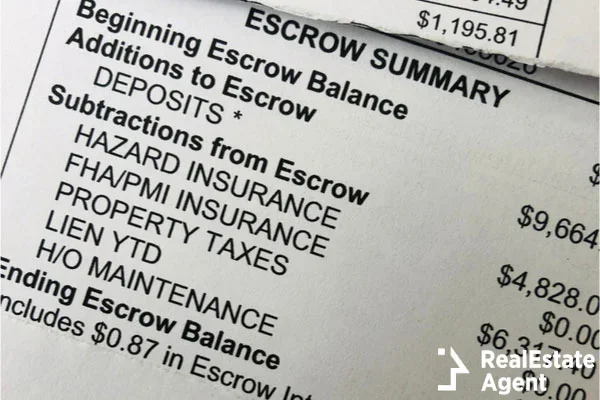
If you think you qualify, start with a clear plan. First, gather your loan documents and note your current escrow balance. Second, contact your lender or servicer and ask about their escrow cancellation process. Third, complete any required forms and submit them with proof of your equity and payment history. Fourth, wait for approval and read the response carefully. If you are approved, ask when the change takes effect and how your monthly payment will adjust.
Visual guide about mortgage escrow document review
Image source: realestateagent.com
Keep copies of everything you send. Save emails, letters, and confirmation numbers. Follow up if you do not hear back within a reasonable time. The process can take a few weeks, so do not panic if it is not instant. Also, remember that your first year without escrow may feel different. You will need to budget for tax and insurance bills that arrive once or twice a year. Planning ahead makes the transition smooth.
Writing the Request and Talking to Your Lender
A clear, polite request works best. State that you want to cancel your escrow account. Mention that you understand the responsibilities and are ready to pay taxes and insurance on your own. Include your loan number and contact details. If your lender has a specific form, use it. If not, a short letter or secure message is usually enough. Be direct, but friendly. You are asking for a change, not making a demand.
When you speak with a representative, take notes. Ask about timelines, fees, and any conditions that could bring escrow back. Some lenders require you to keep a minimum balance in your escrow account before closing it. Others may prorate the remaining funds. Know exactly what will happen to any leftover money. Clear communication prevents surprises later.
What Happens After You Cancel Escrow
Once escrow is gone, your monthly payment drops. The principal and interest stay the same, but the escrow portion disappears. That can free up cash each month. The trade-off is that you now own the full tax and insurance bills. Property taxes may come due once a year or in installments, depending on where you live. Homeowners insurance is usually paid every six or twelve months. You must plan for these larger, less frequent costs.

Visual guide about mortgage escrow document review
Image source: wallstreetmojocms.recurpro.in
Set up a separate savings account for these bills. Deposit a portion of each month’s budget so the money is ready when the bill arrives. Some people divide the annual cost by twelve and save that amount every month. Others use a high-yield savings account to earn a little interest. The key is consistency. If you forget to save, you may scramble when the tax bill shows up. A simple system keeps you on track.
Managing Taxes and Insurance on Your Own
Managing your own bills gives you control, but it also adds responsibility. Keep a calendar of due dates. Set reminders a few weeks before each bill is due. Review your insurance policy each year to make sure coverage still fits your needs. Shop around if prices rise. For taxes, watch for changes in your home’s assessed value. If your town reassesses property, your tax bill may go up. Staying informed helps you avoid shocks.
Consider automating what you can. Many insurers let you set up automatic payments. Some local tax offices offer installment plans or online reminders. Use these tools to reduce the mental load. Even with automation, check your accounts regularly. Automation helps, but it does not replace awareness. A quick monthly review takes only a few minutes and saves stress later.
Pros and Cons of Dropping Escrow
Dropping escrow has clear benefits. Your monthly payment may go down. You gain control over when and how you pay your bills. You can also keep your tax and insurance money in an account that earns interest, rather than letting the lender hold it. Some people like the freedom of managing their own schedule. If you are disciplined, escrow removal can work well.
There are downsides too. You must remember large annual bills and have the cash ready. If you miss a tax payment, you could face penalties or a lien. If your insurance lapses, you could be left unprotected after a disaster. Some lenders can reinstate escrow if you fall behind. There is also the mental load of tracking dates and amounts. For some people, the convenience of escrow is worth the extra cost. The right choice depends on your habits and your comfort with responsibility.
Comparison Table: Escrow vs No Escrow
Below is a simple comparison to help you decide. Use it as a quick reference, not a final answer. Your situation may have unique details that matter most.
- Monthly payment: With escrow, the payment is higher but covers taxes and insurance. Without escrow, the payment is lower, but you pay bills separately.
- Control: With escrow, the lender manages payments. Without escrow, you manage everything yourself.
- Risk: With escrow, the lender helps keep you current. Without escrow, missing a bill can lead to penalties or coverage gaps.
- Interest: With escrow, your money sits in the lender’s account. Without escrow, you can keep funds in a savings account that may earn interest.
- Best fit: With escrow suits people who want simplicity. Without escrow suits disciplined savers who want lower monthly payments.
Common Mistakes and Expert Tips
One common mistake is assuming you can cancel escrow without checking your loan terms. Always read your agreement first. Another mistake is forgetting to budget for the big bills. A lower monthly payment feels great until a tax bill arrives and you are not ready. Some borrowers also rush the process without a savings plan. That can lead to stress and late payments. Take your time and set up a system before you cancel.
Experts suggest building a cushion. Keep more than the exact amount you need for each bill. A small buffer helps with rate increases or reassessments. Experts also recommend reviewing your insurance coverage each year. A policy that worked before may not fit now. Finally, keep good records. Save proof of payments, renewal dates, and confirmation numbers. Good records make tax season and insurance renewals much easier.
Quick Tips for a Smooth Transition
Here are a few simple tips to make the change easier. Use them as a checklist before and after you cancel escrow.
- Check your loan type first. Government-backed loans may not allow escrow removal.
- Confirm your equity level. Ask your lender what loan-to-value ratio they require.
- Review your payment history. A clean record improves your chances.
- Open a dedicated savings account. Keep tax and insurance money separate from daily spending.
- Set calendar reminders. Track due dates for taxes and insurance renewals.
- Keep an emergency cushion. A small buffer helps when costs rise unexpectedly.
- Save all paperwork. Keep proof of payments, approvals, and account changes.
Key Takeaways for Homeowners
Removing escrow can lower your monthly payment and give you more control. It also means you must handle taxes and insurance on your own. The decision works best for people with strong discipline, stable income, and enough equity. If you like simplicity and do not want to track annual bills, keeping escrow may be the better choice. There is no single right answer for everyone. The best path matches your habits and your comfort level.
If you decide to move forward, be organized. Read your loan documents, talk to your lender, and set up a savings plan. Track due dates and keep proof of payments. With a little planning, you can manage without escrow and keep your home protected. If you decide to stay with escrow, you still gain peace of mind. Either way, knowing your options helps you make a smart choice for your home and your budget.
Frequently Asked Questions
Can I get rid of escrow on my mortgage with an FHA loan?
Most FHA loans require escrow for taxes and insurance throughout the loan term. It is usually not possible to cancel escrow on these loans, so check your specific contract for details.
Do conventional loans let me remove escrow?
Many conventional loans allow escrow removal if you have enough equity and a strong payment history. Rules vary by lender, so ask your servicer what thresholds they use.
How much equity do I need to cancel escrow?
Lenders often want at least twenty percent equity, which means a loan-to-value ratio of eighty percent or better. Some may require more, so confirm the exact number with your lender.
Will removing escrow lower my monthly payment?
Yes, your monthly payment usually drops because the escrow portion is removed. You will still owe the same principal and interest, but you must pay taxes and insurance on your own.
What happens if I miss a tax or insurance payment after canceling escrow?
Missing a payment can lead to penalties, liens, or a lapse in coverage. Some lenders may also reinstate escrow if you fall behind on your responsibilities.
Can my lender add escrow back later?
Yes, some lenders can add escrow back if you miss payments or if your loan type requires it. Always read your approval terms so you know what could trigger a change.