
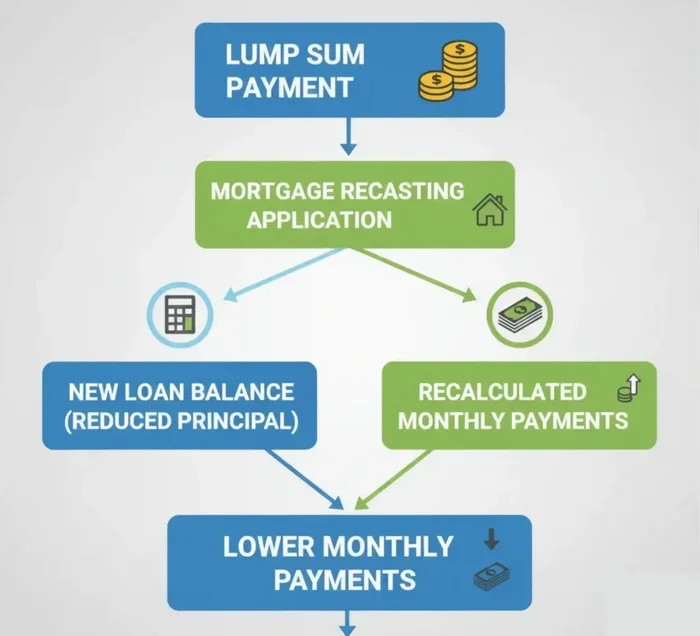
Making extra payments on your home loan can save you thousands of dollars over time. The best time to make lump sum mortgage payment depends on your interest rate, loan type, and personal budget. You should check your loan terms before sending extra money to avoid any penalties. Smart timing helps you build equity faster and reduces financial stress in the long run.
Owning a home comes with many financial decisions. One of the smartest moves you can make is paying down your debt faster. When you put extra money toward your principal balance, you reduce the total interest you pay over the life of the loan. This strategy helps you build equity quicker and frees up your monthly budget sooner.
Many homeowners wonder when exactly they should send that extra money. The answer is not the same for everyone. Your financial situation, loan details, and future goals all play a role. In this guide, we will break down everything you need to know about timing your extra payments wisely.
Key Takeaways
- Timing matters: Paying early in the loan term saves more interest over time.
- Check your loan type: Some loans have prepayment penalties that reduce savings.
- Budget first: Ensure you have an emergency fund before making extra payments.
- Frequency counts: Regular extra payments often work better than one large sum.
- Interest rates: High-rate loans benefit most from lump sum payments.
- Tax implications: Understand how extra payments affect your mortgage interest deduction.
- Automate it: Setting up automatic extra payments helps maintain consistency.
📑 Table of Contents
Understanding the Best Time to Make Lump Sum Mortgage Payment
The best time to make lump sum mortgage payment is usually early in the loan term. At the start of your mortgage, most of your monthly payment goes toward interest rather than principal. This is how amortization works. By putting extra money toward the principal early, you stop that interest from compounding on a larger balance.
Think of it like a snowball rolling down a hill. The earlier you stop the snowball, the less damage it causes. If you wait until the end of your loan, most of your payment already goes to principal. Extra payments at that stage save less money on interest.
Why Early Payments Save More Money
When you pay extra in the first five or ten years, you reduce the base amount that interest calculates on. This creates a compounding effect that works in your favor. Even a small amount can shave years off your loan.
For example, if you have a thirty-year loan at a high interest rate, your first payments are mostly interest. Putting an extra thousand dollars toward the principal in year two saves you much more than doing it in year twenty-five. The math is simple, but the impact is huge.
The Role of Loan Amortization
Amortization schedules show how each payment splits between interest and principal. In the beginning, the interest portion is large. Over time, this shifts until most of your payment goes to principal near the end. Understanding this schedule helps you pick the right moment for extra payments.
You can request an amortization schedule from your lender. Review it carefully. Look at how much interest you pay in the early years. This will motivate you to act sooner rather than later.
Factors That Influence the Best Time for Extra Payments
Several key factors determine when you should make a lump sum payment. Your loan type, interest rate, and personal finances all matter. Ignoring these details can lead to wasted money or missed opportunities.
Visual guide about lump sum mortgage payment
Image source: slideteam.net
Interest Rate Considerations
High interest rates make extra payments more valuable. If your rate is above five or six percent, paying down the balance quickly is often a great move. The interest you save is basically a guaranteed return on your money.
If your rate is very low, say below three percent, the math changes. You might earn more by investing that extra cash elsewhere. Compare your mortgage rate to potential investment returns before deciding.
Prepayment Penalties and Loan Terms
Some loans come with prepayment penalties. These are fees your lender charges if you pay off too much too soon. Always read your loan agreement before sending extra money. This is crucial for finding the best time to make lump sum mortgage payment without losing money to fees.
Fixed-rate loans rarely have these penalties today. Adjustable-rate mortgages or older loan products might still include them. Check your closing documents or call your loan servicer to confirm.
Your Emergency Fund and Cash Reserves
Never drain your savings to make an extra payment. Life is unpredictable. Job loss, medical bills, or home repairs can happen at any time. Keep at least three to six months of expenses in a liquid account.
Once your emergency fund is solid, extra mortgage payments become a safe option. This balance protects you while still helping you pay off debt faster.
Comparing Different Timing Strategies
There is no single perfect moment for everyone. Different strategies work for different people. Below is a comparison to help you decide what fits your situation best.

Visual guide about lump sum mortgage payment
Image source: i.ytimg.com
| Strategy | Best For | Pros | Cons |
|---|---|---|---|
| Early lump sum (years 1-5) | High-interest loans | Maximizes interest savings | Requires large cash upfront |
| Mid-term extra payment (years 6-15) | Those with bonus income | Balances savings and cash flow | Less impact than early payment |
| Regular small extra payments | Steady budgeters | Builds habit, lowers balance steadily | Slower results than lump sum |
| End-of-loan extra payment | Those nearing payoff | Quickly clears remaining balance | Minimal interest savings |
When to Use a Lump Sum vs. Regular Extra Payments
A lump sum works well when you receive a windfall. Tax refunds, bonuses, inheritance, or sale proceeds can all go toward your mortgage. This one-time boost makes a big dent in your balance.
Regular extra payments suit people with steady cash flow. Adding fifty or one hundred dollars each month is easier to manage. Over time, these small amounts add up just like a large payment.
The best time to make lump sum mortgage payment might actually be whenever you have extra cash. Consistency often beats perfect timing. Choose the method that fits your lifestyle and stick with it.
Practical Tips for Making Smart Extra Payments
Putting extra money toward your mortgage requires a bit of planning. Follow these tips to make sure your money works hard for you.
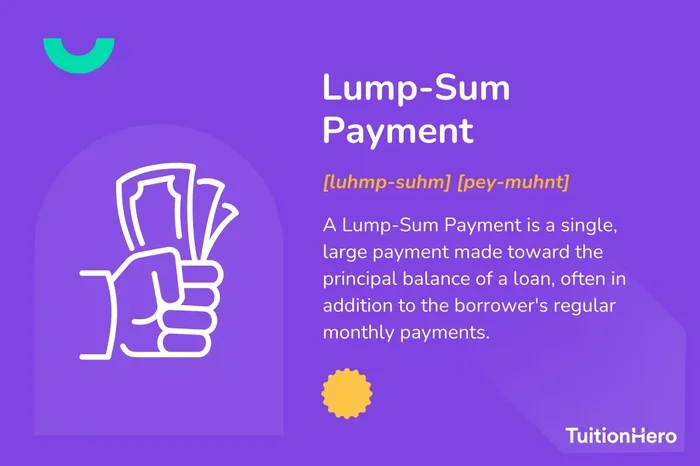
Visual guide about lump sum mortgage payment
Image source: cdn.sanity.io
Specify That the Payment Goes to Principal
This is one of the most important steps. Lenders sometimes apply extra payments to future interest or hold them in a suspense account. Always write a note or select the principal-only option online. Confirm with your servicer that the money reduced your balance.
Time It With Your Pay Cycle
Align extra payments with your income. If you get paid twice a month, consider making smaller extra payments each payday. This feels less painful than one large withdrawal. It also helps you stay disciplined with your budget.
Use Windfalls Wisely
Bonuses, tax refunds, and gift money are perfect for mortgage extra payments. Since this money was not part of your regular budget, you will not miss it. Directing it to your principal balance gives you a guaranteed financial win.
Avoid These Common Mistakes
Many homeowners make simple errors when paying extra. Avoid these pitfalls to protect your progress.
- Not checking for penalties: Always verify your loan terms first.
- Forgetting to mark principal: Extra money can get misapplied without clear instructions.
- Draining emergency savings: Keep cash reserves for unexpected events.
- Ignoring higher-interest debt: Pay off credit cards first if their rates are much higher.
- Stopping too soon: Commit to a plan so you do not lose momentum.
Expert Insights on Mortgage Payoff Timing
Financial experts agree that timing matters, but flexibility matters more. The best time to make lump sum mortgage payment is when it aligns with your broader financial goals. Some advisors suggest paying off high-interest debt first. Others recommend maximizing retirement contributions before attacking a low-rate mortgage.
Your personal risk tolerance also plays a role. If you value being debt-free, extra payments bring peace of mind. If you prefer liquidity and investment growth, keep more cash on hand. There is no wrong answer as long as you understand the trade-offs.
Balancing Mortgage Payoff With Other Goals
Do not sacrifice your retirement savings to pay down a low-rate mortgage. Compound growth in retirement accounts often beats mortgage interest savings. A balanced approach works best for most families.
Consider this simple priority list:
- Build a full emergency fund first.
- Pay off high-interest credit card debt.
- Contribute enough to get employer retirement matches.
- Then allocate extra cash to your mortgage principal.
How to Track Your Progress
Keep an eye on your loan balance and amortization schedule. Update your records after each extra payment. Seeing the balance drop can keep you motivated. Many loan servicers offer dashboards that show your remaining term and interest savings.
You can also use a simple spreadsheet. List each extra payment, the date, and the new balance. This helps you see the real impact of your efforts over time.
Frequently Asked Questions
When is the best time of year to make a lump sum mortgage payment?
The best time of year is whenever you have extra cash available, such as after tax season or during bonus periods. There is no special calendar date that changes the math. Focus on your personal cash flow and loan terms instead.
Does making a lump sum payment reduce my monthly payment?
Not automatically. Extra payments reduce your principal and shorten your loan term, but your monthly payment stays the same unless you request a recast. Contact your lender if you want to lower your required monthly payment.
Can I make a lump sum payment at any time during my loan?
Yes, in most cases you can make extra payments anytime. However, check for prepayment penalties and confirm your lender accepts principal-only payments. Some loan types have restrictions you should know about first.
How much should I pay in a lump sum to see real benefits?
Even a few hundred dollars can help, but larger amounts like one thousand dollars or more create noticeable interest savings. The exact amount depends on your loan size and interest rate. Use an online mortgage calculator to estimate your specific savings.
Will a lump sum payment affect my mortgage interest deduction?
It can reduce your total interest paid over time, which may lower your tax deduction in future years. If you itemize deductions, track how your interest amount changes each year. Consult a tax professional for advice specific to your situation.
What happens if I make a lump sum payment and then need the money back?
Once you pay down your mortgage, that money is gone unless you refinance or take out a home equity loan. This is why keeping an emergency fund is so important. Only use money you are confident you will not need for emergencies.