
Navigating relationships with narcissistic individuals can feel confusing and draining. The best books on narcissism offer clear insights, practical healing strategies, and validation for those seeking clarity. These expert-recommended reads will help you recognize patterns, set boundaries, and move forward with confidence.
This is a comprehensive guide about Best Books On Narcissism.

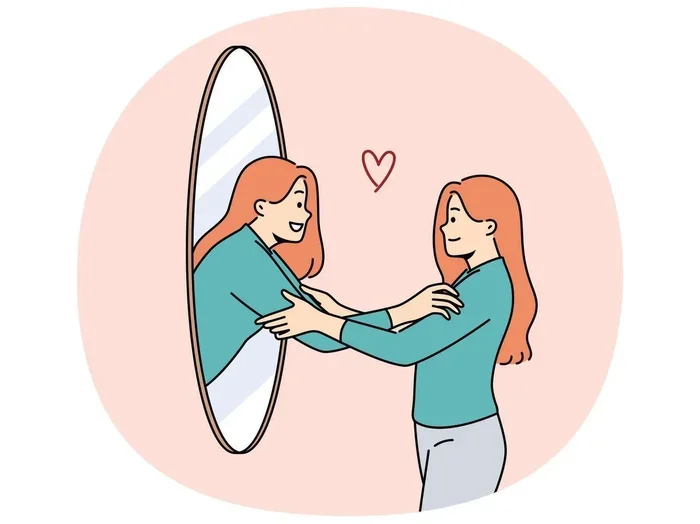
Visual guide about narcissism self reflection art
Image source: thumbs.dreamstime.com
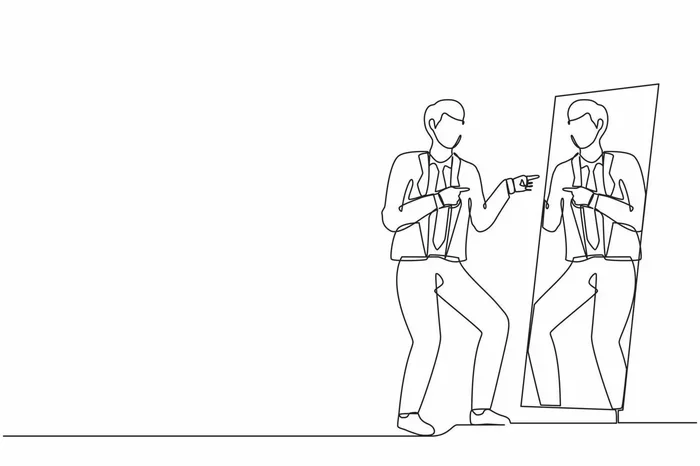
Visual guide about narcissism self reflection art
Image source: static.vecteezy.com

Visual guide about narcissism self reflection art
Image source: plus.unsplash.com
Key Takeaways
- Understanding narcissism matters: Learning the core traits helps you spot unhealthy dynamics early and protect your emotional well-being.
- Healing starts with education: The best books on narcissism break down complex psychology into simple, actionable steps for recovery.
- Boundaries are essential: Many top reads focus on how to set firm limits without guilt or escalation.
- Validation reduces self-doubt: Expert-written guides confirm that your feelings are real and your experience matters.
- Not all books fit every situation: Choose titles that match your specific needs, whether you are dealing with a partner, parent, or workplace dynamic.
- Reading alone is not a cure: Pair books with therapy, support groups, or trusted friends for lasting progress.
- Small steps create big change: Consistent reflection, journaling, and boundary practice build long-term resilience.
[FEATURED_IMAGE_PLACEHOLDER]
Why the Best Books on Narcissism Matter for Your Healing Journey
Relationships should feel safe and supportive. When they do not, confusion sets in fast. Many people stay stuck because they cannot name what is happening. That is exactly why the best books on narcissism have become so valuable. They give you language for patterns that once felt invisible.
You might notice constant criticism, mixed signals, or a lack of real empathy. These signs can leave you questioning your own memory. A good book cuts through the noise. It explains the mindset behind the behavior without making you feel crazy. It also shows you how to respond in healthier ways.
Healing does not start with blame. It starts with clarity. When you understand what drives narcissistic behavior, you stop taking it personally. You also gain room to make better choices. That shift alone can feel like a breath of fresh air.
If you have ever felt drained after talking to someone close to you, you are not alone. Many readers find comfort in stories and strategies that mirror their own experience. The right book can validate your feelings and point you toward practical next steps.
How to Choose the Best Books on Narcissism for Your Situation
Not every book fits every reader. Some titles focus on romantic relationships. Others explore family dynamics or workplace tension. Before you buy, think about your main goal. Are you trying to understand a partner? Are you healing from a parent? Do you need quick boundary tools?
Start by checking the author background. Look for writers with clinical experience, coaching practice, or lived experience paired with solid research. Clear examples matter too. A strong book will show real scenarios you can recognize.
Pay attention to tone as well. You want guidance that feels steady and respectful. Avoid books that lean too hard into fear or blame. The best books on narcissism balance truth with hope. They explain the problem and then offer a path forward.
Here is a simple way to narrow your options:
- Pick a book that matches your current relationship context.
- Look for chapters on boundaries, self-trust, and recovery.
- Choose readable language if you are stressed or overwhelmed.
- Check reviews from people with similar experiences.
- Make sure the book offers actionable steps, not just theory.
Match the Book to Your Goal
If you want to understand why someone keeps crossing your limits, choose a book that explains entitlement and emotional manipulation. If you are trying to rebuild your confidence, look for a guide that focuses on self-worth and recovery. If you are still in the relationship, prioritize books that teach calm, clear boundary setting.
Watch for Red Flags in Book Choices
Some books overgeneralize or paint every difficult person as the same. Others rely too much on drama and not enough on practical advice. A helpful book should leave you feeling informed, not terrified. It should also respect your intelligence and pace.
Top Themes in the Best Books on Narcissism
The most useful books usually cover a core set of themes. These themes help you connect the dots between daily interactions and larger patterns. When you see the full picture, it becomes easier to respond with clarity.
One major theme is the difference between confidence and grandiosity. Healthy self-assurance does not require constant praise. It also does not erase other people’s feelings. Books that explain this distinction help you separate charm from genuine care.
Another common theme is emotional manipulation. This can show up as guilt, pressure, or sudden shifts in tone. Good books break these tactics down into plain language. They also show how to respond without feeding the cycle.
Recovery is another big focus. Many readers want to know how to rebuild trust in themselves. That trust often gets shaken after long periods of second-guessing. Strong books offer journal prompts, reflection exercises, and small daily habits that restore self-trust.
Recognizing Common Patterns
You may see repeating loops like love-bombing, withdrawal, and apology cycles. These patterns can feel intense and confusing. Books that name these loops help you step back instead of reacting in the moment. That pause can change everything.
Building Self-Trust Again
Self-trust grows through small promises kept to yourself. A useful book will encourage you to notice your instincts and honor them. It may also suggest simple check-ins, like asking what feels safe and what feels off. Over time, those check-ins become a powerful habit.
What You Will Learn from the Best Books on Narcissism
The right book does more than describe a problem. It gives you tools. Those tools can help you stay grounded when conversations get twisted or intense. They can also help you protect your energy without becoming cold or shut down.
One useful lesson is how to separate the person from the behavior. This does not mean excusing harmful actions. It means understanding that not every reaction is about you. That shift can reduce a lot of unnecessary self-blame.
Another lesson is how to communicate with steadier boundaries. Clear limits are not punishments. They are guidelines that protect your time, attention, and peace. Many books teach short, calm phrases that keep you from getting pulled into arguments.
You may also learn how to spot gaslighting-style confusion. This can look like denied conversations, flipped blame, or constant rewriting of events. When you can name the pattern, you stop absorbing it as your fault.
Practical Boundary Language
Short sentences work best when tension rises. Try phrases like “I am not discussing this right now” or “I see this differently.” These lines keep you steady without escalating the moment. A good book will give you several options so you can choose what feels natural.
Protecting Your Energy
Energy protection is not selfish. It is maintenance. Books often suggest limits on late-night texting, long emotional catch-ups, or repeated crisis conversations. They may also recommend quiet time after hard interactions so you can reset.
How to Use These Books for Real Life Change
Reading is a strong first step, but application matters more. The best books on narcissism become even more powerful when you use them with intention. That means slowing down, reflecting, and practicing one idea at a time.
Start by highlighting the parts that resonate most. Do not try to memorize everything. Instead, choose one chapter or one tool and test it in daily life. Small practice builds confidence faster than big promises.
Journaling can help a lot here. Write down what triggered you, how you responded, and what you want to try next. This creates a record of progress you can look back on later. It also makes patterns easier to spot.
Create a Simple Reading Plan
Set aside a quiet time each week. Read a short section and pause before moving on. Ask yourself what felt useful and what felt hard. Then pick one action step to try before the next reading session.
Pair Reading with Support
Books work best when they are not the only resource. Trusted friends, support groups, or a counselor can help you process difficult emotions. If you want broader self-care ideas while you heal, you may also enjoy practical wellness habits like mindful breathing or gentle routines. For example, some readers explore topics such as Is It Safe To Do Breathwork On Your Period when they want to regulate stress in a simple, body-friendly way.
Common Mistakes to Avoid When Reading About Narcissism
Even helpful books can be misused if the mindset is off. One common mistake is trying to diagnose everyone in your life. That can create more stress and less clarity. Focus on behaviors and their impact instead of slapping labels everywhere.
Another mistake is using the book to rehash the past endlessly. Reflection helps, but rumination can trap you. If you notice yourself looping, shift to action. Ask what boundary, habit, or conversation could support you now.
It is also easy to expect one book to solve everything. Healing is rarely that fast. The best books on narcissism are guides, not magic fixes. They work best when you give yourself time and patience.
Do Not Skip Your Own Needs
Some readers become so focused on understanding the other person that they ignore their own limits. That is a tough trap. Keep checking in with yourself. Your needs matter, even when the other person acts like they do not.
Keep Moving Forward
If a book feels heavy, take breaks. You do not need to power through. A balanced pace helps you absorb the material without burning out. Progress is still progress, even if it happens slowly.
Expert Insights on Healing and Boundaries
Experts often stress that clarity and consistency matter more than perfect wording. You do not need a dramatic confrontation to protect yourself. You need repeatable habits that keep you centered. That is why many top books focus on steadiness over conflict.
Another expert insight is that healing is not about changing the other person. It is about changing your response. That may sound simple, but it is a major shift. Once you stop trying to win every emotional battle, you free up energy for your own life.
Experts also remind readers that healthy relationships should not require constant self-erasure. If you always adjust, explain, or apologize just to keep peace, something is off. A solid book will help you notice that pattern and choose differently.
Small Shifts That Add Up
Try one small boundary at a time. Maybe you shorten a conversation. Maybe you delay a reply. Maybe you step away when the tone turns harsh. These choices may feel minor at first, but they teach your nervous system that you have options.
When to Seek Extra Help
If you feel stuck, overwhelmed, or unsafe, reach out for professional support. Books can guide you, but they cannot replace personalized care. Extra support can be especially helpful if the relationship has affected your sleep, focus, or sense of reality.
Final Thoughts on Finding the Best Books on Narcissism
The best books on narcissism do more than explain difficult behavior. They help you reclaim your perspective, protect your peace, and rebuild trust in your own judgment. That kind of support can be life-changing when you feel unsure or worn down.
Choose a book that speaks to your situation and your current capacity. Read with curiosity, not fear. Apply one idea at a time. And remember that healing is a process, not a race. The goal is not to become perfect. The goal is to become steadier, clearer, and more free.
If you are ready to take the next step, start with one trusted title and give yourself space to absorb it. Over time, those pages can become a roadmap back to confidence and calm.
Key Takeaways
Key Takeaways
- Clarity comes first: The best books on narcissism help you name patterns that once felt confusing.
- Boundaries create safety: Clear limits protect your time, energy, and emotional balance.
- Self-trust is rebuildable: Small daily choices help you trust your instincts again.
- Pick the right fit: Choose a book that matches your relationship context and healing goal.
- Action beats overload: Focus on one tool or chapter instead of trying to learn everything at once.
- Support matters: Pair reading with friends, groups, or professional help when needed.
- Progress is personal: Steady steps, not perfect answers, create lasting change.
Frequently Asked Questions
What are the best books on narcissism for beginners?
The best books on narcissism for beginners explain core traits in simple language and offer clear examples. Look for titles that focus on recognition, boundaries, and self-recovery rather than heavy theory. A beginner-friendly book should feel steady, practical, and easy to apply.
Can the best books on narcissism help if I am still in the relationship?
Yes, many books can help you stay grounded while you navigate a difficult relationship. They often teach calm boundary language, emotional regulation, and ways to reduce confusion. Just remember that reading can support you, but it does not replace safety planning or professional help if things feel risky.
How do I know if a book about narcissism is trustworthy?
A trustworthy book usually has clear explanations, realistic examples, and actionable advice. It should avoid extreme fear-mongering and respect the reader’s pace. Reviews from people with similar experiences can also help you judge whether the book feels useful.
Are the best books on narcissism useful for workplace issues too?
They can be, especially when the book focuses on boundaries, manipulation patterns, and self-protection. Workplace dynamics may look different from family or romantic situations, so choose a book that fits the context you are dealing with. The core skills still apply.
Should I read more than one book on narcissism?
You can, but it helps to start with one strong book and actually apply it. Reading too many titles at once may create overload instead of clarity. Once you finish a useful book, you can choose another that fills a gap or goes deeper into a specific topic.
What if a book on narcissism makes me feel worse before I feel better?
That can happen if the material brings up painful memories or heavy emotions. If that occurs, slow down and take breaks between chapters. Pair the reading with grounding habits, supportive people, or professional guidance so you do not have to process everything alone.
