
Finding the best 51 arm mortgage rates can significantly lower your monthly payments and help you save thousands over the life of your loan. A 5/1 adjustable rate mortgage offers a fixed interest rate for the first five years before adjusting annually based on market conditions. This guide breaks down everything you need to know about 5/1 arm mortgage rates, including qualification tips, rate comparisons, and smart strategies to maximize your savings. Whether you are a first-time homebuyer or looking to refinance, understanding these loan options empowers you to make confident financial decisions.
Buying a home is one of the biggest financial decisions you will ever make. Every dollar counts, and choosing the right mortgage structure can mean the difference between tight budgets and comfortable homeownership. Many buyers overlook adjustable rate mortgages because they seem complicated at first glance. The truth is much simpler. When you understand how these loans work, you can use them to your advantage.
The best 51 arm mortgage rates offer a unique blend of short-term stability and long-term flexibility. You lock in a predictable payment for five full years. After that period, the rate adjusts once per year based on a published financial index. This structure works beautifully for buyers who plan to sell, refinance, or move within a few years. It also helps buyers who expect their income to rise over time.
This guide walks you through everything you need to know. You will learn how these loans compare to fixed options, what drives rate changes, and how to qualify for the most favorable terms. We will also share practical tips, common pitfalls, and expert insights that help you navigate the market with confidence. Let us dive in and explore how you can save big on your next home loan.
Key Takeaways
- Lower Initial Rates: 5/1 arm mortgage rates typically start lower than fixed-rate mortgages, giving you immediate monthly savings.
- Fixed Period Matters: The first five years carry a stable rate, providing predictability before annual adjustments begin.
- Rate Caps Protect You: Understanding periodic and lifetime rate caps helps you manage future payment changes safely.
- Market Timing Counts: Economic trends and Federal Reserve policies directly influence current best 51 arm mortgage rates.
- Break-Even Analysis Is Essential: Compare total costs over your planned ownership period to ensure the arm loan truly saves you money.
- Qualification Requirements Vary: Lenders assess credit scores, debt-to-income ratios, and reserve funds differently for adjustable loans.
- Exit Strategies Matter: Planning for rate adjustments or refinancing ahead of time keeps your finances secure long-term.
📑 Table of Contents
- Understanding 5/1 Arm Mortgage Rates
- How to Find the Best 51 Arm Mortgage Rates
- 5/1 Arm vs Fixed Rate Mortgage
- Tips for Qualifying for the Best 51 Arm Mortgage Rates
- Smart Strategies to Maximize Savings
- Common Mistakes to Avoid
- Expert Insights on 5/1 Arm Loans
- Final Thoughts on Choosing the Right Loan
Understanding 5/1 Arm Mortgage Rates
A 5/1 adjustable rate mortgage combines two important features into one loan product. The first number, five, tells you how long the initial fixed period lasts. The second number, one, tells you how often the rate changes after that period ends. This means your interest rate stays completely stable for sixty months. Once year six begins, your lender recalculates the rate every twelve months.
Many homebuyers choose this structure because the starting rate sits below typical fixed mortgage rates. That lower starting point translates into smaller monthly payments during the first five years. You get breathing room in your budget while you settle into your new home. You also get time to build equity, improve your credit, or save for future financial moves.
How the Adjustment Works
After the fixed period ends, your new rate depends on two main pieces. The first piece is a financial index that reflects broader market conditions. Common indexes include treasury yields and other widely tracked benchmarks. The second piece is a margin that your lender adds to the index value. The margin stays fixed for the life of the loan, while the index moves with the economy.
Your lender adds the index value and the margin together. That sum becomes your new interest rate. The calculation happens once each year after the initial five-year window closes. You do not need to guess what will happen. Your loan documents explain the exact index, the margin, and the adjustment schedule. Reading those details carefully gives you a clear picture of future costs.
Why Buyers Choose This Loan
People pick 5/1 arm loans for several practical reasons. Some buyers know they will relocate for work within a few years. Others plan to upgrade to a larger home once their family grows. Many simply want the lowest possible payment during the early years of ownership. A lower payment can free up cash for home improvements, travel, or investment accounts.
This loan also helps buyers who expect their earnings to increase. A rising income makes future rate adjustments easier to handle. Some buyers use the initial savings to pay down other debts faster. Others build a larger emergency fund before the first adjustment arrives. The flexibility appeals to strategic planners who like to keep options open.
How to Find the Best 51 Arm Mortgage Rates
Shopping for the most favorable terms requires a structured approach. Rates vary by lender, location, credit profile, and loan details. You cannot rely on a single quote to understand the full market. You need multiple data points to compare real options. A careful comparison process reveals which lenders truly offer the best 51 arm mortgage rates for your situation.
Start by gathering quotes from at least three to five lenders. Include large banks, local credit unions, and reputable online lenders. Ask each lender for the same loan parameters so your comparisons stay fair. Keep the loan amount, down payment, and estimated credit score consistent across all requests. This approach isolates the rate differences that matter most.
Key Factors That Influence Your Rate
Several personal and market factors shape the rate you receive. Lenders look at your credit score first because it signals repayment risk. Higher scores usually unlock lower margins and better pricing. Your debt-to-income ratio also matters because it shows how much monthly obligation you already carry. A lower ratio suggests you can handle future adjustments more comfortably.
The size of your down payment affects pricing too. Larger down payments reduce lender risk and often improve loan terms. Property type plays a role as well. Primary residences typically receive better pricing than investment properties or second homes. Loan amount and loan term can shift the numbers slightly. Even small changes in these inputs can move your final rate.
Comparison Tips That Save Money
Use a simple checklist when you review each quote. Write down the initial rate, the margin, the index, and the rate caps. Note any origination fees, discount points, and closing costs. Ask about lock periods and whether the lender offers a float-down option. These details tell you the true cost of each loan.
- Request full loan estimates: Compare the complete cost picture, not just the headline rate.
- Check the margin closely: A lower margin often matters more than a slightly lower starting rate.
- Verify rate caps: Strong caps limit how much your payment can rise during each adjustment period.
- Ask about points: Paying points can lower the rate, but only makes sense if you stay in the home long enough.
- Review lock terms: A longer lock protects you from market swings during the application process.
5/1 Arm vs Fixed Rate Mortgage
Choosing between an adjustable loan and a fixed loan comes down to your timeline and risk comfort. Fixed-rate mortgages keep the same interest rate for the entire term. That stability feels safe, especially when you plan to stay in the home for many years. The tradeoff is a higher starting rate compared to many adjustable options.
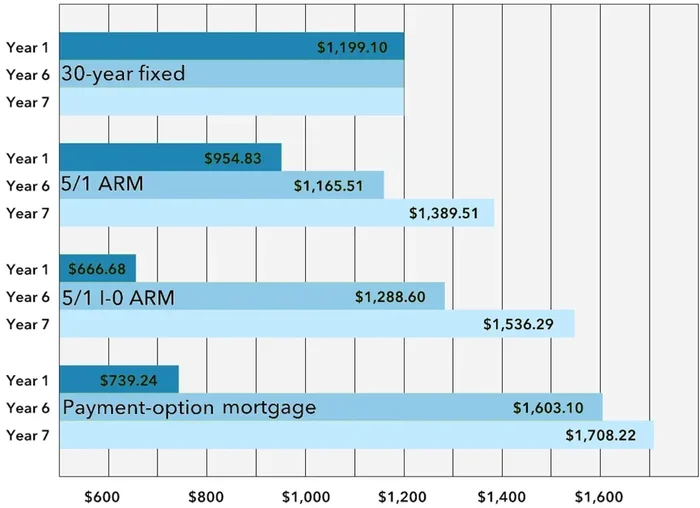
A 5/1 arm mortgage offers a lower initial rate in exchange for future uncertainty. You gain short-term savings and accept the possibility of higher payments later. This tradeoff works well when you expect to sell or refinance before the first adjustment. It also works well when you believe rates may stay moderate or decline over time.
Quick Comparison Table
Here is a simple side-by-side look at the two loan types. This table highlights the main differences so you can compare them quickly.
| Feature | 5/1 Arm Mortgage | Fixed-Rate Mortgage |
|---|---|---|
| Initial Rate | Usually lower | Usually higher |
| Payment Stability | Fixed for five years, then adjusts yearly | Same payment for the full term |
| Best For | Short-to-medium ownership plans | Long-term ownership plans |
| Rate Risk | Future adjustments possible | No adjustment risk |
| Budget Flexibility | Higher early savings | Predictable long-term budgeting |
When the Arm Loan Makes Sense
This loan shines when your plans align with the first five years. Maybe you are buying a starter home and expect to upgrade soon. Maybe your job requires relocation within a few years. Maybe you want to buy now while keeping monthly costs low. In these cases, the lower starting rate creates real breathing room.
The arm loan also makes sense when you want to invest the monthly savings. If you put the difference into a high-yield account or use it to pay down higher-interest debt, you may come out ahead. The key is to use the savings intentionally rather than letting them disappear into everyday spending.
When the Fixed Loan Wins
A fixed mortgage wins when you want total payment certainty. If you plan to stay in the home for ten years or more, the fixed option removes guesswork. You never worry about annual adjustments or market swings. That peace of mind has real value, especially for families who prefer stable budgets.
Fixed loans also make sense when current arm margins look wide. If the margin on an adjustable loan is high, the future rate could jump quickly after year five. In that scenario, the fixed loan may cost less over time. Always compare the full picture before you decide.
Tips for Qualifying for the Best 51 Arm Mortgage Rates
Qualifying for strong terms requires preparation before you apply. Lenders want to see that you can handle the loan today and manage future adjustments tomorrow. A polished application shows stability, responsibility, and financial awareness. You can improve your positioning with a few focused steps.
Your credit profile leads the pack. Pay bills on time, reduce revolving balances, and avoid opening new credit lines right before application. A cleaner credit report often leads to better pricing. Lenders also review your employment history and income consistency. Stable work history supports a stronger case for approval.
Strengthening Your Financial Profile
Lower your debt-to-income ratio by paying down credit cards and small loans where possible. Even a small reduction in monthly obligations can improve your qualification standing. Save additional cash reserves if you can. Reserves show lenders that you can cover payments during unexpected expenses or rate changes.
Consider making a larger down payment if your budget allows. More equity reduces lender risk and can lead to better pricing. If you have gift funds or down payment assistance, ask your lender how those funds affect qualification. Clear documentation helps the process move smoothly.
Questions to Ask Your Lender
Do not hesitate to ask direct questions. Good lenders welcome clear conversations and explain details in plain language. Use these questions to gather the information you need:
- What index does this loan use? The index determines how the rate moves after year five.
- What is the exact margin? The margin stays fixed and directly affects future pricing.
- What are the periodic and lifetime caps? Caps limit how much the rate can rise in one adjustment and over the loan life.
- Are there prepayment penalties? Some loans charge fees if you pay early or refinance.
- What documentation do you need? Knowing the paperwork upfront prevents delays.
Smart Strategies to Maximize Savings
Getting a low starting rate is only part of the story. You also need a plan for the years that follow. Smart strategies help you keep more money in your pocket and reduce stress when adjustments arrive. The goal is simple: use the loan structure to your advantage without taking unnecessary risks.
One powerful strategy is to treat the initial savings as a tool, not extra spending money. Budget the lower payment as if it were temporary. Set aside part of the difference in a separate account. That habit builds a cushion for future adjustments and gives you more control over your finances.
Planning for Rate Adjustments
Mark the adjustment date on your calendar as soon as you close. Knowing when the first change arrives helps you prepare instead of react. Review your loan terms a few months before the adjustment window opens. Check current market conditions and estimate where your new rate might land.
If the projected payment feels too high, explore options early. You might refinance into a fixed loan, make extra principal payments, or adjust your budget ahead of time. Early planning gives you more choices and less pressure. Waiting until the last minute limits your options.
Using Break-Even Analysis
A break-even analysis tells you whether the arm loan truly saves you money. Compare the total cost of the arm loan against a fixed loan over your expected ownership period. Include interest, fees, and estimated adjustments. If the arm loan saves money within your planned timeframe, it may be the smarter choice.
Keep the analysis realistic. Do not assume you will sell exactly on schedule. Life changes, job moves, and family needs can shift your timeline. Build a small buffer into your plan so you stay protected if things take longer than expected.
Common Mistakes to Avoid
Even smart buyers make avoidable errors when they rush into an adjustable loan. Learning these pitfalls ahead of time helps you steer clear of trouble. A careful approach protects your budget and keeps your homeownership experience positive.
One common mistake is focusing only on the initial rate. A low starting number looks attractive, but the margin and caps matter just as much. Another mistake is assuming you will definitely sell before the first adjustment. Plans change, and flexibility matters. A third mistake is ignoring closing costs and points, which can erase some of the early savings.
Quick Mistakes Checklist
- Chasing the lowest starting rate only: Look at the margin, caps, and total cost too.
- Skipping the fine print: Read the adjustment schedule and cap structure carefully.
- Overestimating your timeline: Assume life may keep you in the home longer than planned.
- Ignoring future payment shock: Estimate worst-case adjustments so you know your comfort zone.
- Forgetting about refinancing costs: If you plan to refinance later, include those expenses in your math.
Expert Insights on 5/1 Arm Loans
Mortgage professionals often describe the 5/1 arm as a tool for timing and flexibility. It works best when your goals match the loan structure. Experts recommend matching the loan to a clear plan rather than choosing it solely for the lowest payment. A purposeful decision usually leads to better outcomes.
Experts also suggest keeping an eye on broader economic trends. Interest rate environments shift over time, and those shifts affect adjustment indexes. You do not need to predict the market perfectly. You just need to understand that future rates can move in either direction. Staying informed helps you make better decisions when the adjustment period approaches.
Building a Flexible Exit Plan
A strong exit plan gives you confidence no matter what happens. You might plan to sell, refinance, or simply manage the adjustment with a prepared budget. Each path works differently, so choose the one that fits your life. The right exit plan turns uncertainty into a manageable process.
Keep your credit healthy throughout the loan term. Good credit gives you more refinancing options later if you decide to switch to a fixed loan. Maintain cash reserves when possible. Reserves give you room to handle changes without stress. Small habits today create bigger options tomorrow.
Final Thoughts on Choosing the Right Loan
The best 51 arm mortgage rates can create meaningful savings when you use them wisely. This loan type rewards planning, timing, and financial discipline. You get a lower starting payment, a clear adjustment timeline, and a chance to keep more money during the early years of homeownership. You also take on the responsibility of watching future rate changes and preparing for them.
If your plans fit the first five years, this loan may be an excellent fit. If you prefer long-term certainty, a fixed mortgage might serve you better. Either way, the smartest choice comes from comparing real numbers, reading the fine print, and matching the loan to your life. Take your time, ask clear questions, and choose the path that supports your goals.
Home financing does not have to feel overwhelming. With a little research and a solid plan, you can move forward with confidence. Use the strategies in this guide, compare carefully, and keep your timeline in focus. That approach helps you save money, reduce stress, and make a decision you can feel good about.
Frequently Asked Questions
What are the best 51 arm mortgage rates today?
The best 51 arm mortgage rates change based on market conditions, your credit profile, and your lender. Compare multiple quotes to find the most favorable combination of initial rate, margin, and caps for your situation.
How does a 5/1 arm mortgage differ from a fixed loan?
A 5/1 arm mortgage keeps the same rate for five years and then adjusts once per year. A fixed loan keeps the same rate for the entire term, which offers more long-term payment stability.
Can I refinance a 5/1 arm loan before the rate adjusts?
Yes, many borrowers refinance before the first adjustment if they want more stability or better terms. Refinancing can help you lock in a fixed rate or move into a different loan structure.
What protects me if rates rise after year five?
Rate caps limit how much your interest rate can increase during each adjustment and over the life of the loan. Your loan documents show the exact cap limits, so review them carefully before you sign.
Is a 5/1 arm mortgage good for first-time homebuyers?
It can be a good fit if the buyer plans to move or refinance within a few years and wants lower initial payments. It works best when the buyer understands the adjustment timeline and has a backup plan.
What should I compare when shopping for the best 51 arm mortgage rates?
Compare the initial rate, margin, index, rate caps, closing costs, and lock terms. Looking at the full loan estimate helps you see which offer truly costs less over your planned ownership period.