
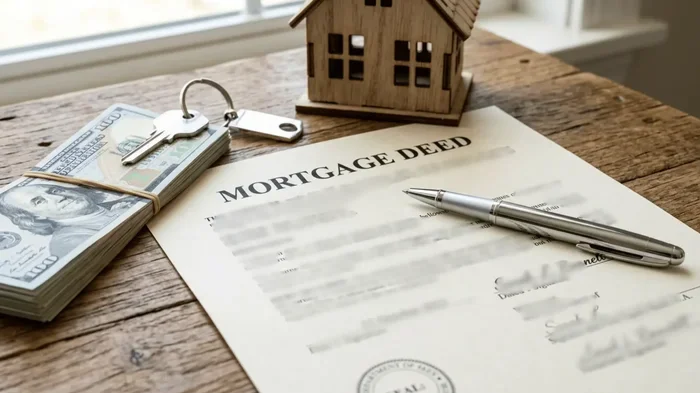
Having your name on deed but not on mortgage means you own the property legally, but you are not personally liable for the loan. This setup can happen for many reasons, like gift contributions or family arrangements. However, it brings serious risks if the borrower defaults or passes away. You must understand your rights, protect your equity, and know when to seek legal help. This guide breaks down everything you need to know in plain, simple terms.
This is a comprehensive guide about Name On Deed But Not On Mortgage.
Key Takeaways
- Ownership vs. Debt: Being on the deed gives you legal ownership. Not being on the mortgage means you do not owe the loan payments directly.
- Foreclosure Risk: If the mortgage goes unpaid, the lender can still foreclose. Your ownership interest may be lost even if your name is not on the loan.
- Equity Protection: You can protect your share by documenting contributions, using a co-ownership agreement, or recording a lien.
- Refinancing Changes: When the borrower refinances, your name may be removed from the deed unless you take action to stay on title.
- Inheritance Complications: If the borrower dies, the property may pass through probate or to the lender. Clear estate planning prevents painful disputes.
- Legal Advice Helps: Real estate laws vary by state. A quick consult with a local attorney can save you from costly mistakes.
- Communication Matters: Talk openly with the borrower about payments, repairs, and exit plans. Written agreements prevent misunderstandings later.
[FEATURED_IMAGE_PLACEHOLDER]
Understanding the Basics of Name on Deed But Not on Mortgage
Real estate paperwork can feel confusing. Two documents often get mixed up. The deed shows who owns the property. The mortgage shows who owes the loan. When your name on deed but not on mortgage appears on the title, you hold legal ownership. You also hold the right to use, sell, or transfer the property. Yet you are not personally responsible for the monthly loan payment. That duty stays with the person who signed the note.
This setup happens more often than people think. A parent may add a child to the title as a gift. A partner may contribute cash for the down payment but stay off the loan. A spouse may keep credit issues private while the other partner qualifies for the mortgage. In each case, the deed and the loan tell different stories. That split can work well. It can also create trouble if no one plans ahead.
The key is to know what each document actually does. The deed controls ownership. The mortgage controls debt. When they do not match, you need a clear plan. You should understand your rights, your risks, and your options. This article walks through each part in simple terms so you can make smart choices.
What the Deed Actually Does
The deed is the legal paper that transfers ownership. It lists the owners and their shares. It gets recorded with the county or local land office. Once recorded, the public can see who holds title. The deed gives you real rights. You can live in the home, rent it out, or sell your share if the law allows. You also carry responsibilities. You may need to pay property taxes, handle insurance, and approve major changes. Ownership is powerful. It also comes with duties that do not disappear just because you are not on the loan.
What the Mortgage Actually Does
The mortgage is the security instrument for the loan. It ties the debt to the property. The borrower signs the note and promises to repay. The lender can take the home through foreclosure if payments stop. The mortgage does not decide who owns the home. It only decides who must pay the lender. That is why a person can hold title without holding the debt. The split is legal. It is also common. But it needs careful handling so everyone stays protected.
Why This Situation Happens in Real Life
People end up with a name on deed but not on mortgage for many practical reasons. Sometimes it is about credit. One person may have strong income but weak credit. The other person may have good credit but low income. The lender approves the loan based on the stronger profile. The other person still wants ownership, so they get added to the deed. Sometimes it is about family. Parents often help children buy a first home. They may put their name on the title to protect a gift. Sometimes it is about relationships. Partners may want shared ownership without shared debt. Each reason makes sense in the moment. The problem starts when nobody writes down the plan.
Credit and Income Differences
Lenders look at debt, income, and credit history. A high score can open the door. A low score can close it. When two people apply together, the weaker profile can hurt the whole application. Some pairs choose to apply with only one borrower. The other person still wants a stake in the home. Adding that person to the deed solves the ownership question. It does not solve the payment question. The borrower remains on the hook for the loan. The owner must trust that the payments will happen on time, every time.
Family Gifts and Help
Family help is a common path to homeownership. A parent may pay part of the down payment. A sibling may cover closing costs. The helper may want legal ownership in return. The easiest way to show that stake is to join the deed. This can protect the helper if the relationship changes. It can also create friction if expectations are not clear. Was the money a gift, a loan, or an investment? The deed alone does not answer that question. A written note or agreement does. Clear words prevent hard feelings later.
Relationship and Privacy Choices
Some couples prefer separate finances. One person may want to keep debt private. The other may want a shared home. A deed can reflect shared ownership while the loan stays in one name. This can work well when both people communicate well. It can fail when trust fades or money gets tight. The owner who is not on the loan still faces risk. If the borrower stops paying, the home is in danger. The owner may also face tax or legal questions. That is why privacy should never replace planning.
Your Rights and Your Risks When You Own Without the Loan
Owning a home without being on the mortgage gives you real rights. It also gives you real risks. You hold title. You can claim your share of the equity. You can often sell or transfer your interest, subject to local law and any agreements. You can also make decisions about the property, especially if you hold a large share. But ownership does not stop foreclosure. If the borrower defaults, the lender can still take the property. Your interest may be wiped out. You may also face disputes over who pays for repairs, taxes, and insurance. These issues are manageable when you plan ahead. They become messy when you do not.
Ownership Rights Explained
Your ownership rights depend on how the deed is written. Some deeds grant equal shares. Some grant specific percentages. Some include rights of survivorship, which means your share passes to the other owner if one person dies. Your rights may also depend on local law and any private agreements. In general, title gives you a legal stake in the property. It gives you a voice in major decisions. It gives you a claim to the value that remains after the loan is paid. That claim is your equity. Protecting it should be a top priority.
The Foreclosure Risk You Cannot Ignore
Foreclosure is the biggest danger in this setup. The lender holds a lien on the property. That lien survives even if your name is not on the loan. If payments stop, the lender can move forward. The foreclosure process varies by state, but the result is similar. The home can be sold to pay the debt. Your ownership can disappear. You may also lose any money you put into the property. This risk is real, not theoretical. It is why owners who are not on the loan should watch the payment status, keep records, and know their exit options.
How to Protect Your Interest and Your Equity
You can take smart steps to protect yourself. Start with paperwork. Document every dollar you contribute. Keep bank records, receipts, and emails. Next, create a simple co-ownership agreement. This paper can spell out who pays what, how decisions are made, and what happens if someone wants out. You can also record a lien or a memorandum of interest if your state allows it. This puts the public on notice that you have a stake. Finally, stay involved. Ask for proof of payment. Review tax bills. Check insurance. Small habits build strong protection over time.
Document Every Contribution
Money talks, but paper proves it. Save everything. Keep records of down payment funds, repair costs, and tax payments. If you lend money, write a promissory note. If you give money, write a gift letter. If you pay for improvements, keep invoices. These records help if a dispute arises. They also help if you need to prove your share in court or during a sale. Good records are simple to keep and powerful to use.
Use a Co-Ownership Agreement
A co-ownership agreement is a practical tool. It can cover payment duties, maintenance costs, and decision rules. It can also cover exit plans. What happens if one person wants to sell? What happens if one person stops paying? What happens if one person moves out? Answering these questions early prevents fights later. You do not need a complex document. You need a clear one. Both parties should sign it. Both parties should keep a copy. This small step can save a big headache.
Recording Your Interest
In many places, you can record a document that shows your stake. This may be a memorandum of interest, a lien, or another local form. Recording creates public notice. It can protect you if the borrower tries to sell or refinance without telling you. It can also strengthen your position in a dispute. Local rules vary, so check with a title company or attorney. The goal is simple. Make sure the world knows you have a legal interest in the property.
What Happens During Refinancing, Sale, or Inheritance
Life changes fast. Loans get refinanced. Homes get sold. People pass away. Each event can affect your ownership. When the borrower refinances, the old loan is paid off and a new one begins. The new lender may require everyone on the deed to sign off. In some cases, the borrower may try to remove your name to simplify the title. You should know your rights before that happens. When the home is sold, the loan gets paid first. You receive your share of the remaining money, if any. When the borrower dies, the property may go through probate or pass by survivorship. Estate planning matters a lot here. Clear documents keep your interest safe during these transitions.
Refinancing and Title Changes
Refinancing can change the title picture. The new lender wants a clean security position. They may ask for a quitclaim deed or other paperwork. If you are not on the new loan, you could lose your place on the deed unless you act. Watch for notices. Ask questions. If you want to stay on title, make that clear in writing before the refinance closes. A short conversation now can prevent a major loss later. Refinancing is common. Losing your interest does not have to be.
Selling the Property
A sale can be a clean exit or a stressful fight. The proceeds first cover the loan balance, closing costs, and fees. Then the remaining money gets split according to ownership shares and any agreements. If the sale price is low, there may be no money left for owners. If the borrower owes more than the home is worth, the sale gets harder. Everyone should agree on the listing price, the agent, and the timeline. Written consent helps. So does a clear plan for how the net proceeds will be divided.
Inheritance and Estate Planning
Death changes everything. If the deed includes rights of survivorship, your share may pass to the other owner automatically. If it does not, the borrower’s share may go through probate. The lender still has its lien. Heirs may inherit the home, the debt, or both. This can get complicated fast. A will, trust, or beneficiary deed can help. So can open conversations about what should happen. Planning for the worst is not gloomy. It is responsible. It protects the people you care about.
Comparison of Ownership and Loan Roles
The table below shows how the deed and the mortgage differ. It also shows where your rights and risks sit. Use it as a quick reference. It can help you talk with the other owner, a title company, or an attorney.
Comparison of Deed and Mortgage Roles
| Topic | On Deed | On Mortgage |
|---|---|---|
| Legal Ownership | Yes. You hold title and can claim equity. | Not required. The borrower holds the debt, not the title. |
| Payment Duty | No direct duty to the lender, unless you agree otherwise. | Yes. The borrower must repay the loan. |
| Foreclosure Exposure | Yes. The lender can foreclose if payments stop. | Yes. The borrower’s credit and assets may be at risk. |
| Control Over Sale | Often yes, subject to local law and agreements. | The lender must be paid off at sale. |
| Credit Reporting | Usually no impact from the mortgage itself. | Payments and balance may affect credit. |
| Inheritance Path | Depends on deed type and estate plan. | The debt may survive and must be handled. |
Common Mistakes and Smart Next Steps
Many problems come from silence. People assume the other person will pay. They assume the title will stay the same. They assume the law will sort it out. Those assumptions are risky. The good news is that small actions help a lot. Talk early. Write things down. Check the loan status. Review the deed. Ask for help when needed. The steps below are simple, practical, and worth doing.
Common Mistakes to Avoid
Do not rely on verbal promises. Words fade. Paper lasts. Do not skip records of your contributions. Do not ignore the payment history. Do not assume refinancing will leave your name alone. Do not wait until a crisis to learn your rights. Each of these mistakes is common. Each one is also preventable. A little attention now can protect your home, your money, and your peace of mind.
Smart Next Steps
Start with a conversation. Ask how payments are made. Ask who pays taxes and insurance. Ask what happens if someone wants out. Then put the answers in writing. Keep copies of everything. Check the county records for the deed and any liens. If the loan balance is high or your contribution is large, talk to a local real estate attorney. A short consult can clarify your options. It can also help you choose the right protection for your situation.
Expert Insights and Final Thoughts
Experts often say the same thing: match the deed to the plan. If you want ownership, make sure the title reflects your intent. If you want protection, make sure your contributions are documented. If you want stability, make sure both people understand the rules. This is not about distrust. It is about clarity. Homes are expensive. Relationships are precious. Clear plans protect both. When your name on deed but not on mortgage, you hold a real stake. Treat it that way. Stay informed. Stay organized. Stay connected with the other owner. That approach gives you the best chance to keep what you own and avoid surprises.
Quick Tips
- Check the deed type. Know whether you hold equal shares, partial shares, or rights of survivorship.
- Track payments. Ask for monthly proof that the mortgage is current.
- Keep a paper trail. Save bank transfers, receipts, and signed notes.
- Plan the exit. Agree on what happens if someone wants to sell or move out.
- Review title before refinancing. Make sure your interest is not removed by accident.
Common Mistakes
- Assuming silence means safety. Quiet arrangements can hide big risks.
- Skipping written agreements. Verbal plans are hard to enforce.
- Ignoring local law. Rules vary by state and county.
- Waiting for a crisis. Early action is easier than late repair.
Key Takeaways
- Ownership is real. The deed gives you legal title and a claim to equity.
- Debt is separate. The mortgage creates payment duty for the borrower, not for you.
- Foreclosure still threatens you. A default can put the whole property at risk.
- Paperwork protects you. Records, agreements, and recorded interests add safety.
- Plan for change. Refinancing, sales, and inheritance can shift your position fast.
Conclusion
When your name on deed but not on mortgage, you sit in a unique spot. You own the home. You do not owe the loan. That can be a smart arrangement, or it can be a hidden trap. The difference is planning. Know what the deed says. Know what the mortgage does. Keep records. Write down the rules. Watch for changes in the loan or the title. Ask for help when the stakes are high. With a little care, you can protect your ownership and your equity. With no care, you can lose both. Choose clarity. Choose protection. Choose a plan that keeps your home and your peace of mind secure.
Frequently Asked Questions
Can I lose the home if I am on the deed but not on the mortgage?
Yes, you can. The lender can foreclose if the mortgage payments stop, even if your name is not on the loan. Your ownership interest may be lost in that process.
Does being on the deed affect my credit?
Usually not directly. The mortgage payment history affects the borrower’s credit. Your credit may be impacted only if you also sign the loan or take on the debt in your name.
What happens if the borrower refinances the loan?
The new lender may require changes to the title. Your name could be removed from the deed unless you take steps to stay on title. Review any paperwork before the refinance closes.
How can I protect my share of the property?
Keep clear records of your contributions. Use a written co-ownership agreement. Check local options for recording your interest. Stay informed about payments and title changes.
What if the borrower dies while the mortgage is still active?
The property may pass by survivorship, through a will, or via probate, depending on the deed and estate plan. The mortgage lien usually remains, so the debt must be addressed.
Should I talk to a lawyer about this situation?
Often, yes. Real estate laws vary by location. A local attorney can explain your rights, help you document your interest, and suggest the best way to protect your ownership.
Frequently Asked Questions
What is Name On Deed But Not On Mortgage?
Name On Deed But Not On Mortgage is an important topic with many practical applications.
