

Your attachment style shapes how you use your phone, and your screen habits can quietly strain your closest bonds. When you understand the link between attachment style vs your screen time, you can spot unhealthy patterns early. Small digital shifts often lead to stronger trust, better communication, and a more present love life.
Key Takeaways
- Secure attachment supports balanced screen use because you feel comfortable setting healthy digital boundaries without fear of losing connection.
- Anxious attachment often drives constant checking and quick text replies, which can create pressure and push partners away over time.
- Avoidant attachment may lead to screen overuse as a safe escape from emotional closeness or difficult conversations.
- Disorganized attachment can cause unpredictable digital swings, like hot-and-cold messaging that confuses both people in the relationship.
- Shared screen agreements reduce friction and help couples align on phone use, social media habits, and quality time expectations.
- Intentional phone-free moments rebuild presence and make it easier to read body language, tone, and emotional cues accurately.
- Professional support can untangle deep patterns when digital habits feel stuck, especially if past relationship wounds drive your screen behavior.
📑 Table of Contents
- Why Your Attachment Style Matters More Than You Think
- How Different Attachment Styles Show Up In Screen Habits
- The Hidden Costs Of Screen Overuse In Relationships
- Practical Ways To Align Your Attachment Needs With Healthier Screen Habits
- When Screen Time Becomes A Coping Trap
- How To Talk About Screen Habits Without Starting A Fight
- Quick Tips For Healthier Digital Connection
- Common Mistakes People Make With Screens And Attachment
- Expert Insights: What This Pattern Is Really About
- Key Takeaways For Healthier Screen Habits And Stronger Bonds
Why Your Attachment Style Matters More Than You Think
We all carry a quiet blueprint for love. That blueprint shapes how we connect, how we handle conflict, and how we seek comfort when life feels heavy. Psychologists call this your attachment style, and it influences far more than bedtime talks or holiday plans. It also shapes how you use your phone, how often you check notifications, and what you expect from your partner through a screen.
When people talk about attachment style vs your screen time, they usually focus on one side of the story. They blame the phone. They blame the apps. They blame the endless scroll. But the phone is only a tool. Your attachment patterns decide whether that tool brings you closer or pushes you farther apart. A secure person may use a phone to share a quick joke and then put it away. An anxious person may stare at a blank chat window and spiral. An avoidant person may hide behind a busy feed to avoid a hard conversation.
This matters because modern love runs through screens. You text to plan dates. You send memes to stay playful. You check in during long workdays. You even argue through messages sometimes. If your attachment habits clash with your digital habits, small friction points can grow fast. The good news is that awareness changes everything. Once you see the pattern, you can adjust it. You do not need a perfect relationship. You need a clearer one.
If you want a broader foundation for healthier dating habits, you may also find it helpful to read dating tips you should know by the time you hit your 20s. Those early lessons often shape the way we handle connection, including the way we handle our devices.
How Different Attachment Styles Show Up In Screen Habits
Your attachment style does not just affect big relationship moments. It also shows up in tiny daily choices. Those choices include when you reply, how long you wait, whether you overthink a message, and how much space you give your phone during time together. Let’s look at the most common patterns.

Visual guide about Person scrolling phone alone
Image source: static.vecteezy.com
Secure Attachment And Balanced Phone Use
People with a secure attachment style usually feel comfortable with closeness and independence at the same time. They can text back without panic. They can also enjoy a quiet evening without needing constant reassurance. Their screen time tends to feel practical, not compulsive.
A secure person may use the phone to connect, but not to chase. They send a sweet message and then move on with their day. They do not usually read deep meaning into every pause. If a partner takes a little longer to reply, they assume life is busy, not that love is fading. This steadier mindset makes it easier to keep healthy screen boundaries without feeling abandoned or controlled.
That said, secure people are not perfect. They can still fall into mindless scrolling when they feel tired or stressed. The difference is that they usually notice it sooner and reset faster. They are less likely to let the phone become a substitute for real emotional connection.
Anxious Attachment And The Urge To Check
Anxious attachment often comes with a strong need for reassurance. That need can turn a phone into a source of comfort and stress at the same time. You may check messages more often than you mean to. You may replay a short reply and wonder what it means. You may feel a spike of worry when a text sits unread for a while.
This pattern can create a cycle. You seek closeness through the screen. You get a small hit of relief when your partner replies. Then the relief fades, and the worry returns. Soon the phone starts to feel like a lifeline instead of a simple tool. That is one of the clearest examples of attachment style vs your screen time clashing in real life.
A few common anxious screen habits include:
- Checking for replies even when you know your partner is busy
- Sending multiple messages in a row when you feel uncertain
- Reading tone into punctuation, emojis, or response speed
- Using social media to monitor a partner’s activity
- Feeling unsettled when a partner does not reply quickly
These habits usually come from a real place. You want connection. You want safety. You want to know where you stand. The challenge is that screens can amplify uncertainty instead of calming it. If you recognize this pattern, it may help to explore how to meet the needs of an avoidant attachment style as well, because understanding both sides of a pairing can reduce blame and improve communication.
Avoidant Attachment And Digital Distance
Avoidant attachment often values independence highly. That can be a strength. It can also become a shield. Some avoidant people use screens to create space without having to ask for it directly. They may stay busy on their phone to avoid deeper conversation. They may keep messages short to maintain emotional distance. They may prefer texting over phone calls because text feels more controlled.
This is not always malicious. Sometimes it is simply a way to regulate discomfort. If closeness feels intense, the phone can feel like a safe pocket of space. The problem appears when distance becomes the default. Then a partner may feel shut out, even if the avoidant person believes they are just being calm or independent.
Common avoidant screen habits can include:
- Keeping replies brief and low-effort
- Delaying responses to create breathing room
- Using the phone during couple time to avoid emotional topics
- Preferring indirect communication over vulnerable talks
- Pulling back when a conversation starts to feel too personal
If this sounds familiar, the goal is not to become someone else. The goal is to build enough safety that you can stay present when things get real. Small steps matter. A short check-in can be easier than a long emotional deep dive. A planned pause can be better than silent disappearance.
Disorganized Attachment And Unpredictable Digital Swings
Disorganized attachment can bring a mix of longing and wariness. You may want closeness, then feel startled by it. You may reach out warmly, then pull away when things get too intense. On a screen, this can look like inconsistent behavior. One day you are engaged and affectionate. The next day you are quiet or hard to reach.
That inconsistency can confuse a partner. It can also confuse you. You may not fully understand why your digital presence keeps shifting. Often, the answer is not a lack of care. It is a nervous system that struggles to feel safe in closeness. When you understand that, you can stop fighting the pattern and start working with it.
If disorganized patterns are part of your story, you may benefit from reading how to be with someone with a disorganized attachment style. Understanding the rhythm of push-and-pull can make digital communication feel less chaotic and more manageable.
The Hidden Costs Of Screen Overuse In Relationships
Screen time becomes a relationship issue when it starts to replace presence. That can happen slowly. You look at your phone to relax for a minute. Then ten minutes pass. Then an hour. Soon you and your partner are in the same room, but not really together. This is where attachment style vs your screen time becomes more than a catchy phrase. It becomes a daily experience.
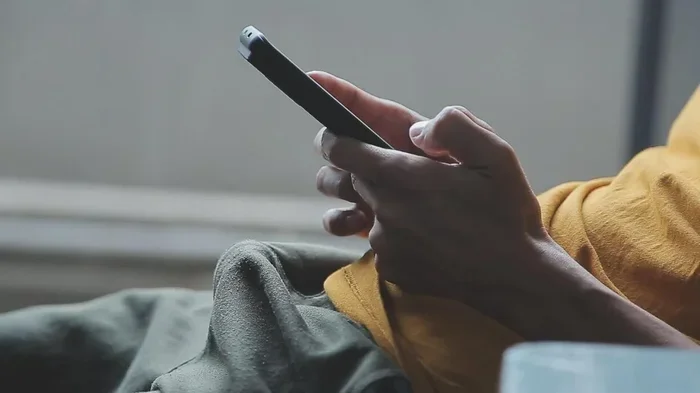
Visual guide about Person scrolling phone alone
Image source: static.vecteezy.com
Here are some common costs that show up when screen habits run unchecked:
Less Eye Contact And Fewer Small Moments
Real connection often lives in tiny moments. A shared laugh. A lingering glance. A casual touch on the arm. These moments are easy to miss when one or both people are half-focused on a screen. Over time, the relationship can feel flatter, even if no big conflict is happening.
More Misreading And More Mind-Reading
Text messages strip away tone, facial expression, and body language. That makes it easier to misinterpret intent. A short reply may look cold when it is actually just tired. A delayed response may look like avoidance when it is actually a busy day. If your attachment system is already sensitive, these small gaps can feel huge.
More Comparison And More insecurity
Social media can stir comparison in subtle ways. You may see other couples posting affectionate moments and wonder why your relationship looks different. You may notice likes, comments, or follows and start asking the wrong questions. Comparison rarely builds confidence. It usually builds noise.
Less Repair After Conflict
Healthy relationships are not conflict-free. They are repair-rich. Screens can interrupt that repair. People may send a quick text instead of having a real conversation. They may avoid a hard topic by staying busy online. They may let a fight linger because it feels easier to disappear into a feed than to sit with discomfort.
If you want to understand how silence can shape a relationship dynamic, you may also find it useful to read giving someone the silent treatment speaks volumes about your character. Silence and screen avoidance can look similar from the outside, but they often come from very different places.
Practical Ways To Align Your Attachment Needs With Healthier Screen Habits
You do not need to throw your phone away to build a better relationship. You need a better plan. The goal is to make your screen time serve your connection instead of competing with it. That plan works best when it respects your attachment needs instead of fighting them.

Visual guide about Person scrolling phone alone
Image source: as2.ftcdn.net
Start With A Simple Screen Agreement
A screen agreement is not a set of strict rules. It is a shared understanding. It answers basic questions before they become arguments. For example: Do we keep phones off the table during dinner? Do we text during work hours? How do we handle late replies? What feels respectful when one of us needs space?
A good agreement is specific enough to help, but flexible enough to survive real life. It should account for both people’s attachment needs. If one person needs reassurance, the other can offer predictable check-ins. If one person needs space, the other can agree on a clear pause instead of silent withdrawal.
Use Predictability To Reduce Anxiety
Anxious attachment often calms down when life feels more predictable. That means small habits can help more than grand promises. You might agree on a morning greeting text. You might share a quick update when the day gets busy. You might say, “I’ll be slow to reply for a few hours,” before the worry starts.
Predictability does not mean constant availability. It means reliability. It means your partner knows what to expect. That sense of safety can lower the urge to monitor, recheck, and overanalyze.
Build Space Without Disappearing
Avoidant attachment often needs real room to reset. The key is to ask for that room in a way that does not feel like rejection. Instead of going silent, try a clear statement. “I’m a little overloaded. I’d like an hour to recharge, and then I’d love to talk.” That kind of message protects your need for space and your partner’s need for clarity.
This is one of the most useful shifts in the attachment style vs your screen time conversation. Space becomes intentional instead of avoidant. Distance becomes a chosen pause instead of a hidden exit.
Create Phone-Free Moments On Purpose
You do not need a perfect digital detox. You need a few meaningful pauses. Try starting with one small habit:
- Keep the first ten minutes of re connecting phone-free
- Put phones away during meals once or twice a week
- Take a short walk without checking notifications
- Use bedtime as a calm, screen-light transition
- Choose one date night where the phones stay in a basket
These moments help you practice being present. They also make it easier to notice each other’s expressions, tone, and energy. That matters because attachment is not just about words. It is also about presence.
Match Your Communication Style To The Moment
Not every conversation belongs on text. Some topics need voice. Some need face-to-face time. If a subject is emotionally charged, the screen can make it harder to stay regulated. A simple rule helps: use text for logistics, reminders, and quick check-ins. Use voice or in-person conversation for feelings, repairs, and big decisions.
This reduces a lot of unnecessary friction. It also protects you from sending a message that sounds harsher than you intended. If you are unsure, ask yourself one question: “Would I say this the same way if I were sitting across from them?” If the answer is no, it may be better to pause and switch formats.
When Screen Time Becomes A Coping Trap
Sometimes screen use is not really about the screen. It is about what the screen does for you. It may soothe loneliness. It may distract from stress. It may help you avoid a hard feeling. It may give you a sense of control when your relationship feels uncertain. In those cases, the phone becomes a coping tool.
That is not automatically bad. Coping is part of being human. The trouble starts when the coping strategy blocks intimacy. For example, if you always scroll when your partner tries to connect, they may feel rejected. If you always check their online activity when you feel insecure, you may feed your own anxiety instead of calming it. If you always hide behind your phone when emotions rise, the relationship may lose its chance to repair.
A useful question is this: “What am I trying to feel right now?” Maybe you want safety. Maybe you want distraction. Maybe you want reassurance. Maybe you want distance. Once you name the need, you can choose a better response. That is the heart of healthier attachment style vs your screen time habits.
If you ever feel stuck in a cycle that seems bigger than a simple habit tweak, it may help to look at broader life reset strategies. Some people find it useful to read how to do a mid year reset for your life or how to restart your life after a terrible breakdown. Those bigger resets can create the emotional room needed to change digital patterns that feel automatic.
How To Talk About Screen Habits Without Starting A Fight
Talking about phone use can feel sensitive because it can sound like criticism. One person feels nagged. The other person feels controlled. To avoid that trap, keep the conversation focused on connection, not blame. Speak about your experience instead of attacking their habits.
Try these conversation starters:
- “I’ve noticed I feel more present when we put our phones away for a bit. Could we try that during dinner?”
- “I sometimes get anxious when replies are slow, and I’m working on that. It helps me when we agree on a quick check-in.”
- “I need a little downtime after work. If I seem quiet, I’m not trying to shut you out. I just need a short reset.”
- “Can we talk about what feels respectful when one of us needs space?”
These kinds of statements lower defensiveness. They also make it easier to build a shared plan. If you want more tools for expressing dissatisfaction without escalating tension, you may find it helpful to read effective ways to communicate unhappiness to your partner. Clear communication is especially important when screen habits have started to blur the line between space and distance.
Quick Tips For Healthier Digital Connection
Small changes often work better than dramatic overhauls. Here are a few practical moves that can make a real difference:
- Name your pattern. If you know you lean anxious or avoidant, you can plan around it instead of being surprised by it.
- Set one daily phone-free window. Ten minutes is enough to start. Use it to talk, sit together, or simply be present.
- Use clearer replies. A short “I’m busy until 7” can prevent a lot of guesswork.
- Check your intent before sending. Ask whether the message is for connection, reassurance, or avoidance.
- Keep sensitive topics off text when possible. Tone gets lost quickly in messages.
- Notice comparison triggers. If social media leaves you uneasy, take a break before it becomes a relationship story in your head.
- Repair fast. If a text lands badly, clarify it sooner rather than letting it sit.
Common Mistakes People Make With Screens And Attachment
Even well-meaning people slip into habits that create distance or tension. Here are a few of the most common mistakes:
- Assuming a delayed reply means a change in feelings
- Using the phone to avoid a conversation that needs to happen
- Asking for space without giving a timeline
- Over-monitoring a partner’s online activity
- Letting screens become the default background of every shared moment
- Treating every message like a test of love
- Ignoring the fact that both people may have different attachment needs
If you catch yourself in one of these patterns, do not panic. Awareness is the first repair. The next step is a small correction. That might mean putting the phone down. It might mean sending a clearer message. It might mean asking for a real conversation instead of a digital workaround.
Expert Insights: What This Pattern Is Really About
At its core, attachment style vs your screen time is not a technology problem. It is a safety problem. Screens become problematic when they are used to manage fear, avoid discomfort, or chase constant reassurance. They become helpful when they support clear communication, predictable connection, and respectful boundaries.
Experts often point out that attachment patterns are adaptable. You are not locked into your default responses forever. You can learn to pause before reacting. You can learn to ask for what you need more directly. You can learn to tolerate a little uncertainty without turning to your phone for instant relief. That growth usually happens in small steps, not giant leaps.
It also helps to remember that both partners bring their own patterns into the relationship. One person may crave more contact. The other may need more space. Neither person is automatically wrong. The relationship succeeds when both people learn how to meet in the middle with honesty and care. If you want to explore the balance between giving and giving up too much, you may enjoy reading compromise vs sacrifice as a next step.
Key Takeaways For Healthier Screen Habits And Stronger Bonds
If you take nothing else from this article, remember these points:
- Your attachment style influences how you use your phone, how you interpret messages, and how you handle closeness and space.
- Screen time becomes a relationship issue when it replaces presence, clarity, or repair.
- Anxious patterns often benefit from predictability and reassurance.
- Avoidant patterns often benefit from clear pauses instead of silent withdrawal.
- Disorganized patterns often benefit from consistency and gentle structure.
- A few simple screen agreements can prevent many everyday misunderstandings.
- The goal is not less technology. The goal is more intention.
When you understand your patterns, you stop fighting the phone and start working with your needs. That is where real change begins.
Frequently Asked Questions
Can my attachment style really affect how much I use my phone?
Yes. Your attachment style shapes how you seek closeness, handle uncertainty, and ask for space, so it can strongly influence your phone habits. For example, anxious patterns may lead to frequent checking, while avoidant patterns may lead to using the phone as a safe distance tool.
What are signs that screen time is hurting my relationship?
Common signs include constant phone use during shared time, frequent misunderstandings over text, feeling rejected by slow replies, and using the phone to avoid emotional conversations. If either person starts feeling more disconnected, the screen habits may need a reset.
How can I stop overthinking text messages?
Start by naming the feeling instead of treating the text like a mystery. Then look for concrete context, such as your partner’s schedule or communication style. If needed, ask for a simple agreement around reply timing so your brain has less room to spiral.
Should couples set rules about phone use?
They can, but it works best when the plan feels collaborative instead of controlling. A few clear agreements, like phone-free meals or check-in expectations, often help more than a long list of strict rules. The goal is mutual respect, not surveillance.
What if one partner needs more space and the other needs more contact?
That is a very common attachment mismatch. The best fix is usually a clear middle ground: the space-seeking partner communicates a pause with a return time, and the contact-seeking partner gets a predictable reassurance plan. Both people feel seen, and neither feels punished.
When should I get help with my screen and attachment patterns?
Consider support if your phone habits feel compulsive, if digital communication regularly triggers intense anxiety or conflict, or if you keep repeating the same painful cycle despite trying to change it. A therapist or relationship coach can help you untangle the deeper attachment needs underneath the screen behavior.
=== CONCLUSION ===
Understanding attachment style vs your screen time gives you a clearer way to see why your phone habits feel so personal. Your screen is not the whole story. Your attachment needs are. Once you recognize that, you can stop blaming the device and start building better habits around presence, predictability, and honest communication.
Start small. Notice your patterns. Name your needs. Make one simple agreement with your partner. Put the phone down for ten real minutes. Those small moves can change the feel of your relationship more than you might expect. Healthier screen habits do not make you less connected. They make your connection more intentional, more stable, and much easier to trust.
