
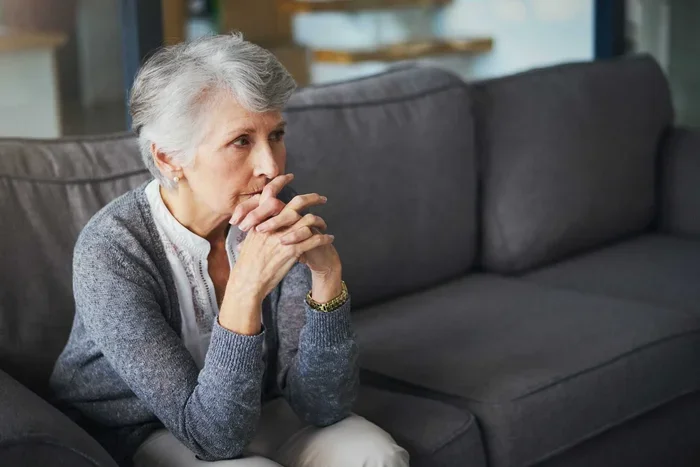
Gerascophobia, or the fear of growing old, affects millions of people worldwide and can significantly impact mental health and quality of life. This comprehensive guide explores the signs, root causes, and practical coping strategies to help you overcome aging anxiety. Whether you’re experiencing mild worry or intense dread about getting older, understanding this phobia is the first step toward reclaiming your peace of mind and embracing the beauty of every life stage.
Fear of growing old, clinically known as gerascophobia, is more than just a passing worry about wrinkles or birthdays. It’s a deep, persistent anxiety that can take over your thoughts, decisions, and relationships. If you’ve ever felt your heart race at the thought of turning another year older, avoided mirrors because of new lines on your face, or made drastic life decisions driven by aging panic, you’re not alone. Millions of people struggle with this fear every day, and understanding it is the first step toward freedom. In this guide, we’ll walk through everything you need to know about gerascophobia, from recognizing the signs to finding practical ways to cope and thrive at every age.
Key Takeaways
- Gerascophobia is a real phobia: The fear of growing old is a recognized anxiety condition that goes beyond normal aging concerns and can severely impact daily functioning.
- Multiple causes exist: Fear of aging stems from various sources including trauma, cultural pressures, health anxieties, and fear of losing independence or attractiveness.
- Physical and emotional signs vary: Symptoms range from panic attacks and sleep disturbances to obsessive anti-aging behaviors and social withdrawal.
- Professional help is effective: Therapy approaches like CBT, exposure therapy, and mindfulness-based treatments show strong results in treating aging anxiety.
- Self-help strategies matter: Daily practices like gratitude journaling, reframing thoughts, and building meaningful connections can significantly reduce fear of growing old.
- Relationships are affected: Gerascophobia can strain romantic partnerships, friendships, and family dynamics when left unaddressed.
- Aging can be empowering: Shifting perspective from loss to growth transforms the aging experience from something fearful into something meaningful.
📑 Table of Contents
- What Is Gerascophobia? Understanding the Fear of Growing Old
- Common Signs and Symptoms of Fear of Growing Old
- Root Causes Behind the Fear of Growing Old
- How Fear of Growing Old Affects Relationships and Daily Life
- Effective Coping Strategies for Gerascophobia
- Professional Treatment Options for Gerascophobia
- Embracing Aging: Shifting Your Perspective
- Conclusion
What Is Gerascophobia? Understanding the Fear of Growing Old
Gerascophobia comes from the Greek word “geras,” meaning old age, and “phobos,” meaning fear. It’s an intense, irrational fear of aging that goes far beyond the normal concerns most people have about getting older. While it’s natural to occasionally wish you could turn back the clock, gerascophobia takes these feelings to an extreme level that interferes with everyday life.
People with this condition experience overwhelming anxiety when they think about aging. They might obsess over every gray hair, avoid birthday celebrations, or spend excessive amounts of money on anti-aging products. The fear isn’t just about appearance either. It often encompasses deeper worries about losing independence, developing health problems, becoming irrelevant, or facing mortality.
How Gerascophobia Differs from Normal Aging Concerns
Everyone has moments where they wish they looked younger or felt more energetic. But there’s a significant difference between occasional vanity and a full-blown phobia. Normal aging concerns might make you buy a nice moisturizer or start a fitness routine. Gerascophobia, on the other hand, causes distress that disrupts your life.
Here’s how to tell the difference:
- Intensity: Normal concerns are mild and manageable. Gerascophobia triggers intense anxiety or panic.
- Duration: Regular worries come and go. Phobic fears are persistent and long-lasting.
- Impact: Normal concerns don’t stop you from living. Gerascophobia leads to avoidance behaviors and life restrictions.
- Proportion: The fear is disproportionate to the actual situation.
The Connection Between Gerascophobia and Thanatophobia
Many people who fear growing old also experience thanatophobia, which is the fear of death. These two phobias often overlap because aging reminds us of our mortality. The physical changes that come with getting older serve as constant reminders that life is finite. For some, this connection makes the fear of aging even more intense and difficult to manage.
Understanding this link is important because treating gerascophobia sometimes requires addressing underlying death anxiety as well. When you work through your feelings about mortality, the fear of aging often naturally decreases. This is one reason why finding happiness even in difficult times becomes such a powerful tool for people struggling with aging anxiety.
Common Signs and Symptoms of Fear of Growing Old
Visual guide about aging anxiety woman
Image source: 12oaks.net
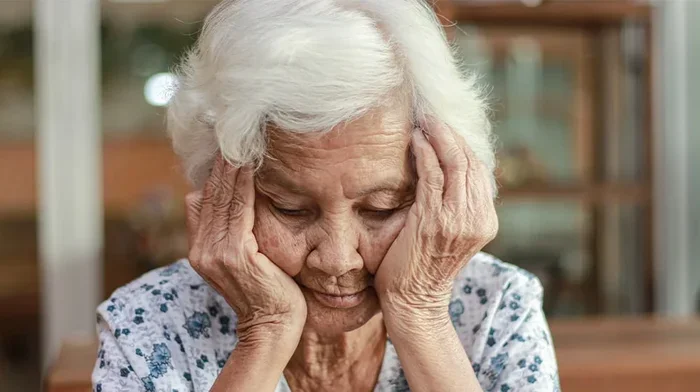
Recognizing gerascophobia starts with understanding its many faces. This fear doesn’t look the same for everyone, and symptoms can range from subtle to severe. Some people experience primarily emotional symptoms, while others develop physical reactions or behavioral changes that signal something deeper is going on.
Emotional and Psychological Signs
The emotional toll of gerascophobia can be devastating. People often experience persistent anxiety that centers around thoughts of aging. They might feel overwhelming sadness when they notice physical changes or experience dread as birthdays approach. Many report feeling a sense of hopelessness about the future or a loss of identity as they age.
Common emotional signs include:
- Intense anxiety when thinking about getting older
- Persistent sadness or depression related to aging
- Feelings of worthlessness tied to physical appearance
- Obsessive thoughts about losing youth or vitality
- Irritability or mood swings when aging is mentioned
- Feeling disconnected from peers who seem comfortable aging
Physical Symptoms
The fear of growing old doesn’t just live in your mind. It manifests in your body too. When someone with gerascophobia encounters aging-related triggers, their body responds with real physical symptoms. These can include rapid heartbeat, shortness of breath, sweating, trembling, nausea, and even full-blown panic attacks.
Sleep problems are particularly common. Many people with aging anxiety lie awake at night worrying about the future. They might experience insomnia, restless sleep, or nightmares about growing old. Over time, this sleep deprivation worsens anxiety and creates a vicious cycle that’s hard to break.
Behavioral Changes
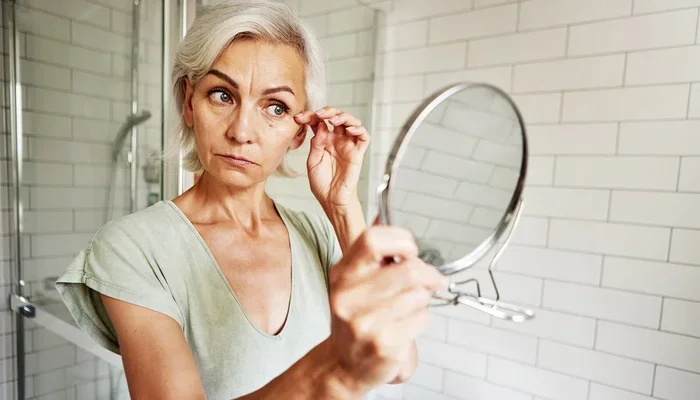
Perhaps the most telling signs of gerascophobia are the behavioral changes it produces. People with this fear often develop rituals or avoidance patterns designed to escape aging-related thoughts. They might check mirrors constantly for new wrinkles, avoid looking at old photographs, or refuse to disclose their age to anyone.
Some behavioral red flags include:
- Excessive spending on anti-aging products or cosmetic procedures
- Avoiding mirrors, photographs, or situations where age is highlighted
- Withdrawing from older friends or family members
- Obsessive exercise or dieting to maintain a youthful appearance
- Refusing to celebrate birthdays or acknowledge getting older
- Making major life decisions based on age-related fears
Root Causes Behind the Fear of Growing Old
Visual guide about aging anxiety woman
Image source: neurologyadvisor.com
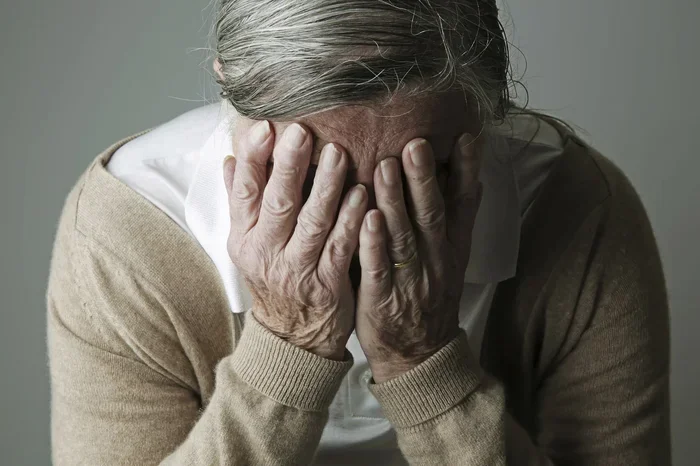
Understanding why you fear aging is crucial to overcoming it. Gerascophobia doesn’t develop in a vacuum. It grows from a combination of personal experiences, cultural influences, and psychological factors that shape how we view the aging process.
Cultural and Societal Pressures
We live in a society that worships youth. From advertisements to movies, the message is clear: young is beautiful, and old is something to fight against. This cultural obsession with youth creates an environment where aging feels like failure rather than a natural, beautiful process.
Social media amplifies this pressure exponentially. Platforms filled with filtered photos and anti-aging product promotions make it nearly impossible to develop a healthy relationship with aging. The constant comparison to airbrushed images creates unrealistic standards that no one can meet, fueling anxiety about growing older.
The beauty industry profits enormously from aging anxiety. Billions of dollars are spent annually on products promising to reverse or slow aging. While there’s nothing wrong with taking care of your skin or health, the messaging often implies that aging is a problem to be solved rather than a natural process to be embraced.
Personal Trauma and Past Experiences
Sometimes gerascophobia stems from difficult experiences with aging relatives. Watching a loved one suffer from dementia, chronic illness, or loss of independence can create deep associations between aging and suffering. If you grew up seeing aging as a time of pain and decline, it makes sense that you’d fear the same fate.
Traumatic experiences like losing a parent at a young age or witnessing elder abuse can also contribute to aging anxiety. These experiences create powerful emotional memories that shape how we view the entire aging process. The fear isn’t really about getting older. It’s about reliving or experiencing the pain we witnessed in others.
Fear of Loss and Change
At its core, gerascophobia often represents a fear of loss. People worry about losing their physical attractiveness, their health, their independence, their cognitive abilities, or their relevance in society. Each of these fears is valid on its own, but together they create an overwhelming dread of the future.
The fear of losing independence is particularly powerful. Many people associate aging with becoming a burden on others, losing the ability to care for themselves, or being placed in a nursing home. These fears, while sometimes realistic, become paralyzing when they dominate your thoughts and decisions.
Health Anxiety and Medical Concerns
Some people develop gerascophobia after receiving a serious health diagnosis or experiencing a health scare. The realization that bodies change and decline with age becomes terrifying when you’ve already faced medical challenges. This health anxiety can spiral into a full-blown phobia that affects every aspect of life.
It’s worth noting that early life experiences with health can shape how we respond to aging-related health concerns later in life. People who grew up in households where health anxiety was prevalent may be more vulnerable to developing gerascophobia.
How Fear of Growing Old Affects Relationships and Daily Life
Visual guide about aging anxiety woman
Image source: futurity.org
Gerascophobia doesn’t just affect the person experiencing it. It ripples outward, touching every relationship and aspect of daily functioning. Understanding these impacts helps illustrate why addressing this fear is so important for overall wellbeing.
Impact on Romantic Relationships
The fear of aging can significantly strain romantic partnerships. A person with gerascophobia might constantly seek reassurance about their appearance, become jealous of younger partners or competitors, or push away loved ones who are also aging. This creates tension and insecurity in relationships that should be sources of comfort.
Some people with aging anxiety avoid relationships altogether. They fear that a partner will eventually see them as old and unattractive, so they sabotage connections before they can be hurt. This pattern of holding onto relationship fears prevents the very connections that could help them heal.
Partners of people with gerascophobia often feel confused and helpless. They may not understand why their loved one is so consumed by aging concerns or how to provide meaningful support. This can lead to frustration, resentment, and emotional distance that further damages the relationship.
Social Withdrawal and Isolation
As gerascophobia progresses, many people begin withdrawing from social situations. They avoid gatherings where they might feel judged about their appearance, skip events that remind them of aging, or isolate themselves from friends who are also getting older. This withdrawal creates loneliness that worsens anxiety and depression.
The irony is that social connection is one of the most powerful antidotes to aging anxiety. When we surround ourselves with people of all ages who are living fulfilling lives, we see that aging doesn’t have to mean decline. But gerascophobia convinces people to avoid exactly the experiences that could help them heal.
Career and Financial Decisions
Some people make drastic career changes or financial decisions based on aging anxiety. They might quit stable jobs to pursue youthful dreams, spend retirement savings on cosmetic procedures, or make risky investments hoping to secure their future. These decisions, driven by fear rather than wisdom, often create the very problems they were trying to avoid.
The workplace itself can be a source of aging anxiety. Age discrimination is real, and people who fear getting older may struggle with confidence at work, avoid promotions, or fail to advocate for themselves. This self-sabotage limits career growth and reinforces the belief that aging diminishes value.
Effective Coping Strategies for Gerascophobia
Overcoming the fear of growing old is absolutely possible. With the right tools and support, you can transform your relationship with aging from one of dread to one of acceptance and even appreciation. These strategies work best when combined and practiced consistently.
Cognitive Behavioral Techniques
Cognitive Behavioral Therapy (CBT) is one of the most effective treatments for gerascophobia. This approach helps you identify and challenge the negative thought patterns that fuel your aging anxiety. Instead of accepting every fearful thought as truth, you learn to examine the evidence and develop more balanced perspectives.
Start by keeping a thought journal. Every time you notice an aging-related fear, write it down. Then ask yourself: Is this thought realistic? What evidence supports or contradicts it? What would I tell a friend who had this thought? This simple practice creates distance between you and your fears, making them easier to manage.
Common thought distortions in gerascophobia include:
- Catastrophizing: Assuming the worst possible outcome about aging
- All-or-nothing thinking: Believing you’re either young and valuable or old and worthless
- Mental filtering: Focusing only on negative aspects of aging while ignoring positives
- Overgeneralization: Assuming one negative experience with aging applies to everything
Mindfulness and Acceptance Practices
Mindfulness teaches you to observe your thoughts without judgment. Instead of fighting aging-related fears or getting swept away by them, you learn to notice them, acknowledge them, and let them pass. This doesn’t mean giving up or resigning yourself to decline. It means stopping the struggle that makes anxiety worse.
Try this simple practice: When an aging fear arises, pause and take three deep breaths. Notice where you feel the fear in your body. Name the emotion without judging it. Remind yourself that thoughts are just thoughts, not facts. Then gently redirect your attention to the present moment.
Acceptance and Commitment Therapy (ACT) takes this approach further by helping you clarify your values and take action aligned with them, even in the presence of fear. This means choosing to live fully now rather than waiting until you’ve resolved all your aging anxiety.
Building a Positive Relationship with Aging
One of the most powerful ways to overcome gerascophobia is to actively cultivate positive associations with aging. Seek out older adults who are living vibrant, fulfilling lives. Read books or watch documentaries about people who accomplished great things later in life. Challenge the narrative that aging equals decline.
Create a “wisdom list” documenting the benefits you’ve gained with age. Maybe you’re more patient now, better at setting boundaries, or more confident in your decisions. Perhaps you’ve developed deeper friendships or discovered passions you never had time for when you were younger. These real examples counter the negative stories your fear tells you.
Lifestyle Changes That Support Healthy Aging
Taking care of your physical health can significantly reduce aging anxiety. When you feel strong and capable, the fear of physical decline becomes less overwhelming. Regular exercise, nutritious eating, adequate sleep, and stress management all contribute to healthy aging and improved mental health.
Focus on what you can control rather than what you can’t. You can’t stop time, but you can choose how you move through it. Building healthy habits now gives you a sense of agency that counters the helplessness gerascophobia creates. This approach aligns with understanding what’s within your control and directing your energy there.
Consider these lifestyle adjustments:
- Exercise regularly to maintain strength, flexibility, and energy
- Eat a balanced diet rich in nutrients that support brain and body health
- Prioritize quality sleep to support emotional regulation
- Engage in activities that challenge your mind and keep you learning
- Maintain social connections across different age groups
- Practice stress-reduction techniques like meditation or yoga
Professional Treatment Options for Gerascophobia
Sometimes self-help strategies aren’t enough, and that’s perfectly okay. Professional treatment can provide the structured support needed to overcome severe aging anxiety. Several therapeutic approaches have shown effectiveness in treating gerascophobia and related anxiety disorders.
Therapy Approaches That Work
Exposure therapy gradually and safely exposes you to aging-related triggers in a controlled environment. Over time, this reduces the fear response and helps you build confidence in your ability to cope. A therapist might start by having you look at photos of older adults, then progress to discussing your own aging, and eventually visit places associated with older adults.
Psychodynamic therapy explores the unconscious roots of your aging fear. By understanding where these feelings originated, you can process the underlying emotions and develop healthier patterns. This approach is particularly helpful when gerascophobia stems from childhood experiences or unresolved trauma.
Group therapy offers the unique benefit of connecting with others who share your struggles. Hearing how others cope with aging anxiety provides new perspectives and reduces the shame that often accompanies phobias. The support and validation from group members can be incredibly healing.
Medication and Complementary Treatments
In some cases, medication may be recommended to manage severe anxiety symptoms associated with gerascophobia. Anti-anxiety medications or antidepressants can help reduce the intensity of fear responses, making it easier to engage in therapy and practice coping strategies. Always consult with a healthcare provider to determine if medication is appropriate for your situation.
Complementary treatments like acupuncture, massage therapy, and herbal supplements may also support anxiety reduction. While these approaches shouldn’t replace professional treatment, they can enhance overall wellbeing and provide additional relief from symptoms.
When to Seek Help
It’s time to seek professional help when gerascophobia significantly impacts your daily life. If you’re avoiding activities you once enjoyed, experiencing persistent anxiety or depression, struggling in relationships, or making major life decisions based on aging fear, a therapist can help.
There’s no shame in seeking support. Just as you’d see a doctor for a physical health concern, seeing a mental health professional for anxiety is a sign of strength and self-awareness. The right therapist can guide you through the process of understanding and overcoming your fear in ways that self-help alone cannot achieve.
Embracing Aging: Shifting Your Perspective
The ultimate goal isn’t just to stop fearing aging. It’s to develop a genuinely positive relationship with the passage of time. This shift in perspective transforms aging from an enemy into a teacher, from something to fight into something to embrace.
Celebrating the Gifts of Aging
Every stage of life offers unique gifts that weren’t available before. Youth brings energy and possibility, but age brings wisdom, perspective, and depth. Older adults often report greater emotional stability, stronger relationships, and deeper satisfaction with life than their younger counterparts.
Consider what you’ve gained with each passing year. Perhaps you’ve developed skills, built meaningful relationships, overcome challenges, or discovered who you truly are. These gains don’t disappear with age. They accumulate, creating a richness of experience that youth alone cannot provide.
Creating Meaning at Every Age
Viktor Frankl, a psychiatrist and Holocaust survivor, taught that meaning can be found in any circumstance. This truth applies powerfully to aging. When you focus on creating meaning through relationships, contributions, and personal growth, the fear of physical decline loses its grip.
Think about the older adults who have inspired you. Chances are, you weren’t drawn to them because of their youthful appearance. You were moved by their wisdom, kindness, resilience, or passion. These qualities don’t diminish with age. They deepen and become more beautiful over time.
Building a Legacy Mindset
Shifting from a scarcity mindset to a legacy mindset transforms how you view aging. Instead of focusing on what you’re losing, consider what you’re leaving behind. The impact you have on others, the wisdom you share, and the love you give create a legacy that outlasts physical youth.
This perspective doesn’t deny the challenges of aging. It acknowledges them while refusing to let them define the entire experience. When you live with purpose and intention, each year becomes an opportunity to deepen your impact and enrich your life in ways that youth never could.
Conclusion
The fear of growing old, or gerascophobia, is a real and significant challenge that affects millions of people. But it doesn’t have to control your life. By understanding the signs, exploring the root causes, and implementing practical coping strategies, you can transform your relationship with aging from one of fear to one of acceptance and even appreciation.
Remember that seeking help is a sign of strength, not weakness. Whether through self-help strategies, therapy, or a combination of approaches, recovery is possible. The goal isn’t to never think about aging again. It’s to think about it without fear, to acknowledge the challenges while celebrating the gifts, and to live fully in every season of life.
You deserve to experience joy, connection, and meaning at every age. The journey toward overcoming gerascophobia begins with a single step, and you’ve already taken it by seeking information and understanding. Keep moving forward, be patient with yourself, and trust that a better relationship with aging is within your reach.
Frequently Asked Questions
What is Fear Of Growing Old Gerascophobia?
Fear Of Growing Old Gerascophobia is an important topic with many practical applications.
